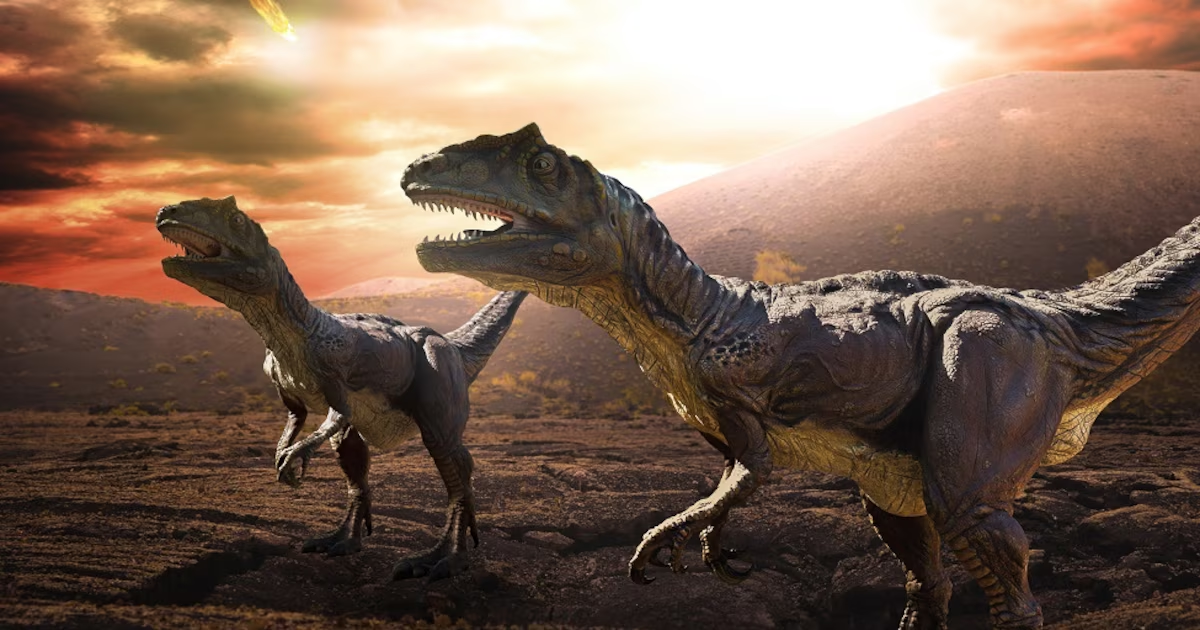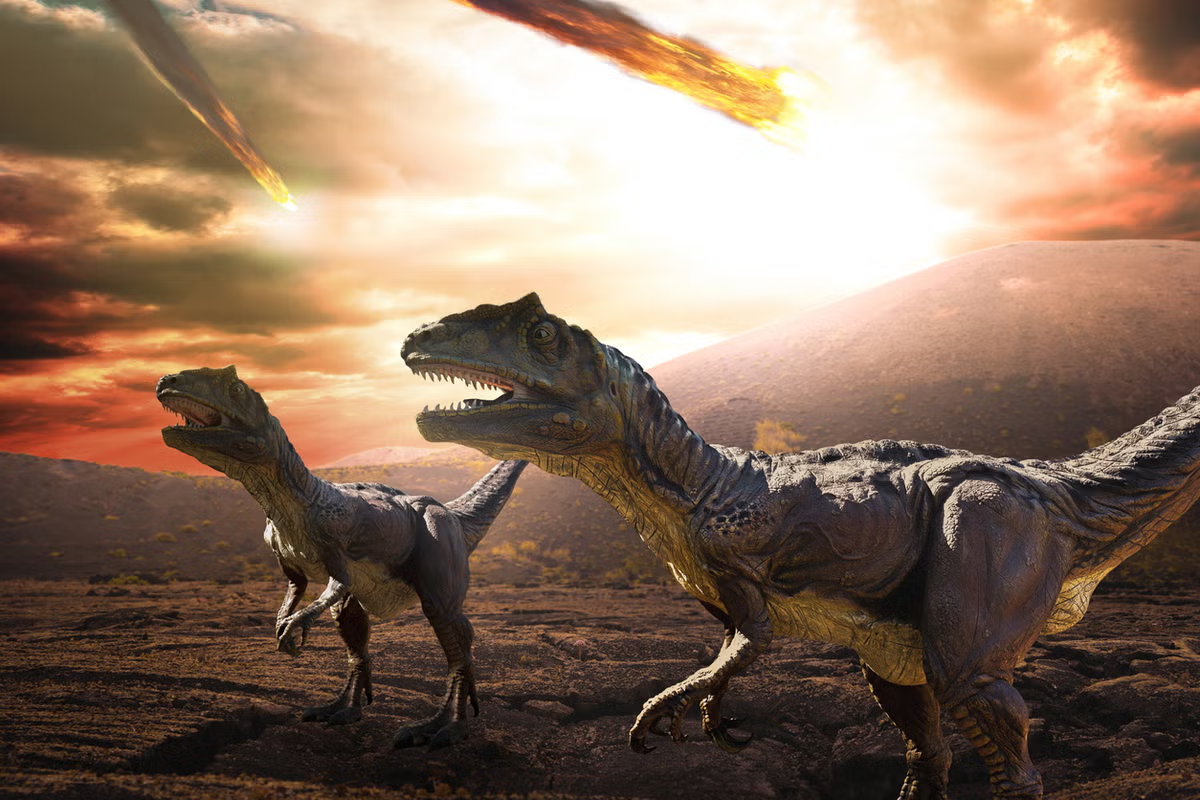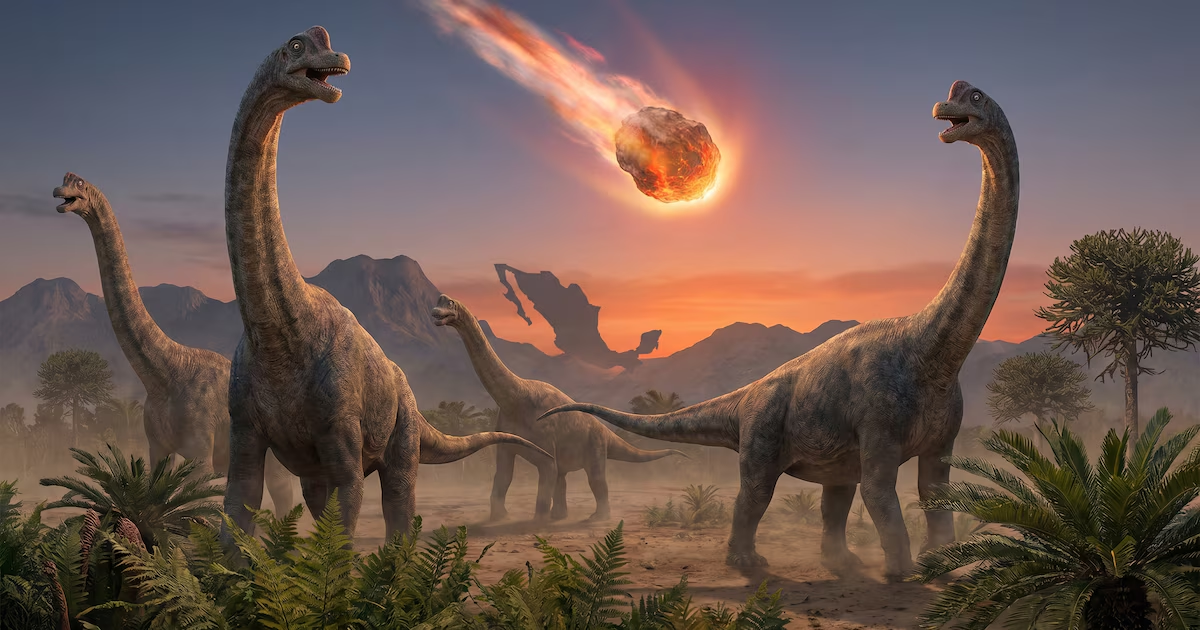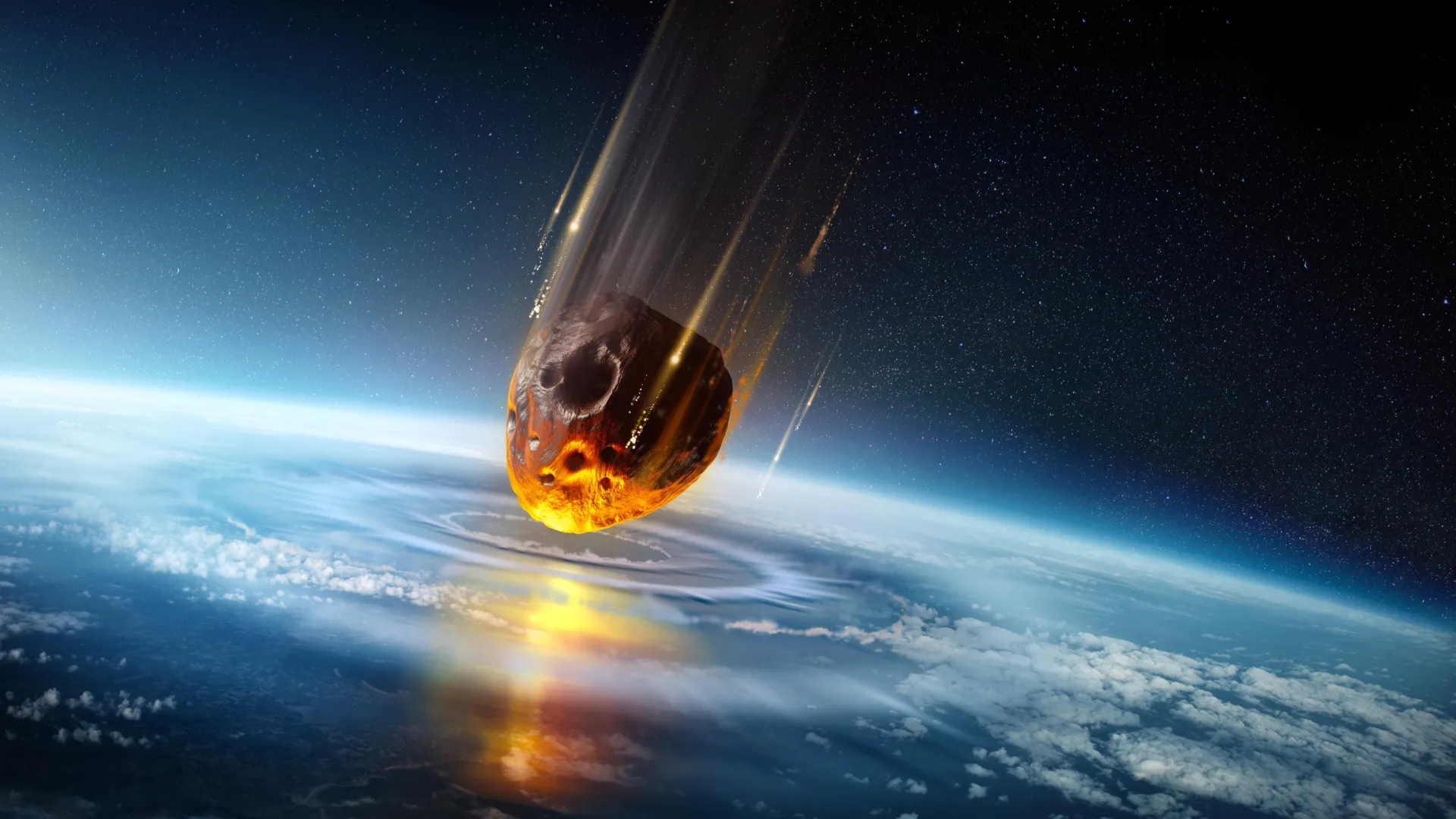
A rare type of meteorite known as a CO chondrite was likely the object that slammed into Earth 66 million years ago and triggered the extinction of about 75 percent of all species, including every non-avian dinosaur.
Researchers from the University of British Columbia (UBC), Paris, Brussels, and Vienna reached that conclusion by analyzing nickel isotopes preserved in material left behind by the Cretaceous-Paleogene impact. Their findings were published in Science Advances.
A Rare Meteorite Behind the Dinosaur Extinction
"Carbonaceous chondrites of the Ornans class are definitely not like the typical meteors you find in museum collections," says Dr. Philippe Claeys, who worked on the study as a visiting professor at UBC.
"A CO contains much less volatile elements -- like carbon, zinc, water and particularly sulfur -- than other classes of meteorites we've discovered so far on Earth. It doesn't alter our theory of what caused the extinction event -- but it makes it less likely that sulfur contained in the impactor was the smoking gun. The fine debris thrown into the atmosphere would have the primary factor."