Get the latest news and updates from Dawn
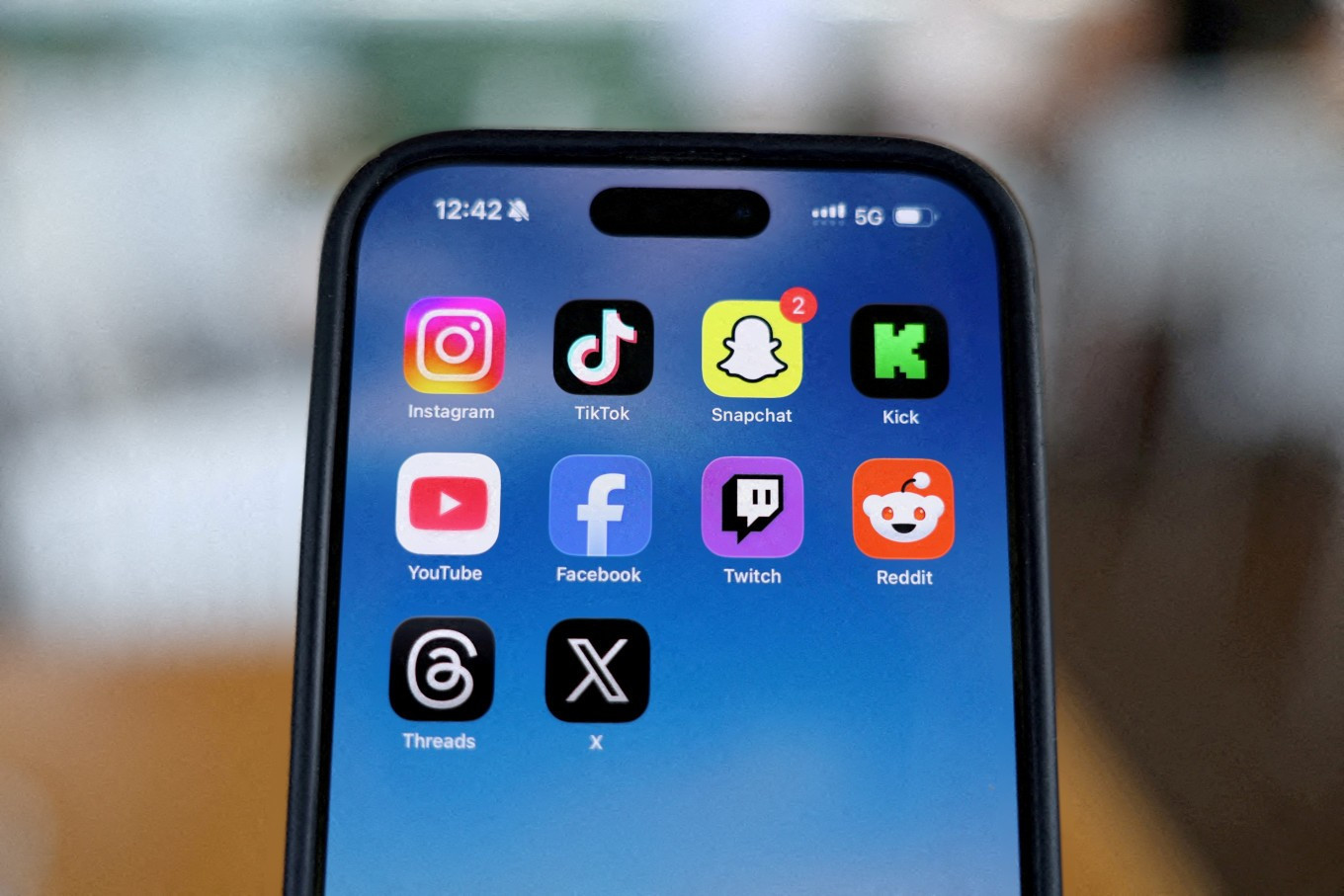
IN a Los Angeles courtroom, Kaley G.M., 20, described a childhood consumed by social media. She began using YouTube at six and Instagram at nine. On one occasion, she said, she spent 16 hours on Instagram. By 10, she had uploaded 240 videos and created nine other accounts to like and comment on. She told jurors that the platforms disrupted her sleep, education and friendships, and worsened anxiety, depression and body-image problems.
Meta and Google argued that her difficulties had other causes, including bullying and a troubled home life. Her lawyers instead focused on platform design: autoplay, infinite feeds and notifications intended to keep users engaged. After more than 40 hours of deliberations, the jury found both companies negligent.
What made the verdict historic was that it emerged from the first US jury trial of its kind, holding the companies responsible not for material posted by users, but for the design and operation of the platforms themselves.
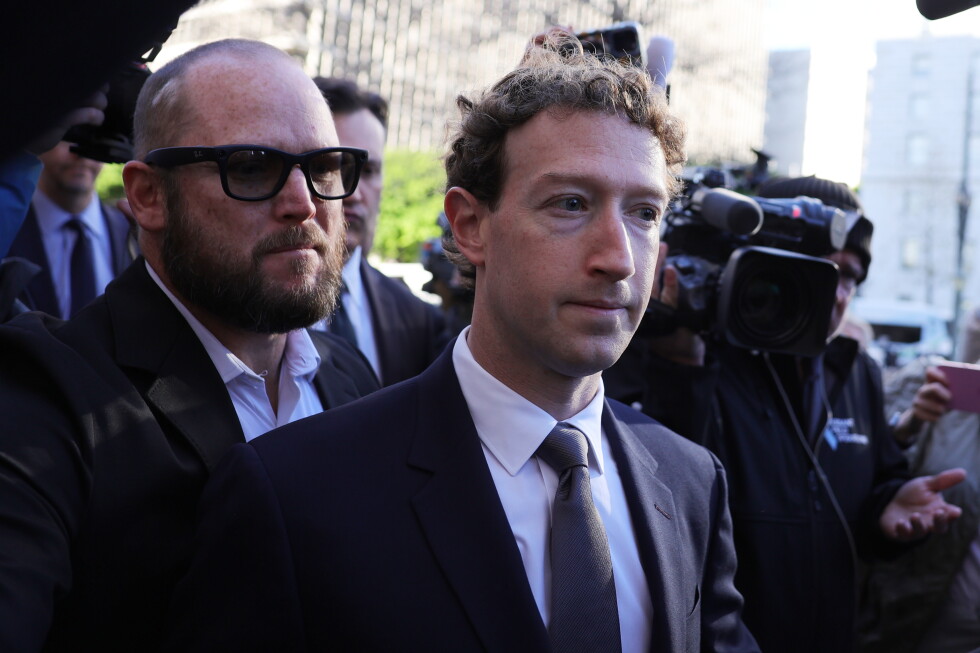
Kaley’s case was not an isolated tragedy. In 2024, Mark Zuckerberg was confronted in the US Senate by parents holding photographs of children who had died after being exploited or harmed online. Turning towards them, he apologised.