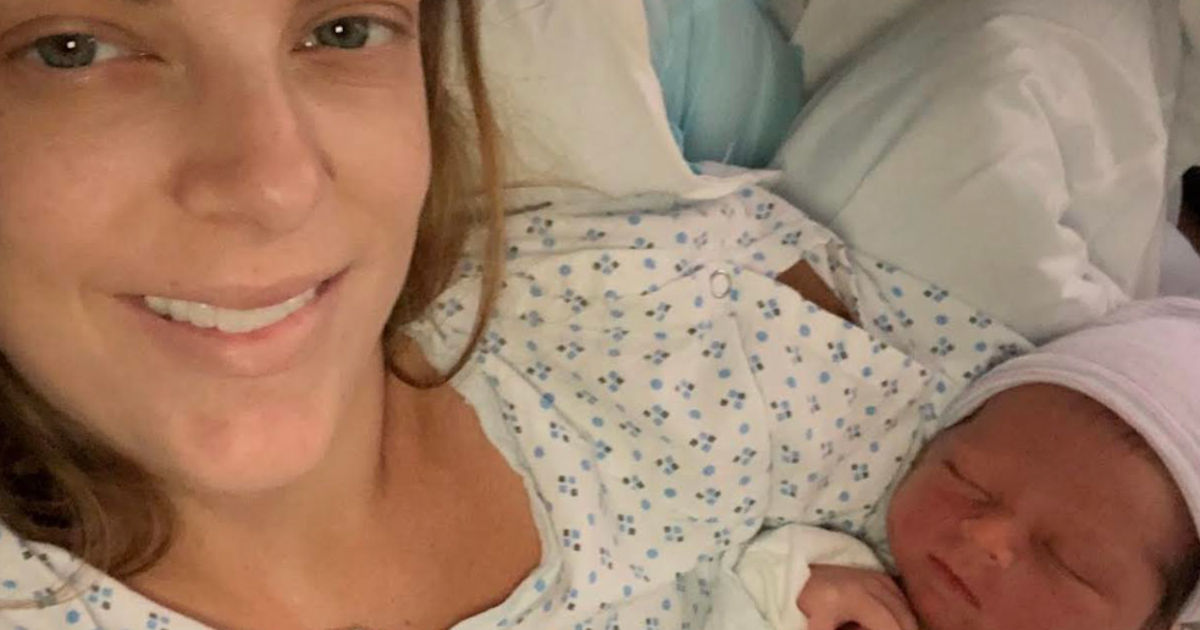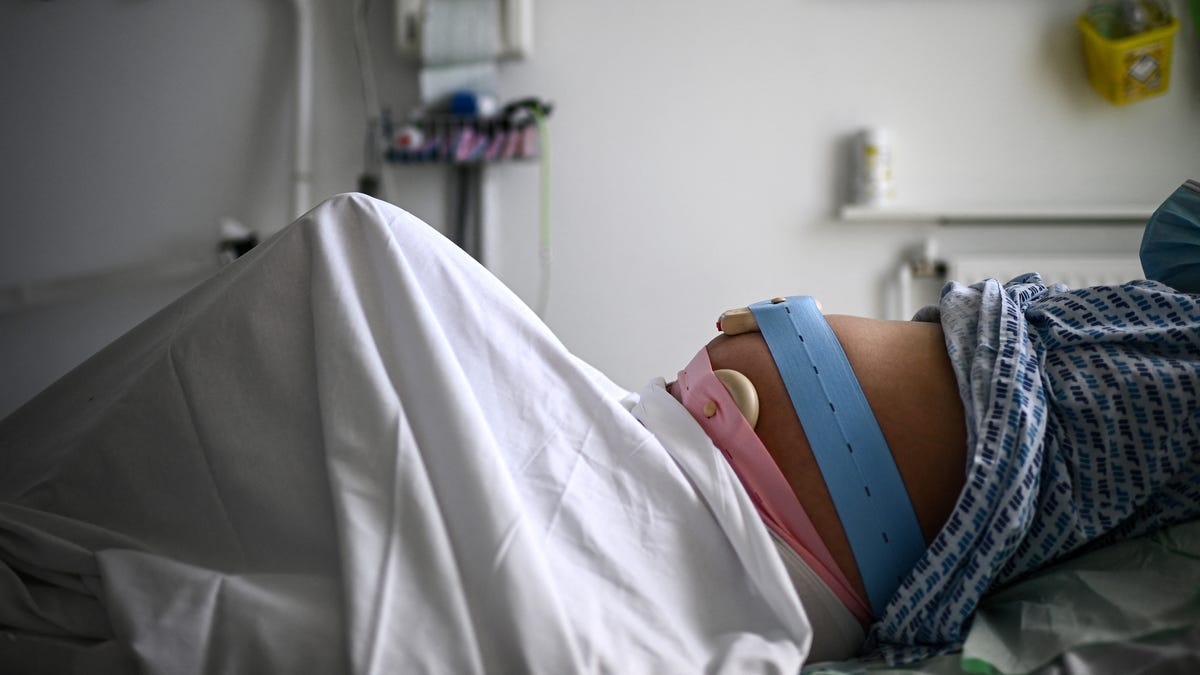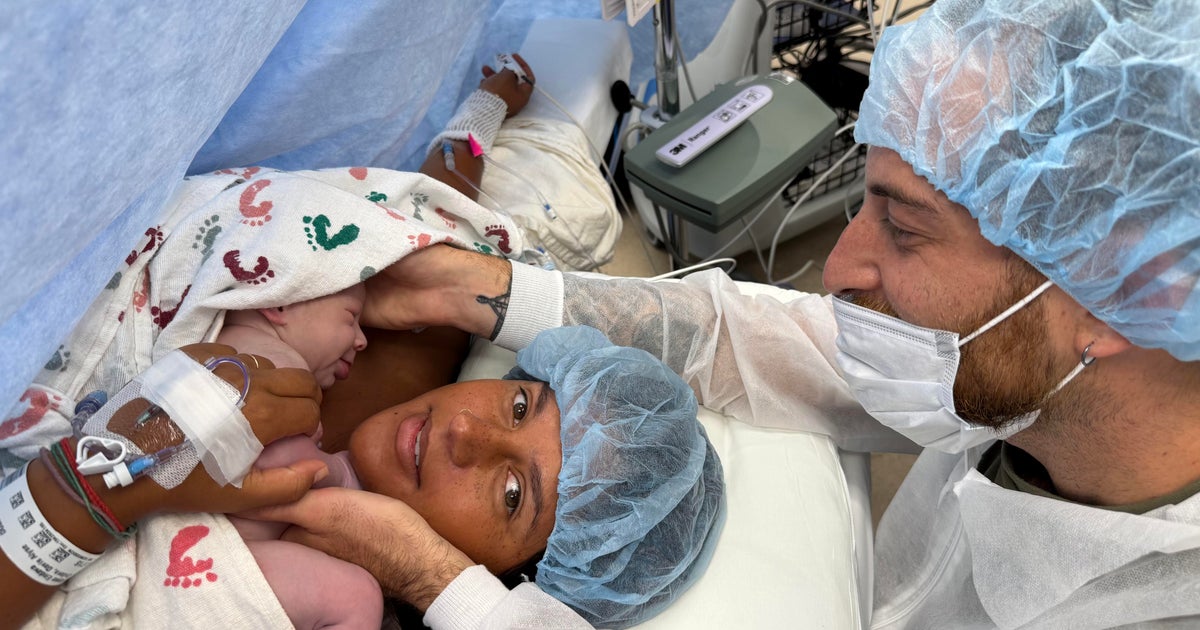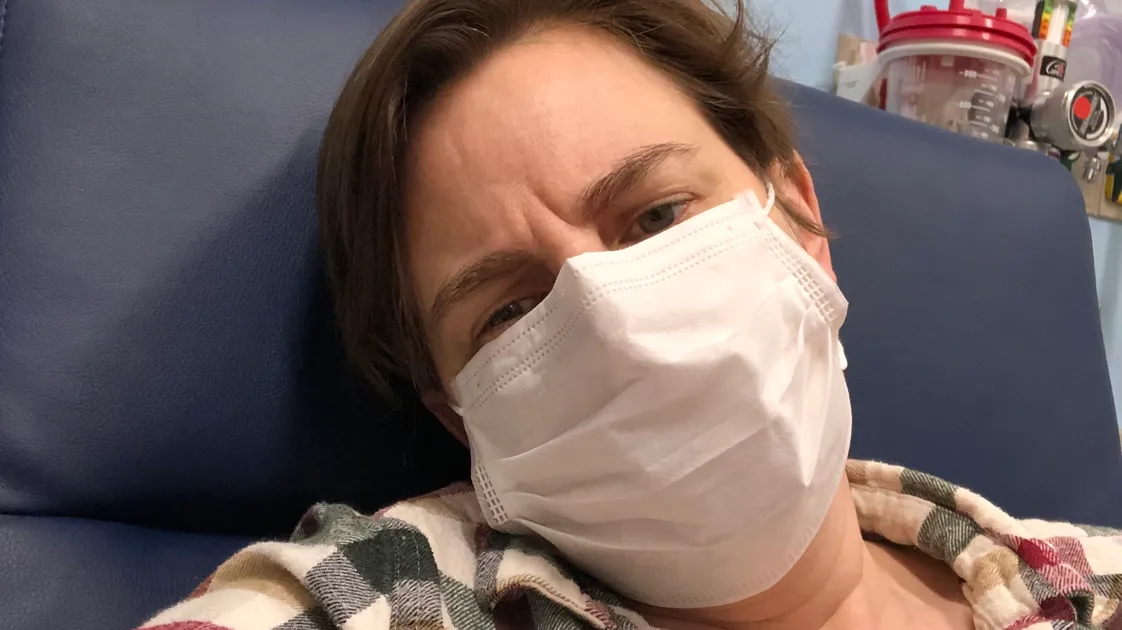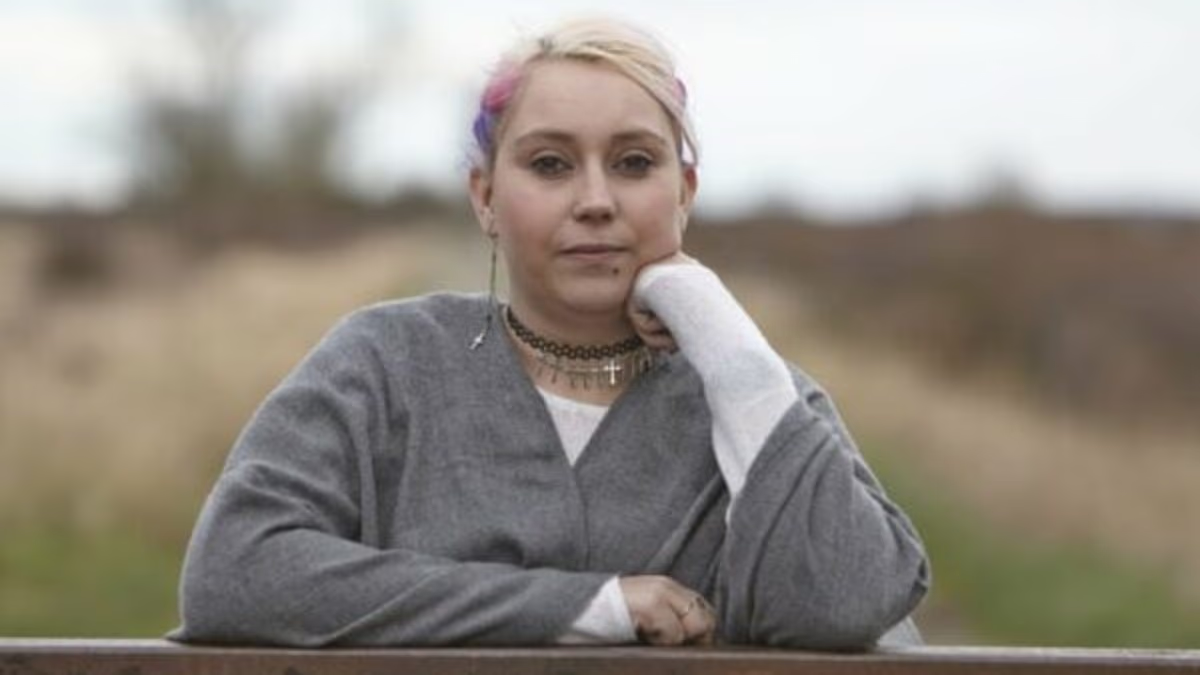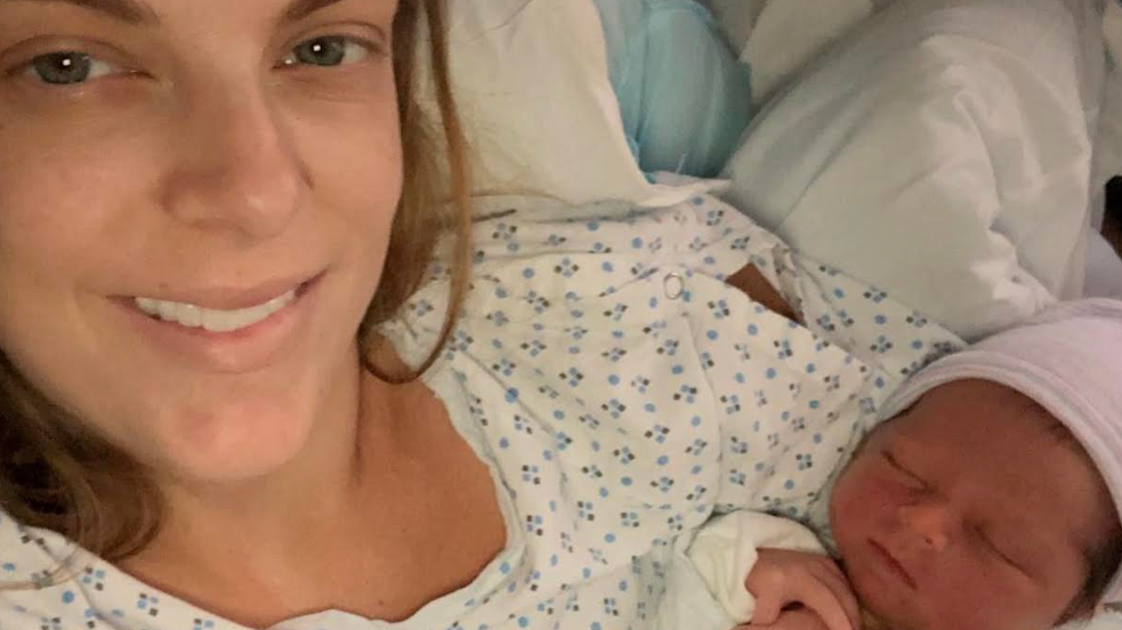
I awoke to the sound of beeping machines, and found myself trapped in a straitjacket of tubes and wires. My last memory was giving birth to my son, Aden. Now I looked around the room and clocked darkness. Ten hours before, I walked with confidence through the double doors on the OB floor of the hospital. Slung over my arm was a small black duffel bag containing items for my scheduled induction. My doula was on her way. My husband, Brad, was standing by my side. I was ready to have a baby. I’d labored twice before, pushed two wriggling babies from my body. I’m a nurse. I knew what to expect.Except this time, as my newborn son suckled my breast, I felt something snap deep in my belly and I noticed my midwife’s eyes widen. She shouldn’t be holding the detached umbilical cord in her hand, I thought to myself, as I saw the blood leave her face and felt warm liquid pour from between my thighs.Within minutes chaos erupted. Aden was taken from my arms as a wave of doctors and nurses entered the room. I was told I needed emergency surgery for placenta accreta, a pregnancy complication where the placenta attaches too deeply to the uterine wall. Next thing I knew, I was scrawling my signature on a consent form. I heard the clicking sound of the wheels of my bed being unlocked. I clasped Brad’s hand and said, “I love you,” but before we could say more, I was rushed down the hall. Steel silver doors opened as a wave of shocking cold air hit me. Medical staff swirled around the operating table, preparing me for surgery.The author holding her son, Aden, for the first time after her release from the ICU.Photo by Brad McMullanI took in the large silver spotlights overhead as my legs were placed in stirrups. My heart raced. My vision began to blur. A mask was placed over my face, and my last thought was, I hope I don’t bleed to death.Aden’s birth was supposed to be a euphoric unburdening, a bookend. He was our only normal embryo after a difficult season of pregnancy loss and fertility treatment. We could finally turn the page from family building to the next chapter of life. But when I woke up from surgery, I could see Brad’s eyes were red-rimmed and hollow. An ICU nurse explained that I had a severe hemorrhage.“It was touch and go there, you gave us all a scare,” she told me.I looked to Brad for confirmation, feeling the thrum of my anxious heart, as he squeezed my hand. What I didn’t know then was that birth trauma affects approximately one-third of the 140 million annual births worldwide. It’s a staggering number, roughly between 43 million and 67 million birthing mothers. And yet, birth trauma is rarely discussed, often stigmatized and frequently overlooked by the very system designed to manage it. When I got home, I Googled the definition of birth trauma. Was it possible, I wondered, that even on the low end, 43 million other women have suffered through what I went through in childbirth? The search engine spit back this definition: “both physical and psychological injuries occurring during or as a result of the birthing process.”"This is a cellphone photo of a copy of my MRI results, taken in the hospital after doctors explained that a previously undiagnosed pituitary tumor had infarcted and damaged my pituitary gland," the author writes.Courtesy of Rachael McMullanWhat I’ve learned is that the trauma doesn’t end with childbirth. And it doesn’t impact only the mother and her baby. It ripples outward. Partners carry the weight of witnessing pain. Children feel the absence while their mother recovers in the hospital. And even when she returns home, the whole family slowly realizes that the woman who left to have a baby wasn’t the same one who came back. Seventy-two hours after Aden was born, an MRI revealed that a pituitary tumor the size of a clementine had infarcted inside my brain from the severe blood loss. That indescribable pain I’d felt after waking in the ICU was blood on my brain. A pituitary tumor? Exploding from my severe blood loss? The revelation was more than I could process. And not only that: Without a working pituitary gland, the various hormones, like prolactin needed to make milk, couldn’t be released. Another piece of my birth plan was destroyed. I was discharged from the hospital after nine days, but I was detached and numb. I held Aden and felt blunted, a gauzy curtain between me and the world. Sure, I felt love for him, my husband, my other children and my life, but it was behind a veil of novocaine. That numbness continued to fester for one month. Two. I began experiencing bouts of vertigo so severe I couldn’t get out of bed. Yet I also couldn’t sleep. During that time, I convinced myself that ending my life would be the only way to find relief. How else could I stop feeling trapped in a world, in a home, in a body that was no longer mine? Eventually, I told Brad how I was feeling, and between perinatal therapy, antidepressants and the unwavering support of family and close friends, I realized I wanted to be alive, I wanted to fight to find the light in my life again. "This is a selfie taken in a hospital restroom mirror during a seven-day hospitalization," the author writes. "I was being treated for complications that developed during medication trials for chronic vertigo and dizziness following my birth trauma."Courtesy of Rachael McMullanIt wasn’t until months later that I stopped to notice that something was wrong with Brad. He was angry and aloof. Was it grief? Rage? Then again, the pandemic hit months after Aden’s birth, so Brad was now working from home with three children and a wife whose spinning head kept her alternating between the couch and the bed, unable to do much of anything. He began to drink heavily. On weekdays. By himself.I asked him what was wrong. He told me nothing. I begged him to stop drinking so much, to talk to me. But I also convinced myself that his drinking was somehow my fault. I believed that if I hadn’t needed so much help because of the birth trauma, none of this would have happened. It was at one of our daughter’s soccer games that Brad got into a heated altercation with another player’s parents. Our family secret — that we were all unraveling — became a community scandal. I tried to shield my children, comfort them, especially my daughter, who was 10 at the time. I didn’t know if our marriage would make it. I didn’t know if Brad would go to rehab. He eventually did. Five weeks later, I picked him up at a halfway house and we tried to put back together the pieces of our marriage, our family, and ourselves.Now I understand that birth trauma impacts the entire family. But what if the medical system that saved my body also prepared me and Brad for the possibility of long-lasting trauma? What if we had comprehended what might be in store for every one of us?Brad believed that he didn’t have the right to feel traumatized after my labor because it didn’t happen to him. He isn’t alone. Partners are frequently expected to move on quickly, and disregard their own feelings and experiences. However, that dismissal and unprocessed grief can lead to isolation, relationship strain, PTSD symptoms, and even drug and alcohol abuse. I’ve lived through the fact that even when the birthing parent is healing, the partner’s birth trauma can haunt and potentially destroy the entire family. "This photo was taken during a delayed newborn photo session after my nine-day hospitalization," the author writes. "Although we had left the hospital, the impact of the birth trauma continued to shape our lives long afterward."Courtesy of Rachael McMullanTonight, almost eight years later, we sat around the kitchen table as a family. Aden shared a silly dream, and laughter filled the room. I paused, taking it in — the kind of moment that once felt so far away — as I looked at the people I love most. It took us a long time to get here … longer than it should have. Society celebrated our healthy baby. I was given a clean bill of health at my six-week checkup. He went on to receive another seven check-ups within his first year, but Brad and I were left to figure it out on our own. I wonder how different our path might have been if we’d found the help we needed sooner. I wonder how different our path might have been if birth trauma wasn’t seen as something that ended once we left the hospital with our baby.Rachael McMullan, RN, BSN, is a registered nurse, writer, and mother of four. She is in the process of writing a narrative nonfiction book exploring her family’s experience with birth trauma and the ways these events shape families long after the medical crisis ends. Through the Birth Trauma Support Circle, she provides education, advocacy, and peer support for those impacted by birth trauma. You can learn more here.Do you have a compelling personal story you’d like to see published on HuffPost? Find out what we’re looking for here and send us a pitch at pitch@huffpost.com.
My Husband And I Kept The Trauma Of My Childbirth Private. Months Later, Our Family Unraveled In The Most Public Way.
"The revelation was more than I could process.”
1,575 words~7 min read