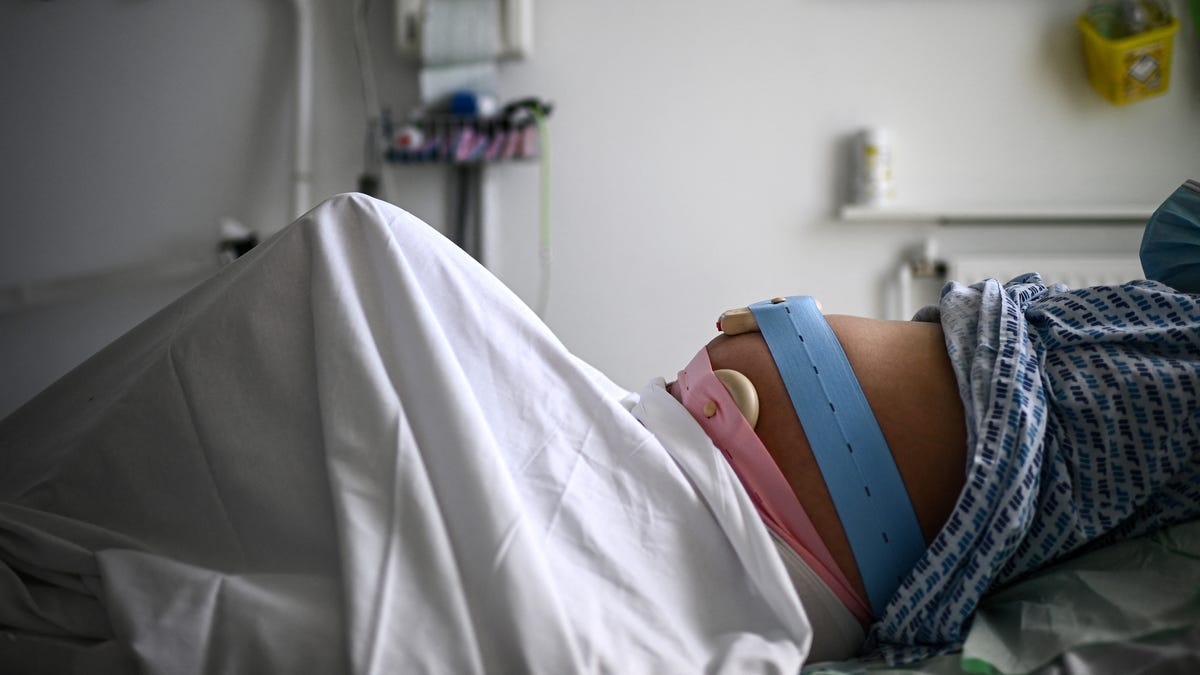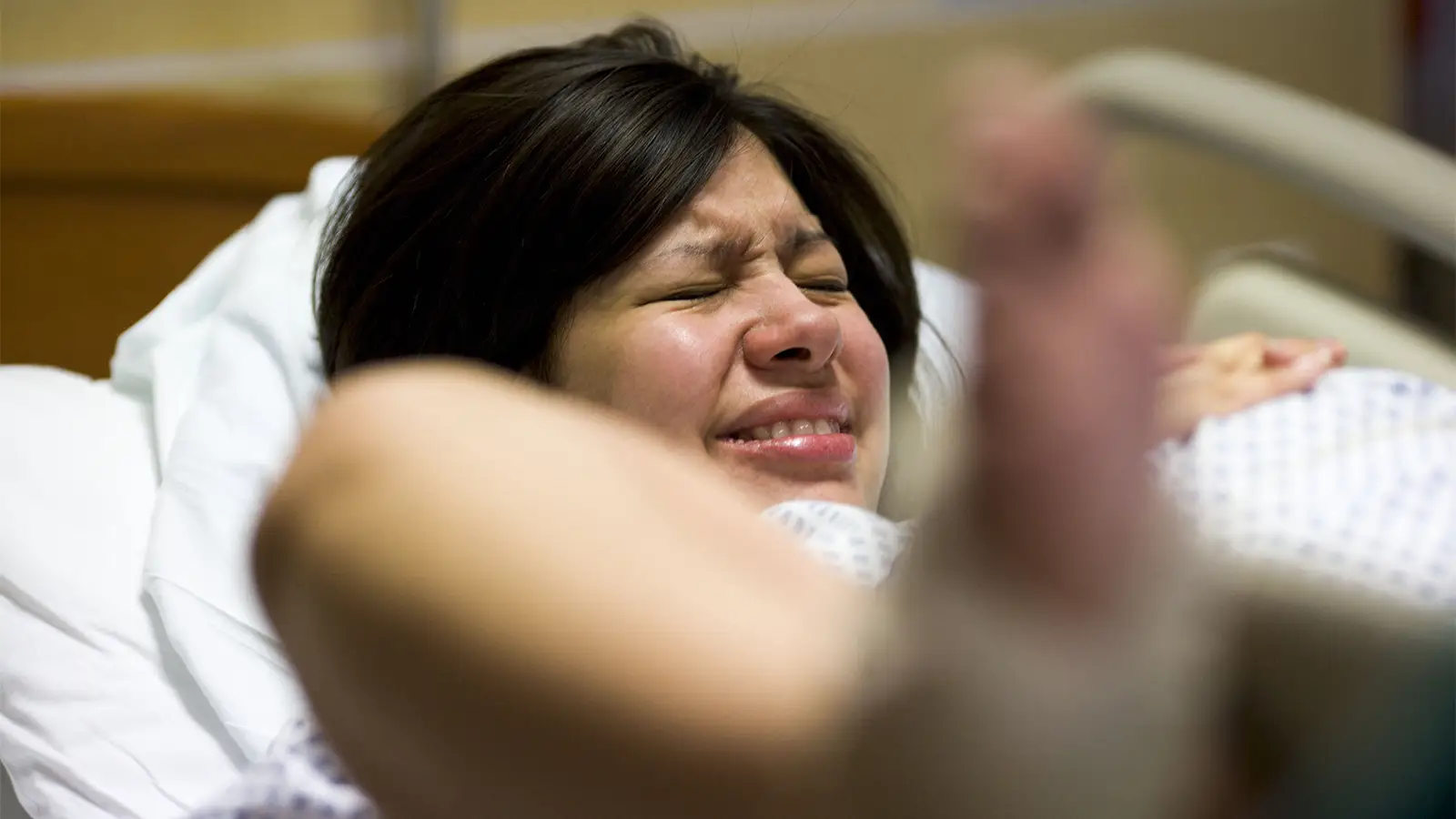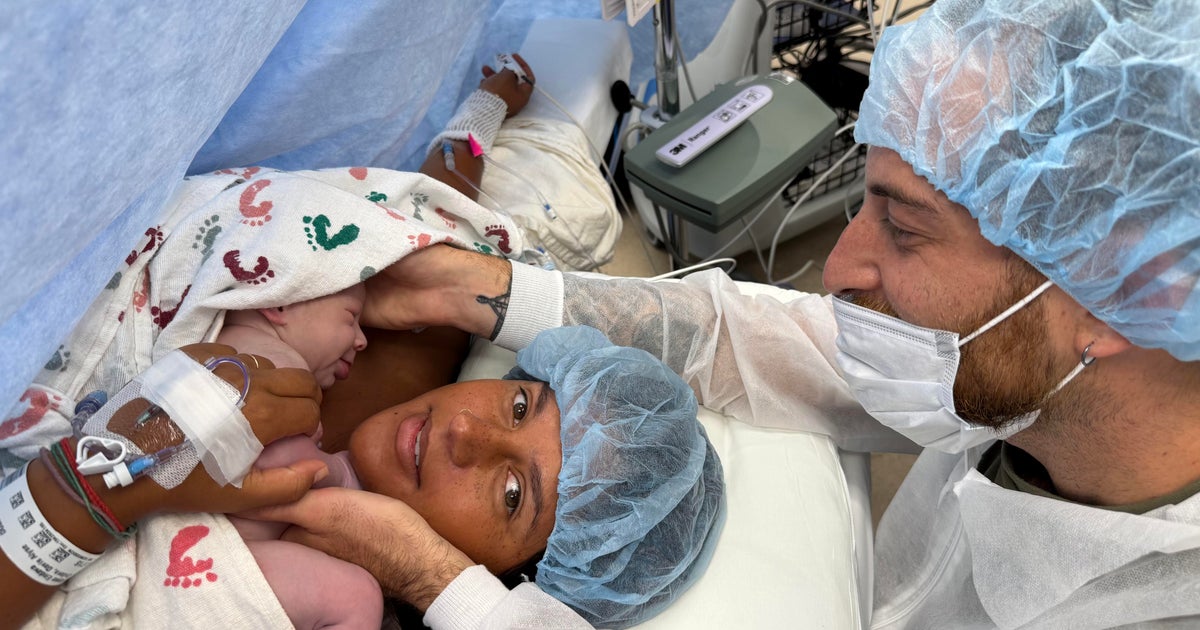
I did not plan to give birth under fluorescent lights. I did not plan to give birth numb from the chest down, or with a blue sheet between me and the lower half of my body, or to hear the words “uterine incision” spoken as casually as small talk about the weather. I had planned to bring my son into the world in water, surrounded by cedar and drumming and the steady hands of the women who had walked with me through pregnancy. I planned to roar him out, to stand on the edge of pain and power — to remember myself as an animal.
Instead, after 50 hours of labor, I found myself asking a surgeon if she would allow me to smudge her before cutting me open.
There is a particular kind of whiplash that comes from holding a ceremony in a house filled with song and steam and then waking up inside a building designed for efficiency. Hospitals are engineered to save lives, not to hold stories. They are full of machines that measure what is measurable. My people come from practices that tend what cannot be measured — breath, relationality, spirit, the unseen threads that tie us to the world. I grew up knowing these ways were not designed into the walls that surround most American births. They have survived in the bodies of those who still carry them.