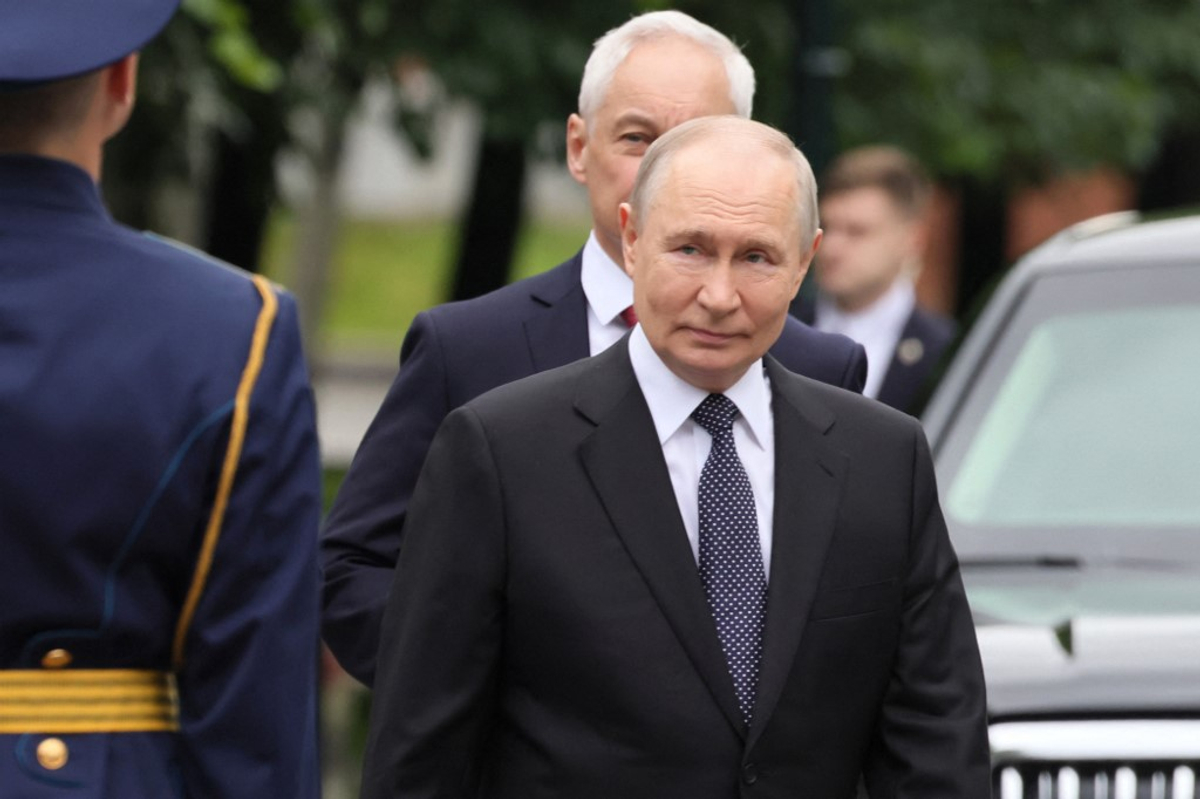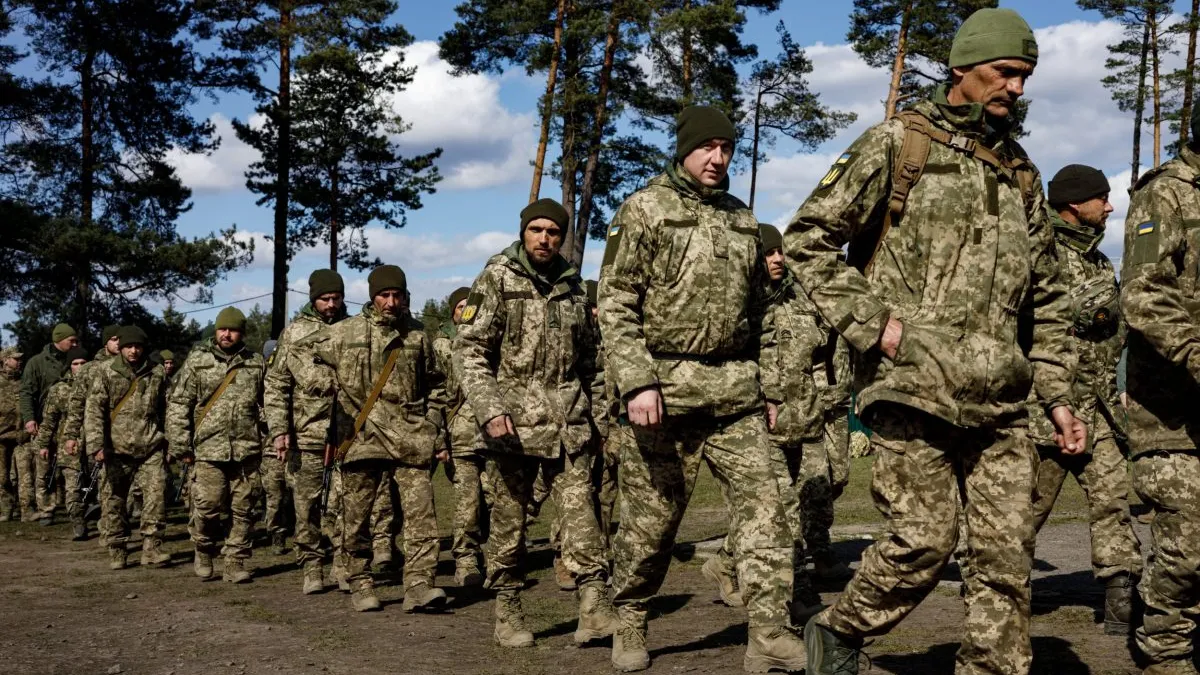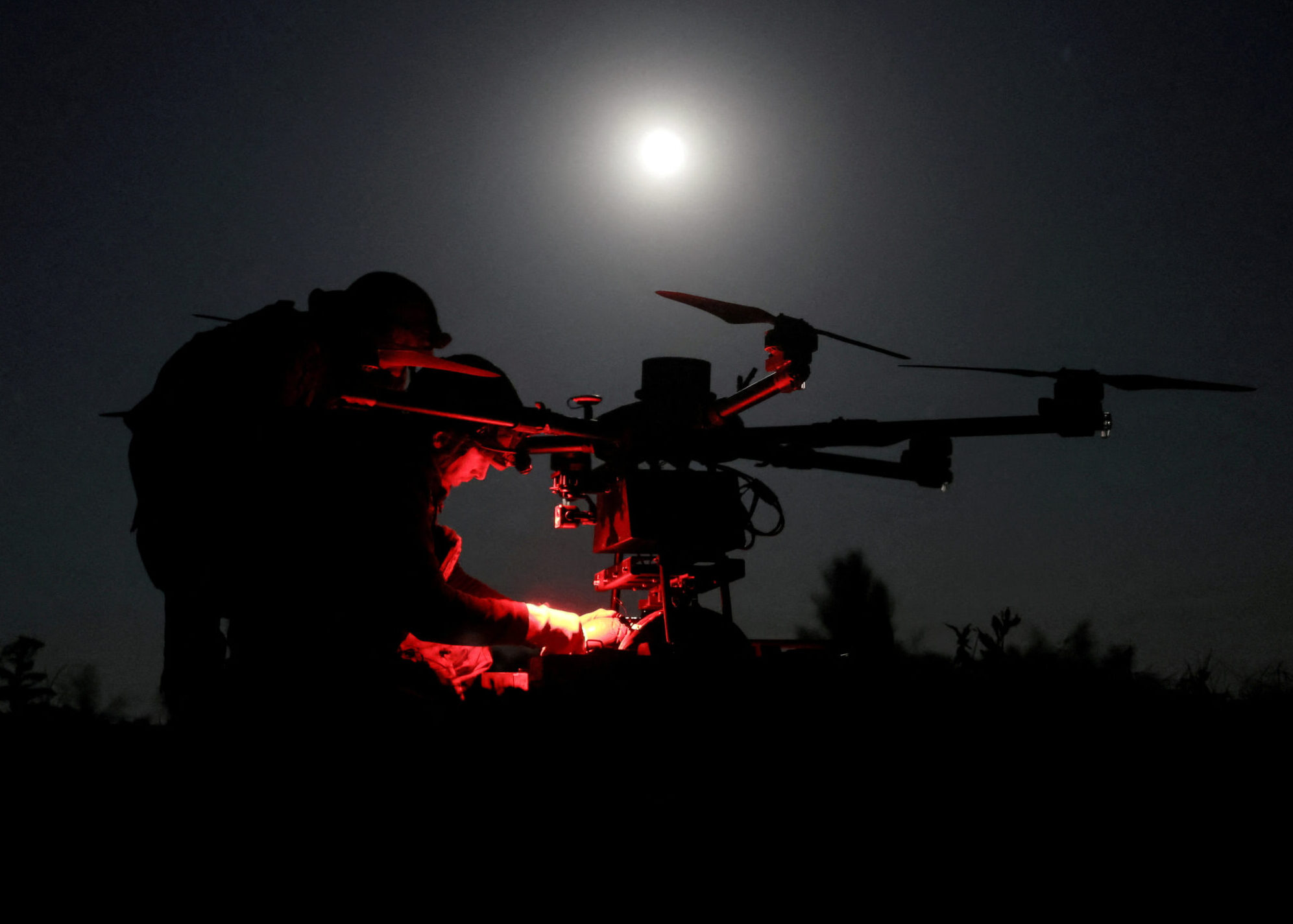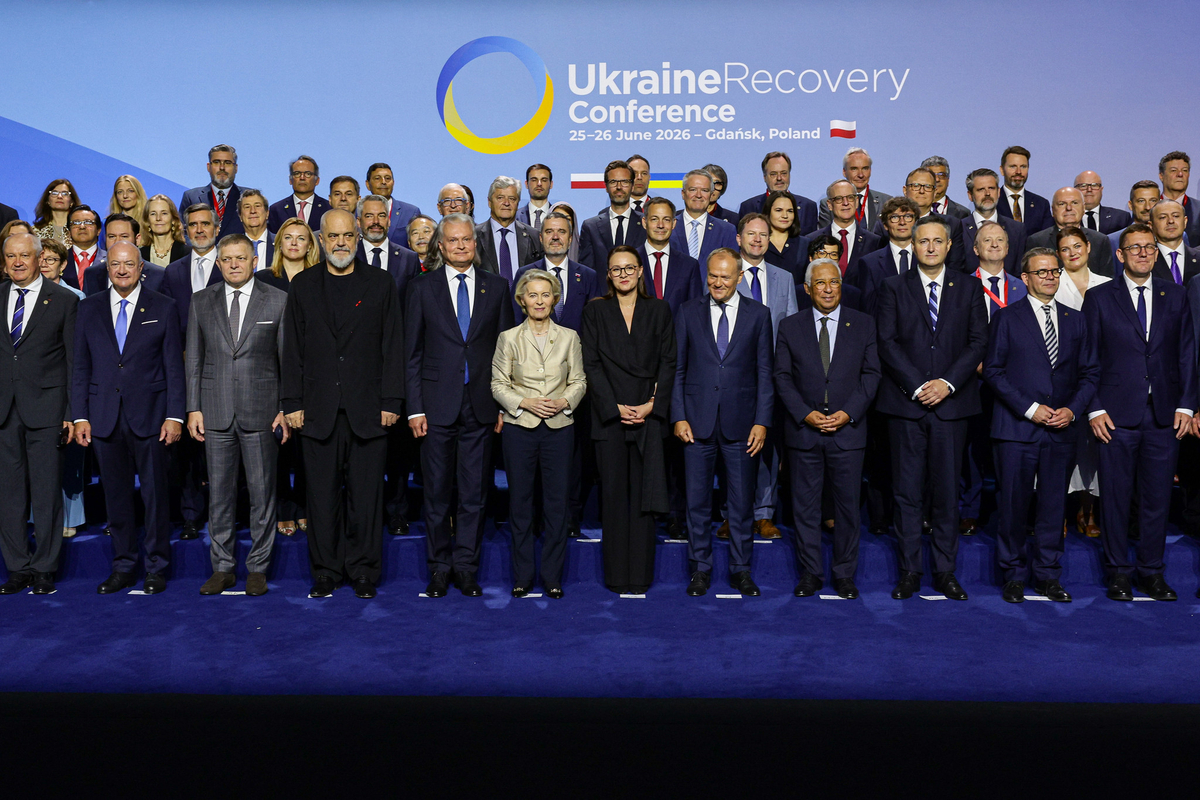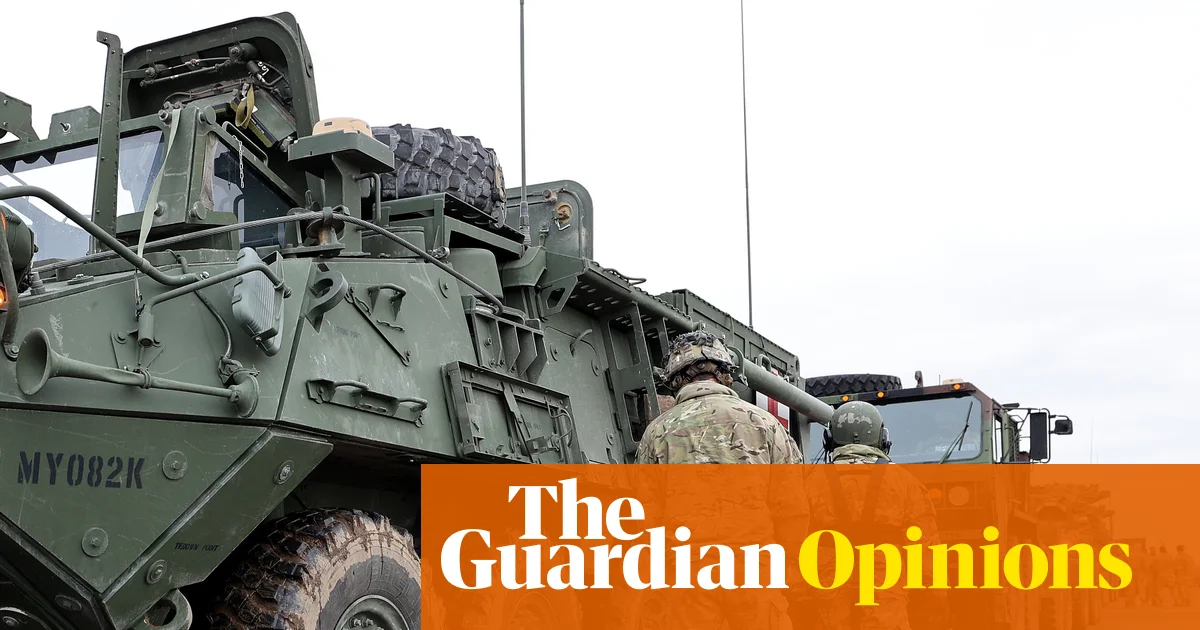
European leaders understand that conflict is closer than ever—hence the sharp rise in defence budgets, as showcased at NATO’s recent summit in Ankara. Spending is not increasing because European armies are planning to fight Russia in Ukraine: Europeans are now the main military backers of Kyiv, but such support is a small fraction of their total military spending. Nor are Europeans spending simply because Donald Trump has demanded it. They are doing so because they consider a kinetic war in Europe beyond Ukraine to be increasingly plausible. This explains why spending is proportionally higher in eastern and northern Europe, including Germany, than in southern and western European countries farther from the front line.
Since Russia’s full-scale invasion in 2022, European leaders have often expressed awe at Ukrainian resilience. But there is something else behind Europeans’ amazement: fear that they may not show the same resolve. This is not because of some inherent courage in Ukrainians which Europeans lack. It boils down to the fundamentally different predicaments, physically and psychologically, of nations in war and peace. Can the spirit needed to deter war be summoned in Europe without fully entering one?