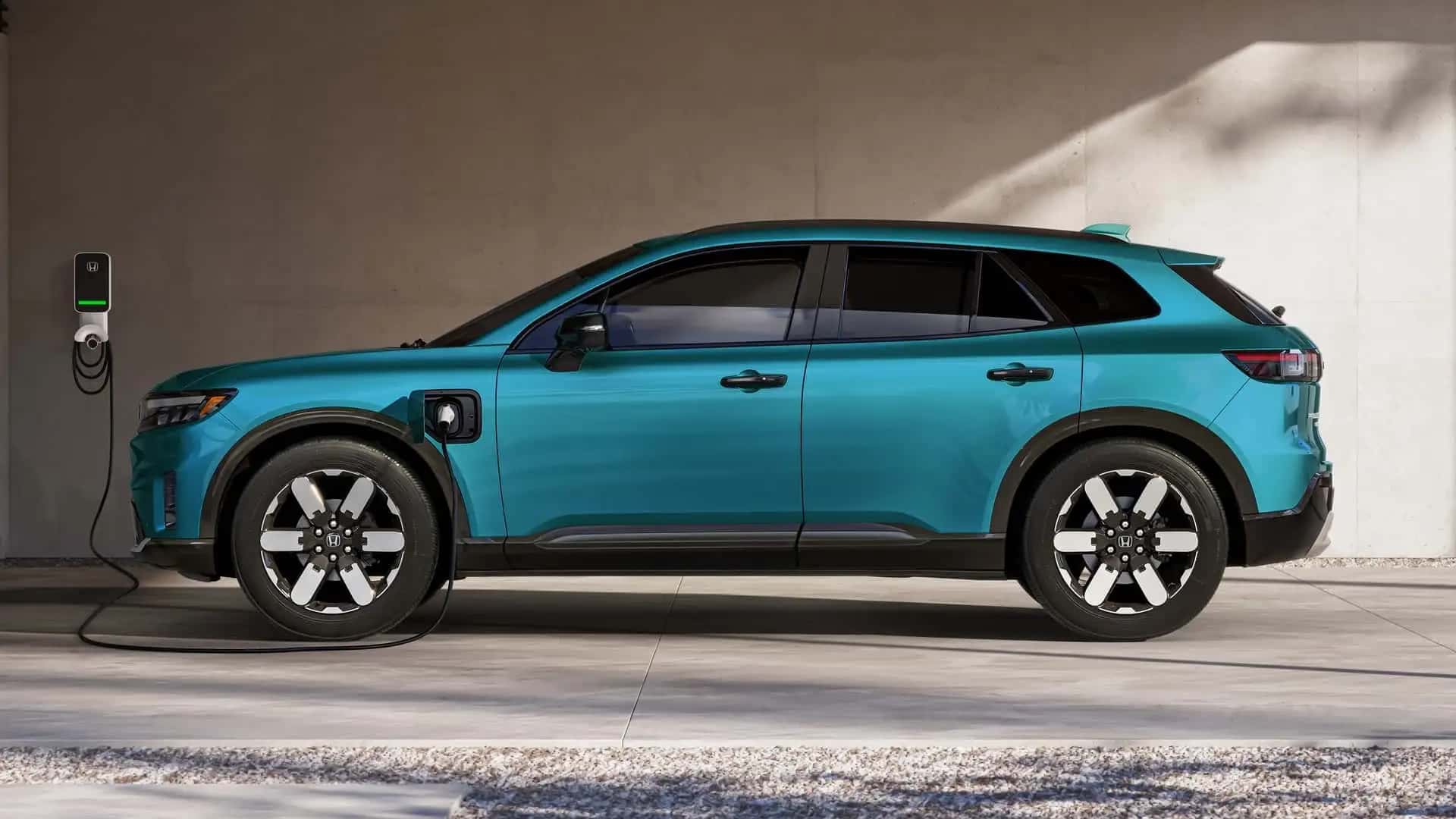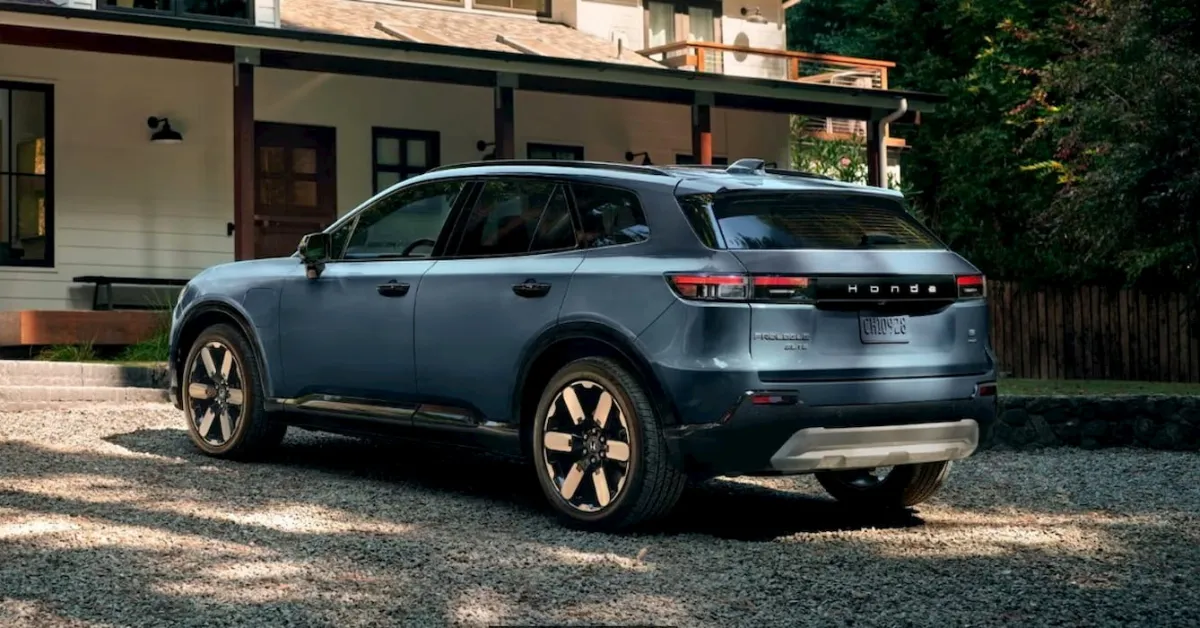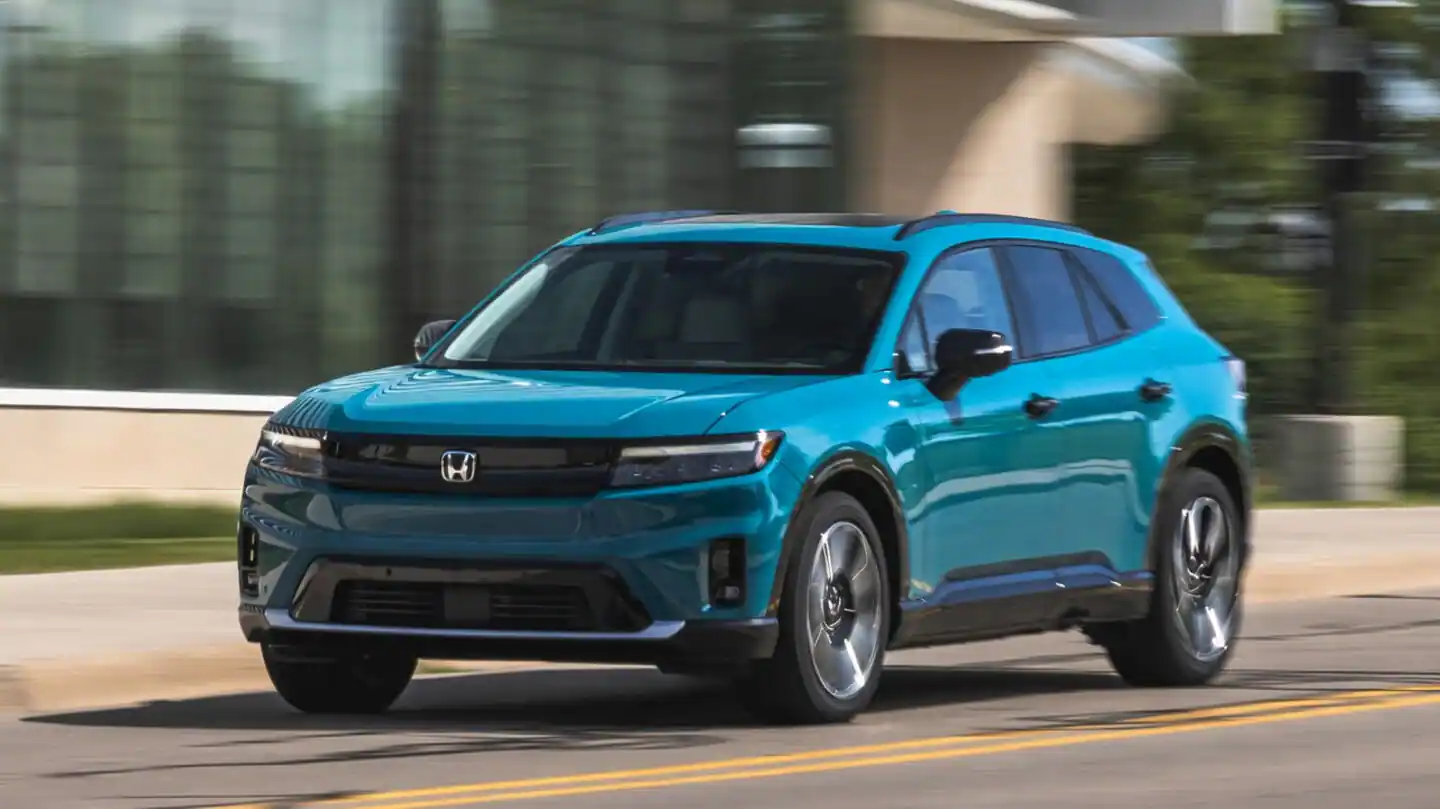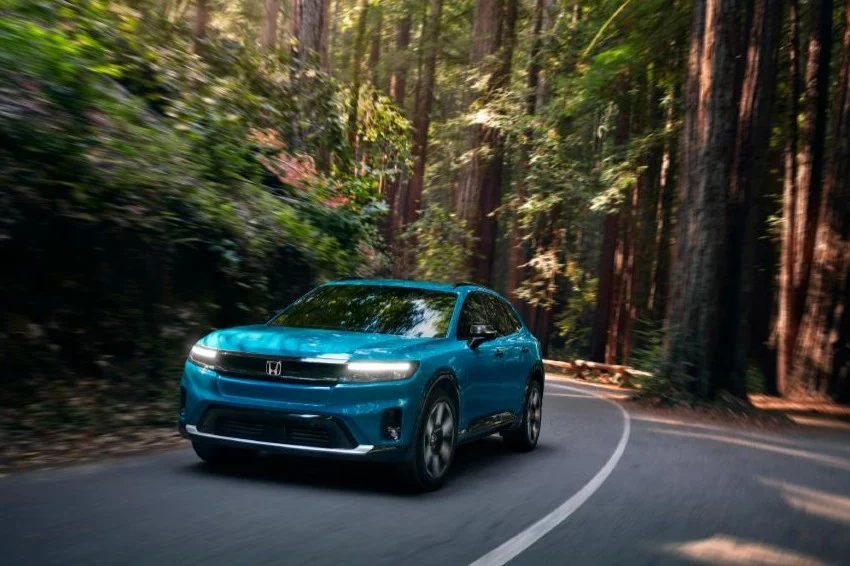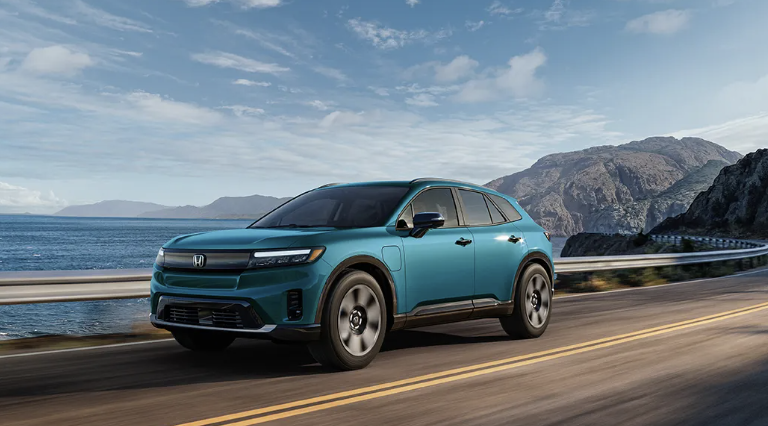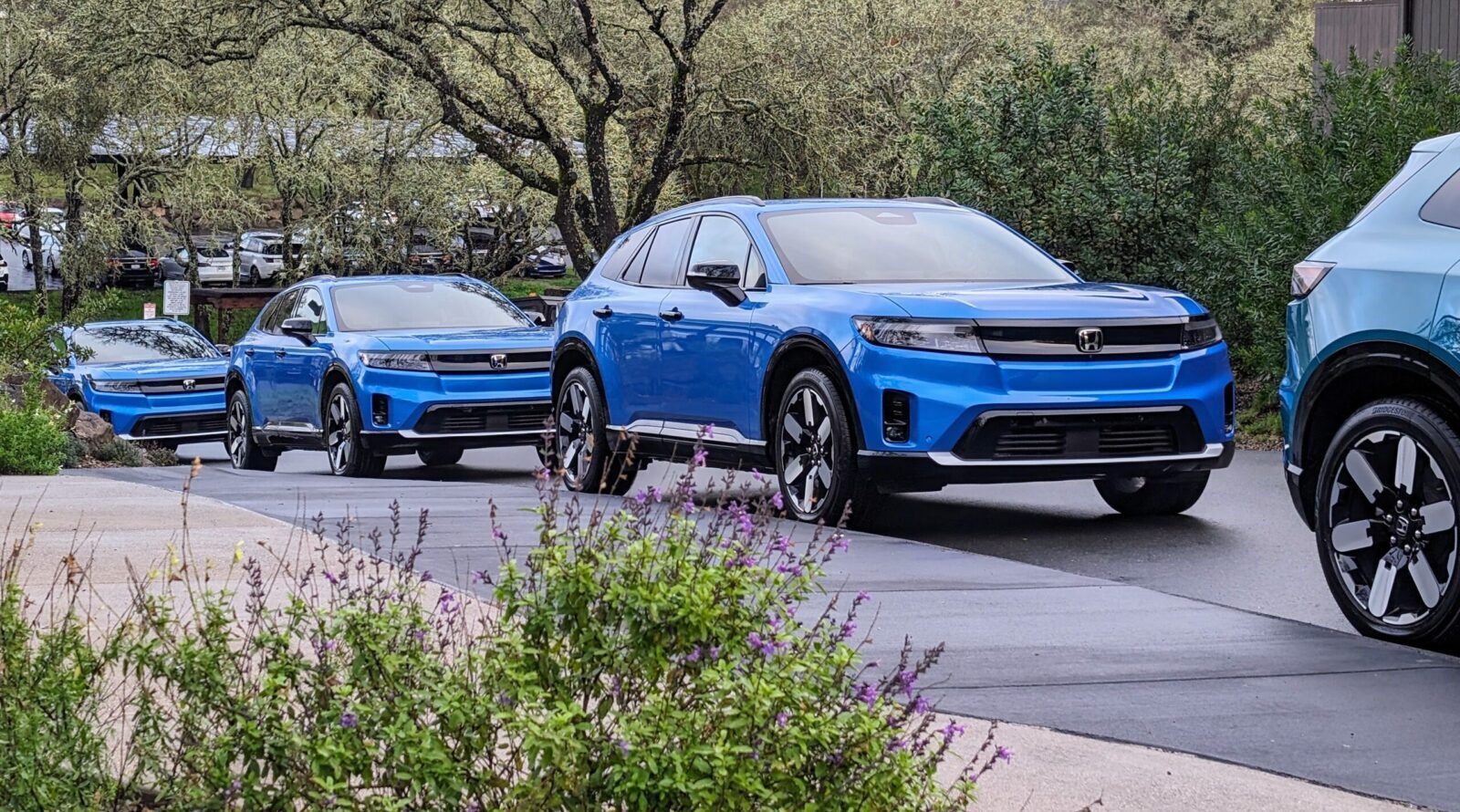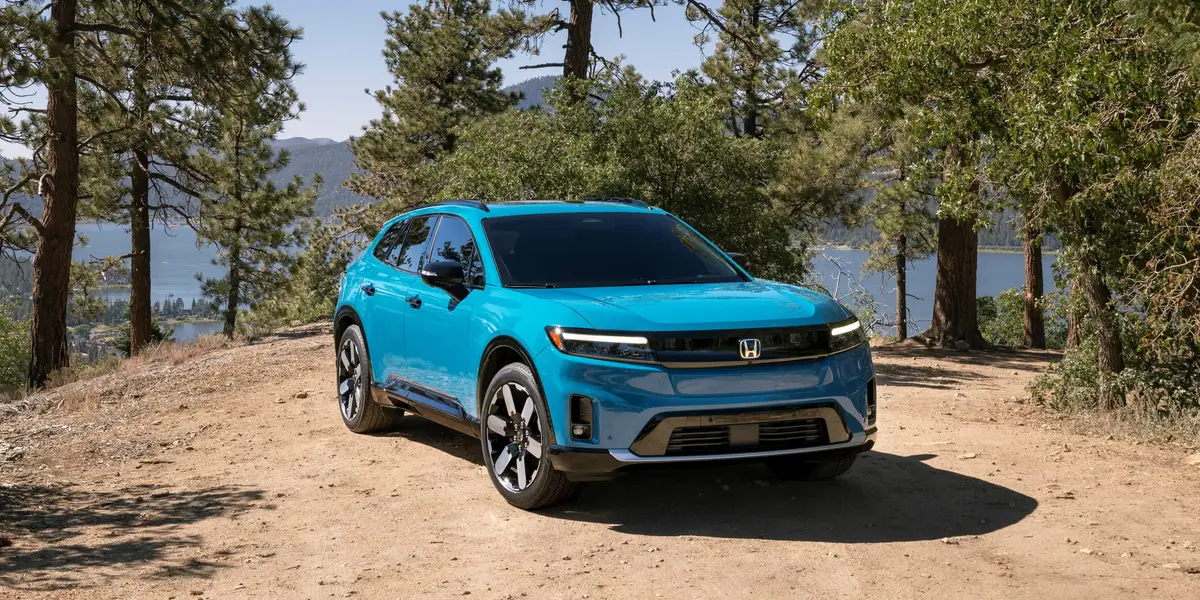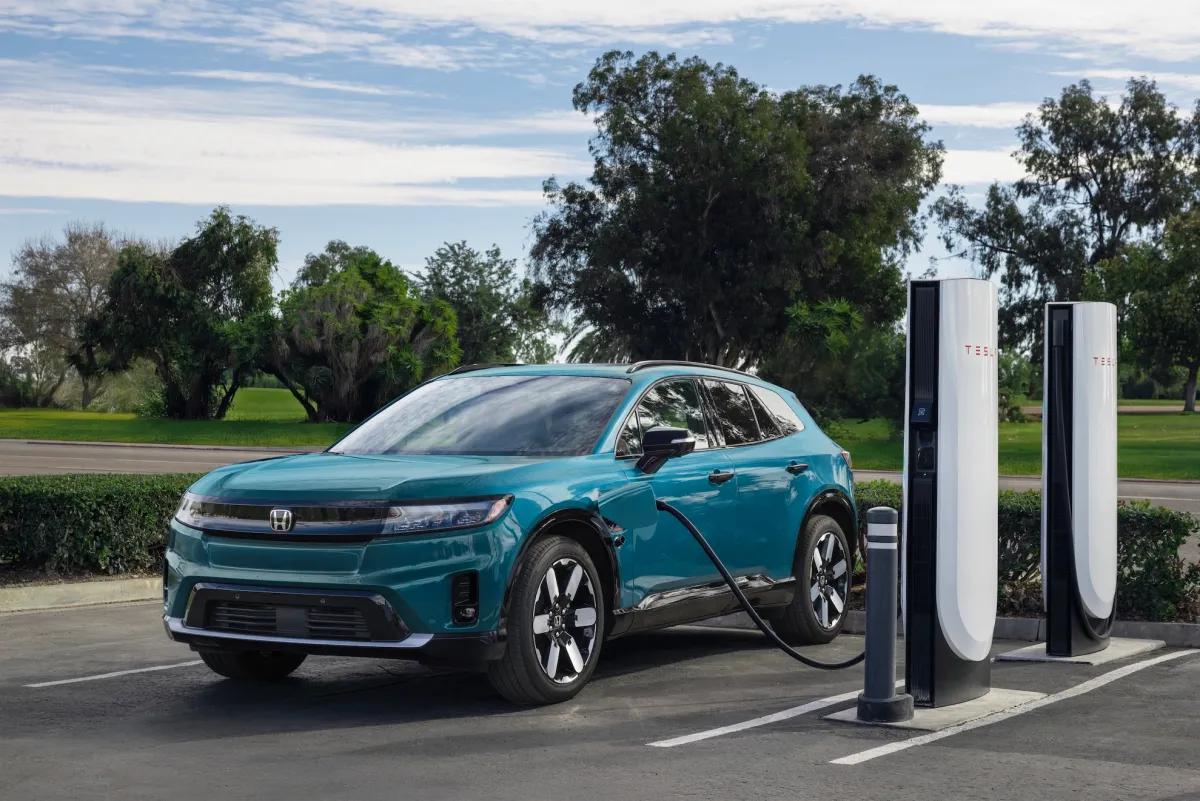
The Honda Prologue, you may have heard, is officially dead — a decision the company confirmed to TechCrunch, removing the last all-electric vehicle from the automaker’s U.S. portfolio. The Prologue’s departure signals more than Honda’s EV backpedaling. It also illustrates a broader EV industry retreat from the U.S. market (in stark contrast to the rest of the world).
The demise of the Honda Prologue got us thinking: What other EVs have left the U.S., and why?
The end of the $7,500 federal tax credit had an outsized effect on EV sales in the United States. But there are other reasons behind the winnowing choices, including tariffs, changing consumer tastes, costs, company priorities, and regulatory action. According to data published in July by Kelley Blue Book and Cox Automotive, 247,226 EVs were sold in the second quarter or about 5.8% of the total market. While EV sales grew between the first and second quarters of 2026, they are still down from the same period last year (and before that tax credit ended in fall 2025).
Still Americans are still buying EVs, and there are new EVs entering the U.S. market — the Rivian R2 is one example. And there are signs of a slow recovery. Fourth quarter 2025 sales were 36% lower than the same period in 2024. This year that gap has narrowed, albeit still below sales figures from the previous year. For example, EV sales in Q2 were 20.5% lower than the same period in 2025.