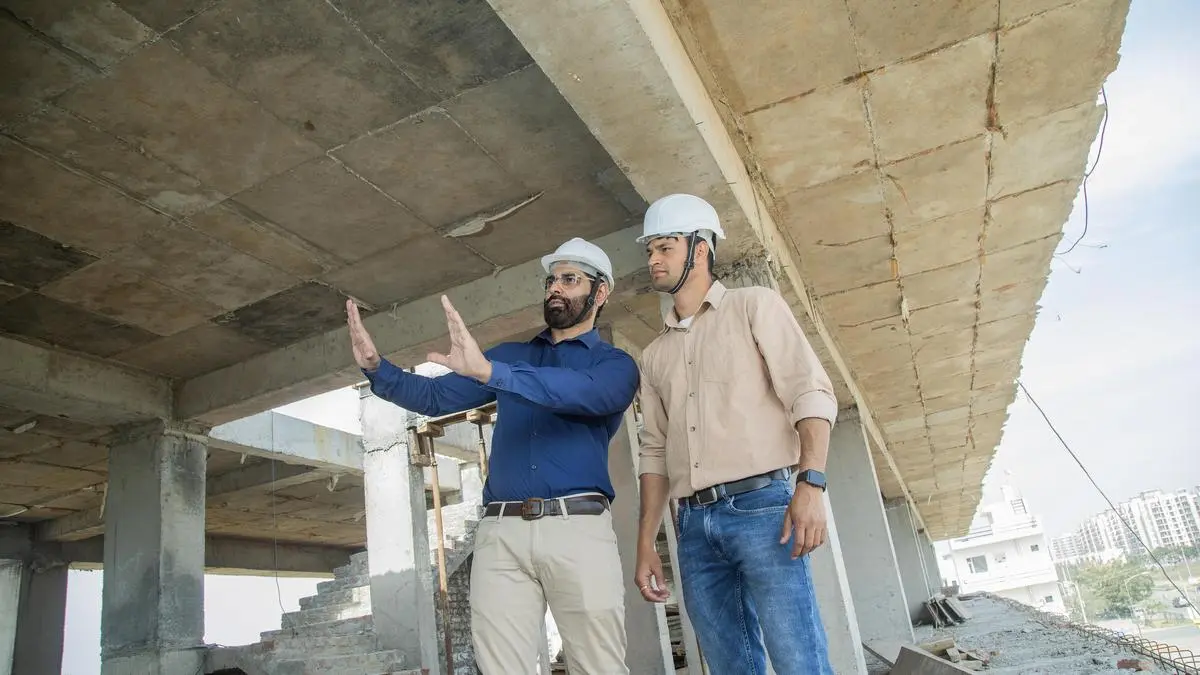
India’s ageing apartment stock is creating the next major opportunity in urban real estate. According to the 2011 Census of India, nearly 31 per cent of India’s urban housing stock was more than 20 years old. Today, that proportion is significantly higher, especially across tier-I cities. Across Mumbai, Delhi-NCR, Bengaluru, Chennai, Hyderabad, Pune and Kolkata, thousands of such residential and commercial buildings — constructed between the 1960s and 1990s — are reaching the end of their intended design-life, thereby showing signs of structural ageing, and are becoming increasingly expensive to maintain.Simultaneously, changing development regulations, higher permissible floor space index (FSI) and increasing land values have made redevelopment one of the fastest-growing segments of India’s housing market.What is redevelopment?What specifically qualifies as redevelopment may vary according to statute in each State, but at its core, redevelopment refers to the demolition of an existing multi-owner residential, commercial or mixed-use building and the construction of a new project on the same land-parcel. The new development typically offers improved structural standards, modern amenities and, owing to prevailing planning regulations, a larger built-up area than the original structure. Unlike conventional greenfield developments, redevelopment unlocks the potential of already-developed urban land without expanding the city’s footprint.The economics of redevelopmentThe foundation of any redevelopment project lies in the exchange between apartment owners and the builder.In some States such as Tamil Nadu, apartment owners typically transfer a portion of their undivided share (UDS) of land to the builder. In return, they receive a newly constructed apartment—often with improved specifications and, in many cases, without making a significant additional financial contribution. The builder consolidates the transferred UDS and monetises the project by selling the additional apartments created through the higher-permissible FSI.In Maharashtra, for example, the economics revolve around development rights offered by the cooperative housing society to the builder.The legal frameworkWhile redevelopment is governed by State-specific laws, several States have introduced legal frameworks to simplify collective decision-making. Maharashtra has long-established cooperative housing redevelopment regulations, Tamil Nadu introduced redevelopment provisions under the Apartment Ownership Act, and several other States are gradually strengthening their legal frameworks. The common objective is to balance the interests of apartment owners, builders and urban planning authorities while avoiding delays arising from unanimous consent requirements.For example, in Tamil Nadu, a major policy development has been the implementation of the Tamil Nadu Apartment Ownership Act, 2022, along with the redevelopment rules that came into force in September 2024. The framework provides a legal mechanism under which redevelopment can proceed with the consent of at least two-thirds of apartment owners, replacing the earlier practical challenge of securing unanimous approval.Key triggers to consider redevelopmentSeveral practical factors are prompting apartment associations to evaluate redevelopment.* Many older apartment complexes experience frequent flooding during the heavy rains, as surrounding road levels have risen over time. Basement and ground-level parking areas are particularly vulnerable, often resulting in damage to vehicles.* Older buildings also frequently lack amenities that have become standard in modern housing, including lifts, CCTV surveillance, adequate fire safety systems, reliable power back-up and sufficient parking.* Maintenance expenditure continues to rise as buildings age, while recurring repairs often provide only temporary relief. In some cases, structural deterioration raises legitimate concerns about long-term safety.* Redevelopment often leads to a significant appreciation (1.5-2x) in property values for an apartment owner from a combination of higher value per sq ft and increase in super built-up area for the apartment owner.These considerations are encouraging apartment owners to examine redevelopment as a long-term solution.Points to noteThere are a few things that apartment owners should ensure in their pursuit of redevelopment:* Ensure the apartment owners’ association/housing society, as the case may be, is duly registered with the concerned competent authority* Build broad consensus among owners. The required majority of apartment/unit owners should support the redevelopment proposal before moving ahead.* Ensure that all apartments and the underlying land have clear, marketable title to avoid legal hurdles during redevelopment.* Assess redevelopment feasibility. Evaluate the project’s financial viability by considering factors such as: Existing FSI; permissible and achievable FSI under prevailing development regulations; premium FSI costs (Premium FSI is a paid upgrade that lets builders pay a certain fee to obtain approval for constructing additional space over and above the basic FSI and is subject to other guidelines and conditions being satisfied); indicative revenue-sharing ratio between the builder and land-owners, and prevailing market prices in the locality.* Offer evaluation, builder selection and contract finalisation process:# Builders’ offer needs to be evaluated on multiple commercial parameters such as proposed sharing ratio of the super built-up area, rental allowance, GST implications, etc. For example, the proposed owner:builder sharing ratio (in per cent) can typically vary from 40:60 to 75:25, primarily based on the prevailing market value of the land in the location under consideration. Higher the value of the land, greater the apartment owners’ share of the saleable area.# In addition to comparing the offers and commercial terms from various builders, apartment owners will have to perform thorough and objective due-diligence of the builders under consideration based on factors such as builder’s pedigree and goodwill in the market, past track-record in redevelopment, financial health, quality of construction, proposed specifications, pending litigations, etc. Apartment associations and/or apartment owners can consider engaging a redevelopment consultant/advisor who will be able to objectively guide the association in this process and ensure the apartment owners’ interests are protected. Such consultants/advisors can also guide apartment owners on drafting and executing a balanced redevelopment contract with the chosen builder, thereby ensuring all stakeholders’ interests are protected in a fair manner.For apartment owners, redevelopment should not be viewed merely as a real estate transaction. It involves complex legal, financial and technical considerations, making transparent governance, professional due diligence and equitable negotiations critical to ensuring successful outcomes for all stakeholders.The writer is Founder and Principal Advisor at Prapanja, a real estate advisory firmPublished on July 18, 2026
Blueprint For A Successful Redevelopment
Unlock the potential of ageing apartments through strategic redevelopment, balancing legal, financial, and technical considerations for success.
975 words~4 min read