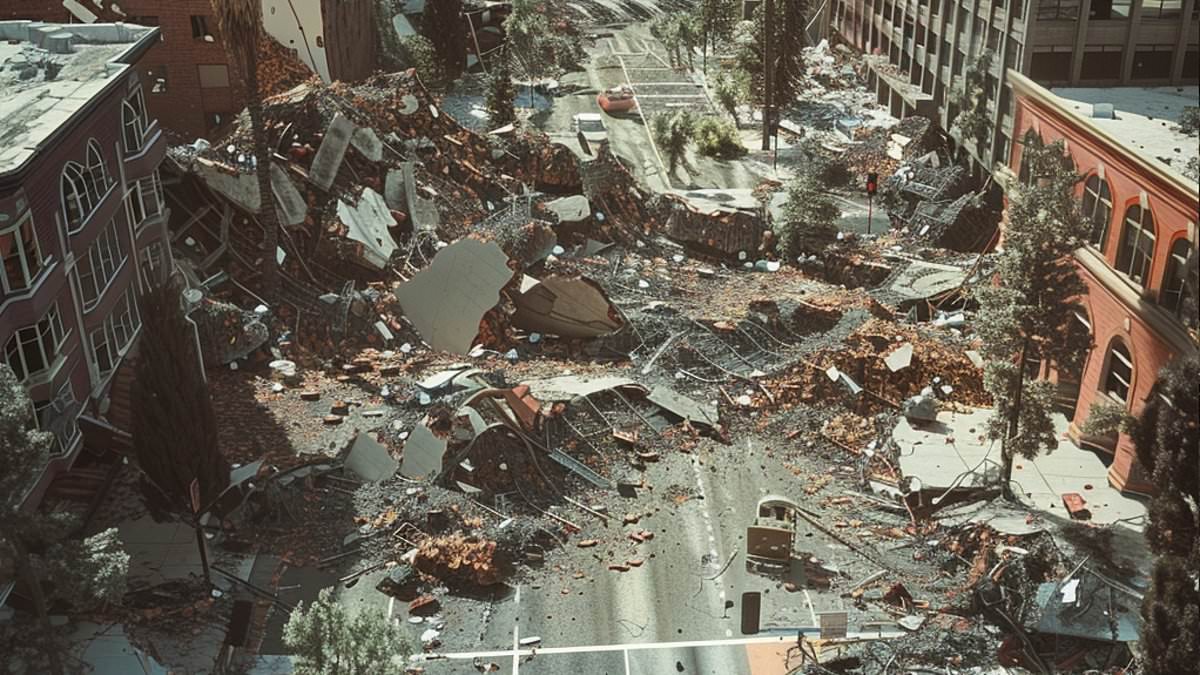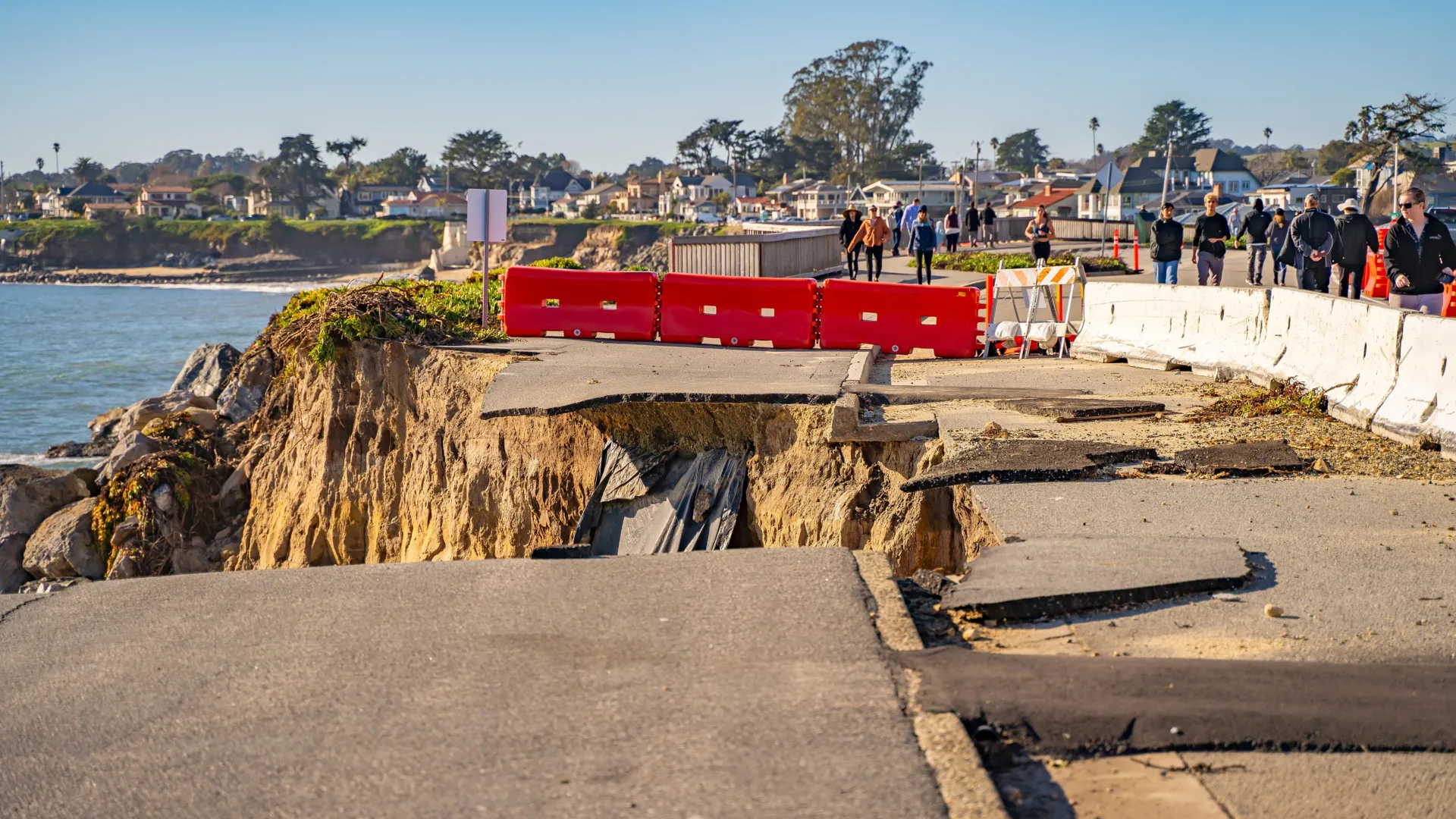
When the massive subduction zone off the Pacific Northwest finally shifts, the results can be catastrophic. A magnitude 9 or greater earthquake would unleash intense ground shaking, along with tsunamis and landslides that amplify the destruction. Now, a study published in Geosphere suggests this long-feared "really big one" may not act alone. It could also set off a powerful earthquake along California's San Andreas Fault.
"It's kind of hard to exaggerate what a M9 earthquake would be like in the Pacific Northwest," says Dr. Chris Goldfinger, a paleoseismologist at Oregon State University and lead author of the study. "And so the possibility that a San Andreas earthquake would follow, it's movie territory."
Tectonic Forces Shaping the Pacific Coast
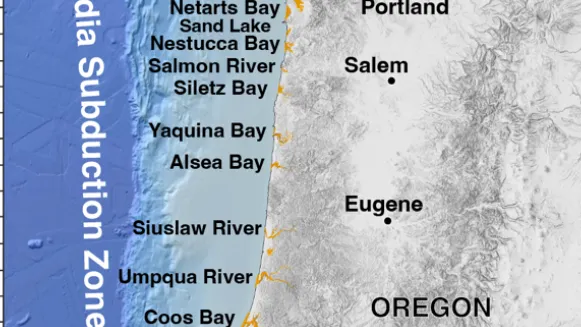
The western edge of the United States sits atop a complex system of tectonic boundaries. North of Cape Mendocino, California, the Juan de Fuca plate is being forced beneath the North American plate, forming the Cascadia megathrust. South of that point, the Pacific and North American plates slide past one another along the San Andreas Fault, periodically producing major earthquakes such as the devastating 1906 San Francisco event.
If these two systems were to rupture close together, it would significantly change how scientists assess earthquake risk along the West Coast.