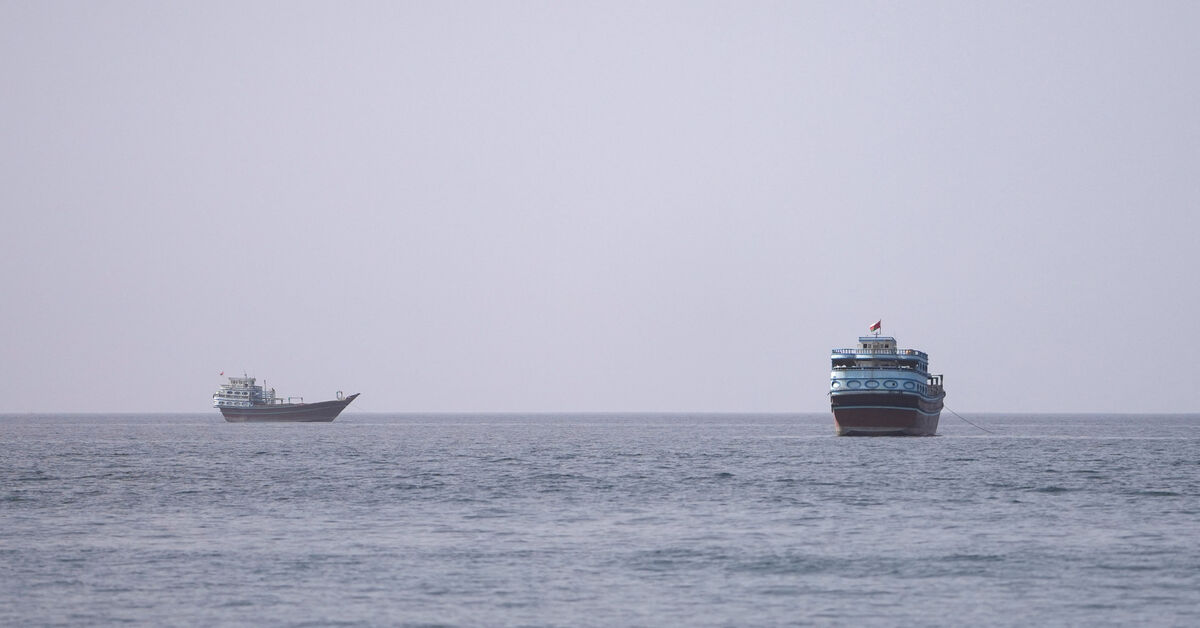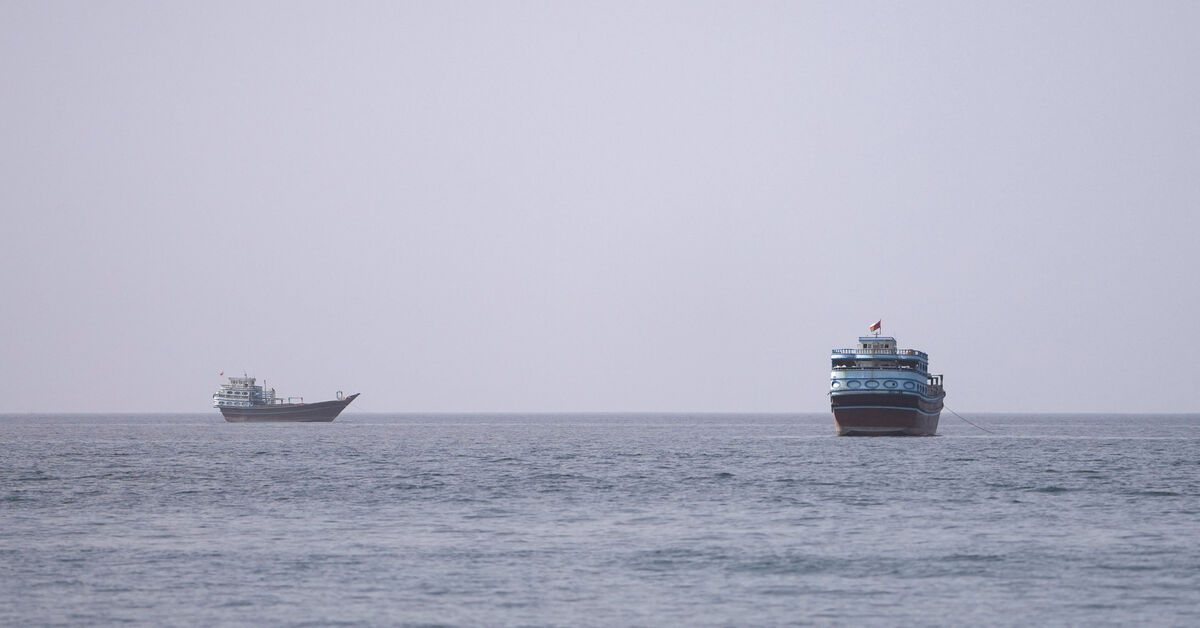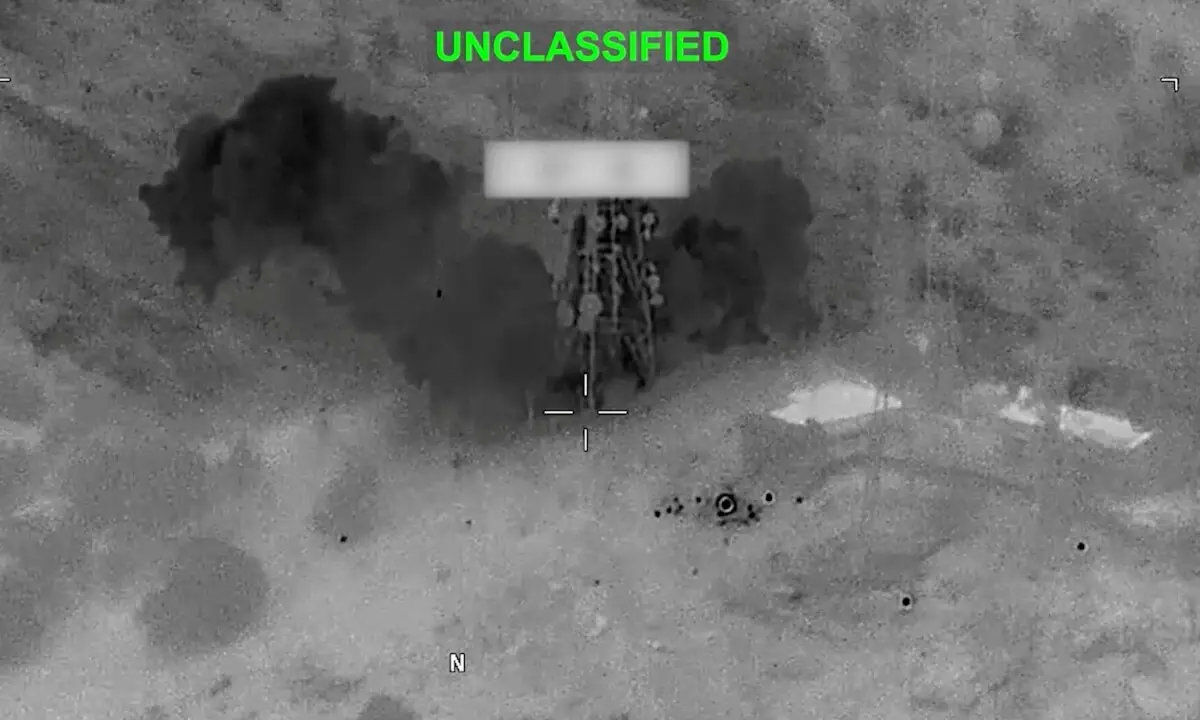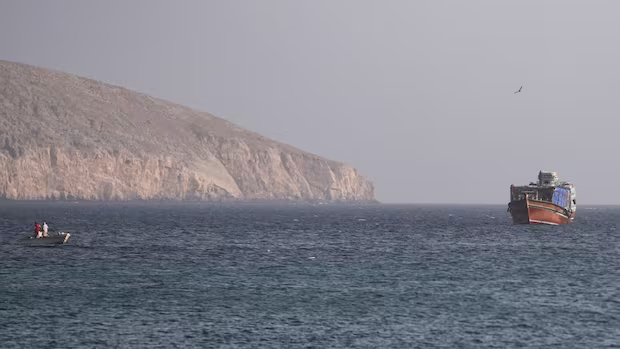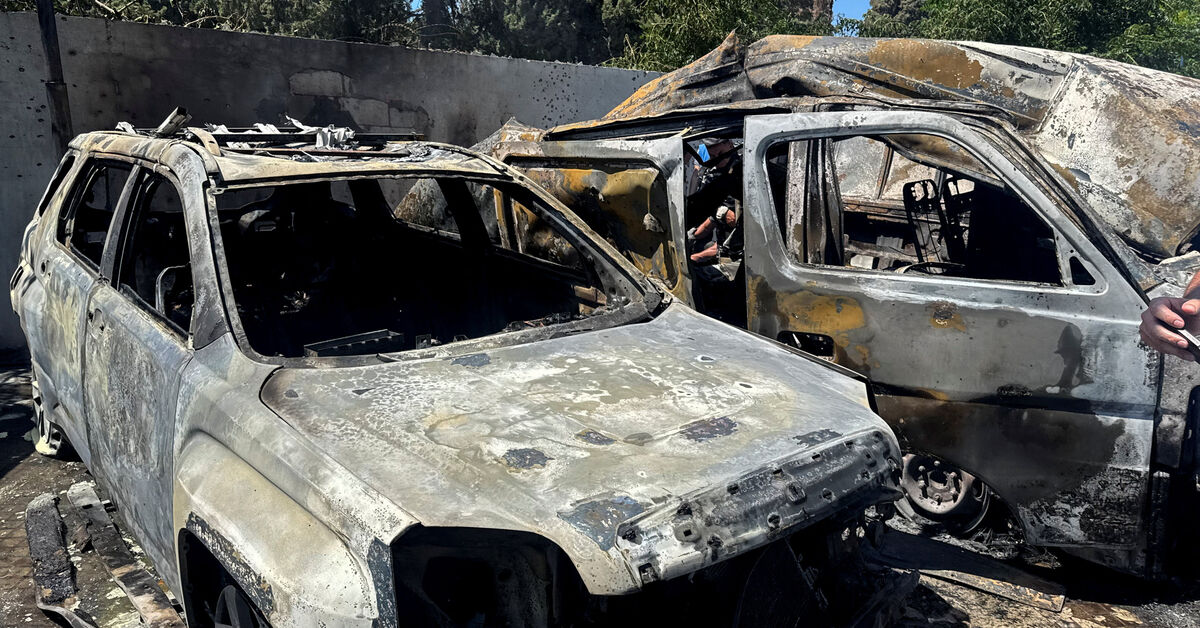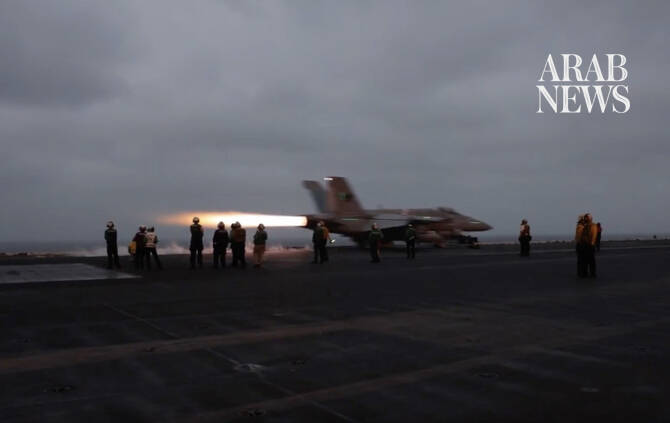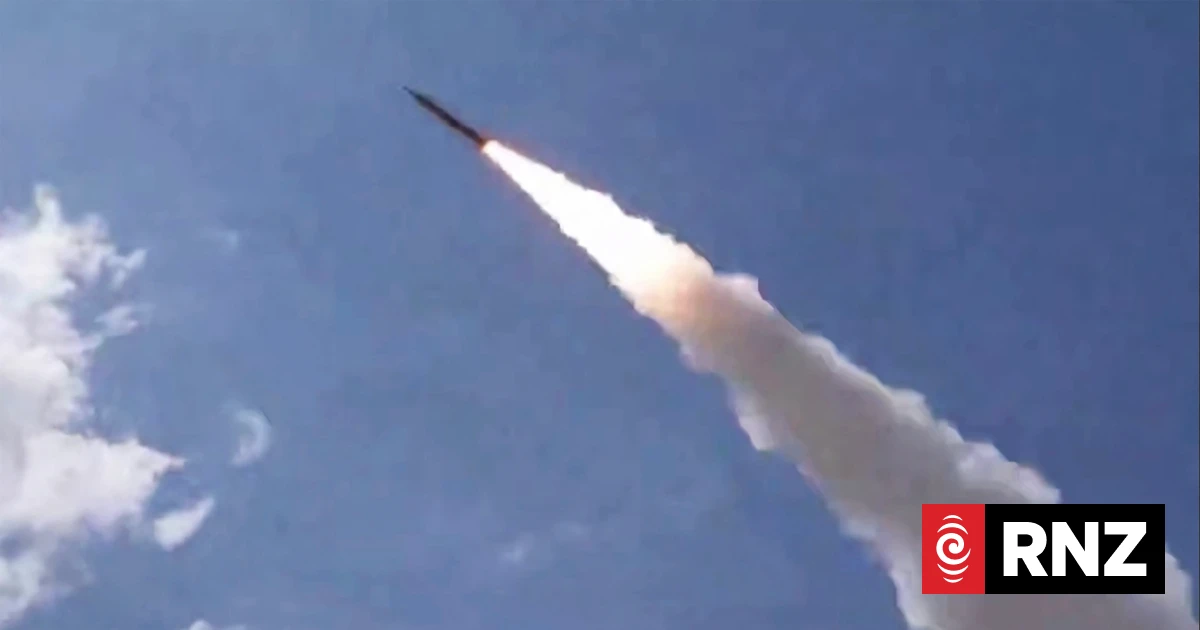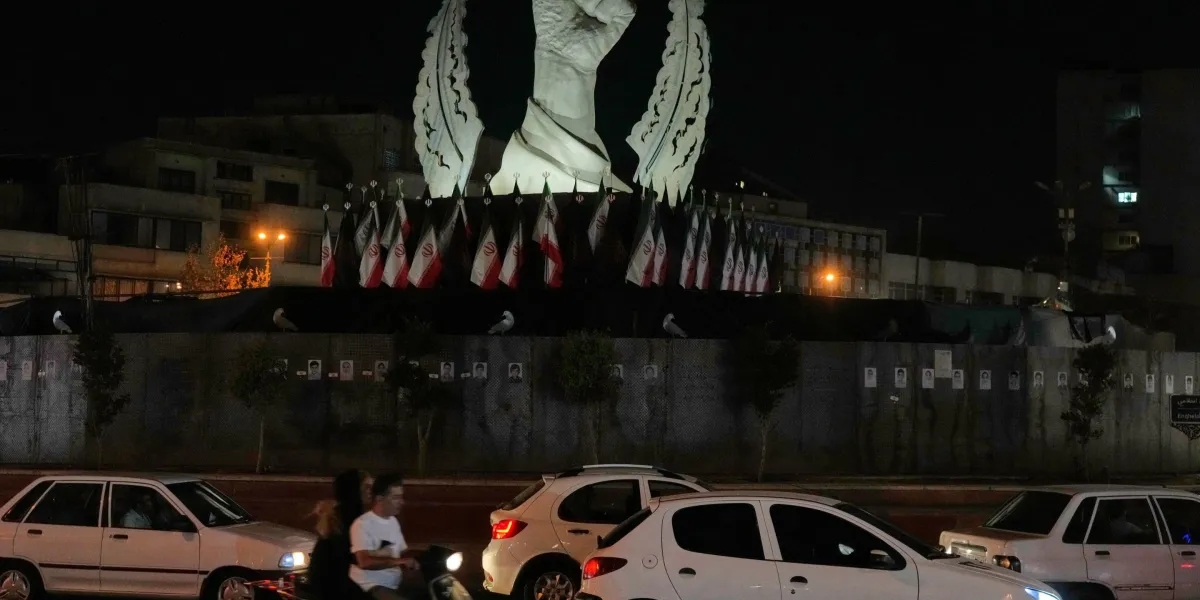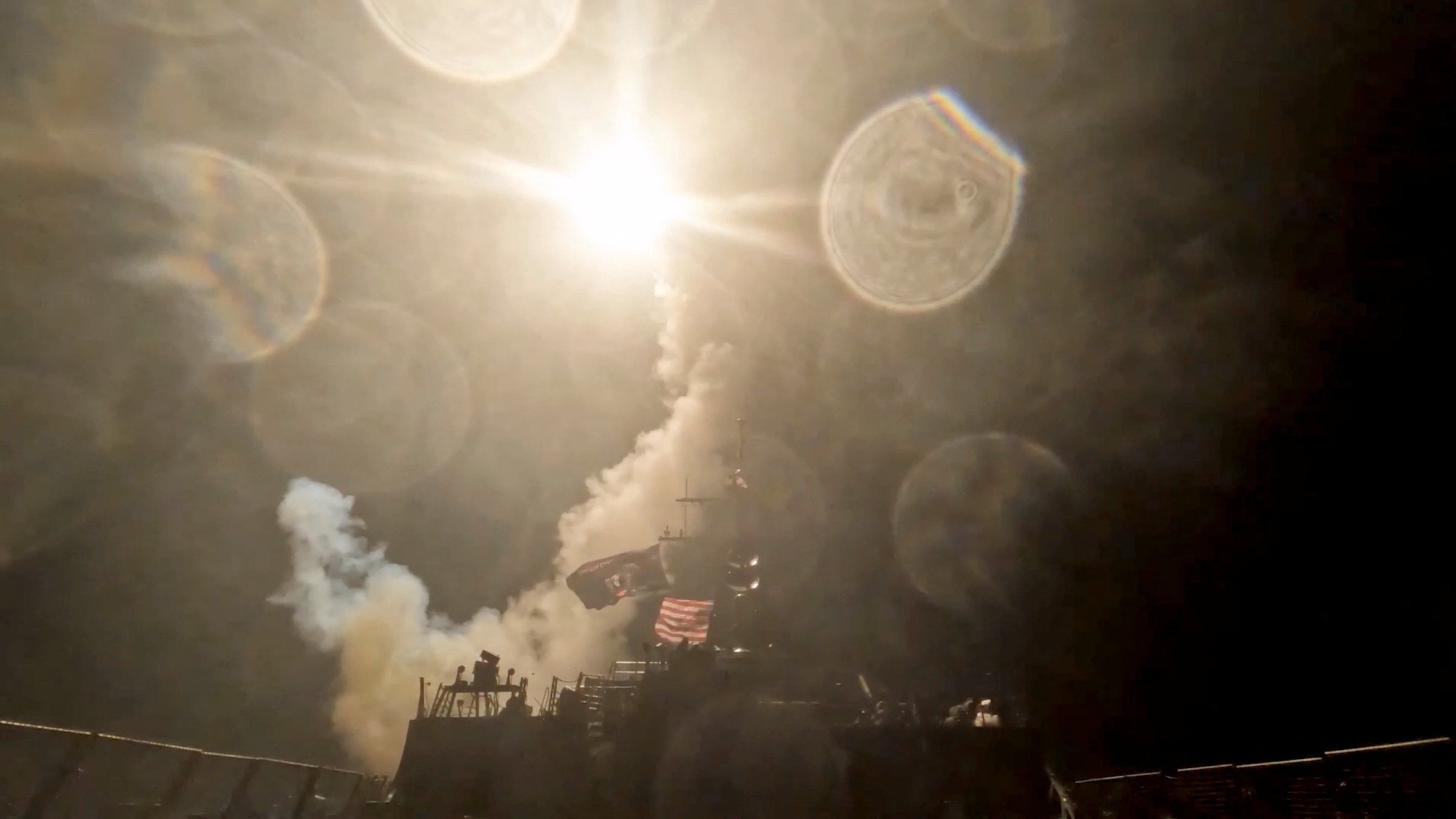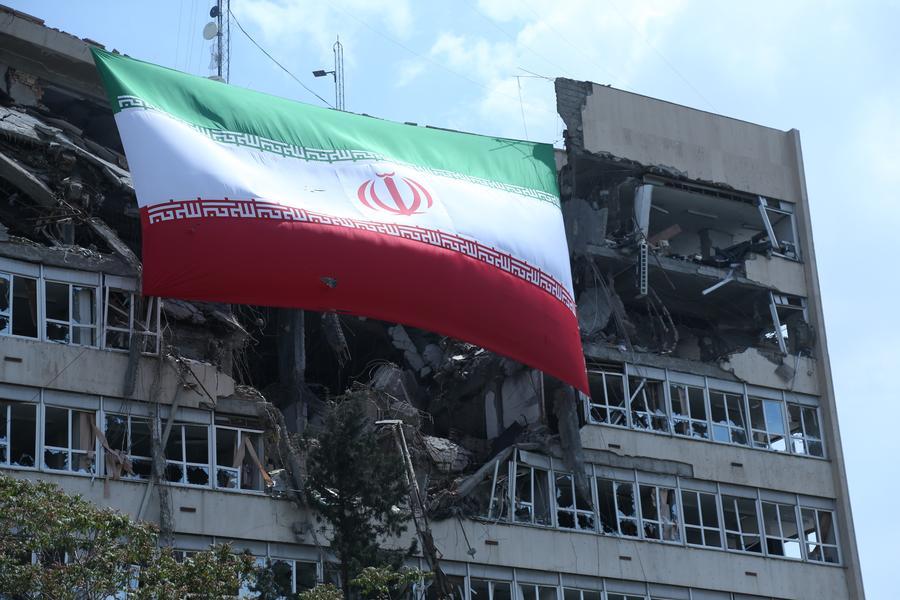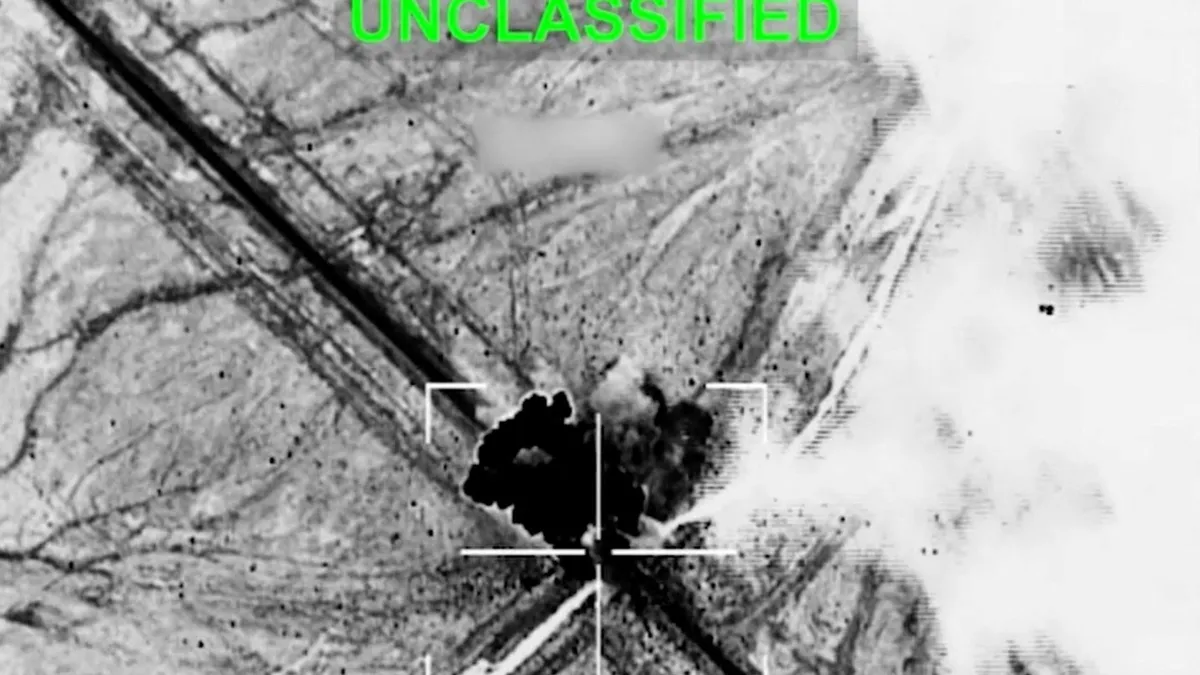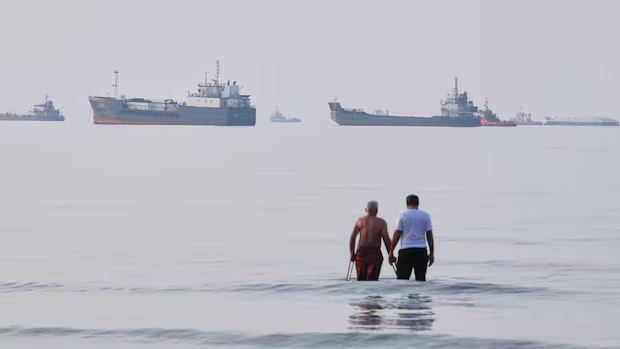
World·NewIran launched more attacks on Washington's Gulf allies on Saturday after a seventh straight night of U.S. strikes targeting Iranian military sites including logistics facilities, escalating the war one week after a ceasefire fell apart.Latest wave of attacks reportedly damaged civilian infrastructureThomson Reuters · Posted: Jul 18, 2026 8:22 AM EDT | Last Updated: 30 minutes agoListen to this articleEstimated 4 minutesThe audio version of this article is generated by AI-based technology. Mispronunciations can occur. We are working with our partners to continually review and improve the results.Two men wade in the waters of the Strait of Hormuz with vessels anchored in the background off Bandar Abbas, Iran, on Sunday. (Razieh Poudat/The Associated Press)Iran launched more attacks on Washington's Gulf allies on Saturday after a seventh straight night of U.S. strikes targeting Iranian military sites, including logistics facilities.The exchange of attacks escalates the war one week after a ceasefire fell apart.Kuwait came under sustained attack, with a desalination plant hit and operations at Kuwait International Airport suspended due to repeated missile and drone threats.Iran's Islamic Revolutionary Guard Corps said they struck a U.S. military support centre at Camp Arifjan and destroyed a radar facility at Ali Al Salem Air Base in Kuwait.The IRGC also targeted a site in Bahrain where U.S. combat aircraft were gathered at Sheikh Isa Air Base and an intelligence data centre, Iranian state media reported.WATCH | Civilian infrastructure reportedly struck amid escalations:Iran says U.S. struck civilian infrastructure in 6th night of strikesJuly 17|Duration 3:36Iranian media says U.S. attacks killed several people, destroyed bridges and hit a train station. The U.S. says it struck military logistical infrastructure.The Guards said they had also destroyed at least two U.S. fighter aircraft and three other aircraft during a missile and drone attack early Saturday on the U.S. base in Al Azraq, Jordan, according to Iranian state TV.Reuters was not able to verify the reports.Oil prices soar to highest in a month"Since there is no international institution to prevent the savagery of the U.S. military, we have no path before us except the Quranic command: ‘Whoever attacks you, attack them in the same manner,'" the IRGC said in a statement warning U.S. allies in the region to expect more strikes.VideoIran targets Gulf countries after intense U.S. strikesOn Friday, both sides took aim at shipping traffic, with the U.S. saying it was enforcing a naval blockade while Iran said it targeted vessels that violated its rules on navigating the Strait of Hormuz, the vital waterway for one-fifth of the world's oil supply.Oil prices climbed more than four per cent on Friday to their highest level in more than a month, applying political pressure on U.S. President Donald Trump as his Republican Party tries to maintain power in November's congressional elections.Desalination facilities hit in regionWashington and Tehran have been testing the limits of escalation since their ceasefire agreement collapsed last week, raising the prospect of a return to all-out war.Civilian infrastructure was increasingly being subjected to attack despite concerns about potential war crimes.WATCH | CBC's Margaret Evans reports from inside Iran:Reporting from inside IranJuly 16|Duration 6:46In June, CBC senior international correspondent Margaret Evans and videographer Lyza Sale were granted rare access to report from inside Iran. Where they could travel and what they could report on was tightly controlled, but Iranian authorities had no editorial influence on the content and were not given access to CBC News material before it was published.Iranian media reported that several missiles struck power facilities and desalination pumps in the southern city of Jask on Saturday, citing a local official. Some 10,000 people in 20 villages were without water, Tasnim news agency reported.A power generation and water desalination plant in Kuwait was hit in an Iranian attack, the country's Electricity, Water and Renewable Energy Ministry said in a statement. It was the second attack on Kuwaiti water desalination sites in two days.U.S. and Iran each target infrastructure in latest strikes of warThe U.S. military's Central Command said earlier it concluded its seventh consecutive day of strikes by hitting Iranian surveillance sites, military logistics infrastructure, underground weapons storage and maritime capabilities.UN's Guterres concerned about civilian infrastructureUN Secretary General Antonio Guterres was concerned about escalation in the conflict, particularly "attacks on civilian infrastructure in Iran and across the region," his spokesperson said on Friday.Iranian media reported strikes early on Saturday in Hormozgan province on the Strait of Hormuz. State TV said three people were killed and eight wounded while two bridges and a road tunnel were damaged.WATCH | 2 Canadian ships stuck in the strait:2 Canadian freight ships stuck in Strait of Hormuz for monthsJuly 16|Duration 5:48Pascal Larose is the vice-president of Desgagnés, a shipping company that has had two vessels stuck in the Strait of Hormuz since hostilities between the U.S., Israel and Iran broke out. Larose says it's uncertain when the ships will be able to complete their voyages.A day earlier, Iranian state media said U.S. strikes hit at least five bridges in the south. Seven people were reported killed in attacks on bridges in the southern port of Bandar Khamir, where a train station was also hit. An airport was reportedly hit further east in Iranshahr.Trump has threatened to launch broad-based air strikes on Iran's infrastructure and has also declined to rule out a ground assault on Iran's coast or islands. U.S. officials have said attacks on southern Iran are designed in part to give Trump options.Such moves risk provoking Iran to attack the vital infrastructure of vulnerable Gulf states or having its allies in Yemen further disrupt global energy supplies by attacking shipping from the Red Sea.
Tensions escalate as Iran and U.S. continue to exchange strikes | CBC News
Iran launched more attacks on Washington's Gulf allies on Saturday after a seventh straight night of U.S. strikes targeting Iranian military sites including logistics facilities, escalating the war one week after a ceasefire fell apart.
931 words~4 min read