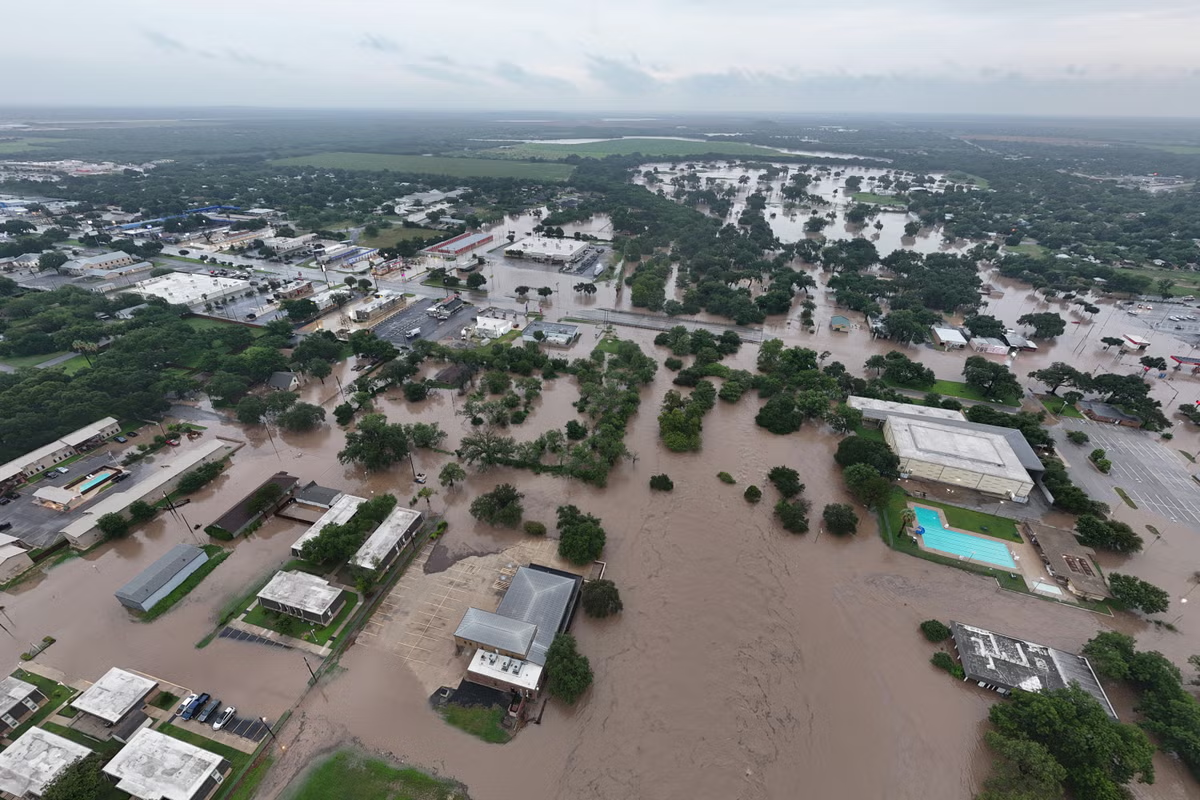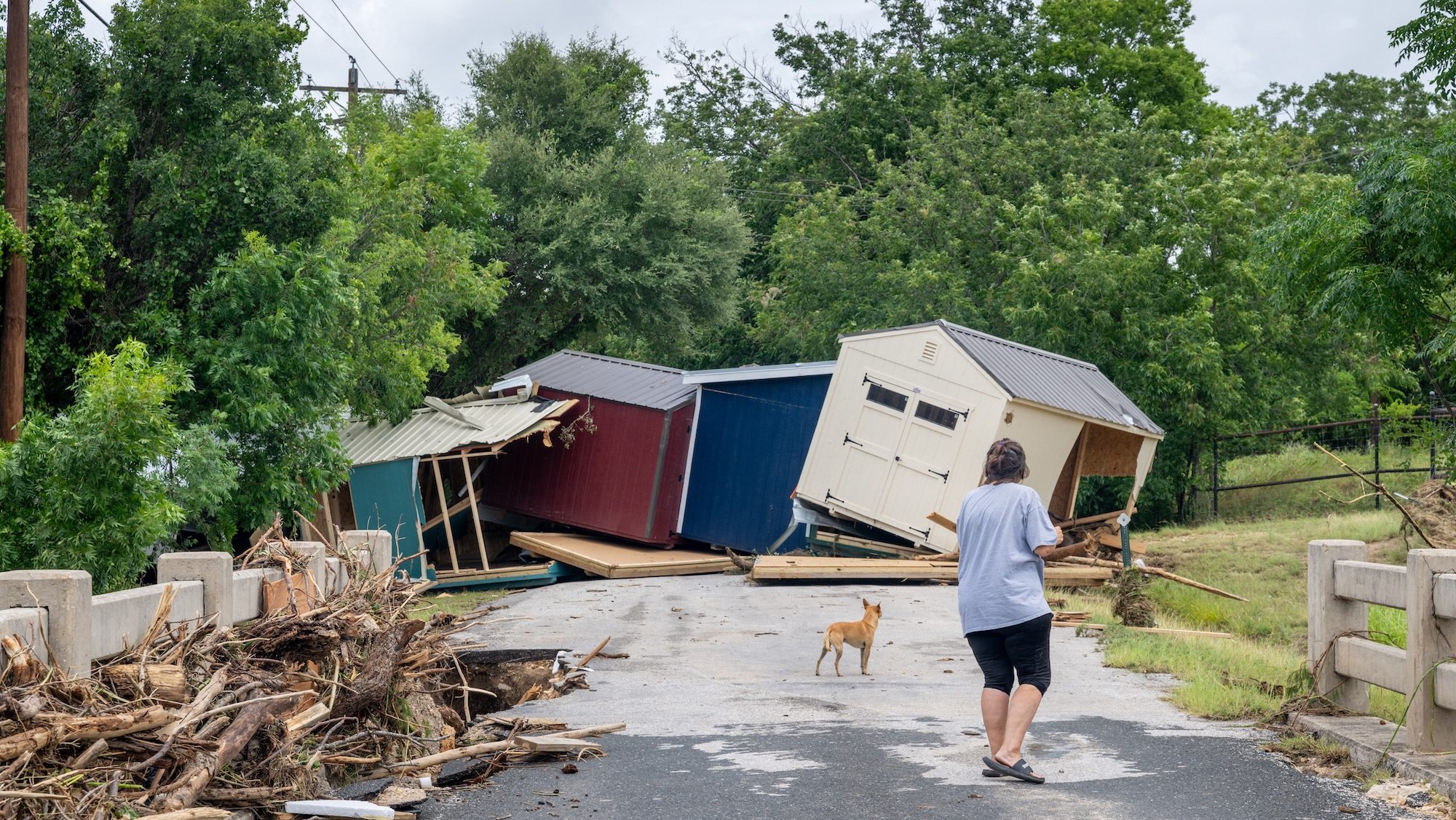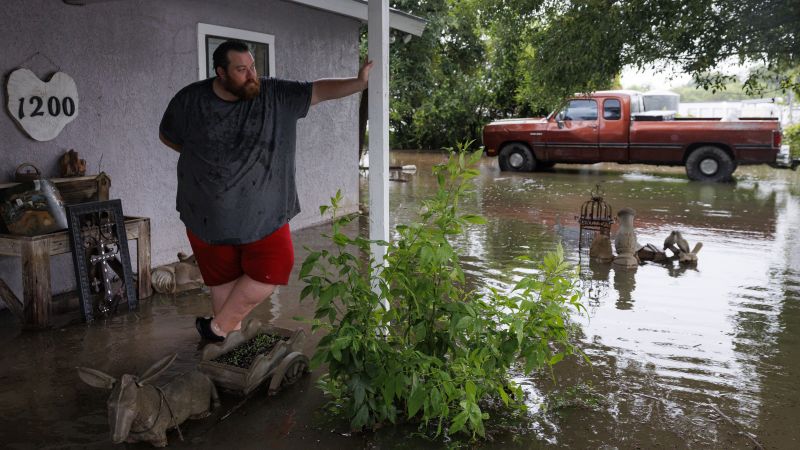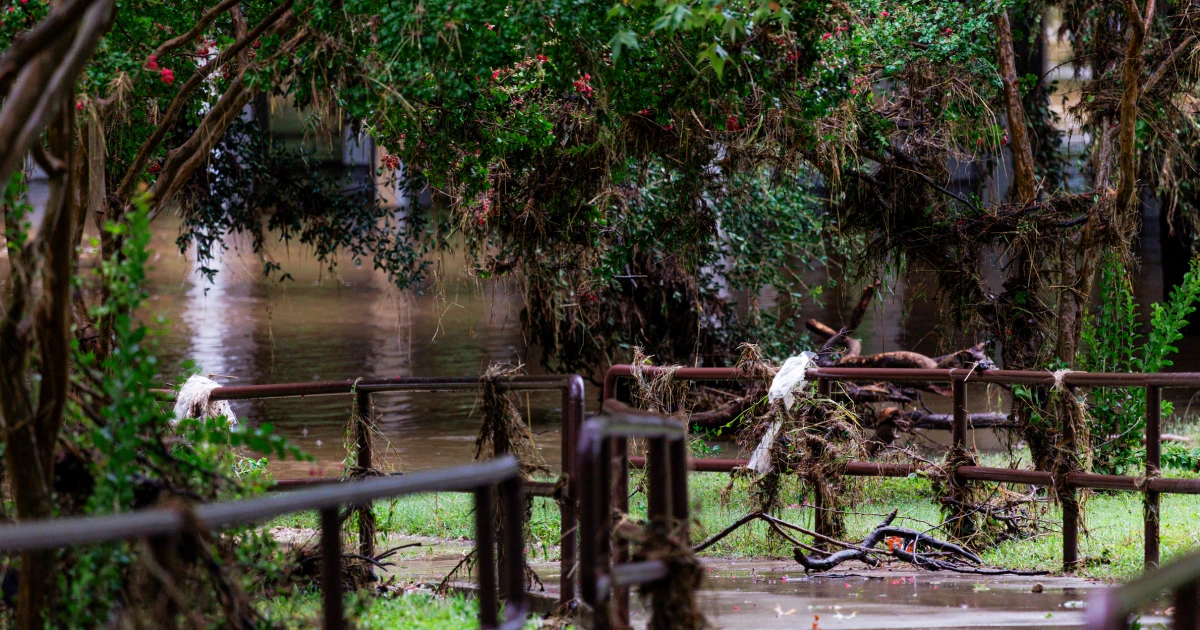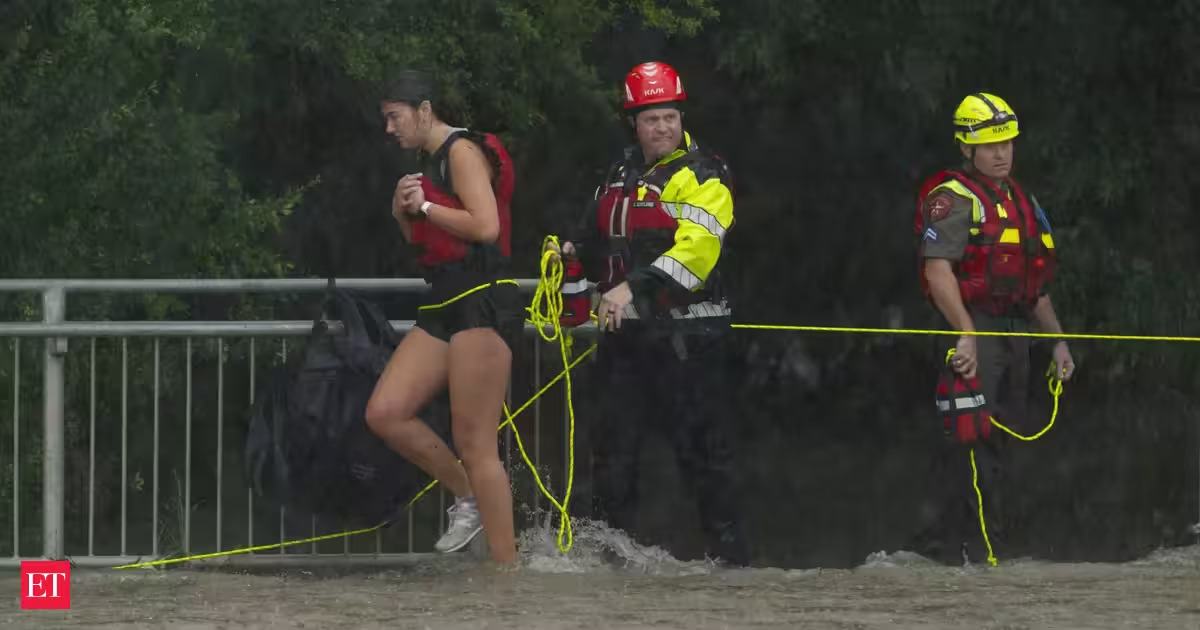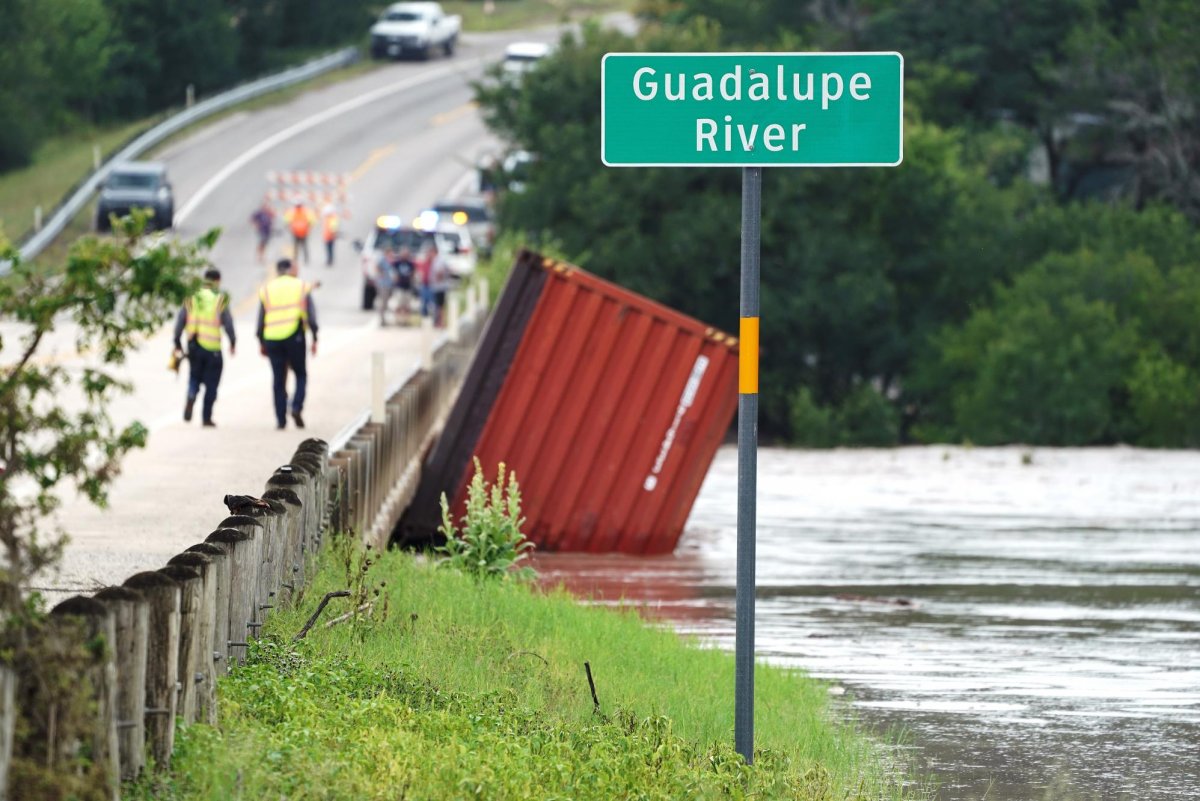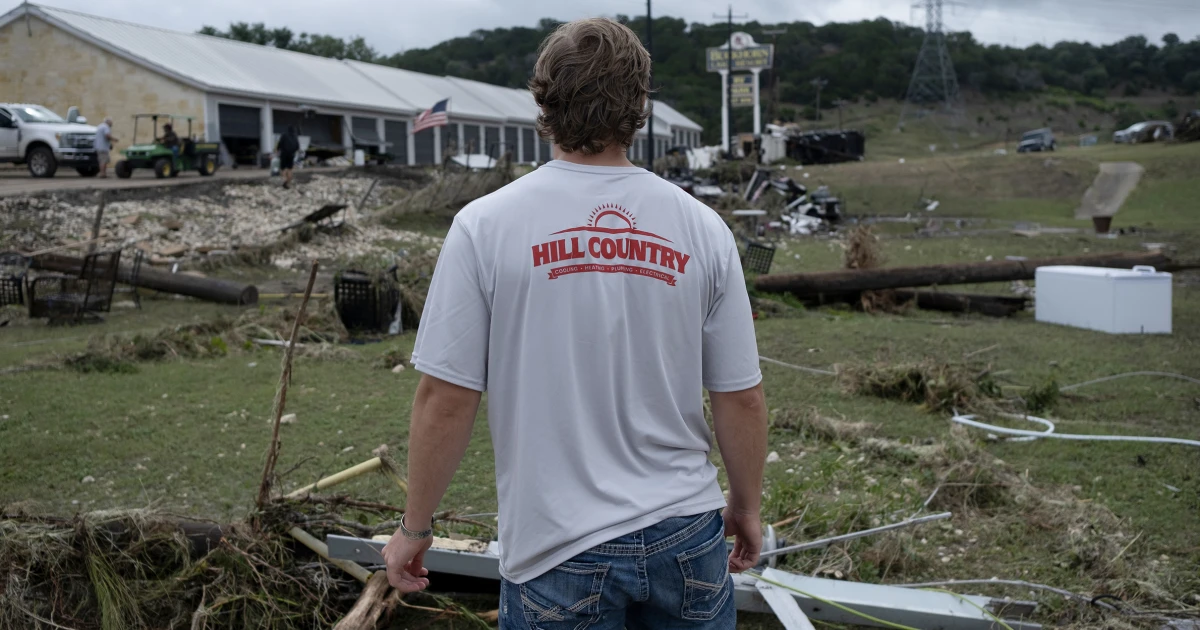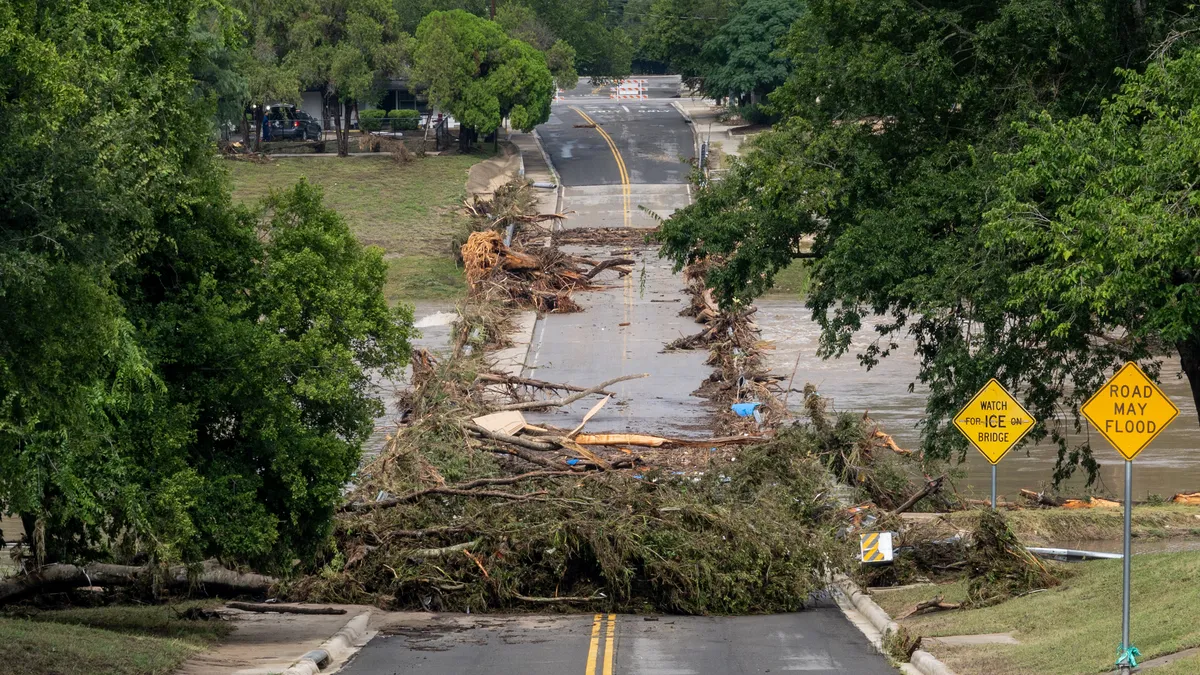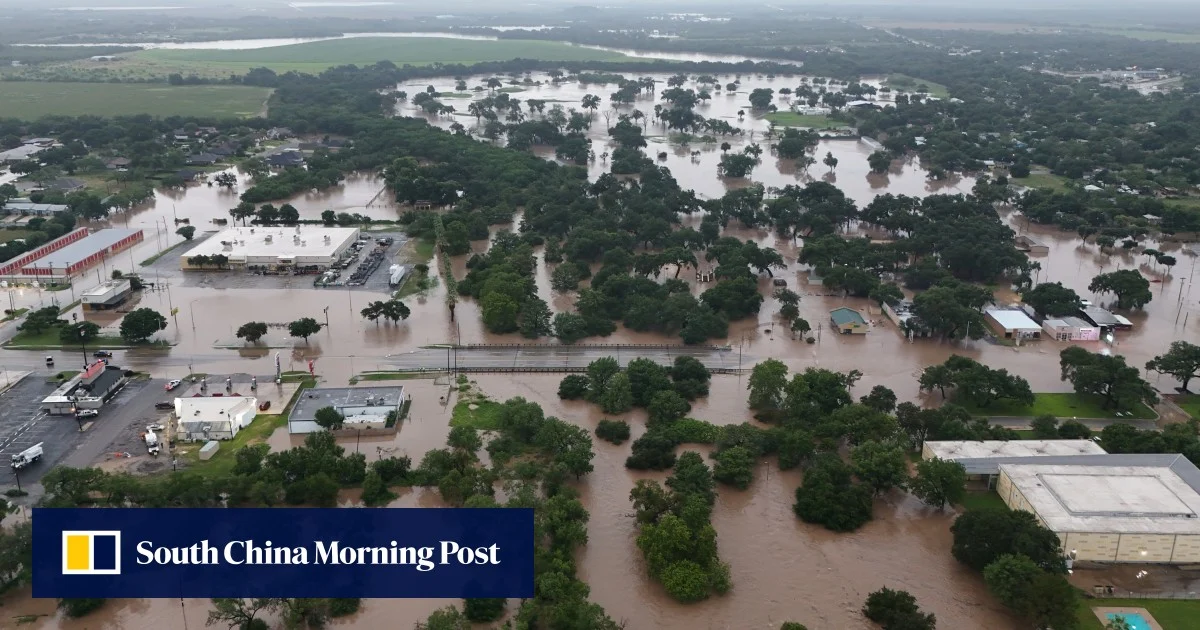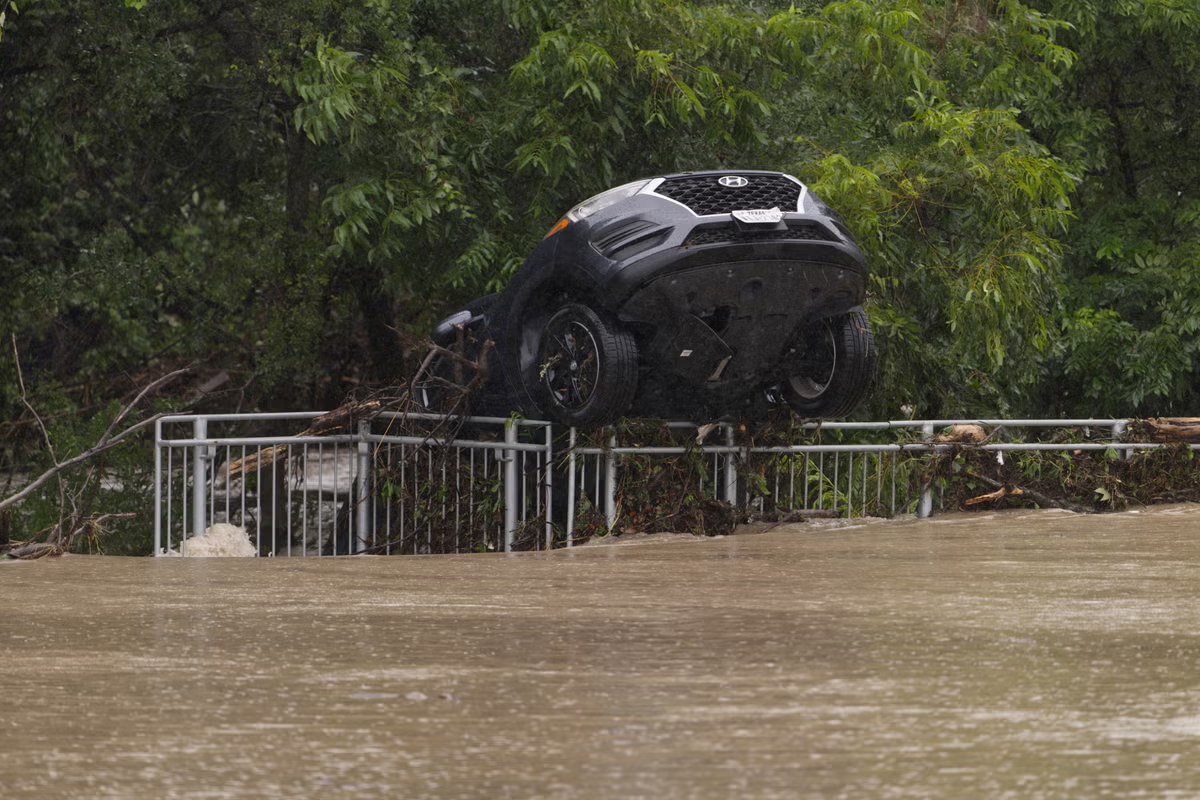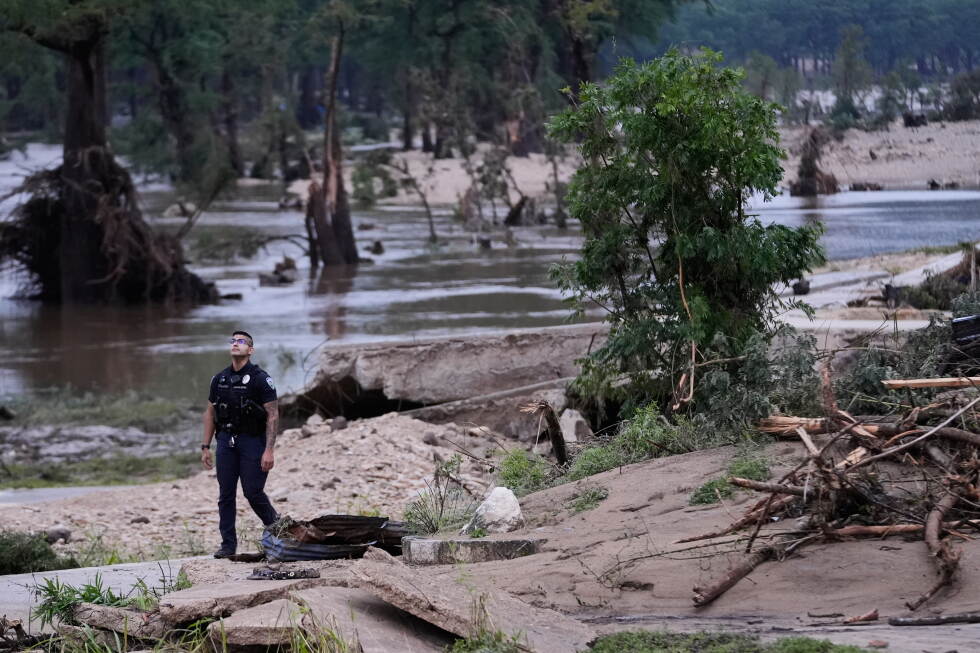
After deadly floods killed more than 100 people in Texas’ Hill Country last July, officials vowed major changes in hopes of preventing the failures that contributed to the high death toll. They promised better flood warning systems, tighter safety rules for children’s camps and improvements to the state’s water infrastructure.That work was far from done when a new round of storms began pummeling the state this week, triggering catastrophic flash floods in some of the same areas devastated in 2025. At least two people died. Hundreds needed rescue.But residents in some hard-hit areas said a year of preparation did make a difference. Newly installed flood sirens sounded in the darkness, warning people to get out. Phones buzzed with alerts that weren’t sent out in last year’s disaster.Still, stories of people surprised to find their homes inundated by rising rivers illustrate the challenges of trying to bolster early warning systems in a vast, rural area known as Flash Flood Alley.
Some agencies were more proactive about sending wireless alertsOver the last decade, a variety of Texas state and local agencies missed opportunities to implement flood warning systems along the Guadalupe River, the AP reported after last summer’s floods killed 136 people, including 28 at a sleepaway camp for girls.That changed after the tragedy as lawmakers and others scrutinized a lack of preparedness by government agencies and riverside camps.