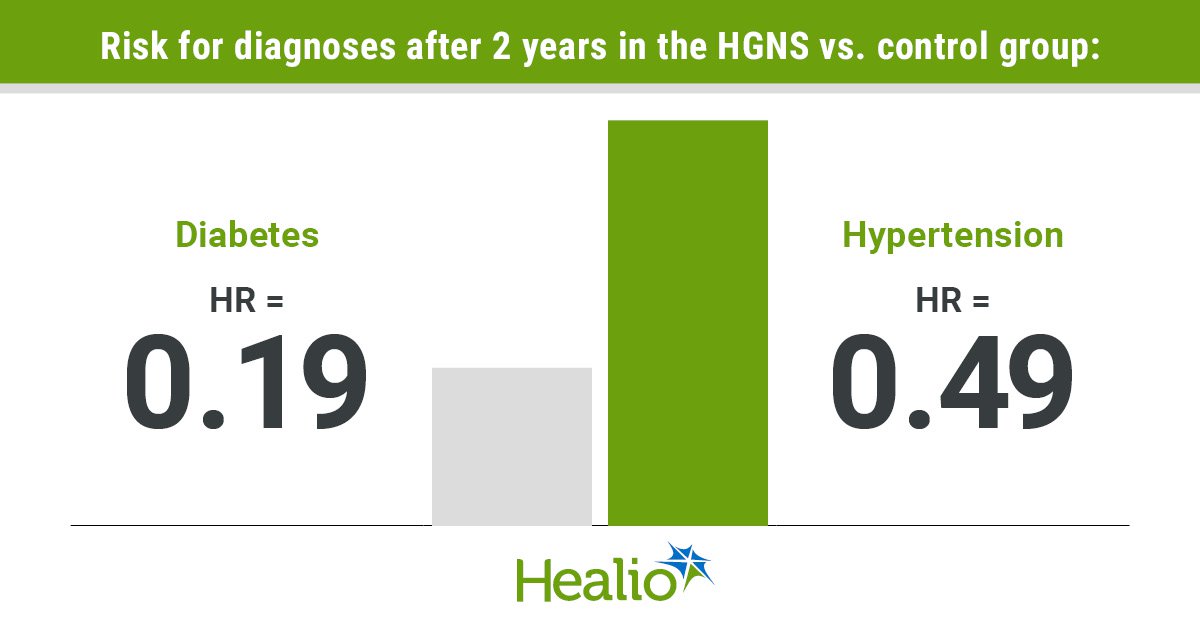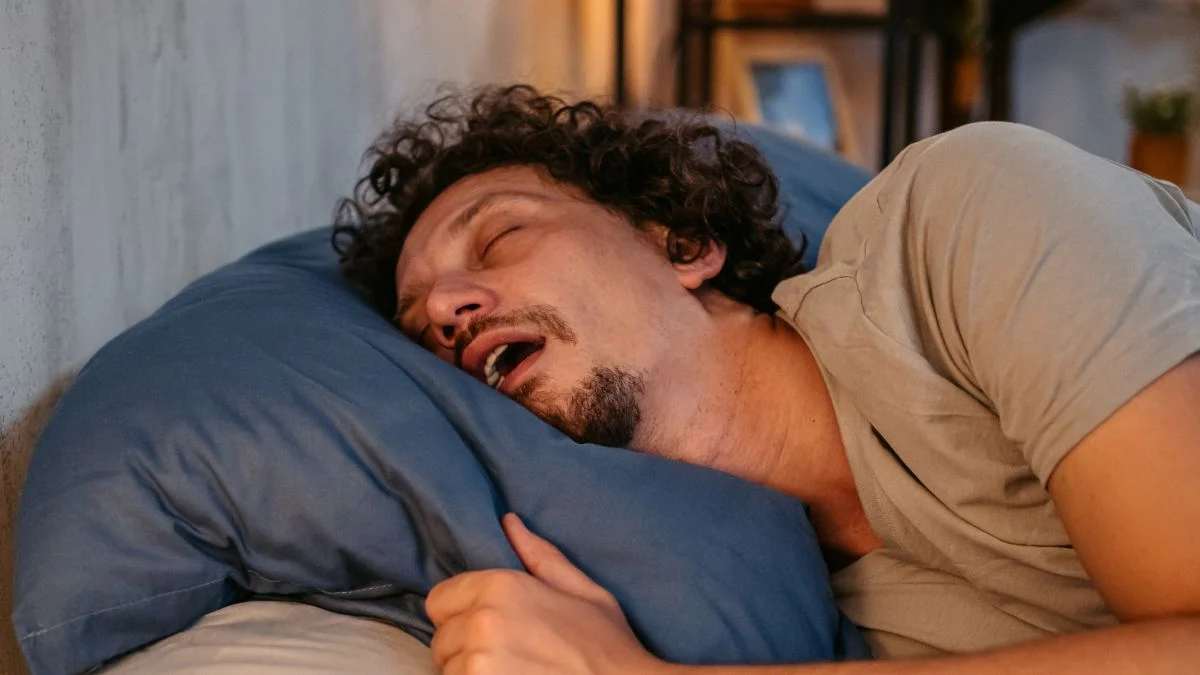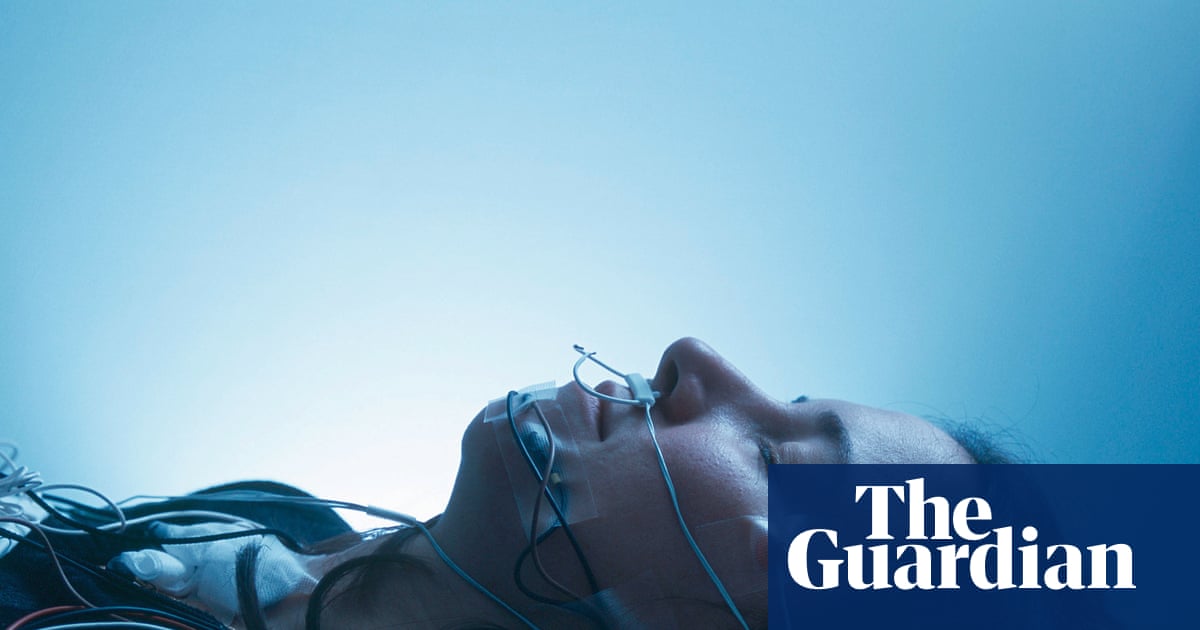
Researchers estimate that more than 80 million U.S. adults are living with obstructive sleep apnea, a condition in which the soft tissue at the back of the throat collapses and blocks the airway during sleep. This blockage causes shallow or irregular breathing that lowers oxygen levels, decreasing sleep quality and raising the risk of diabetes and cardiovascular disease.
"We all know how bad it feels when we sleep poorly, but obstructive sleep apnea is a silent danger we don't talk about enough," said Neil Kondamuri, M.D., an otolaryngology resident at the University of Chicago Medicine.
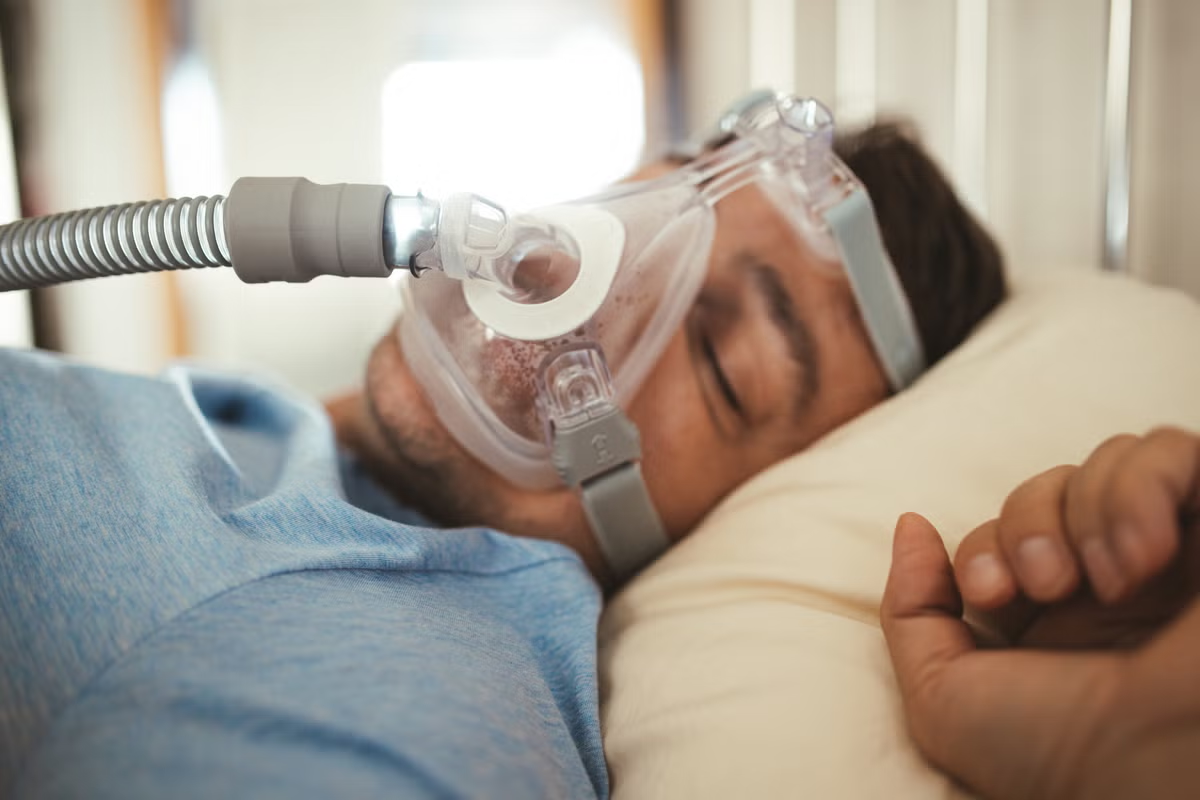
The most common treatment for obstructive sleep apnea is positive airway pressure (PAP) therapy, which uses an at-home machine to send air into the throat to stent the airway open during sleep. While PAP is very effective, some patients find the devices too noisy, uncomfortable or cumbersome.
"We see people every single day who don't like their PAP machine and say they are not using it," Kondamuri said. "If it's such a poorly tolerated treatment option, we need another treatment that can provide similar or better downstream benefits."
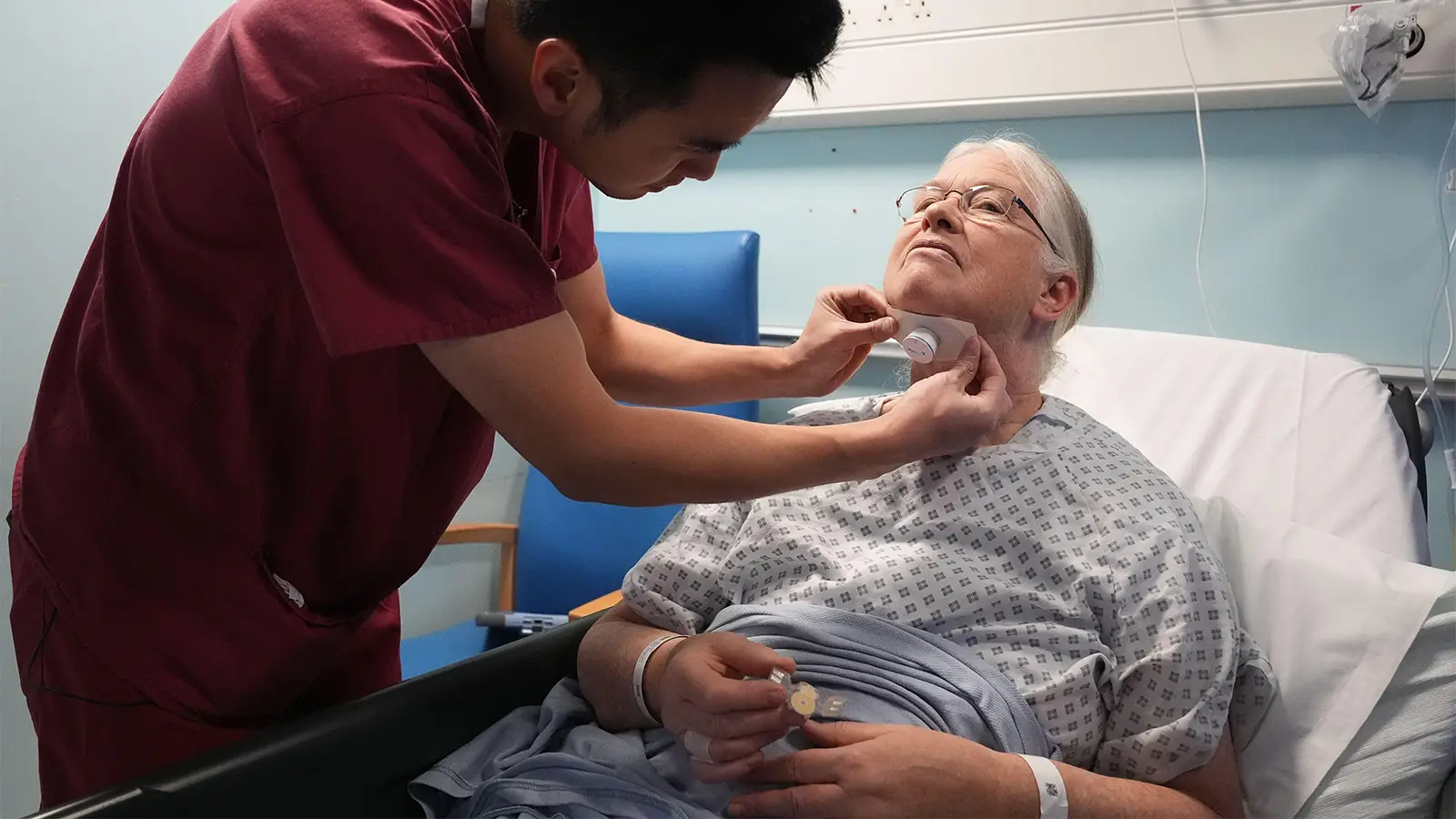
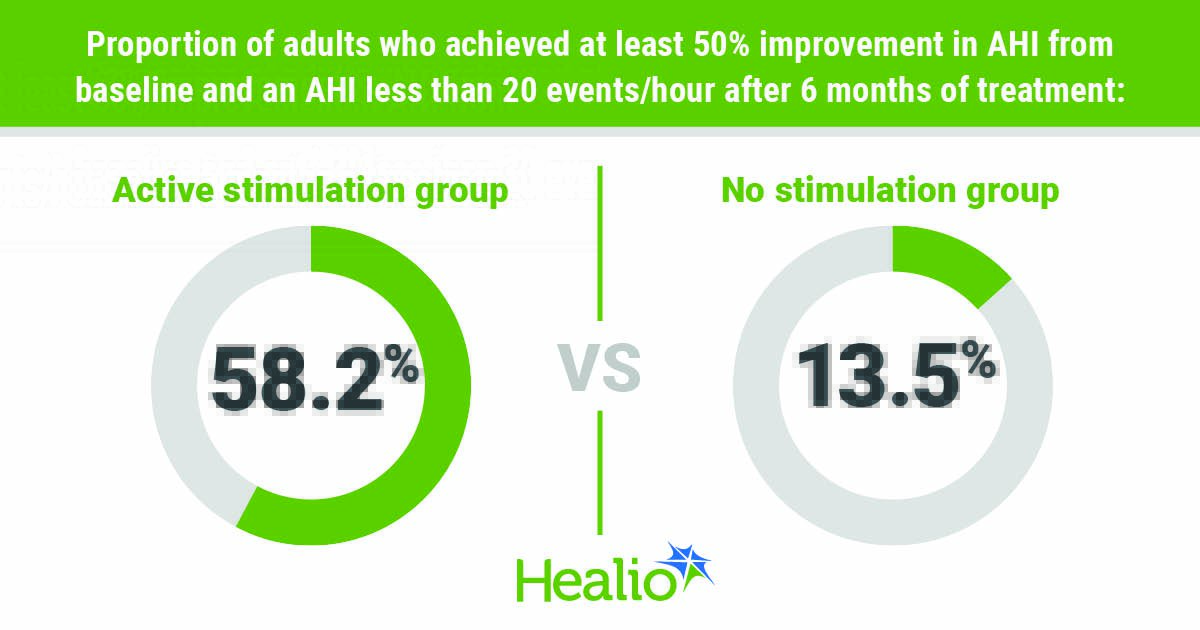
Hypoglossal nerve stimulation (HGNS) may be one such treatment. HGNS involves a surgical procedure to place an implant that connects to the tongue nerve and a sensor that monitors breathing. When a sleeping patient inhales, the implant works by stimulating the tongue nerve to push the tongue forward so it doesn't fall back and obstruct the airway. The goal is the same as PAP treatment: help patients get adequate oxygenation and better-quality sleep so they feel awake and avoid downstream health risks.