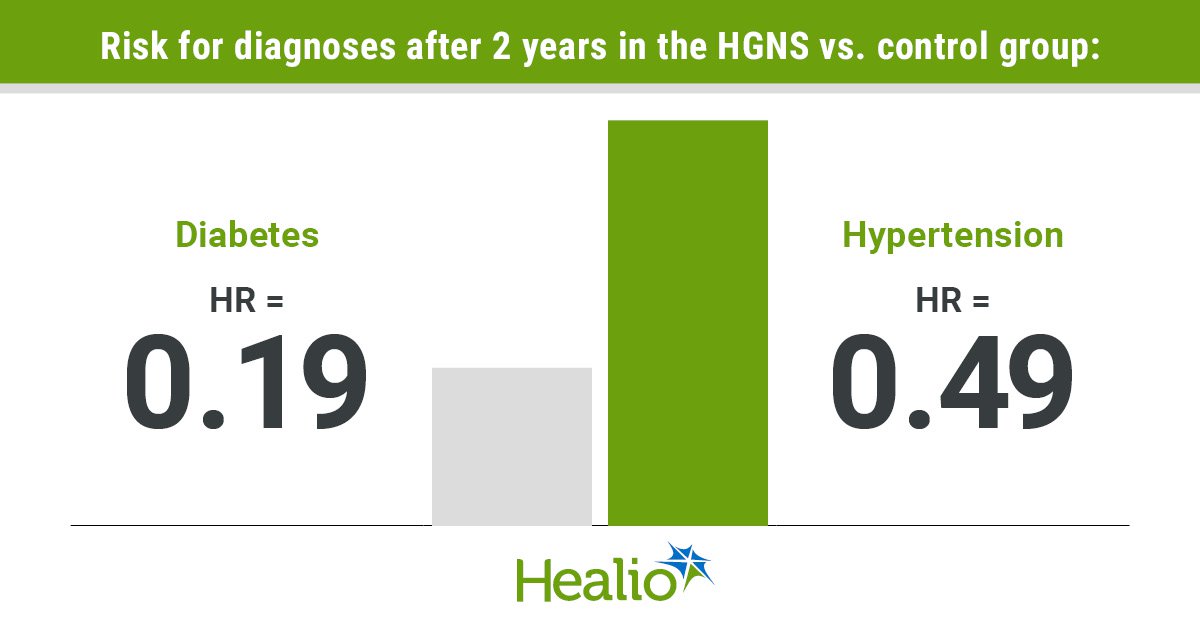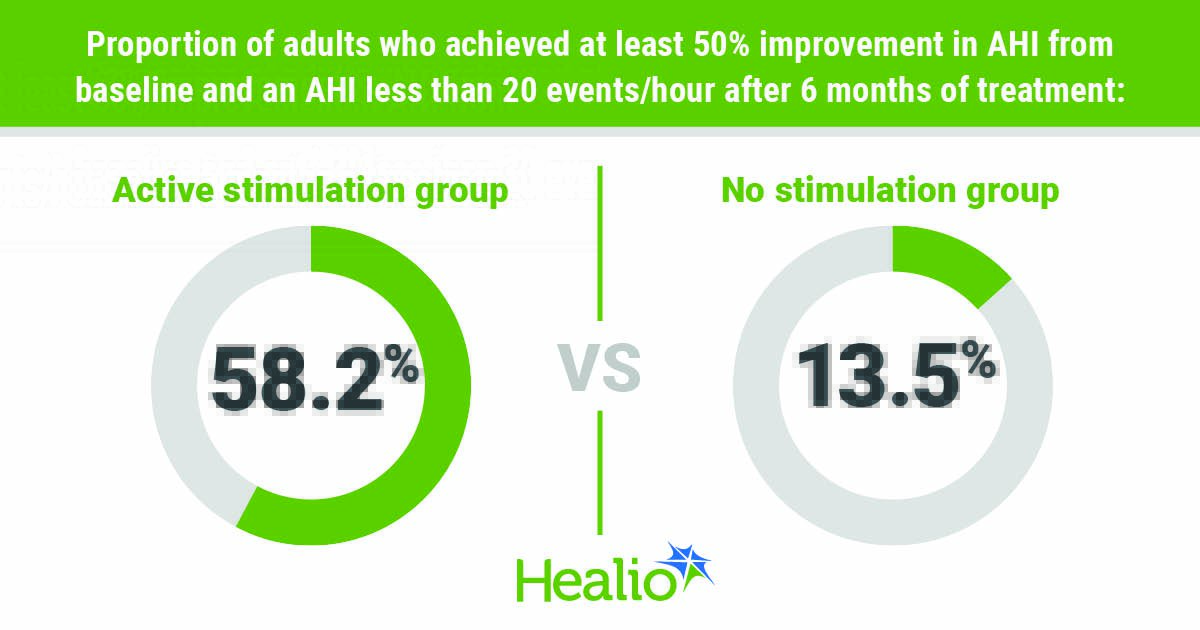
Randomized trials of positive airway pressure therapy for obstructive sleep apnea have not shown a significant difference in primary and secondary prevention of cardiovascular morbidity.A retrospective cohort study suggested that hypoglossal nerve stimulation may have some longer-term cardiovascular benefits for this patient population.However, the higher risks of hypertension and cardiovascular events within 2 years of starting hypoglossal nerve stimulation were unexpected, researchers said.
Hypoglossal nerve stimulation (HGNS) for obstructive sleep apnea (OSA) may have some longer-term cardiovascular benefits, but its effects in the short term painted a different picture, according to a retrospective cohort study.
For adults without pre-existing cardiovascular disease, HGNS was not associated with diabetes diagnosis within 2 years (HR 1.06, 95% CI 0.61-1.85), but was associated with a higher hazard of hypertension diagnosis during this period (HR 1.70, 95% CI 1.26-2.28), compared with matched controls who were candidates for the procedure but didn't get it, reported Neil Kondamuri, MD, of the University of Chicago Medicine, and colleagues in JAMA Otolaryngology–Head & Neck Surgery.