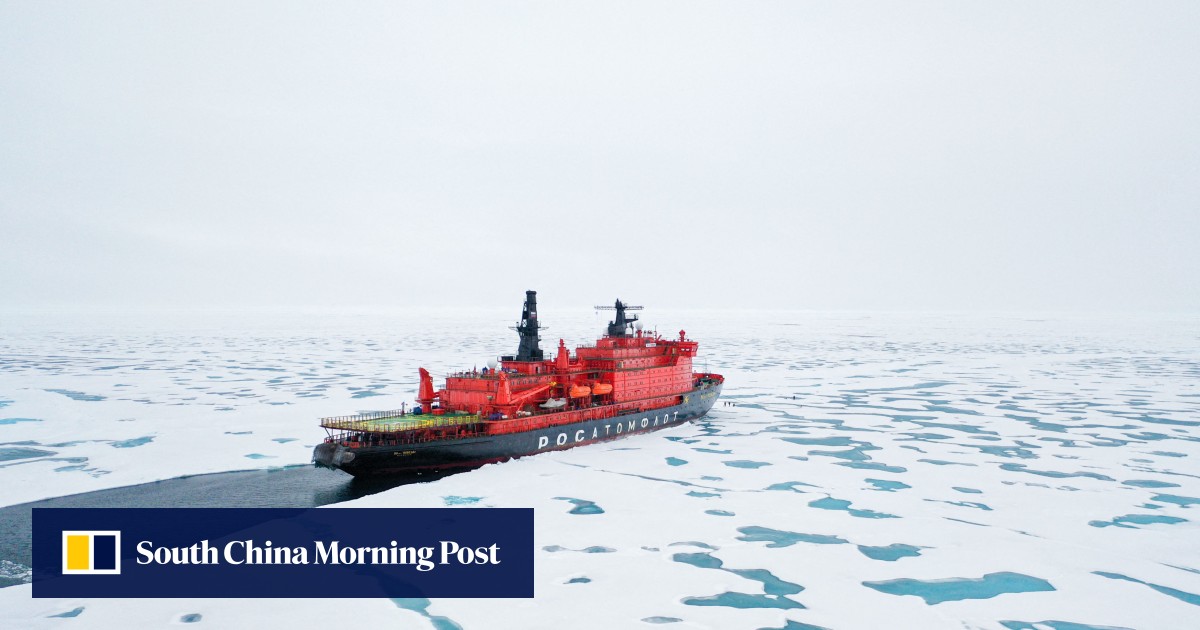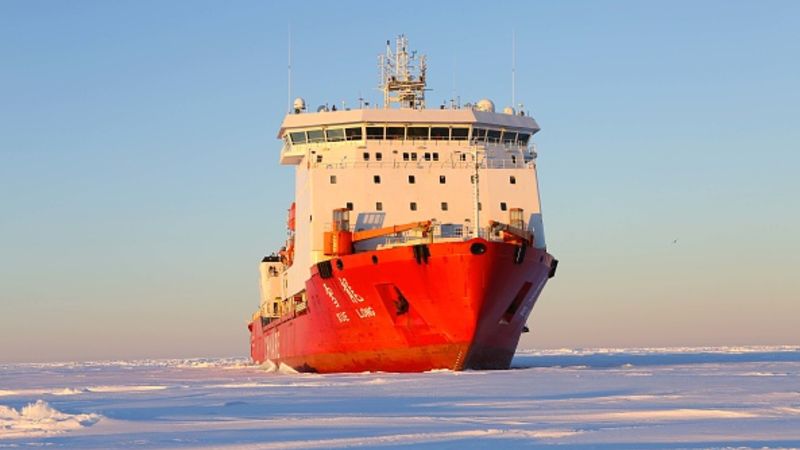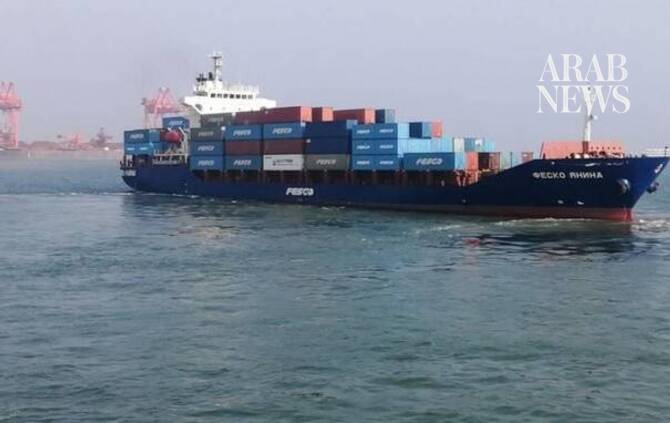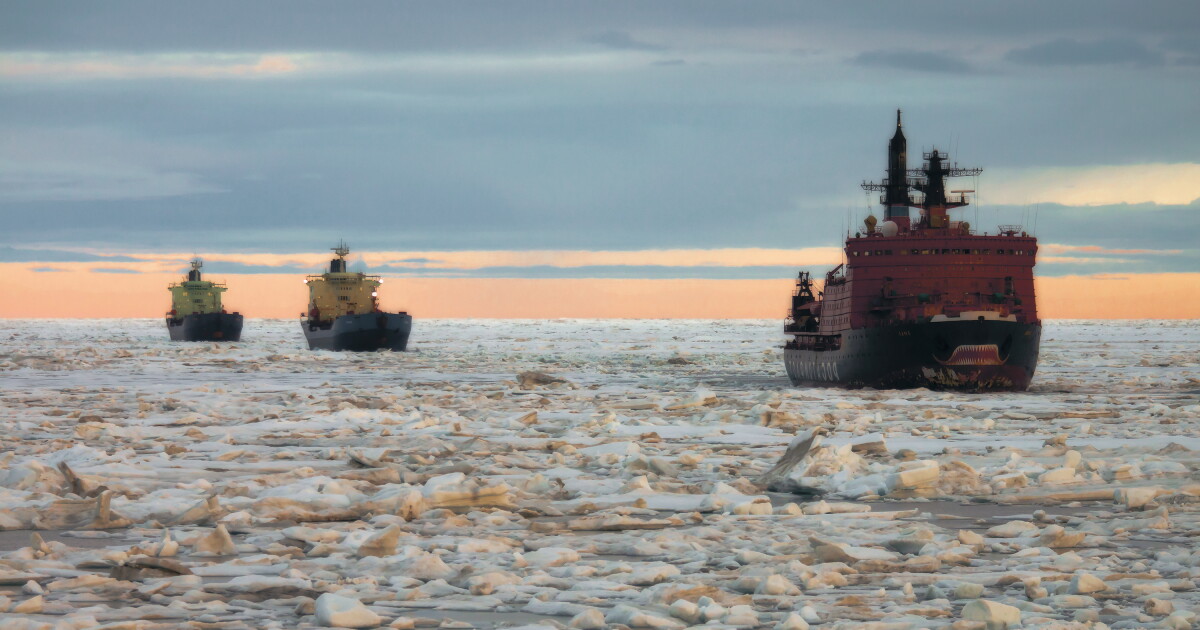
China has refused to supply critical components for Russia’s large-tonnage ice-class vessels due to international sanctions, complicating Moscow’s plans to expand the Northern Sea Route (NSR). According to a presentation by Russia’s Central Marine Research and Design Institute (CNIIMF) cited by Russian business daily Vedomosti, the provision of Chinese propulsion and steering systems for these vessels is contingent upon an easing of sanctions pressure.JOIN US ON TELEGRAMFollow our coverage of the war on the @Kyivpost_official. Russia currently lacks domestic alternatives for these specific energy installations. CNIIMF estimates that by 2030, Russian companies will require at least 10 oil tankers with a deadweight of 120,000 tons, five liquefied natural gas (LNG) carriers with a capacity of 174,000 cubic meters, three 40,000-ton universal bulk carriers, two gas condensate tankers, and three liquefied petroleum gas (LPG) tankers. All vessels must meet the Arc7 ice-class standard to operate year-round in the Arctic. CNIIMF Deputy Director Alexander Buyanov stated that Russian shipyards currently do not build large-tonnage ice-class vessels. He attributed this to a lack of shipyard capacity and the unavailability of necessary equipment, noting that domestic options are absent, Western equipment is sanctioned, and Chinese alternatives are restricted by sanctions compliance. The equipment shortage affects the Russian government’s targets for the NSR. The route, extending from the Kara Gates Strait to the Bering Strait, was projected to handle 80 million tons of cargo annually by 2024 and 200 million tons by 2030. Actual volumes reached 38 million tons in 2024 and 37 million tons the previous year (rounded.
China Declines to Supply Equipment for Russian Northern Sea Route Fleet Due to Sanctions
China has refused to provide essential propulsion and steering systems for Russia’s large-tonnage ice-class vessels, citing sanctions risks.
489 words~2 min read