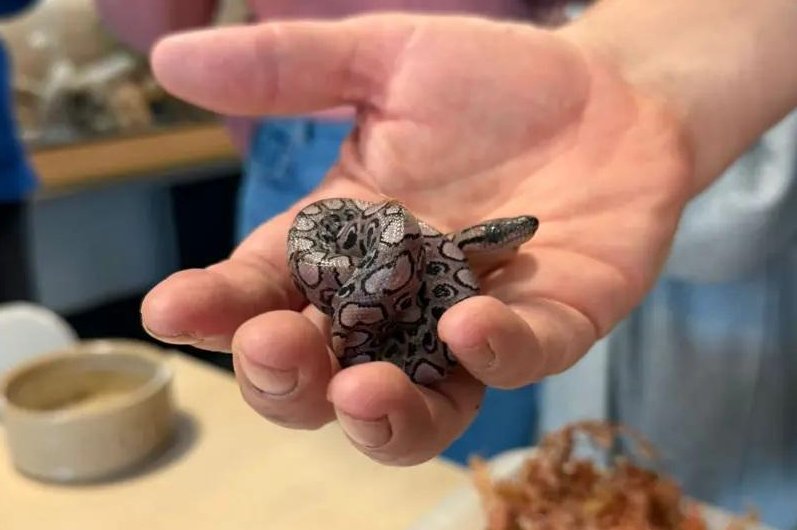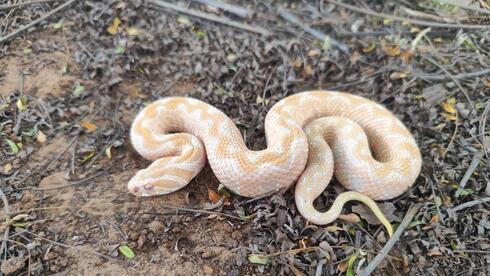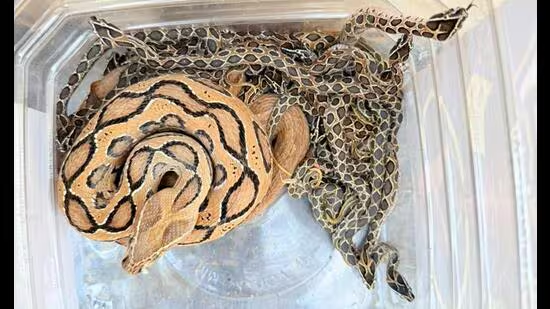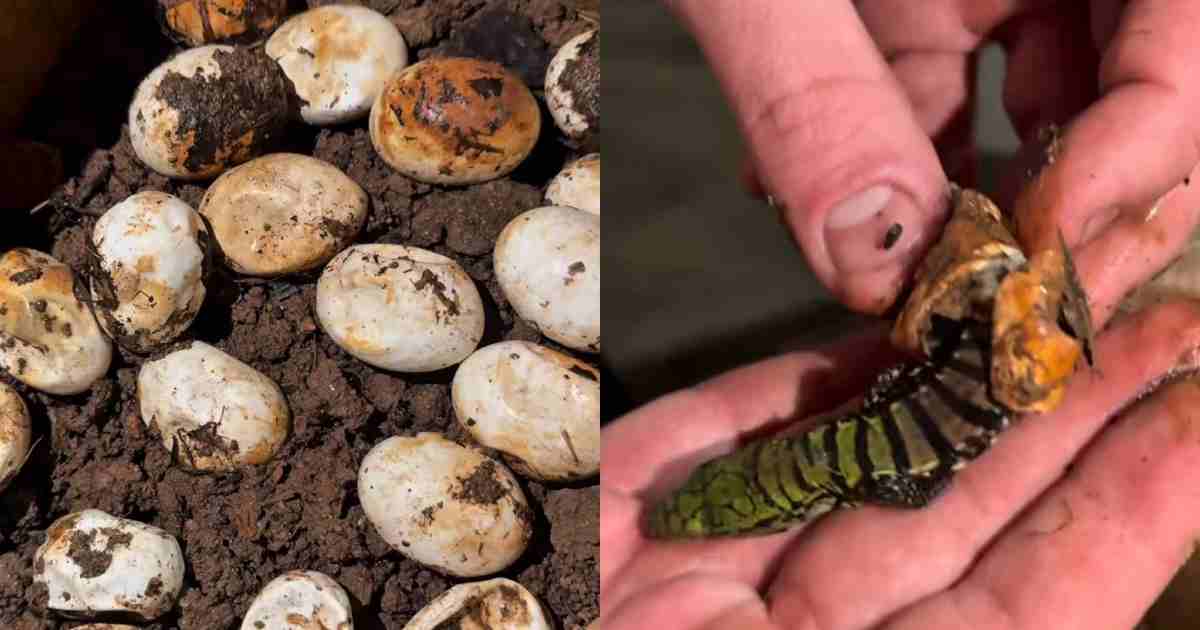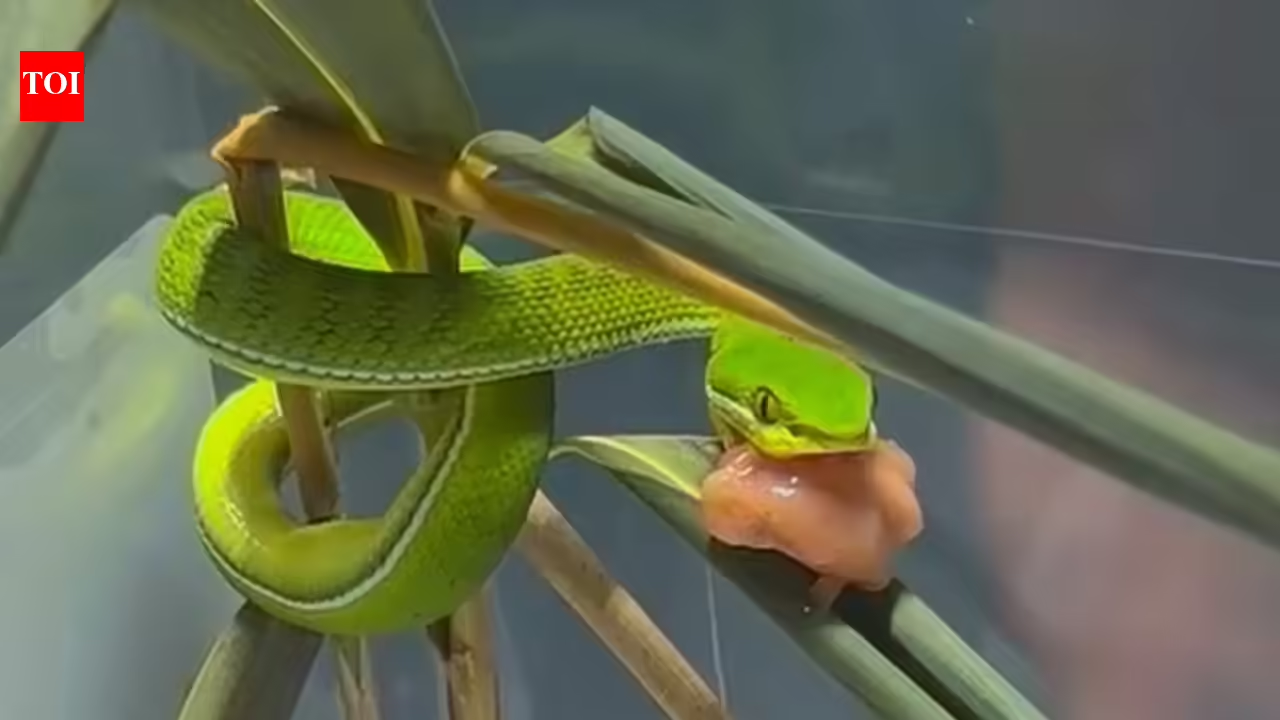
Snake in Belgium delivers 12 babies despite years of isolation.You’ve heard of the Virgin Mary.Now, it’s time for the Virgin Viper to shine!A snake at a wildlife park in Belgium just pulled off something nobody expected: after years without seeing a male, she gave birth to 12 healthy babies. It’s only obvious that zookeepers, veterinarians, or just plain wildlife enthusiasts were baffled!Turns out, they were witnessing an extremely rare process called parthenogenesis. That’s nature’s wild card, letting some female animals have babies without any fertilization.Per The Brussels Times, the surprise happened at Pakawi Park in Belgium’s Antwerp province. Keepers were stumped when they found a dozen tiny snakes with a lone white-lipped bamboo viper. With no males anywhere around, it took a minute before the team realized what had actually happened.A surprise no one saw comingThis female bamboo viper hadn’t been anywhere near a male in years. When her babies popped up, the zoo team struggled to explain it. Finally, veterinarian Tim Bouts figured it out: parthenogenesis. Instead of needing a mate, the snake’s egg uses genetic material from cells it would normally discard. No sperm needed.Zoo staff quickly removed the newborns; not because anything was wrong, but because, well, some snakes can eat their young if given the chance. It’s nature — sometimes it’s brutal. Now, the babies are being raised separately and safely.What exactly is parthenogenesis?“Parthenogenesis” literally means “virgin creation” in Greek. It’s a way some animals (think reptiles, birds, sharks, even Komodo dragons) can reproduce without a partner. In snakes, scientists think it’s like a backup plan. When females can’t find a mate, every once in a while, they can still have babies all on their own. It’s rare, but it helps the species survive in tough times.The babies from parthenogenesis end up genetically almost identical to their mother. In this case, the Belgian vet team says all the snakelets are expected to be male, even though they’re nearly genetic copies of mom.Rare, but not unprecedentedPeople around the globe are talking about this birth, but it’s not the first time a snake has done this. Back in 2024, a Brazilian rainbow boa named Ronaldo (who everyone thought was male) gave birth to 14 babies in the UK after nine years alone. Scientists confirmed that it was parthenogenesis, too. Ronaldo actually did it again in 2026, and researchers called it “virtually unheard of.”It turns out more species can do this than you’d guess. Scientists have recorded these “virgin births” in Komodo dragons, boas, pythons, pit vipers, and even sharks. It doesn’t happen often, but it’s not entirely off the map.A new name for the motherThe Belgian snake’s story even got a laugh from the zoo staff. They started calling her “Mary” — for obvious reasons, a nod to the Virgin Mary. One of the vets even joked that the babies could be named after the apostles!Why scientists are fascinatedFor scientists, this isn’t just a fun fact. Cases like these give new clues about how animals adapt, survive, and evolve. Parthenogenesis isn’t as good for genetic diversity as sexual reproduction. Because if all the babies are genetic clones, a single disease could wipe them out. But in a pinch, it keeps the species going.For zoos and conservationists, every confirmed case is a chance to learn something big about how reptiles reproduce, especially when circumstances aren’t ideal. That could help protect endangered species down the line.And as for the new Virgin Mary… er, the Virgin Viper, visitors to Pakawi Park can see this rare bunch of mother and children: proof that when it comes to nature, there’s always another surprise waiting!
Virgin Viper in Belgium: Snake delivers 12 babies despite years of isolation — How did it happen?
You’ve heard of the Virgin Mary.
601 words~3 min read