By Prisca Sam-Duru
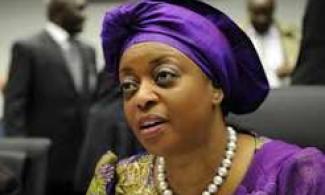
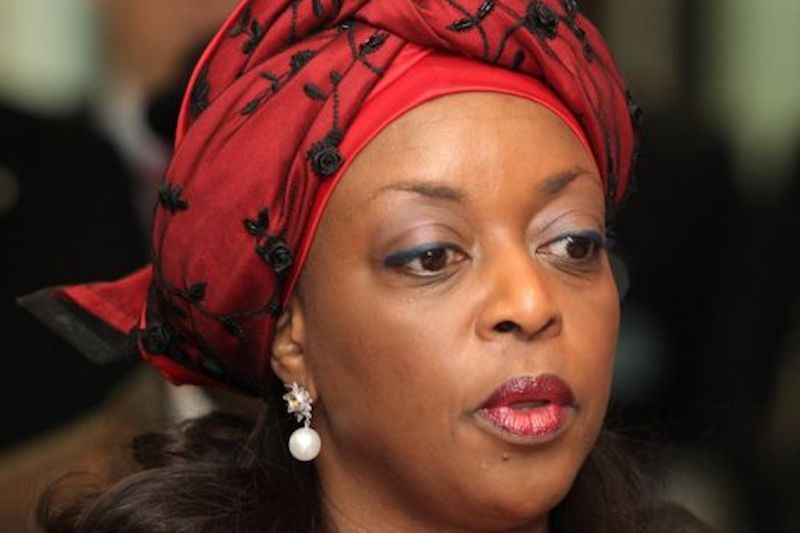
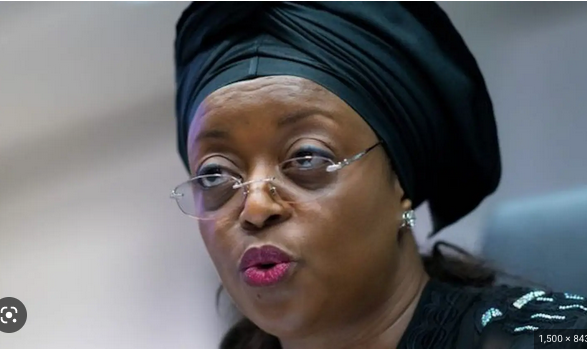
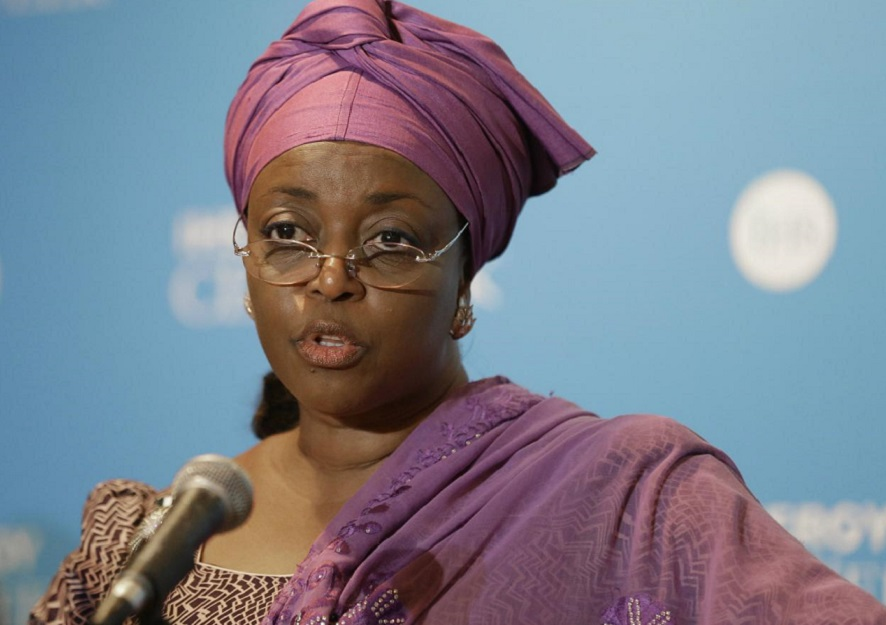
There was a period in Nigeria when almost every headline in both traditional and social media platforms screamed the name Diezani Alison-Madueke.
For more than a decade, beginning from the time ex-president Goodluck Jonathan left office, the name Diezani Alison-Madueke attracted a disproportionate amount of public vilification and controversies for global discourse on corruption. To the public, the former minister of petroleum resources’ name became synonymous with excess: a recurring character in headlines detailing luxury properties, high-stakes shopping sprees at Harrods, private jets, and multimillion-pound bribery allegations carried by news organisations across continents.
But in June 2026, the narrative took a sudden, definitive turn. A London jury acquitted the former Nigerian Minister of Petroleum Resources of all six charges against her, bringing an end to one of the United Kingdom’s longest-running corruption prosecutions.
While the verdict effectively ended what Alison-Madueke described as years of “unjust vilification,” the events of the past decade and its dramatic end have ignited a secondary, more complex debate. In the digital age, can a judicial acquittal ever truly mend a reputation that has been systematically dismantled by a decade of headlines?