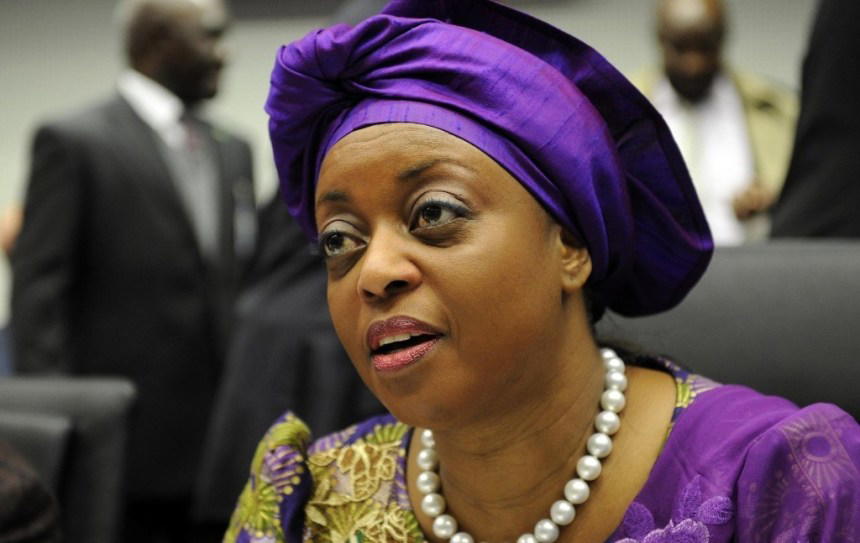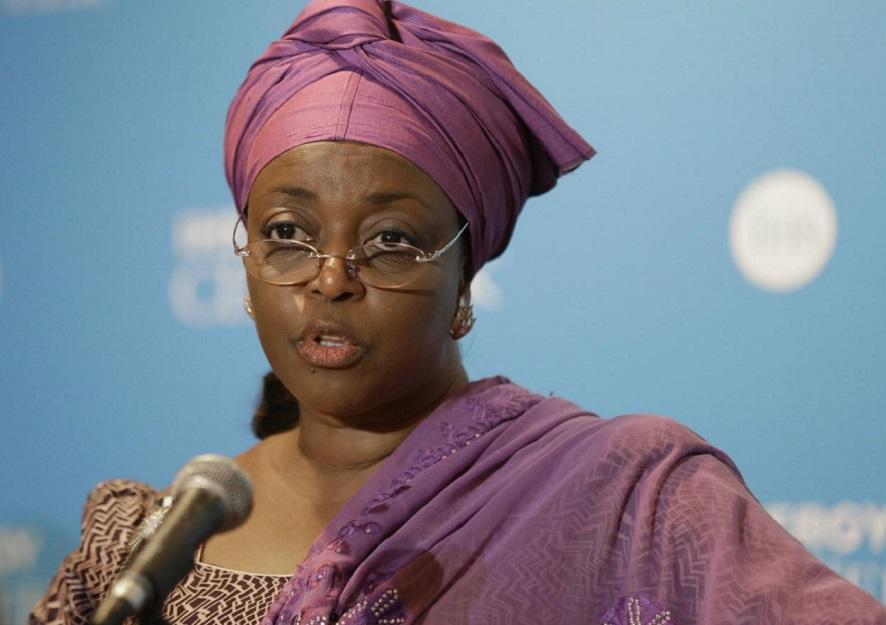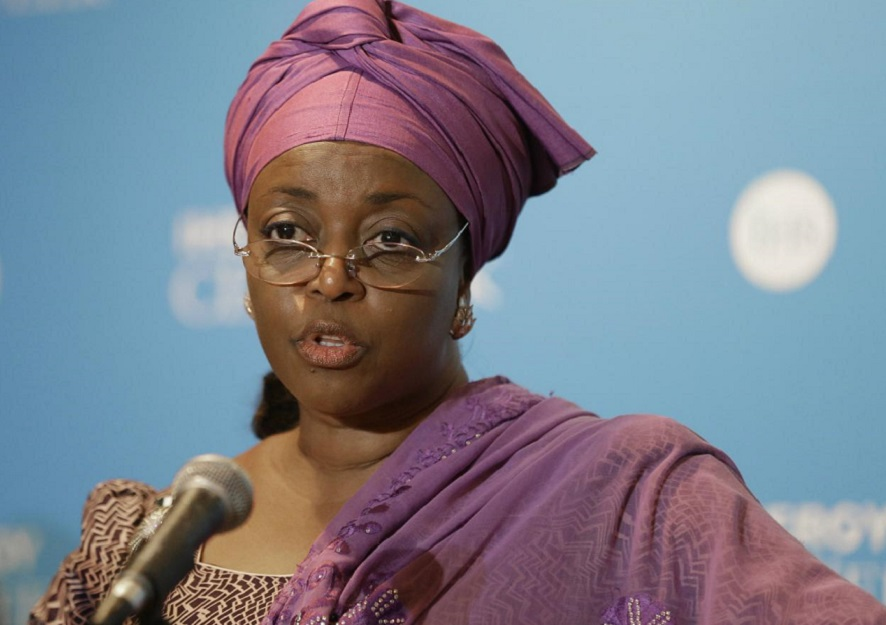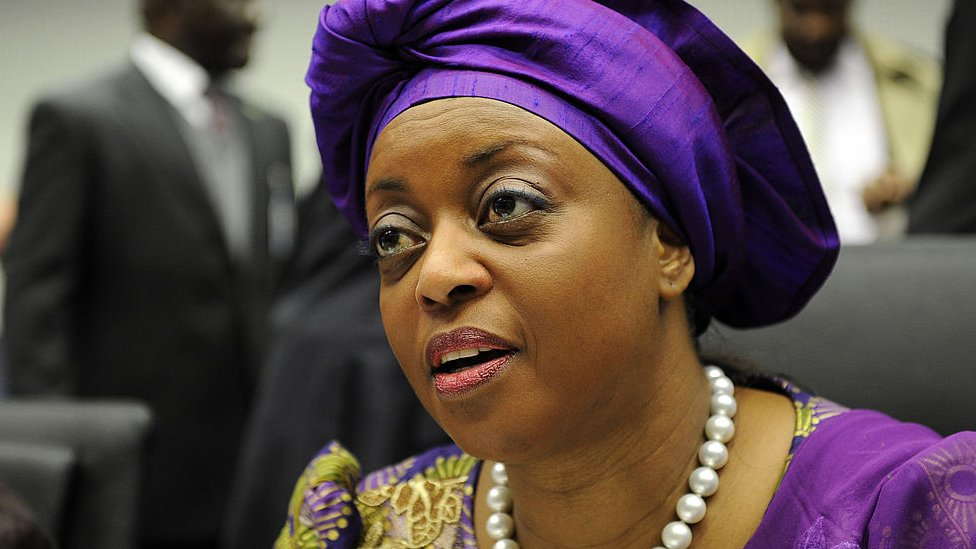
The former Petroleum Minister Diezani Alison-Madueke has lived through a season of extraordinary public humiliation, one so prolonged that describing it merely as an ordeal hardly captures its weight.
The River State-born former minister spent years beneath the unforgiving glare of international headlines as allegations of bribery and corruption trailed her from one courtroom to another. In elite circles where reputation is prized as dearly as wealth itself, her fall from the commanding heights of Nigeria’s oil establishment to the lonely corridors of legal battles became one of the most riveting conversations behind polished mahogany doors and over crystal glasses.
Then came the twist few anticipated. A London court acquitted her, bringing a measure of legal reprieve after years of intense scrutiny. For those who stood by her through the storm, the judgment was more than a courtroom victory; it was the first ray of sunlight piercing through clouds that had stubbornly refused to part.
Yet, in a society where public opinion often refuses to surrender to judicial pronouncements, the verdict has done little to quiet her detractors. Many of her critics appeared unwilling to sheathe their swords, preferring instead to cling to long-held convictions rather than acknowledging the court’s decision.