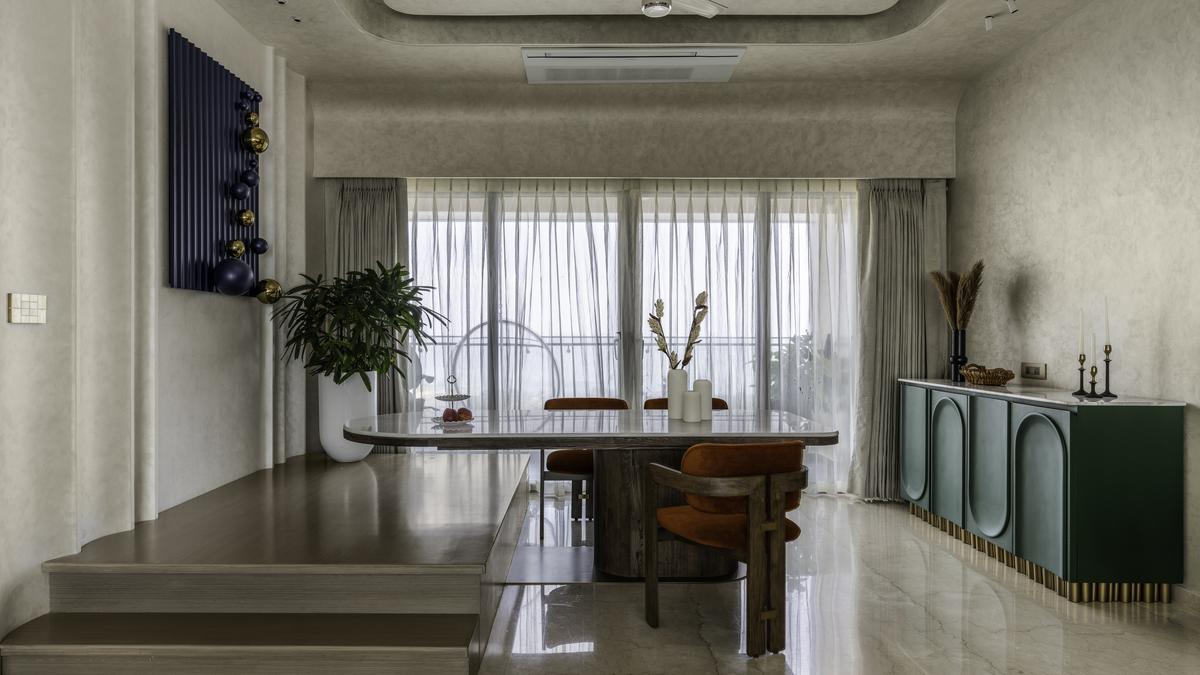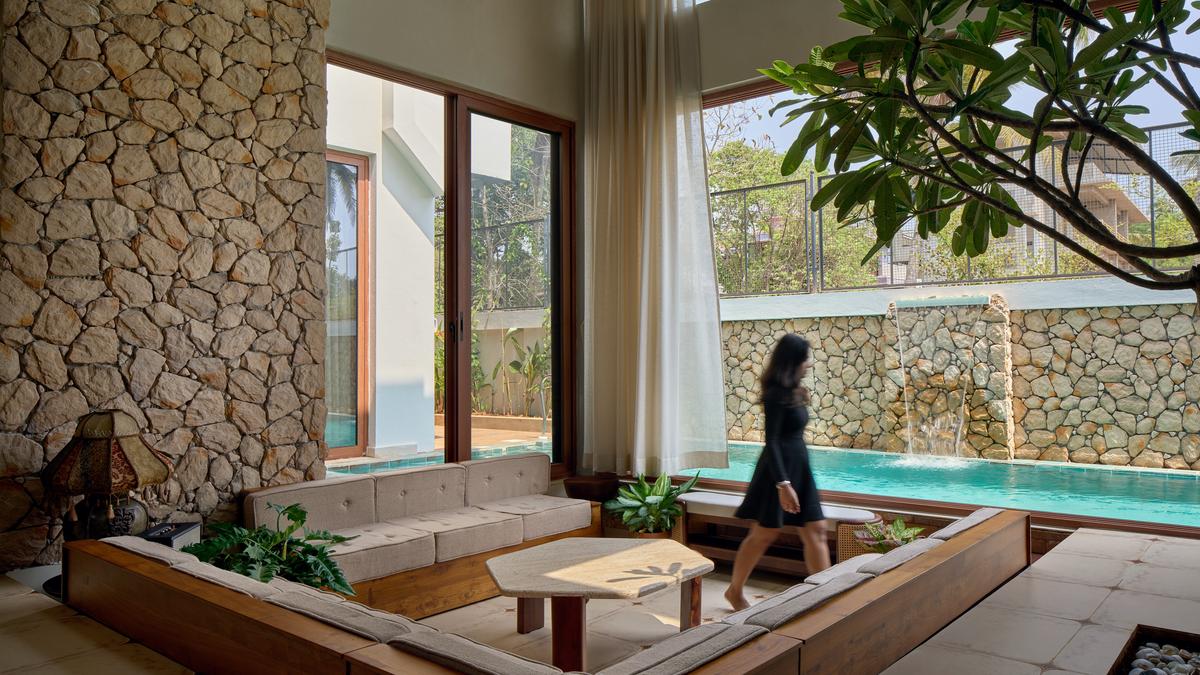
Often referred to as sunken spaces that encourage people to slow down, gather and interact, conversation pits were an extremely popular design feature in the period between the 1950s and 1970s. An intimate setting mostly in the living room, these spaces are an integral part of the spatial narrative and provide the perfect architectural antidote by offering structural zoning without blocking sightlines.By stepping down into a lounge, you get the psychological comfort of being in a separate cosy room while keeping the home’s airy, open vibe. “Today’s conversation pit is a contemporary reinterpretation of that philosophy. Instead of being purely nostalgic, it responds to the way modern homes function. It creates an intimate zone within larger open-plan layouts, bringing people together while offering a sense of comfort and privacy,” says Natasha Kumar, co-founder and principal architect, Studio Tilt, a Goa-based architecture and interior design studio. Some design studios are also experimenting with elevated lounges that serve as conversation pits.Pockets of calmConversation pits are slowly but surely becoming popular in today’s homes. “It is interesting to note that in the ’60s and ’70s, they were a symbol of modern luxury; something you would see in homes designed for glamorous parties and entertaining. Today, the intention feels very different; people are not bringing them back for nostalgia alone,” says Badrinath Kaleru, director and co-founder of Studio Ardete, a design studio based in Chandigarh.Further, open-plan homes often feel visually impressive but emotionally flat because all activities occur in a single continuous space. ”Instead of making the room feel smaller, the lowered seating often gives it more character and a stronger sense of purpose,” says Natasha Jain, co-founder and CEO of Natelier by Bent Chair, a luxury interior and furniture brand located in New Delhi.Key elementsConversations pit work best in spacious homes with generous ceiling heights, such as villas, bungalows, farmhouse residences, or apartments with large living areas. “They should never feel like a depression in the floor but rather a natural extension of the living space that encourages interaction while remaining visually connected to the rest of the home,” adds Kumar.It is key to note that a conversation pit should be integrated into the architectural planning from the beginning because it affects floor levels, circulation and structural planning. “The proportions need to feel comfortable with easy access, good sightlines and enough circulation around the seating. Ceiling height is equally important because the lowered floor changes how the volume of the room is experienced. Natural light also plays a big role, as these spaces should feel inviting rather than enclosed,” says Prerna Kaleru, director and co-founder, Studio Ardete.According to Jain, the biggest consideration is circulation. “People should be able to move around the pit naturally without it becoming an obstacle. The proportions also have to feel generous enough that nobody feels boxed in. I always recommend integrating the seating into the architecture rather than treating it as loose furniture,” she adds. The design must allow the surrounding volume of the home to breathe. “Sightlines should remain entirely transparent, ensuring that someone sitting in the lounge maintains an immediate, effortless connection with the rest of the house and the unfolding landscape outside,” says Seema Pandey, co-founder of Studio Arquite, a multidisciplinary Noida-based design practice.The success of a conversation pit thus lies in balancing architecture with comfort. “The seating should encourage interaction, allowing everyone to face one another naturally. Upholstery should prioritise comfort without compromising on elegance, as these spaces are meant for longer conversations,” says Ruchi Gehani, principal designer of Azure Interiors, a Raipur-based interior design.
Why conversation pits are making a comeback in modern homes
Discover why conversation pits are re-emerging in modern homes, offering intimate gathering spaces within open-plan designs.
1,584 words~7 min read