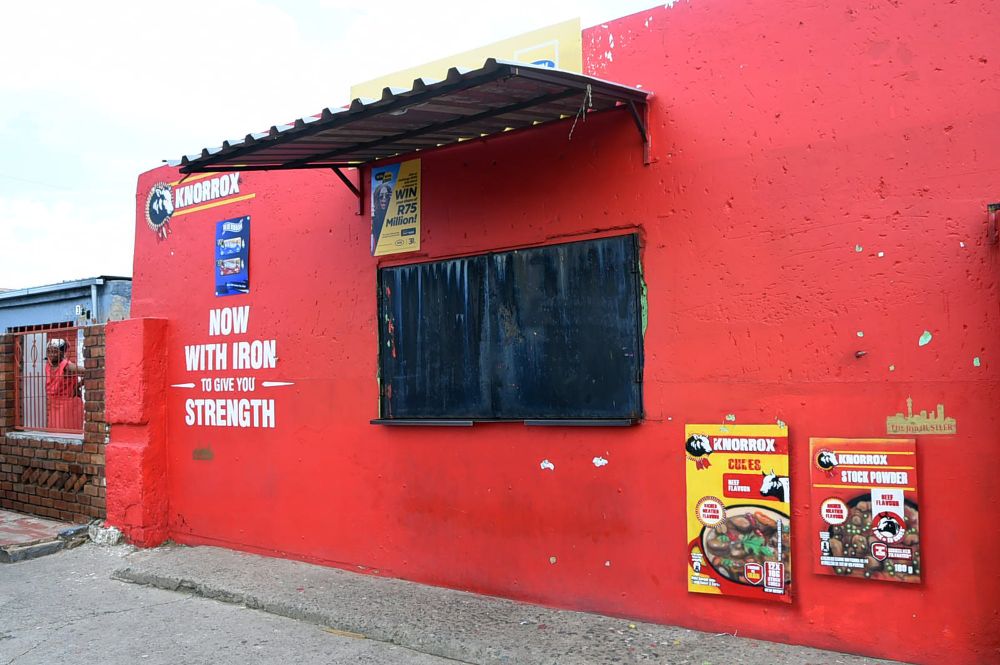
Nearly two years after food poisoning incidents claimed the lives of children across South Africa, Gauteng’s food safety system has been found to be fundamentally compromised by systemic governance failures, corruption and weak enforcement, leaving communities vulnerable to contaminated food.
The findings, released on Friday by Public Protector Kholeka Gcaleka, stem from a systemic investigation launched after the 2024 food poisoning crisis, in which at least 23 children died nationally, including six children from Naledi, Soweto, who consumed snacks contaminated with the highly toxic pesticide Terbufos bought from a local spaza shop.
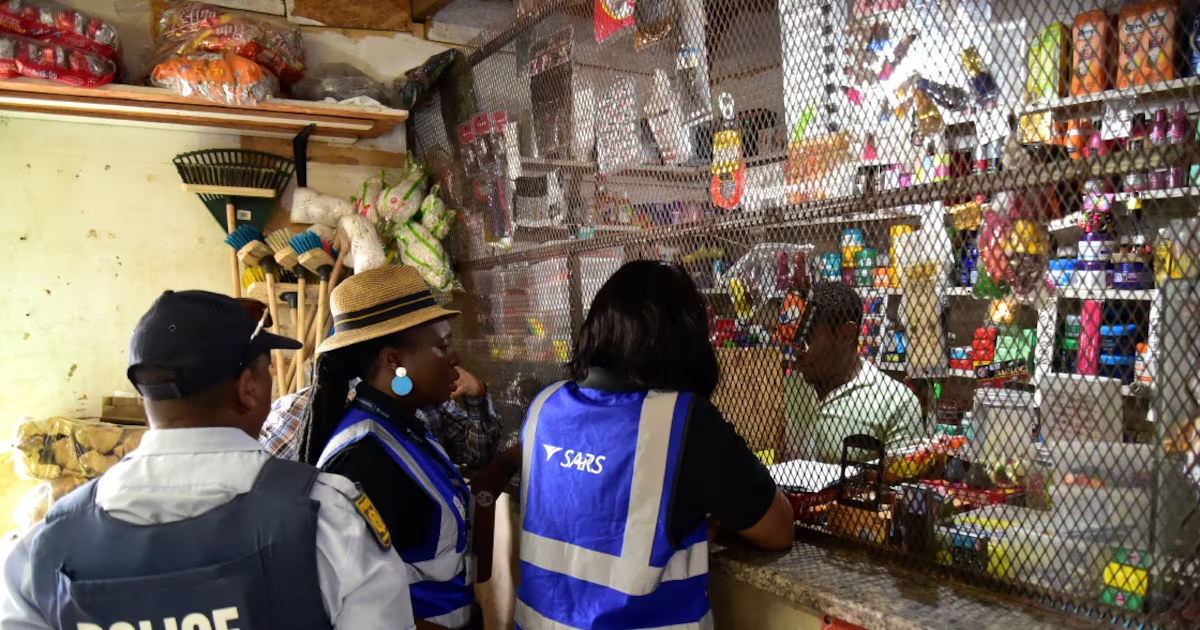
The deaths sparked nationwide outrage, triggered a government crackdown on informal food businesses and led to the compulsory registration of spaza shops and other interventions aimed at tightening food safety oversight.
Despite those measures, Gcaleka found that Gauteng still lacks the capacity to effectively enforce food safety laws.
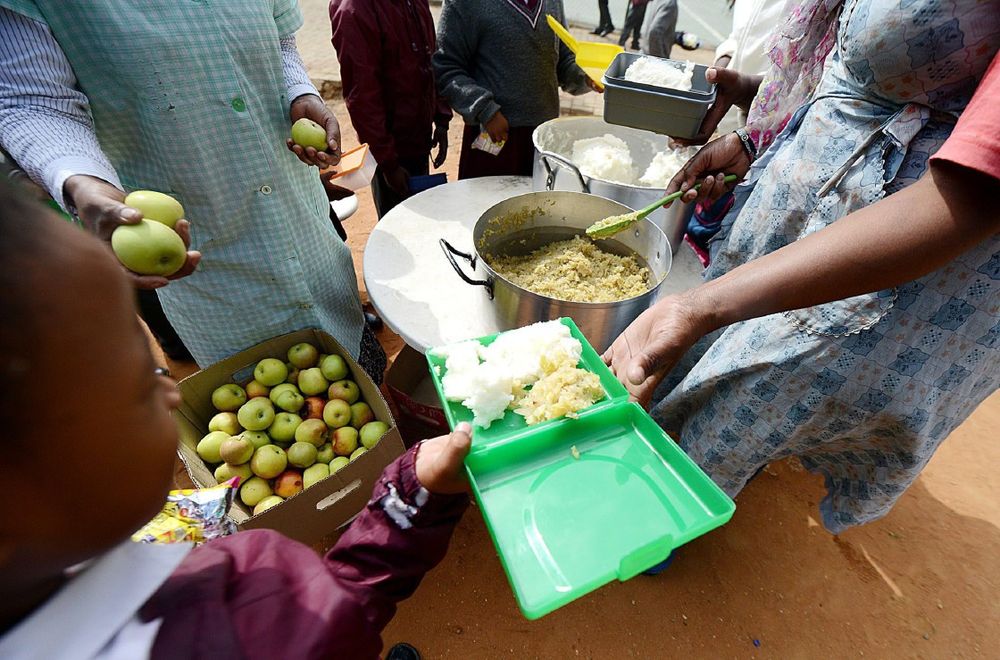
“There are grounds to conclude that the Gauteng Province currently lacks the proper capacity to enforce food safety practices by informal food retailers, including spaza shops, vendors, hawkers and school feeding schemes,” the report states.