Scardovari, Italy —
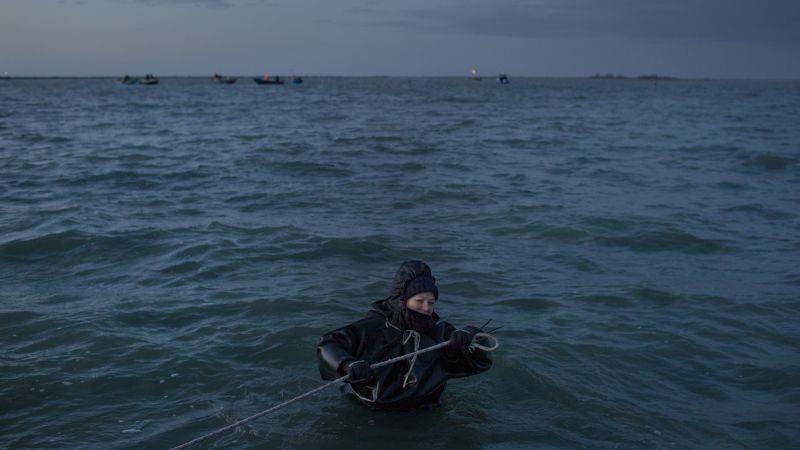
As the sun was rising, two fisherwomen dragged their boat through the Scardovari lagoon in northeastern Italy. Oscarina Soncin stood in one of the largest clam-harvesting sites in Europe — the frigid water lapping against her knees as she scraped the seafloor with a metal rake. The motion kicked mud, sand and the region’s famous delectable Manila clams into her net. Her fishing partner Giovanna Pizzo sorted the clams from the debris.
For more than two decades, the duo hauled in more than 4 pounds of clams each morning from the lagoon in the Po River Delta — upending the notion that women were unsuited for such a rigorous job. Their enterprise drew international attention, inspiring a profile by National Geographic in 2021. The two enjoyed a reliable income and the feeling of freedom on the water.
Then, in 2023, they started picking up broken shells with no clams inside. They had to stay on the water longer to collect their quota but weren’t always successful.
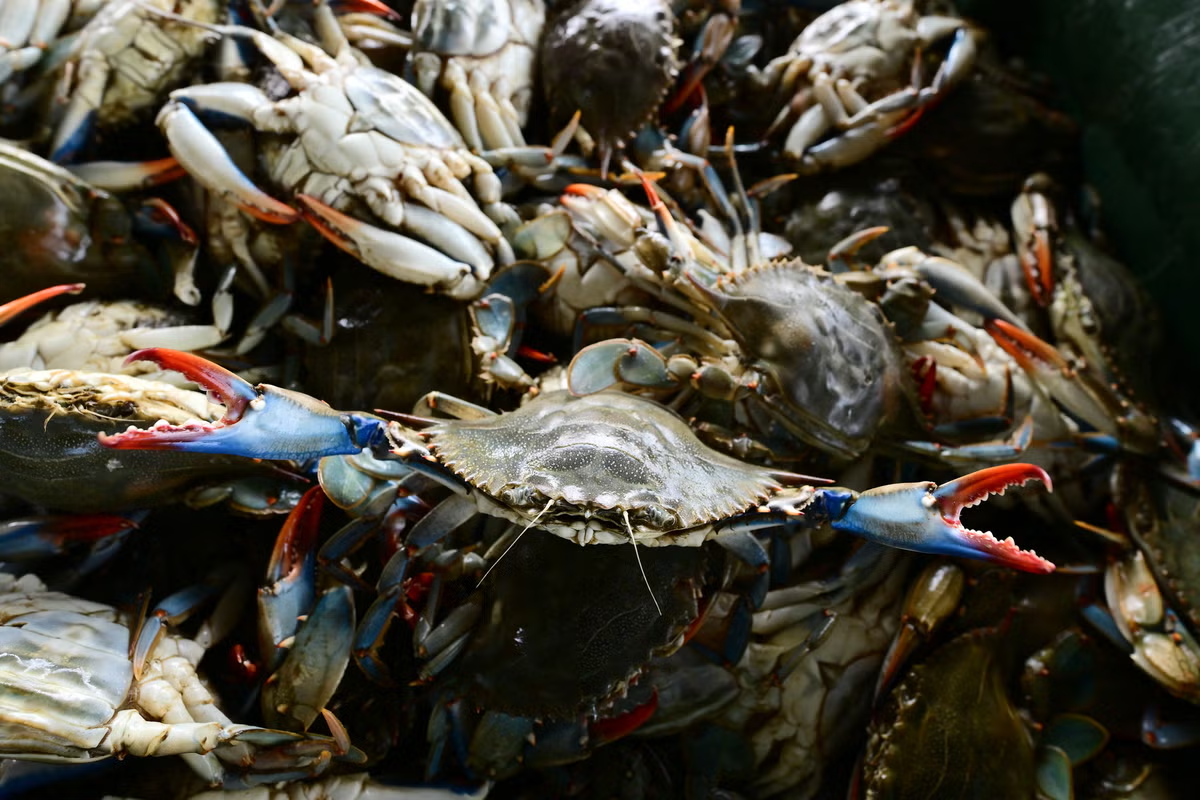
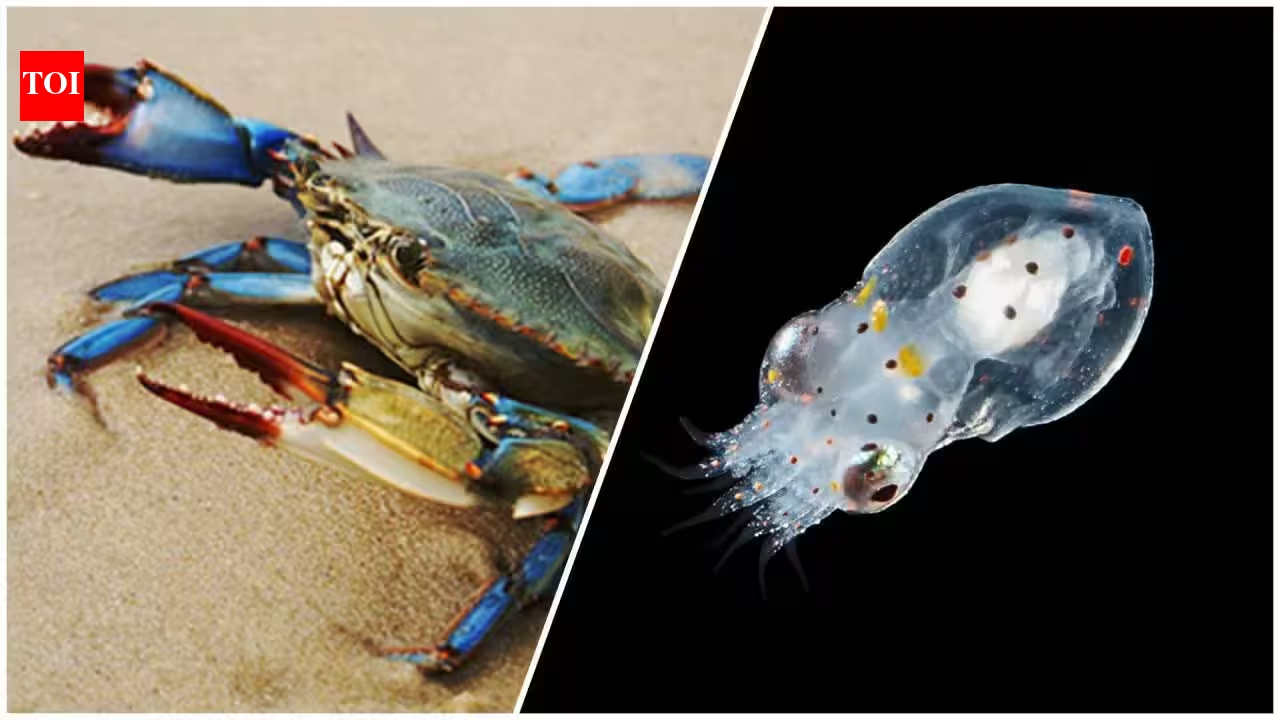
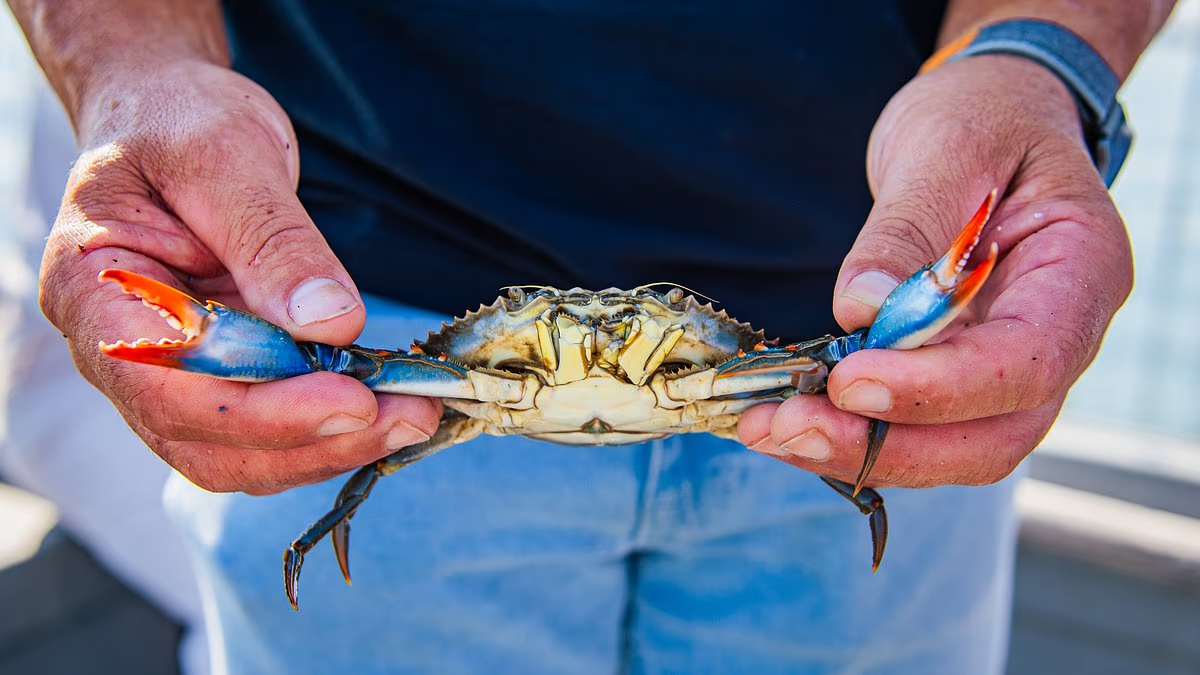
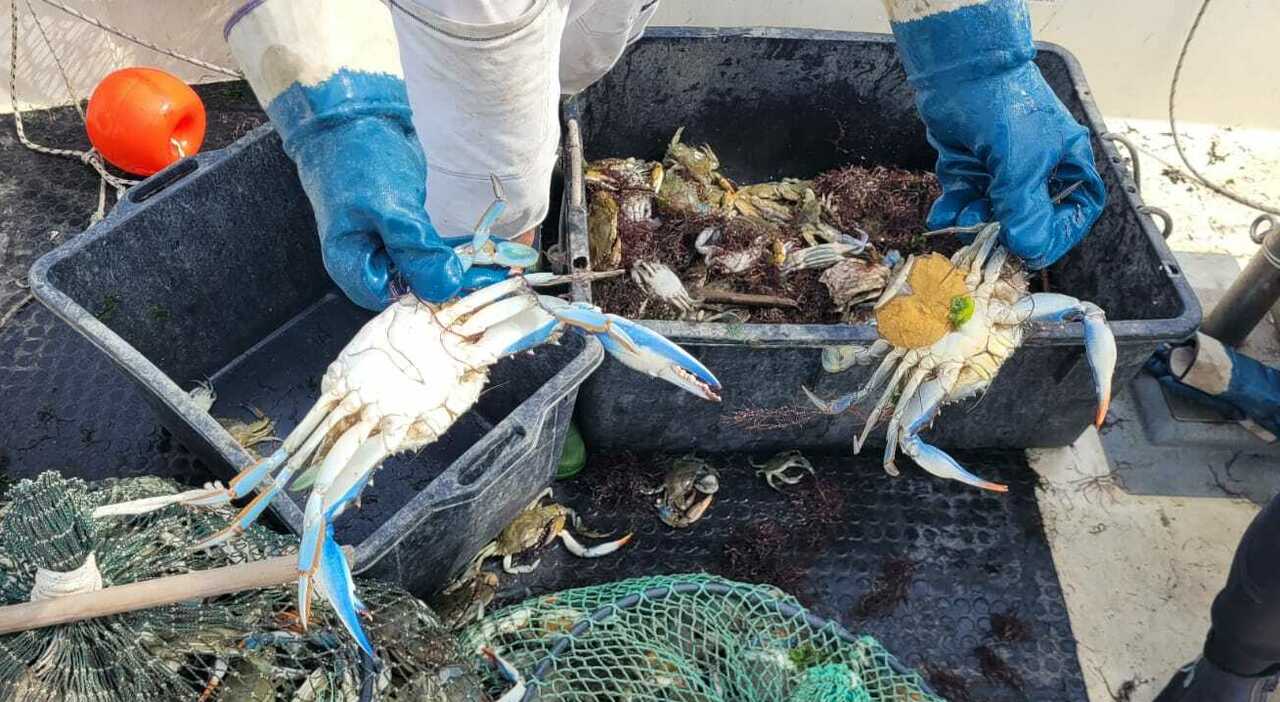
A competitor had emerged and was lurking nearby: the Atlantic blue crab. The crustacean — a prized seafood in Maryland, elsewhere along the US eastern seaboard and the Gulf of Mexico — had overrun the Po Delta, devouring the cultural staple that once provided a livelihood for generations of clammers.