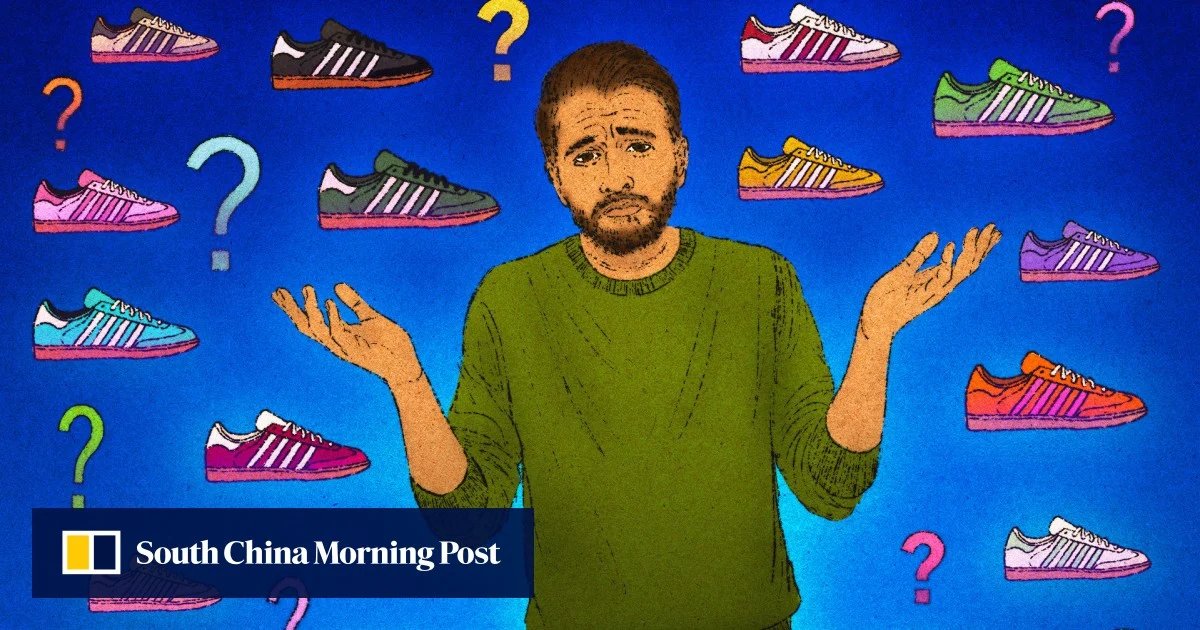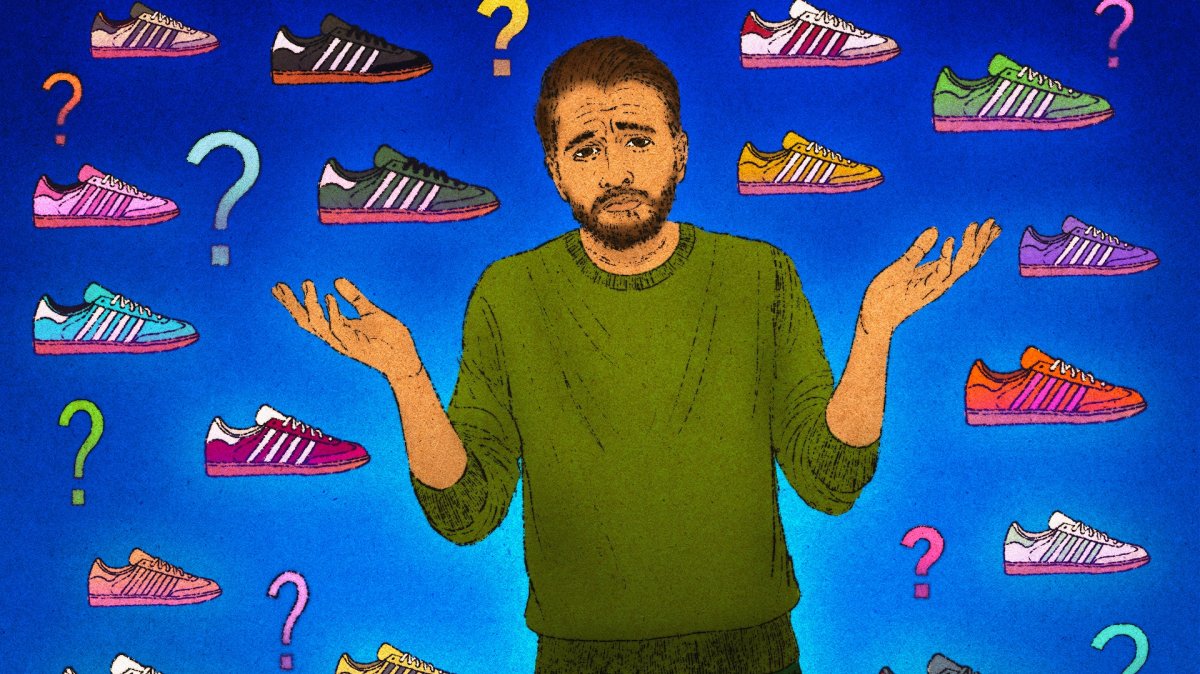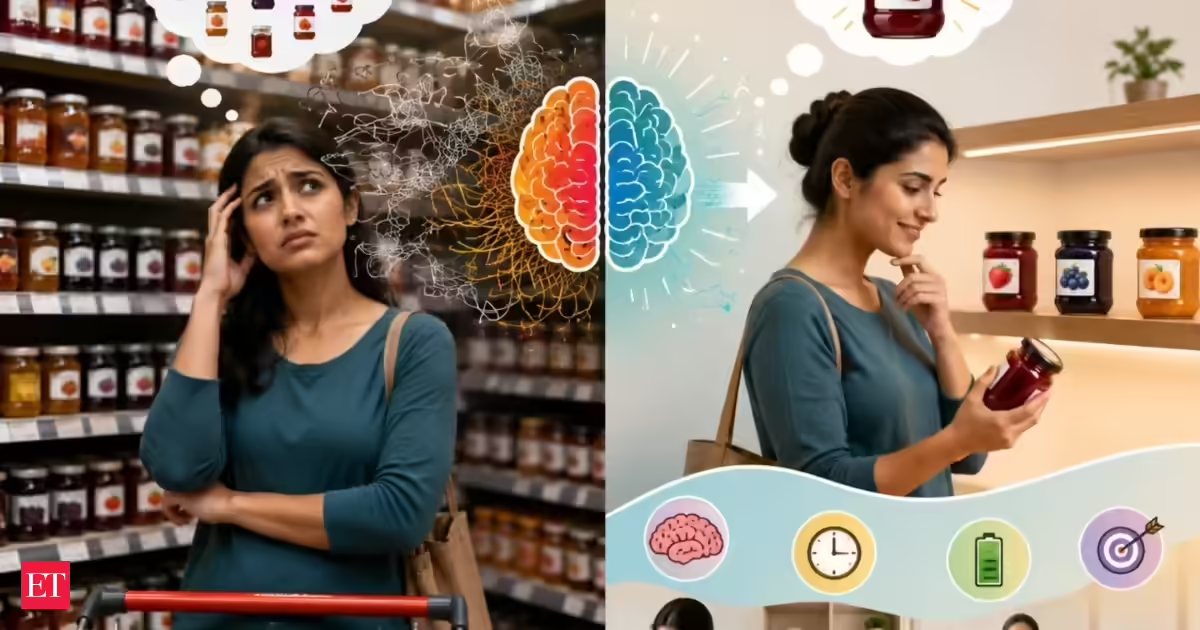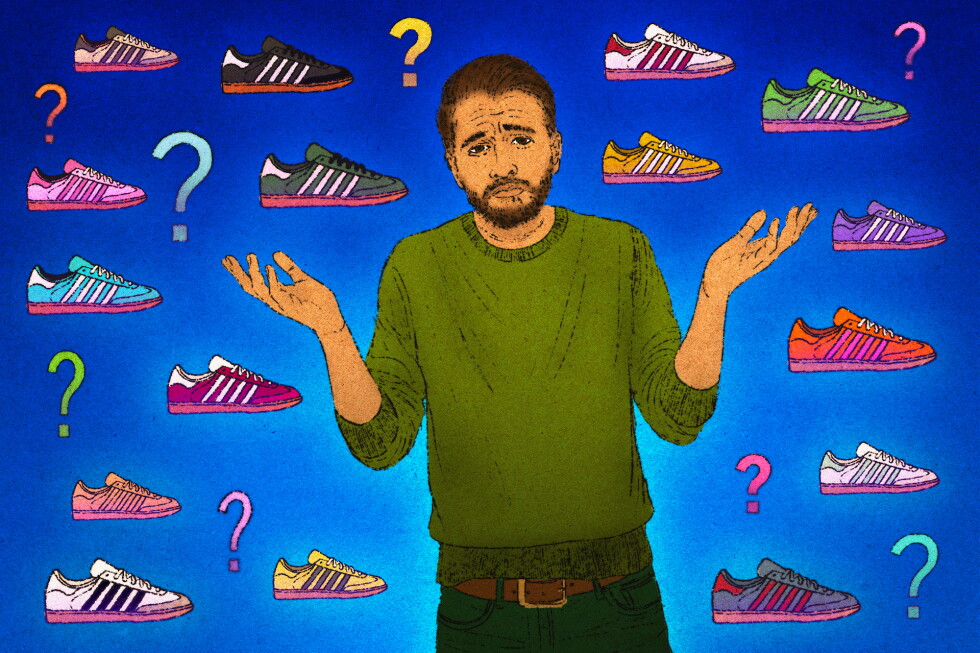
Jeans that fit perfectly. The ideal Netflix show for a Tuesday night. Your one and only soulmate. Modern life promises that with enough options, you will happily find the best of everything.But behavioral scientists say the increasing flood of choices — whether it comes to shopping, social lives or relationships — is doing the opposite.The idea that more choice is better is baked into Western culture, but research shows that having more options can make people anxious, indecisive and, paradoxically, less happy with what they pick, said Barry Schwartz, an emeritus psychology professor at Swarthmore University and author of “The Paradox of Choice.”“There have been hundreds of studies showing that there can be too much of a good thing,” Schwartz said.To minimize the mental noise, he said, limit the number of choices you make, and your brain will thank you for it.
This article is part of AP’s Be Well coverage, focusing on wellness, fitness, diet and mental health. Read more Be Well.
More is often more confusingSchwartz offered several examples of cases where more options left people worse off.In the case of Medicare Part D prescription drug plans, people in states with more choices were less likely to choose any of them, he said. The same goes for 401(k) investments. The more options a company had, the less likely employees were to sign up, even when the employer offered matching money.