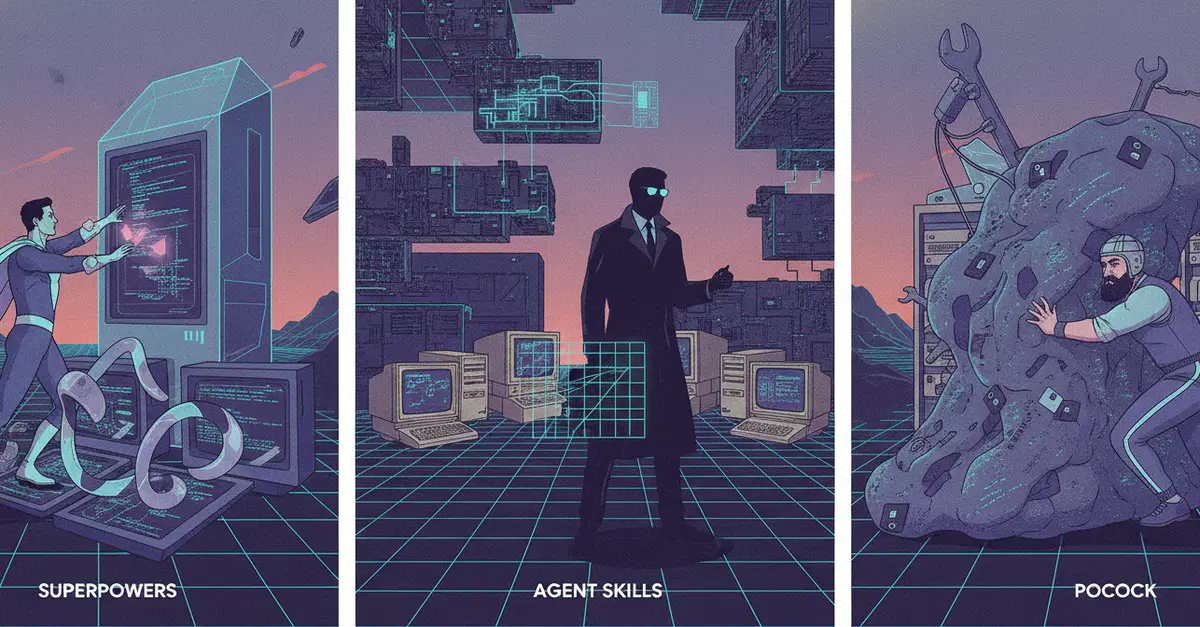
Skill frameworks for AI coding agents are exploding in popularity. As of July 2026, Superpowers has roughly 256,000 GitHub stars, Matt Pocock's skills have roughly 176,000, and Agent Skills has roughly 79,000. All three promise to make AI agents write better code by feeding them structured Markdown instructions.
But there is a fundamental problem that deserves more attention than it gets: the behavioral control layer in these frameworks is plain English written in Markdown files (what literary types call "prose"). Not code. Not configuration. Not compiled rules. Just natural-language sentences that the agent reads and interprets. Ambiguous, probabilistically interpreted, context-sensitive sentences. And the industry is calling that engineering.
This article is about why that matters, what the real failure modes are, and what actual guardrails would look like.
What Is the Control Plane?
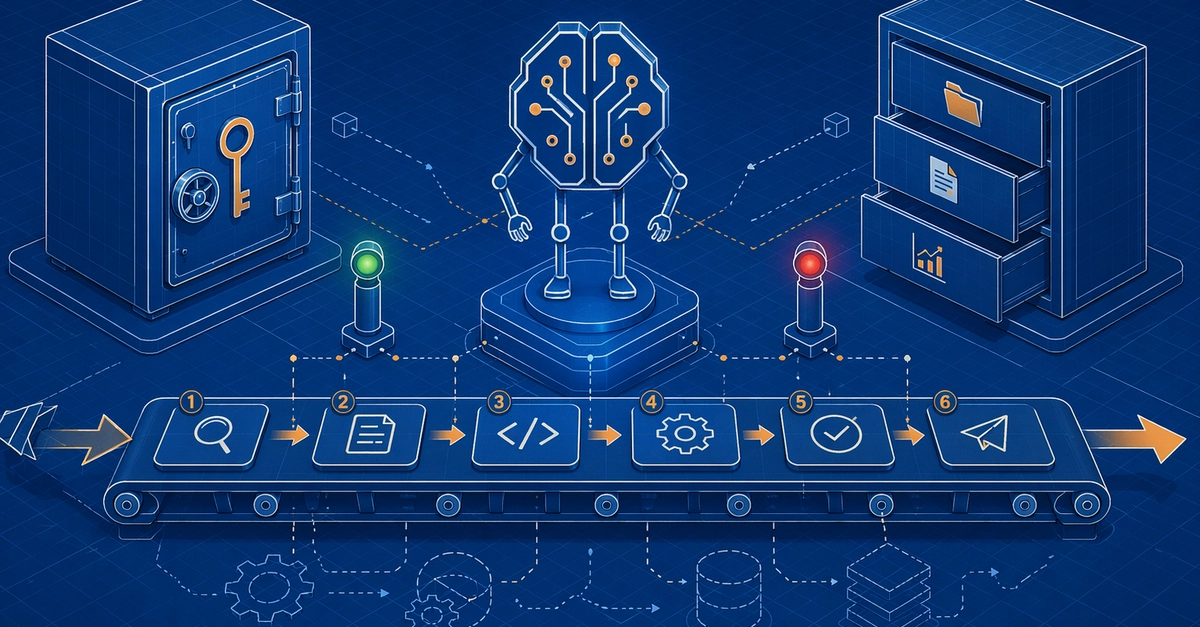
In traditional software, the control plane is the layer that governs how a system behaves: configuration files, type systems, access control policies, deployment pipelines, CI/CD gates. These mechanisms share a common property. They are deterministic. A type checker either passes or fails. A CI pipeline either succeeds or errors. The behavior is reproducible and independently verifiable.