AI coding agents are often discussed as though they are a single tool: ask for code, receive code. In practice, useful agent work has stages. You need different behavior when the request is unclear, when a design has to survive scrutiny, when implementation is underway, and when work must move into a new session.
Trying to solve all four stages with one large prompt usually produces a compromise. The agent may be verbose while you need execution, eager while you need questions, or unable to resume work because the important context is buried in chat history.
This article covers four skills that address those distinct problems: Caveman for concise execution communication, Superpowers for structured development, grill-me for pressure-testing a proposal, and handoff for transferring the live thread to a fresh agent or session.
They are complementary. The goal is not to add more ceremony to every edit. It is to apply the smallest useful constraint at the moment it prevents the most waste.
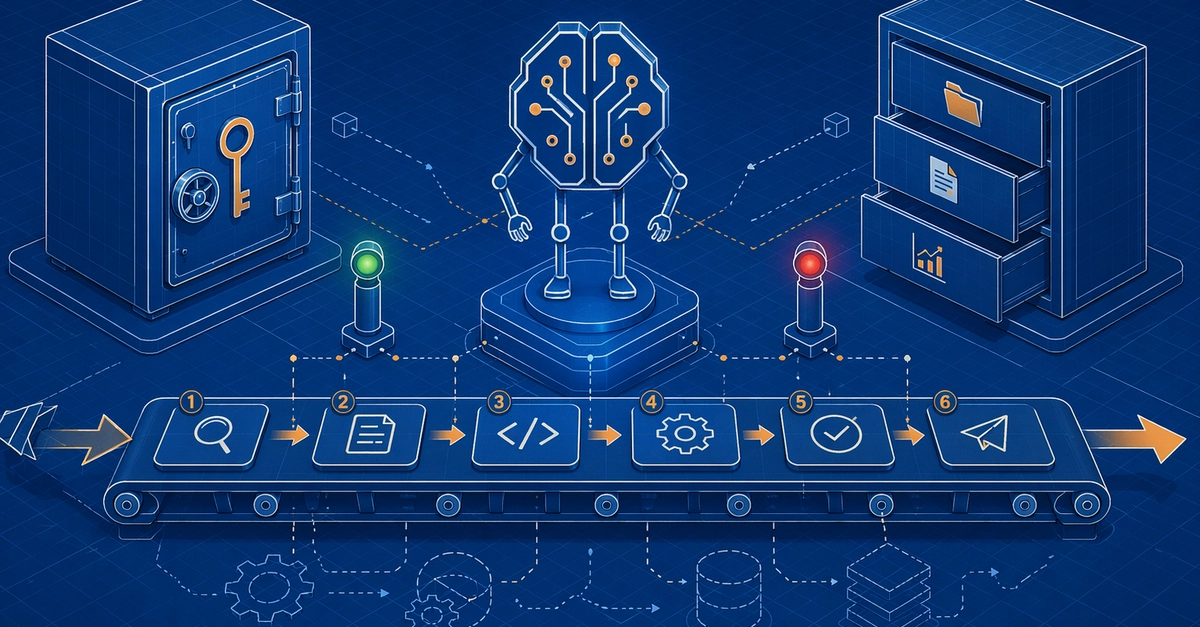
The four failure modes of AI-assisted development