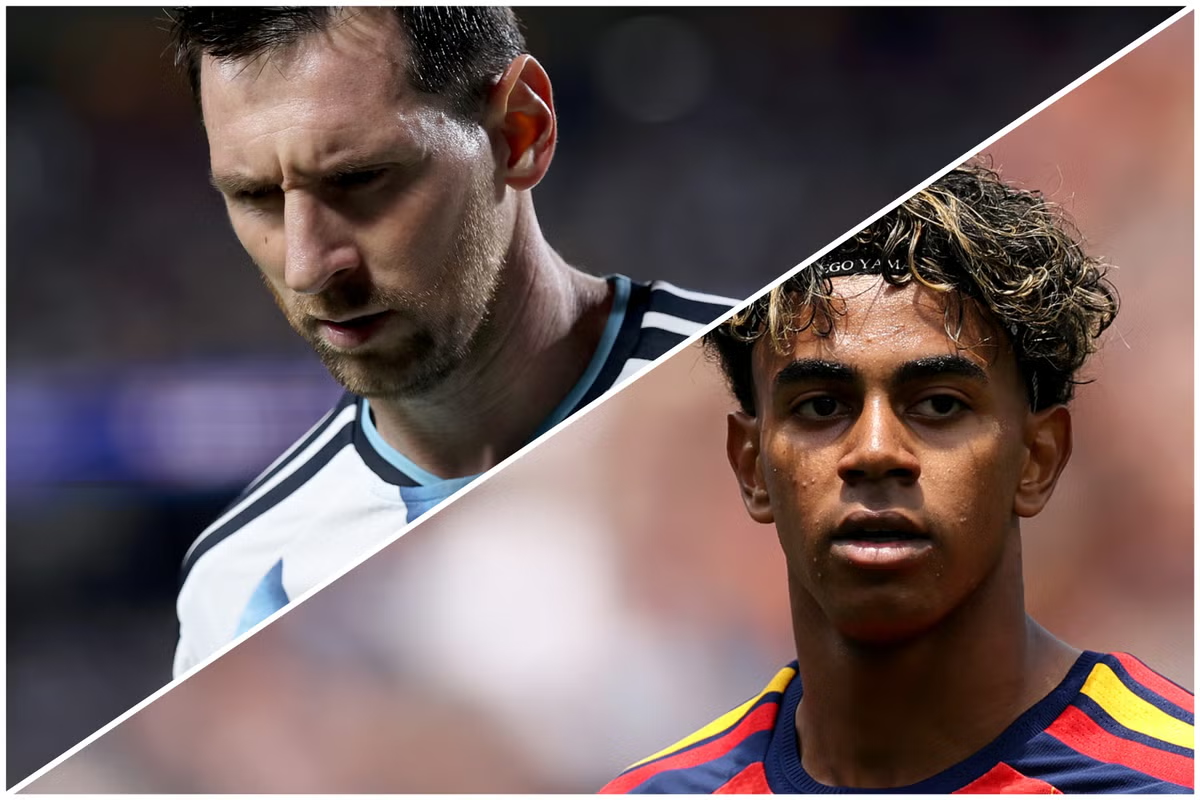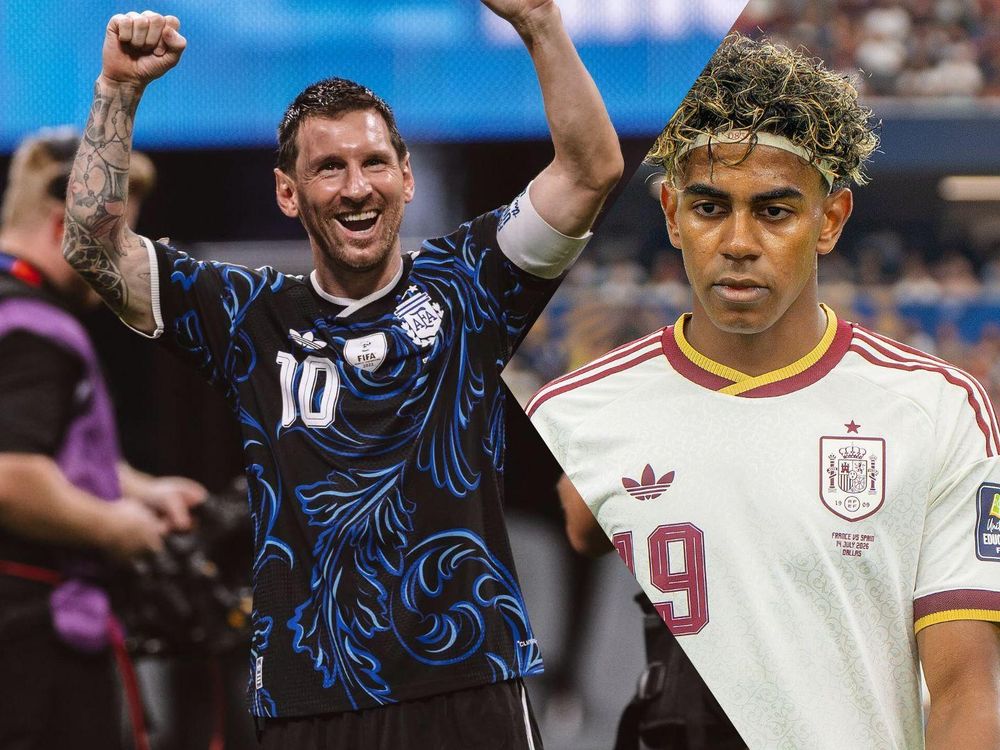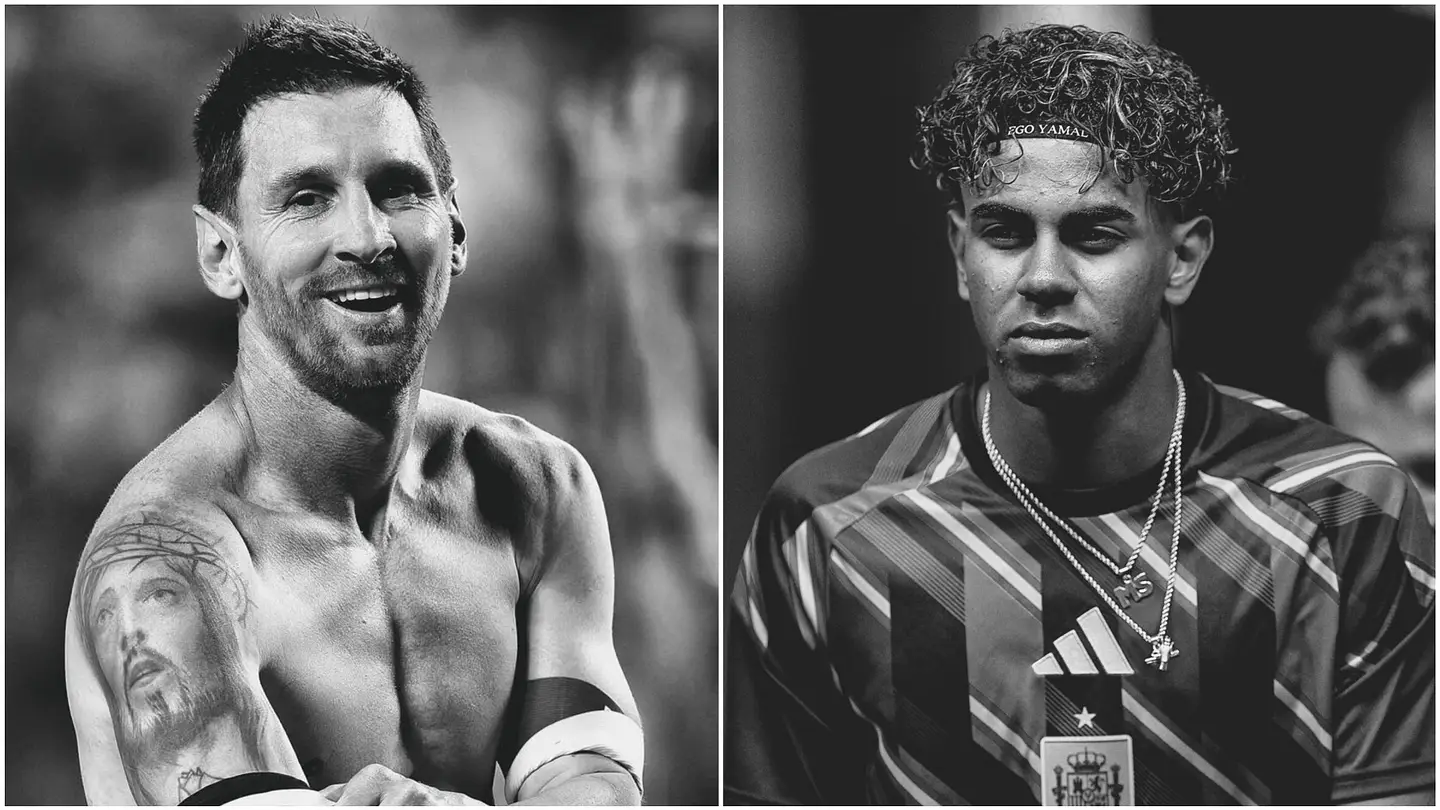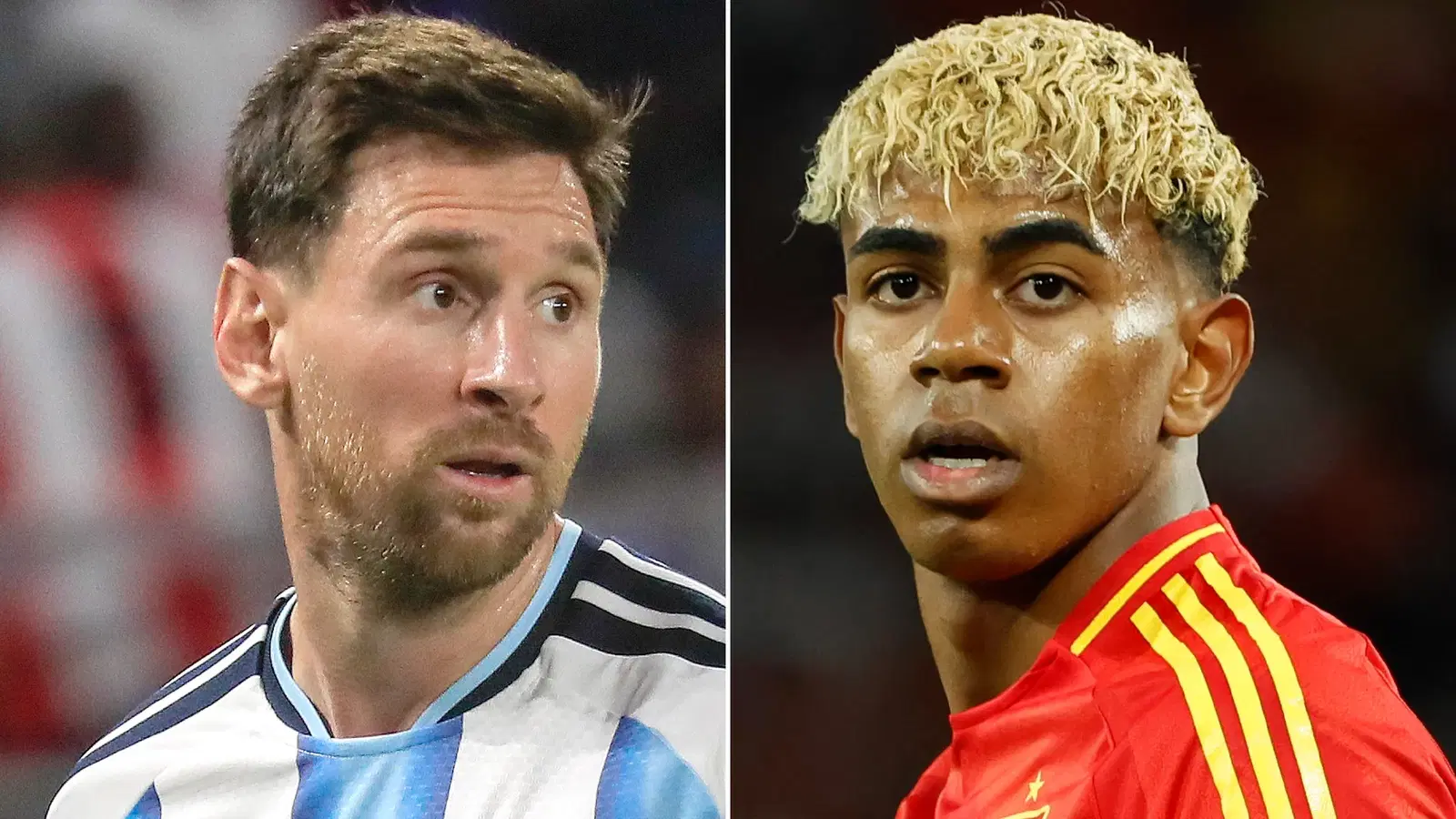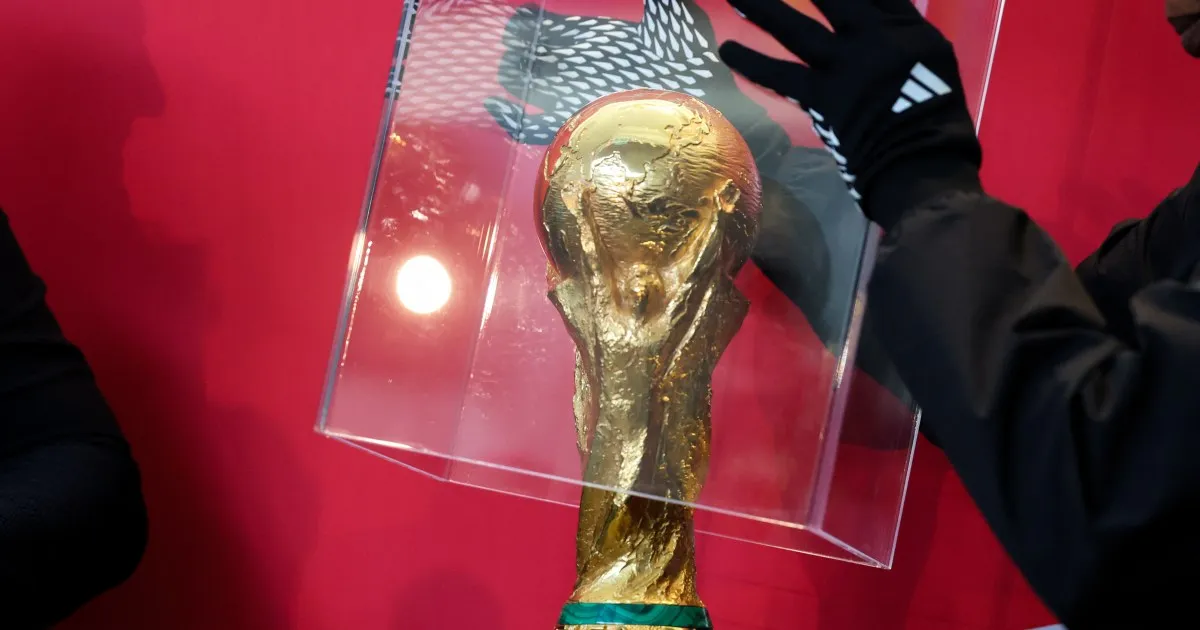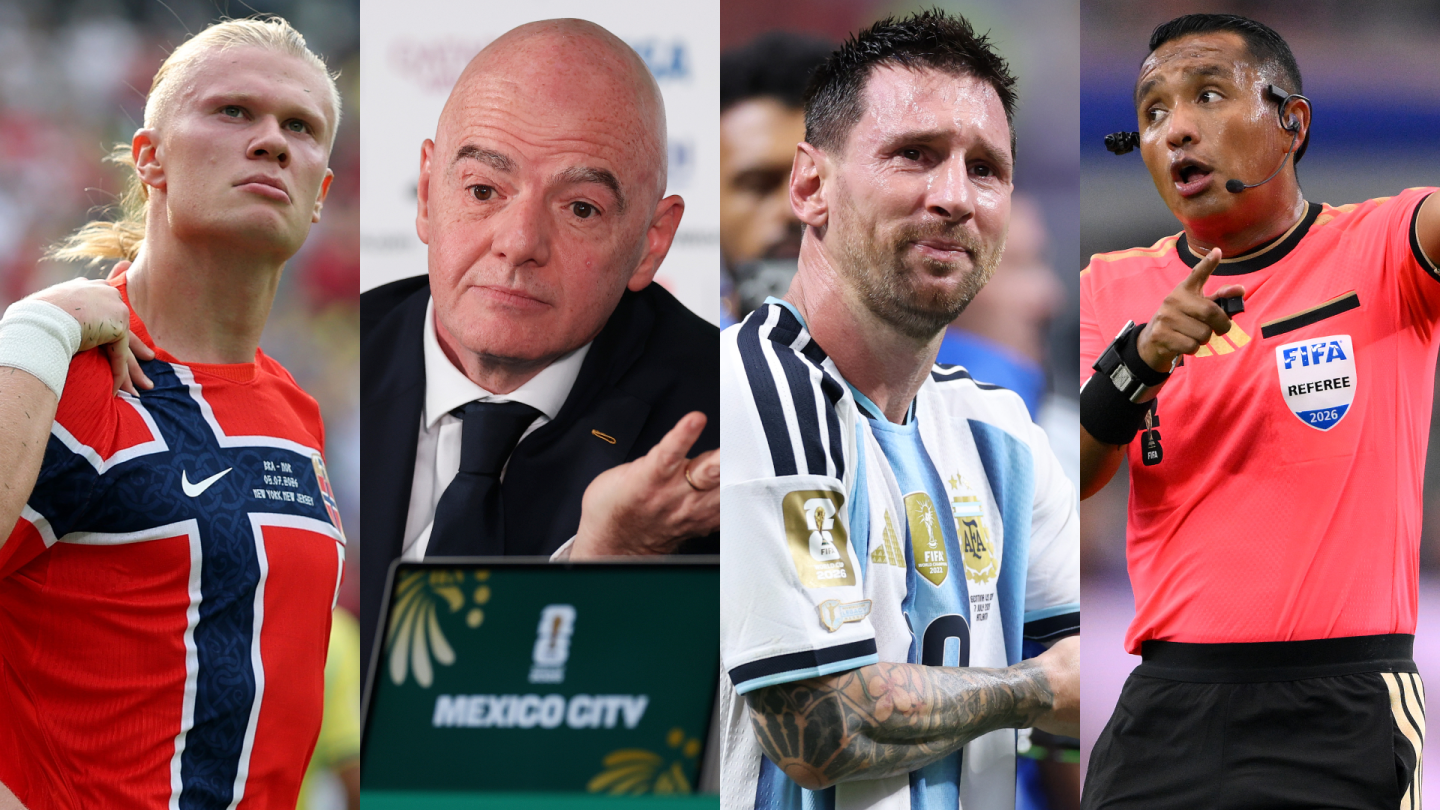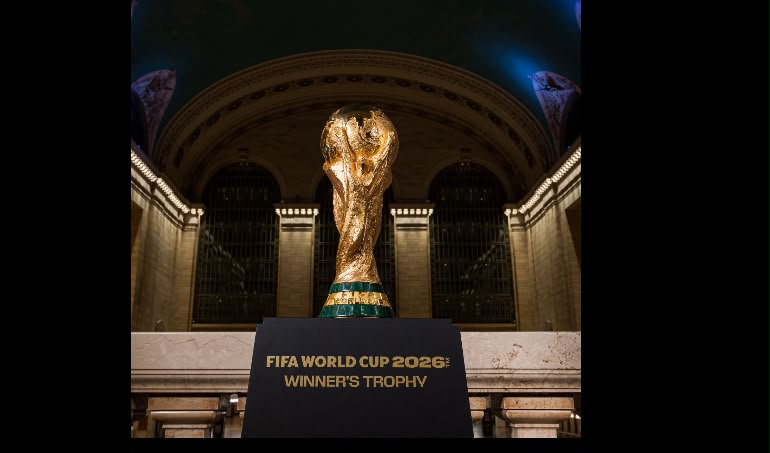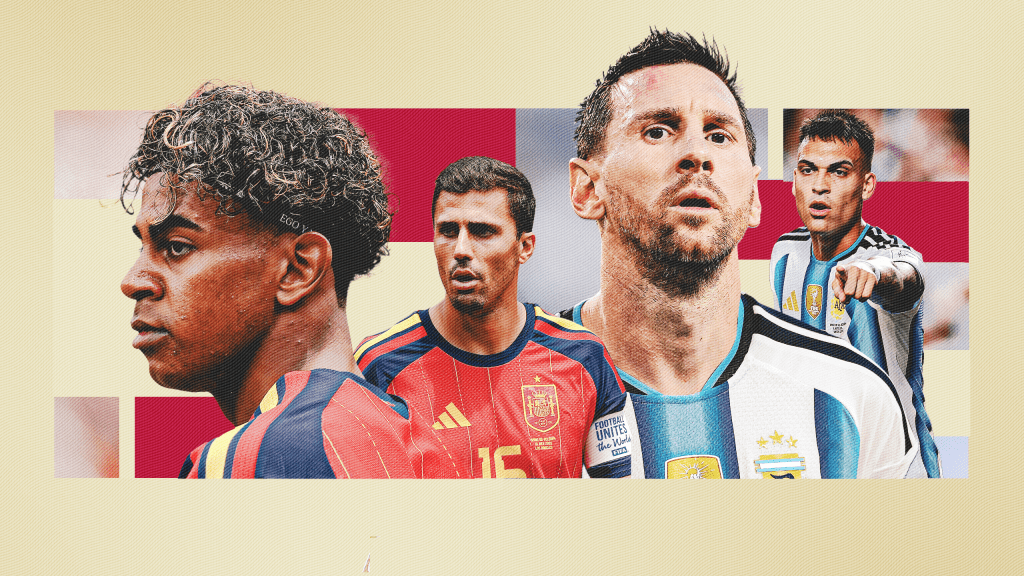
The 2026 FIFA World Cup final on July 19th is not merely a match; it is a funeral for the game as we knew it.
Every civilization has a moment that historians later recognize as the quiet beginning of a new age. It rarely arrives with the fanfare of revolution. More often, it wears the mask of progress,welcomed as improvement, applauded as common sense. The change is almost imperceptible, a slow accumulation of ordinary decisions, until one day we look up and realize we have crossed a threshold we never saw ourselves approaching.
Perhaps football has reached such a moment.
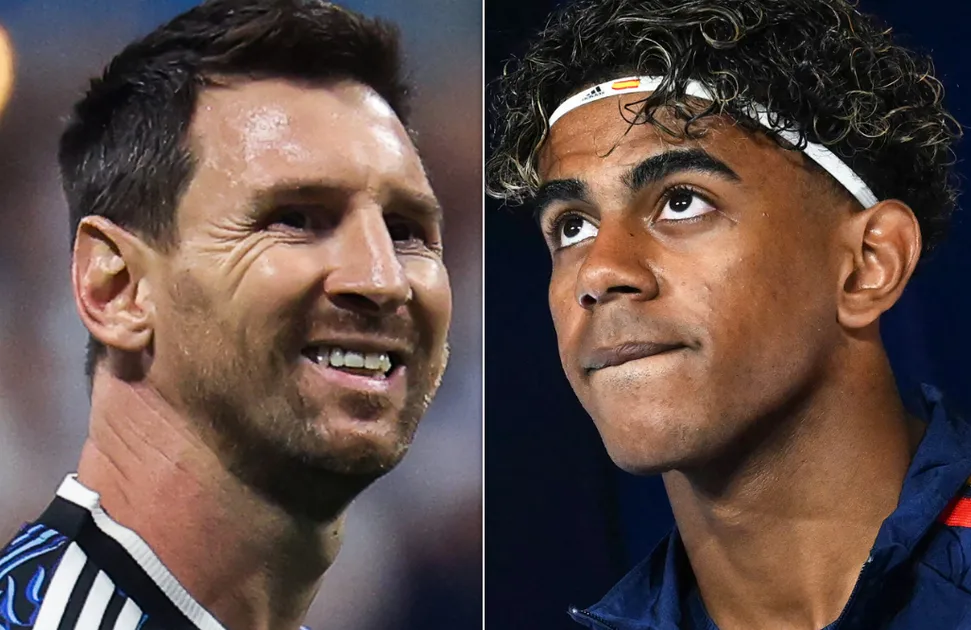
On July 19, when Argentina and Spain walk onto the pitch in New Jersey, billions will believe they are watching the conclusion of another tournament. They will celebrate the goals and debate the tactics. Few will notice that they are witnessing the quiet end of something far older than any trophy. For nearly a century, the World Cup was the last refuge of the romantic,a global mythology built on the absurd, beautiful idea that a child from a dusty street in Rosario, Lagos, or Manchester could, through pure, organic genius, bend the arc of history.
That era is over.