There has to be an explicit policy recognition of the rights of pedestrians to well-maintained, unencumbered footpaths
| Photo Credit: Getty Images
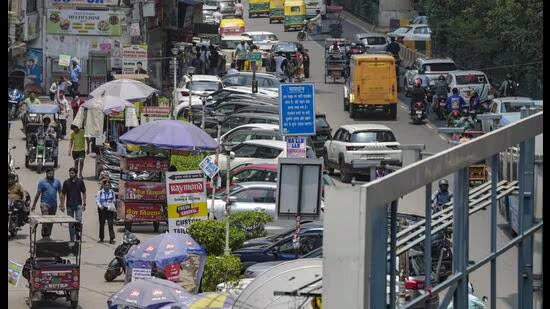
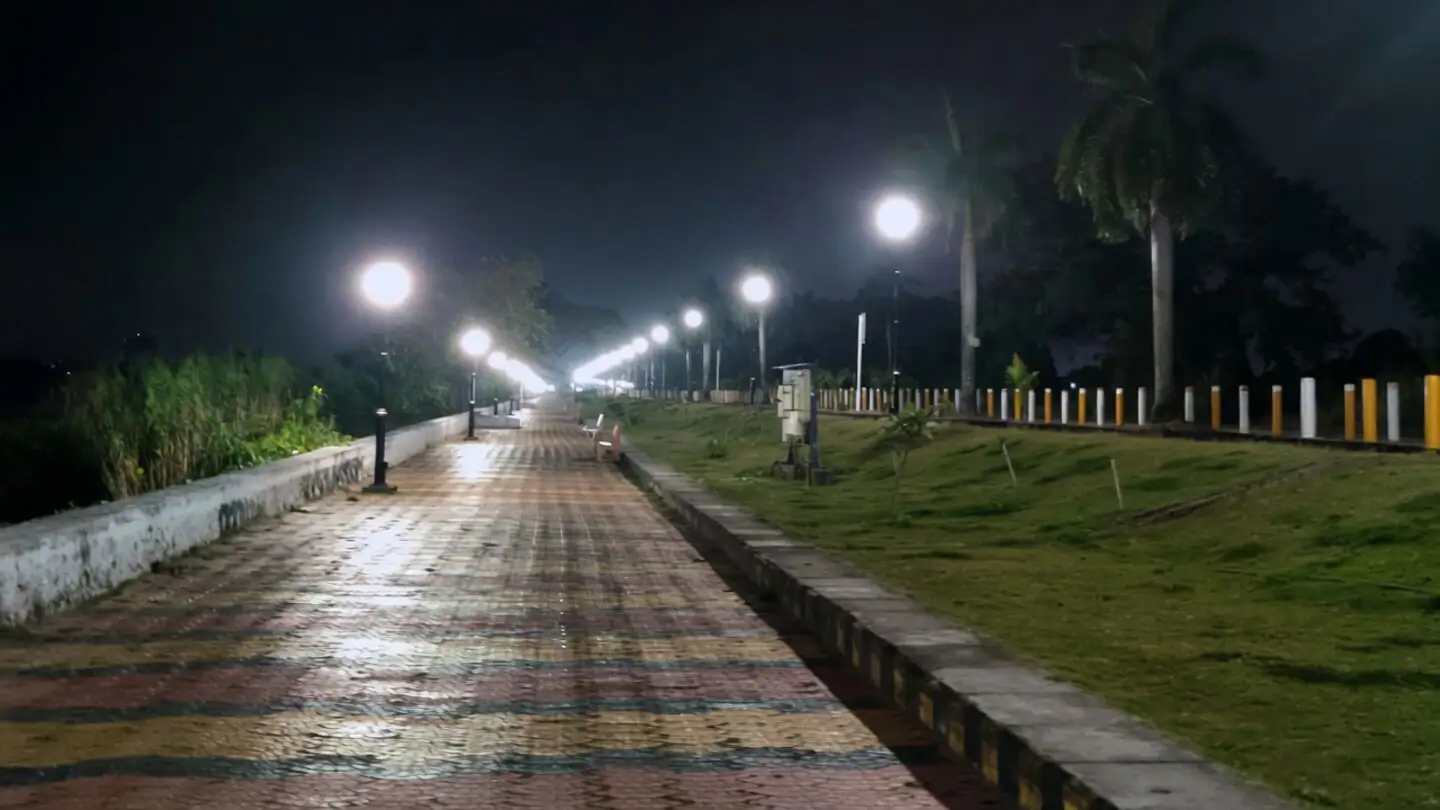
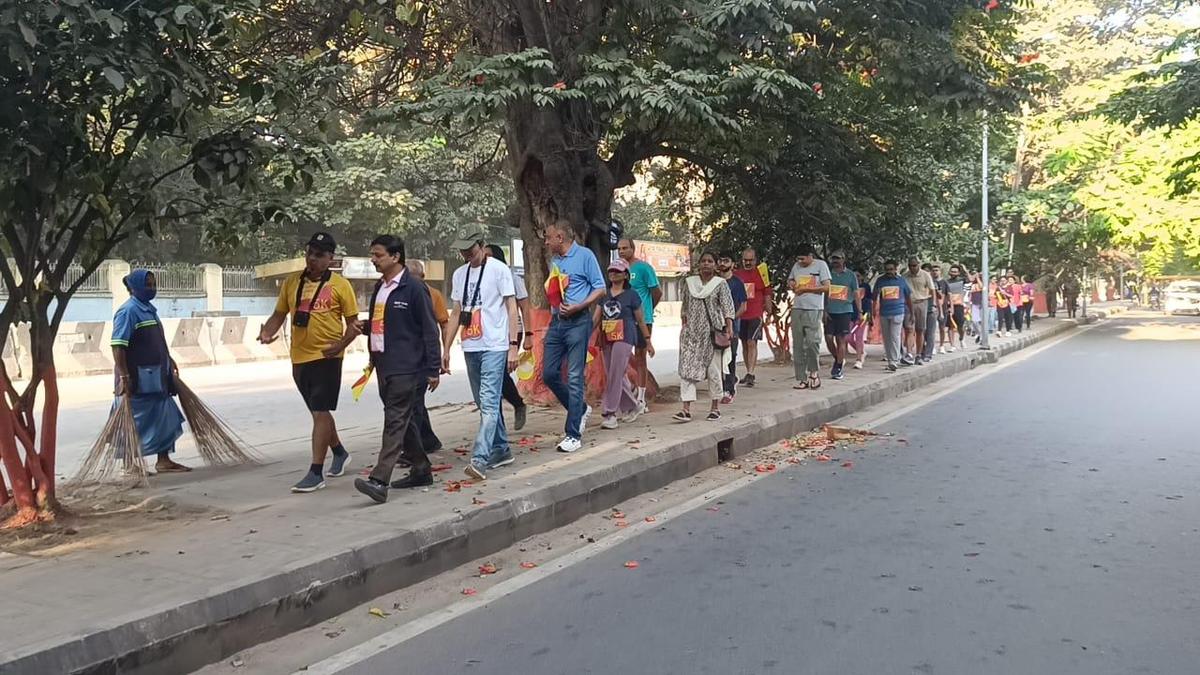
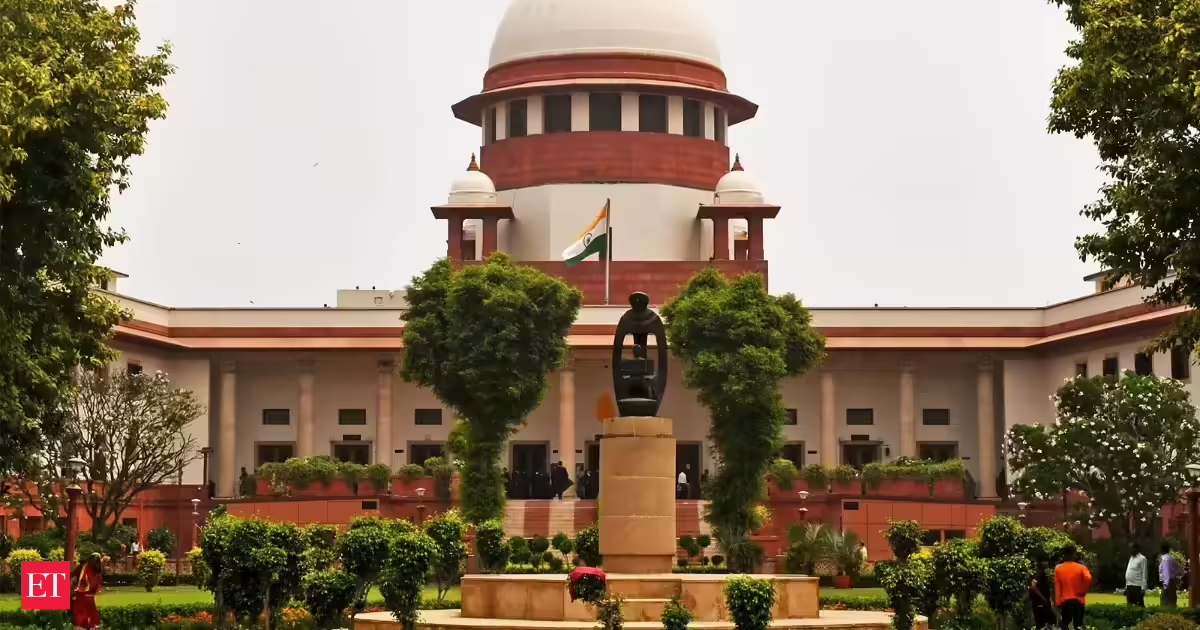
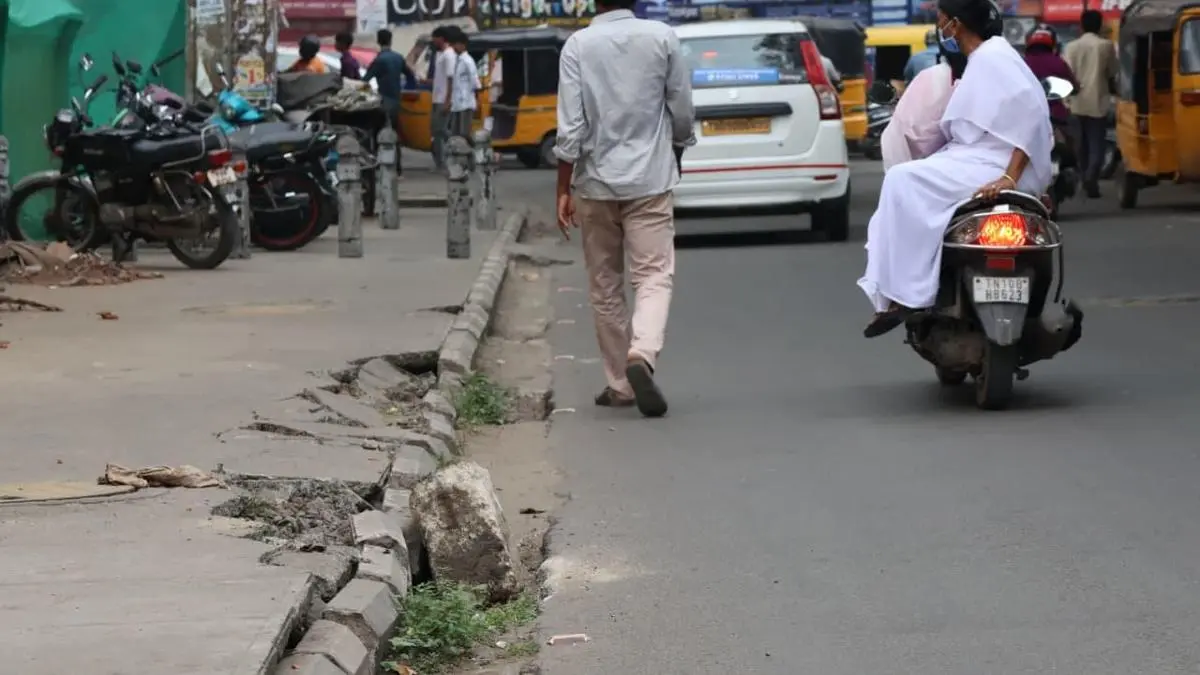
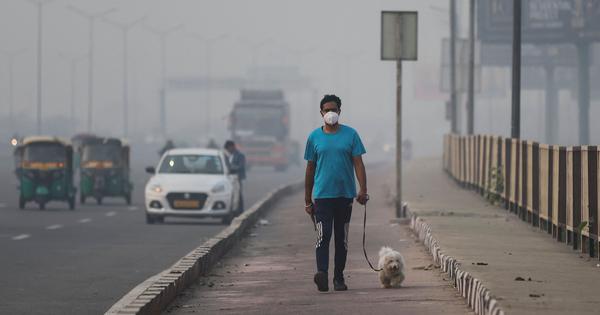
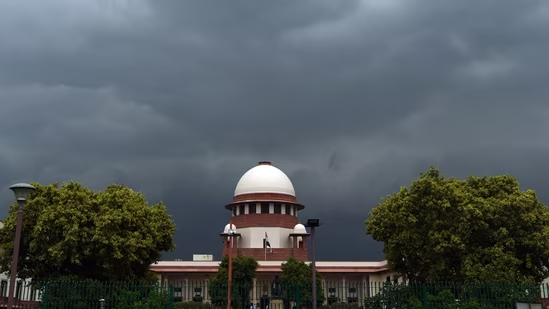
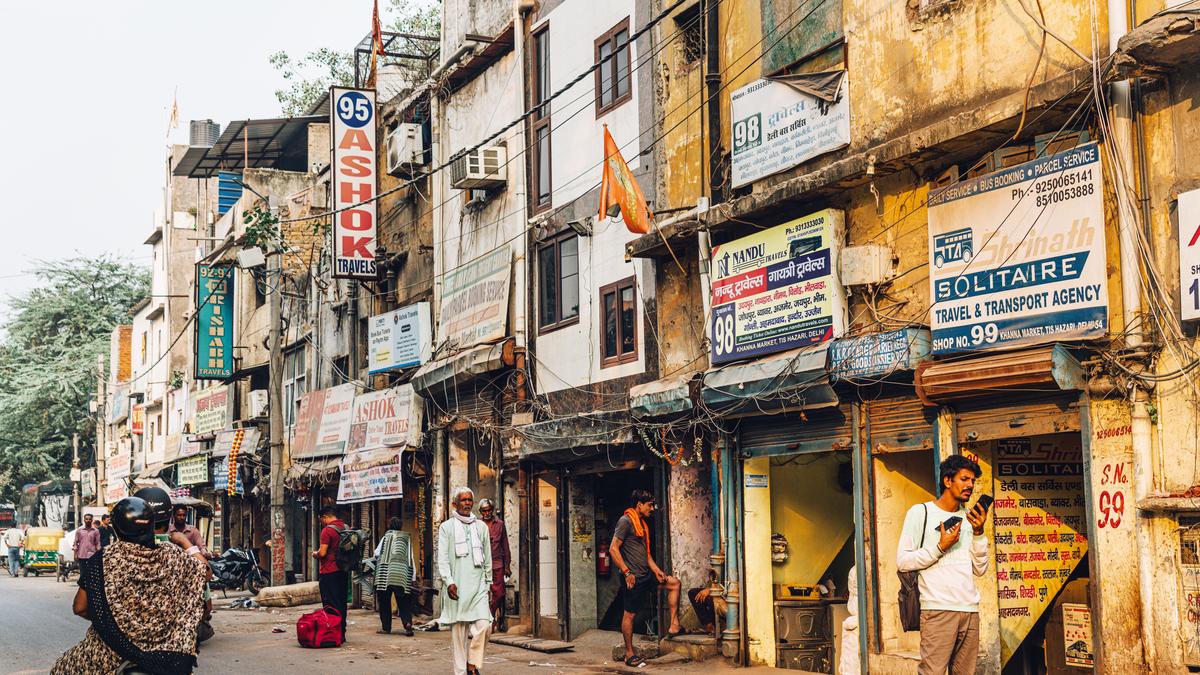
On June 19, the Supreme Court recognised the right to walk on demarcated and well-maintained footpaths as a fundamental right. It directed the government to introduce a law that declares this right and to set up a regulatory body to implement the right. The judgment came in a case involving the death of a five-year-old boy hit by a truck on his way to school.The judgment acknowledges walking not just as a means of transport but also as a practice with deep historical, social, and political meanings in the Indian context, with a rich tapestry of religious practices and political movements where walking has been central to the country’s social-political lives. Furthermore, the judgment explicitly mentions, “The fundamental right to walk on demarcated footpaths shall override the privilege of a motorised vehicle.”Who is an encroacher?Despite a progressive judgment on the rights of pedestrians, there are concerns that the resulting law will be used to disproportionately target the poor, specifically hawkers and pavement dwellers. Such a judgment inevitably opens up public discourse on who has the right over public land and who is considered an “encroacher” over it. The legal and administrative understanding of “encroachments” has been classist in nature. Further, to secure the right to walk on footpaths, the state must discard such double standards and intentionally privilege the rights of pedestrians over those of the motorised vehicle.There is sufficient historical precedent to show the double standards with which courts and state agencies view and manage “encroachments” on public land. Take the case of the Mahipalpur Ridge in New Delhi, wherein the Supreme Court allowed the construction of hotels, malls, and office buildings on forest land while demarcating all surrounding areas for biodiversity conservation. For this purpose, several slums considered encroachments were cleared, and the local community lost access to these lands, which they used for cattle grazing and fuelwood collection.Similarly, in June 2021, at the peak of the COVID-19 pandemic, the top court ordered the demolition of more than 5,000 houses in Khori Basti, a 170-acre low-income settlement on the Delhi-Haryana boundary, effectively displacing 10,000 families. Most of the residents had migrated into the area in the 1990s as mine workers and had bought their plots through local real estate agents. While the Faridabad Municipal Corporation demolished the houses of thousands of such families deemed encroachers on forest land, it left the farmhouses, malls, hotels, and other commercial structures on such land untouched. Thus, encroachment on forest land by elite actors continues unabated, while the judiciary and state machinery exclusively penalise encroachment by low-income groups, who often have no other viable options for housing and livelihoods.In the landmark case Olga Tellis v. Bombay Municipal Corporation (1985), the slum and pavement dwellers of Bombay challenged their planned eviction. In its judgment, the Supreme Court recognised two sets of entitlements as part of the right to housing: the right to notice and hearing before evictions and the right to rehabilitation under existing schemes. However, it failed to provide any meaningful material relief to the slum-dwellers. Instead, the court ordered their removal on the grounds that no one has the right to use public property for private purposes without authorisation and that the public’s right to use pavements for passage takes precedence over the slum-dwellers’ claim to occupy them.Spatial inequalityYet, the same state that evicts pavement dwellers with great zeal has turned a blind eye to a much larger occupant of public space: the parked car. Planners typically account for 23 sq. m of land for parking an average-sized car. According to the CSE’s analysis in 2009, in the business district of Connaught Place in New Delhi, the rent of such an area could be as high as ₹36,000 a month. Cars and their associated parking needs raise serious questions of spatial equality in cities such as New Delhi. While cars remain parked for 90-95% of their lifecycle and occupy over 10% of the city’s land area, the entire slum population of Delhi occupies only 3%, with low-income housing for a family unit being built under 25-40 sq. m. Added to this is the rapid rise in SUV ownership across India, which has triggered the demand for even larger parking spaces, well beyond the average 23 sq. m.Lines of parked cars blocking entire lanes on main roads and footpaths are a familiar sight in affluent residential and business districts in cities across India. Not only does on-street parking hinder pedestrians’ rights but it has also proven to be a major impediment to the implementation and maintenance of cycling tracks and dedicated bus lanes intended to improve and decarbonise mobility systems. While cities have built multi-level paid parking infrastructure, they remain heavily underutilised due to the availability of free, unchecked on-street parking on Indian roads. Therefore, the rising number of cars on Indian roads and their unchecked entitlement to public space pose a real threat to realising our fundamental right to footpaths. In line with the Supreme Court’s judgment, there has to be an explicit policy recognition of the rights of pedestrians to well-maintained, unencumbered footpaths over that of cars. This will require rigorous parking management, pedestrian-centric neighbourhood planning, and the political will to enforce these rights on the ground.Srijani Datta is an Oxford-educated Sociologist who writes on development, urban governance and gender. The views expressed are personal. Published - July 18, 2026 12:01 am IST