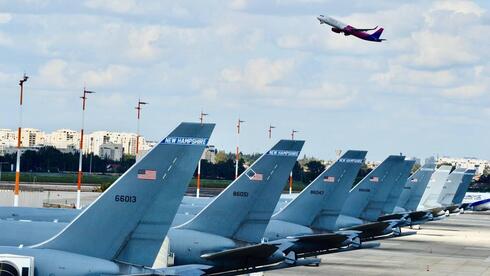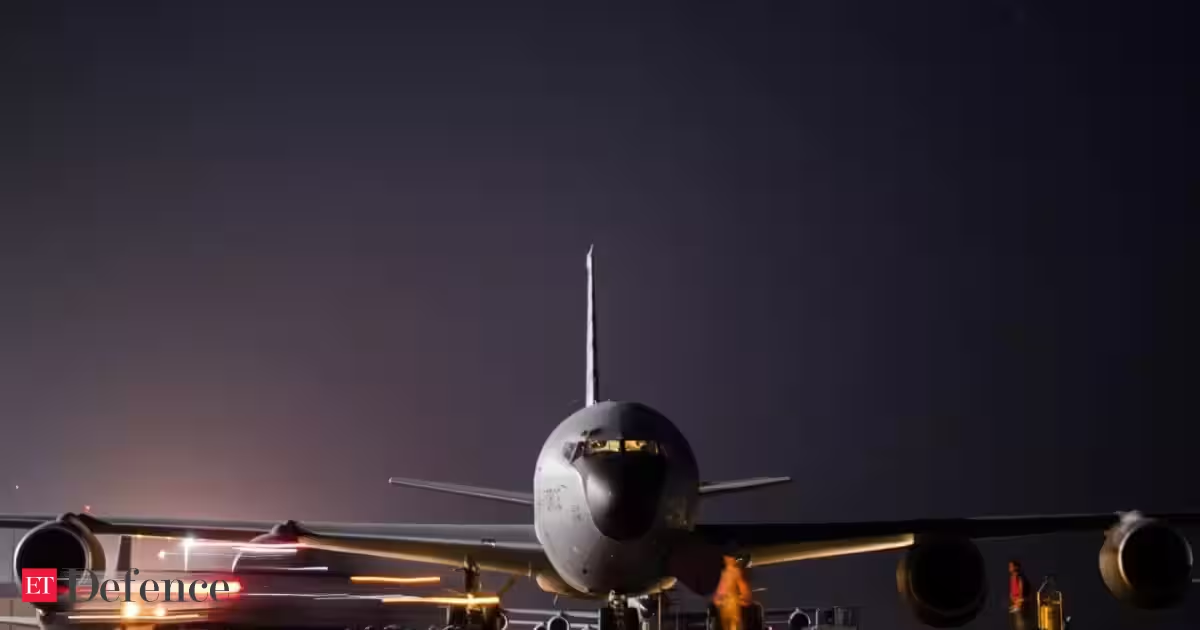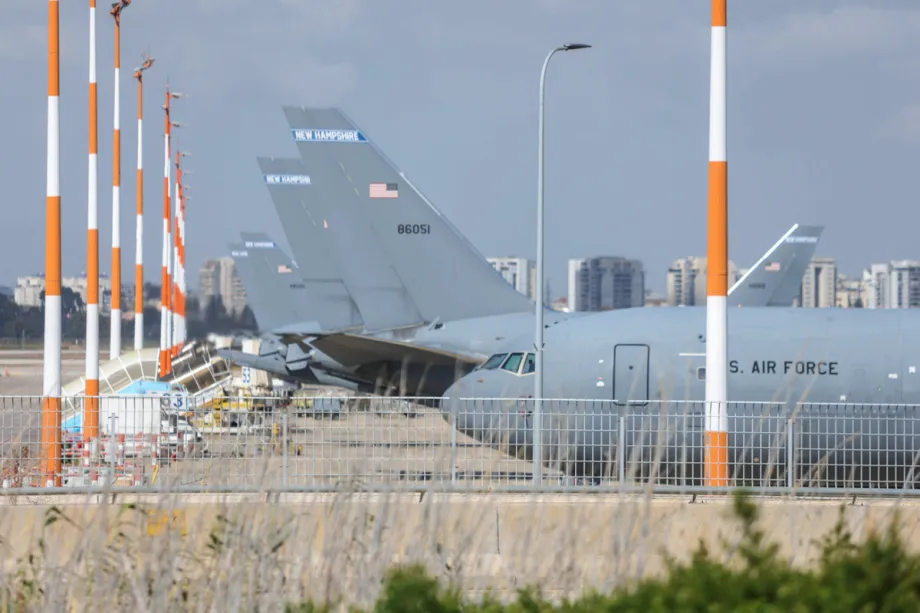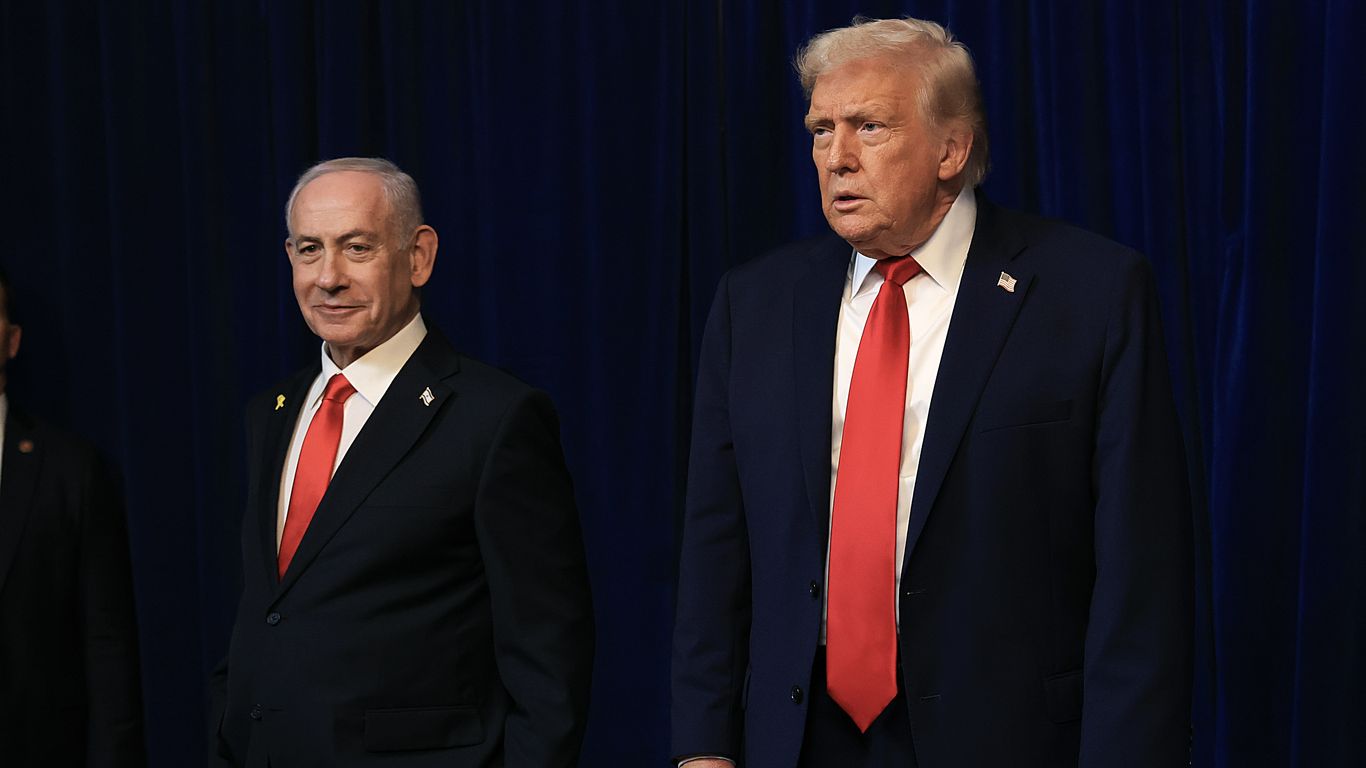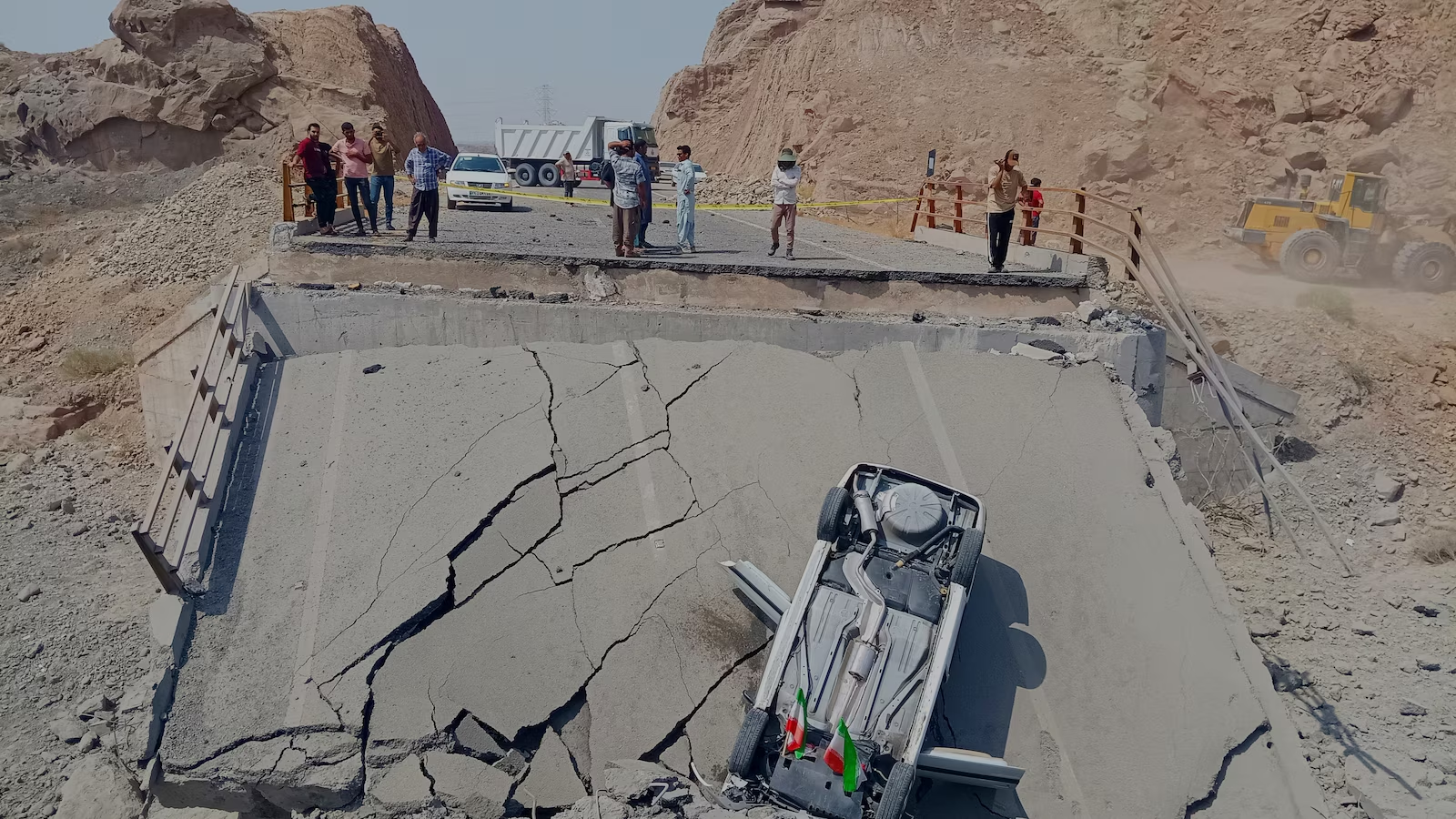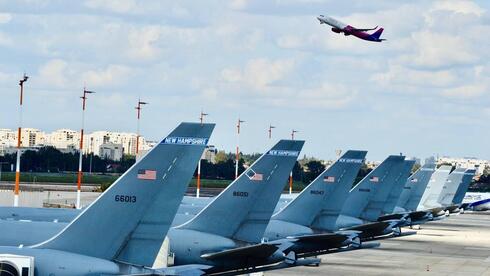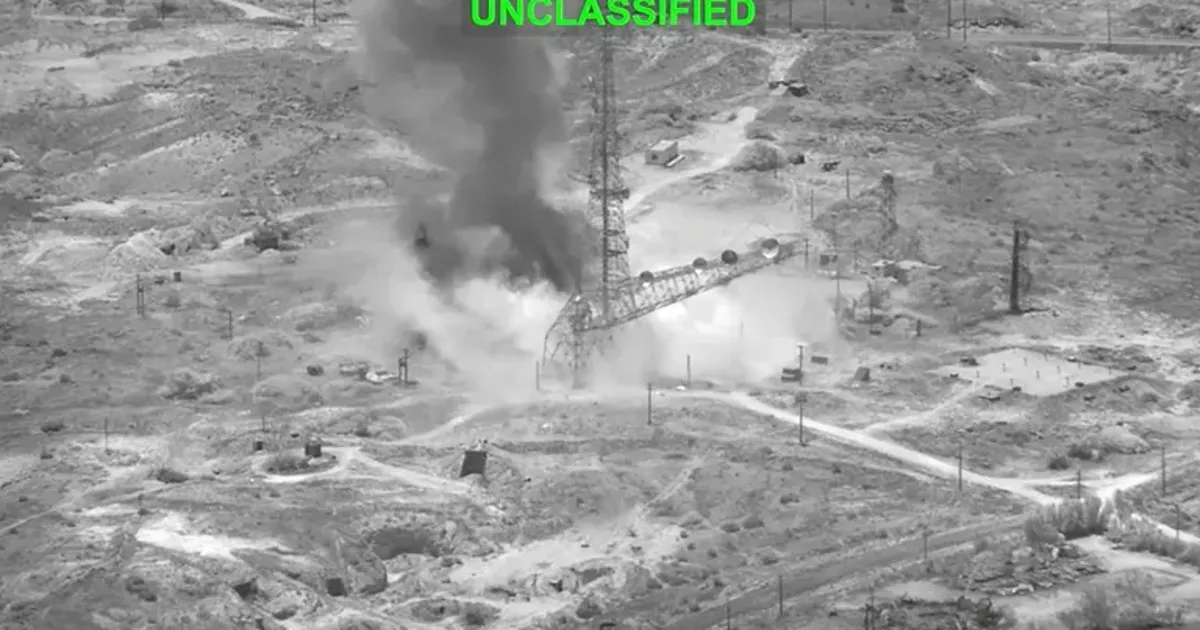
Current sectionIsrael NewsIsrael SecurityAxios reported that Washington plans to send dozens more aerial refueling aircraft to Israel as Trump weighs a broader campaign against Iran. 'If U.S. strikes continue for several days, we will move into a phase of full-scale offensive operations,' Iran adviser Mohsen Rezaei saidShare to FacebookShare to XArticle printing is available to subscribers onlyPrint in a simple, ad-free formatSubscribeComments: Zen reading is available to subscribers onlyAd-free and in a comfortable reading formatSubscribeAmerican refueling planes at Ben Gurion International Airport, April. Credit: Tomer AppelbaumAmerican refueling planes at Ben Gurion International Airport, April. Credit: Tomer Appelbaum03:00 AM • July 18 2026 IDTThe United States has informed Israel that it plans to send dozens of additional aerial refueling aircraft to the country as Washington prepares for a possible expansion of military operations against Iran, Axios reported Friday, citing three U.S. and Israeli sources.According to the report, U.S. President Donald Trump is considering a broader campaign against Iran than the strikes carried out so far by the U.S. military. Trump has not yet made a final decision, but could order an escalation in the coming days, the sources said.Possible targets under consideration include Iranian infrastructure and power facilities, additional strikes on nuclear sites, and a suspected underground facility known as "Pickaxe Mountain," which is believed to be under construction.Haaretz PodcastRep. Ro Khanna to Haaretz: ‘I’m more disturbed by Israel’s lies’ than being detained in West BankHaaretz PodcastRep. Ro Khanna to Haaretz: ‘I’m more disturbed by Israel’s lies’ than being detained in West Banktotal-- : --time0:00The Pentagon currently operates about 30 aerial refueling aircraft from Ben Gurion Airport and a similar number from Ramon Airport, according to Axios. The report said the U.S. military prefers operating the aircraft from Ben Gurion because it is considered more protected from Iranian attacks than other bases in the region.The deployment comes amid renewed U.S. strikes on Iran and growing regional tensions. The U.S. military launched a seventh consecutive night of strikes Friday, with Central Command saying the attacks were carried out at Trump's direction to "continue degrading the Iranian regime's military capabilities."U.S. President Donald Trump at the White House, in Washington, D.C., U.S., on Thursday. Credit: AFP/SAUL LOEBU.S. President Donald Trump at the White House, in Washington, D.C., U.S., on Thursday. Credit: AFP/SAUL LOEBThe U.S. military said the strikes targeted "coastal surveillance sites, air defense systems, military logistics infrastructure and naval capabilities."CENTCOM also said U.S. forces had "redirected" four commercial vessels as part of a maritime blockade against Iran.The refueling aircraft buildup has also created tensions over civilian aviation at Ben Gurion Airport. The U.S. military has not removed some of its refueling aircraft from the airport despite earlier plans to relocate part of the fleet. The move could reduce available parking space and flight slots for civilian aircraft, potentially leading to cancellations for thousands of Israelis.The U.S. had planned to relocate some of the aircraft in two phases – one in mid-July and another at the end of the month. Eighteen aircraft were scheduled to leave during the first phase, with the U.S. expected to keep only about 20 refueling aircraft at Ben Gurion in August, down from roughly 75 aircraft deployed in Israel since the outbreak of the previous Iran war on February 28.American Marines in the Gulf of Oman, Thursday. Credit: AFPAmerican Marines in the Gulf of Oman, Thursday. Credit: AFPThe latest U.S. strikes followed a broader campaign targeting Iranian military capabilities and infrastructure. Iranian media reported that three people were killed and eight wounded in U.S. strikes in Hormozgan province in southern Iran, according to a local official.Iranian state media reported that explosions were heard in Sirik, in southern Iran. Earlier, Nour News reported explosions in the port city of Bandar Abbas and surrounding areas on the Persian Gulf. Iran's Mehr news agency reported that parts of Ahvaz in southwestern Iran were targeted by U.S. missiles.Tasnim news agency reported that five explosions were heard in the central Iranian city of Yazd. Mehr later quoted a local official as saying that the U.S. strikes fell outside the city limits and caused no casualties.Iranian state media reported that five bridges were hit in the strikes and that seven people were killed. Iranian outlets also reported damage to bridges and railway infrastructure in Bandar Abbas, including a btrridge linking Bandar Abbas and Shiraz, as well as a strike on Iranshahr airport, explosions in Bushehr and damage to an empty oil tanker at Kharg Island.Trump said in a speech Friday night,"We are winning big in Iran. You will see the fruits of this work very soon."Iran has warned it could respond with further escalation. Mohsen Rezaei, an adviser to Iran's Supreme Leader Mojtaba Khamenei, said Friday that Tehran would shift from defense to a broader offensive if U.S. strikes continue."If U.S. strikes continue for several days, we will move into a phase of full-scale offensive operations," Rezaei told Iranian state television.Smoke rises from an explosion at an unknown location, during what U.S. Central Command (CENTCOM) says are strikes on Iran, in this screen grab taken from a handout video released on Wednesday. Credit: U.S. Central Command/ REUTERSSmoke rises from an explosion at an unknown location, during what U.S. Central Command (CENTCOM) says are strikes on Iran, in this screen grab taken from a handout video released on Wednesday. Credit: U.S. Central Command/ REUTERSIranian officials have also claimed retaliatory strikes against U.S. and allied targets across the region. The Islamic Revolutionary Guard Corps said it attacked a U.S. Special Operations command center at al-Tanf in Syria and targeted American military facilities in Bahrain and Kuwait. The claims have not been independently verified.The IRGC also said it targeted a U.S. drone depot and an artificial intelligence center in Bahrain using ballistic missiles and drones, according to Iranian state media. Bahrain hosts the U.S. Navy's Fifth Fleet, which oversees American naval operations in the Gulf region.Bahrain's Interior Ministry said air raid sirens were activated across the country. The announcement came after the IRGC claimed it had carried out strikes on targets in Bahrain.The siren has been sounded .Citizens and residents are urged to remain calm and head to the nearest safe place.Saudi Arabia's Civil Defense Authority also issued overnight warnings to residents of the cities of Al-Kharj and Yanbu over a "possible danger," but later said the threat had passed without specifying what prompted the alerts.Saudi Arabia activated early warning systems and air raid sirens in al-Kharj and Yanbu after authorities reported detecting missile launches from Iran.
U.S. strikes Iran for seventh night as Gulf tensions escalate
Axios reported that Washington plans to send dozens more aerial refueling aircraft to Israel as Trump weighs a broader campaign against Iran. 'If U.S. strikes continue for several days, we will move into a phase of full-scale offensive operations,' Iran adviser Mohsen Rezaei said
1,337 words~6 min read