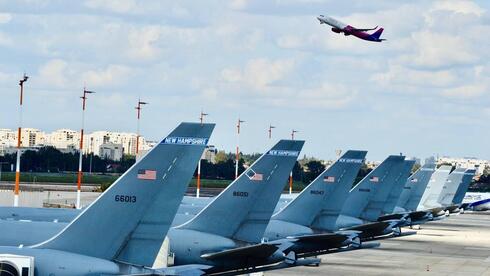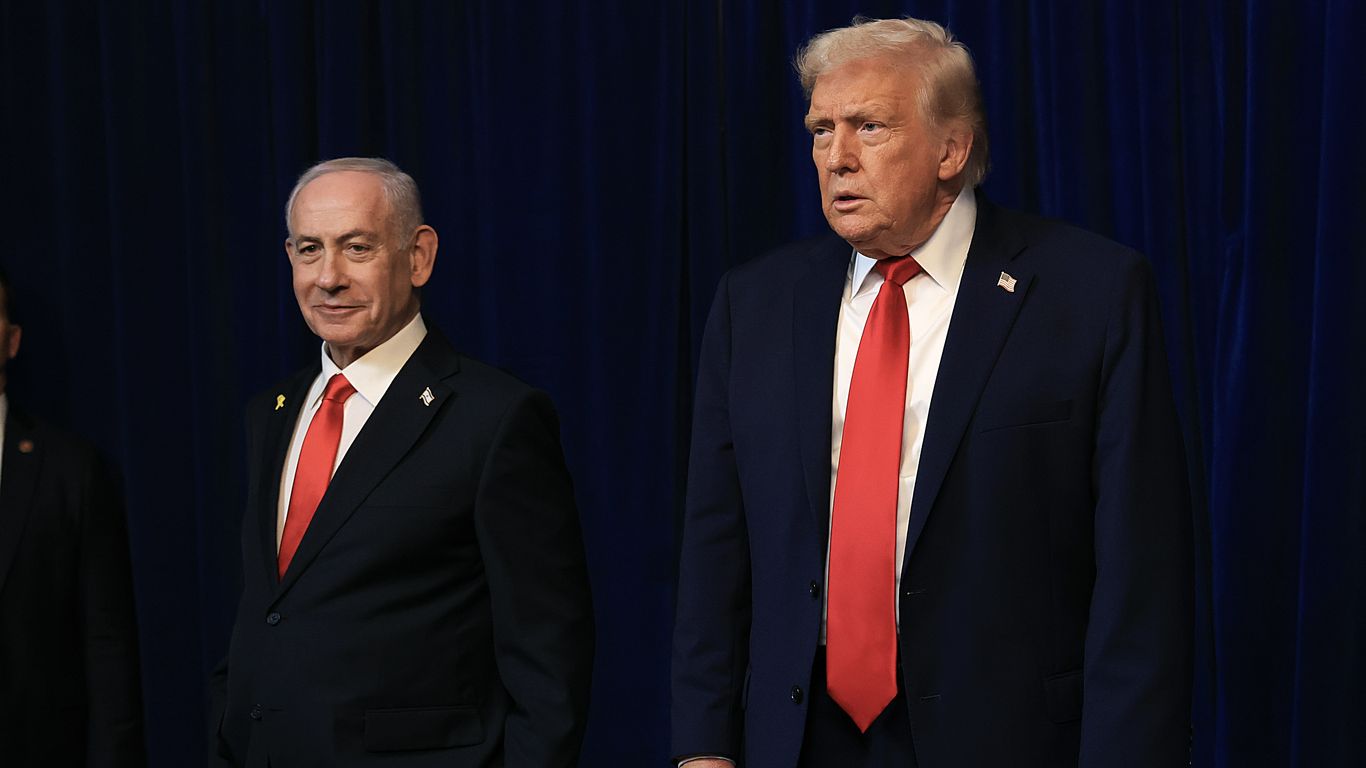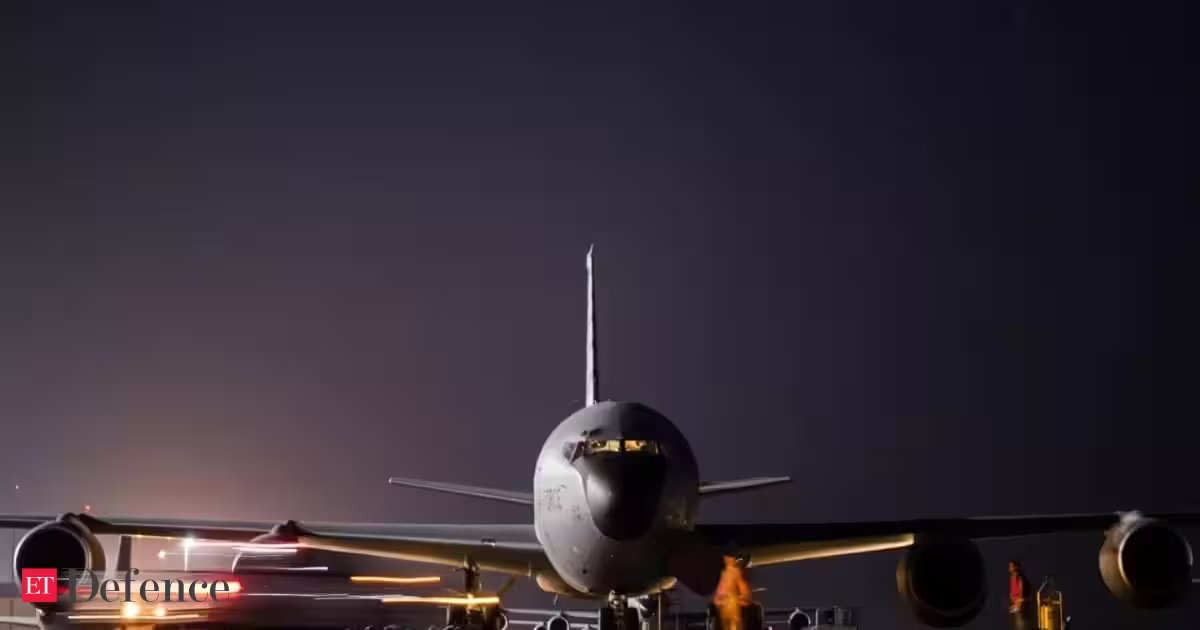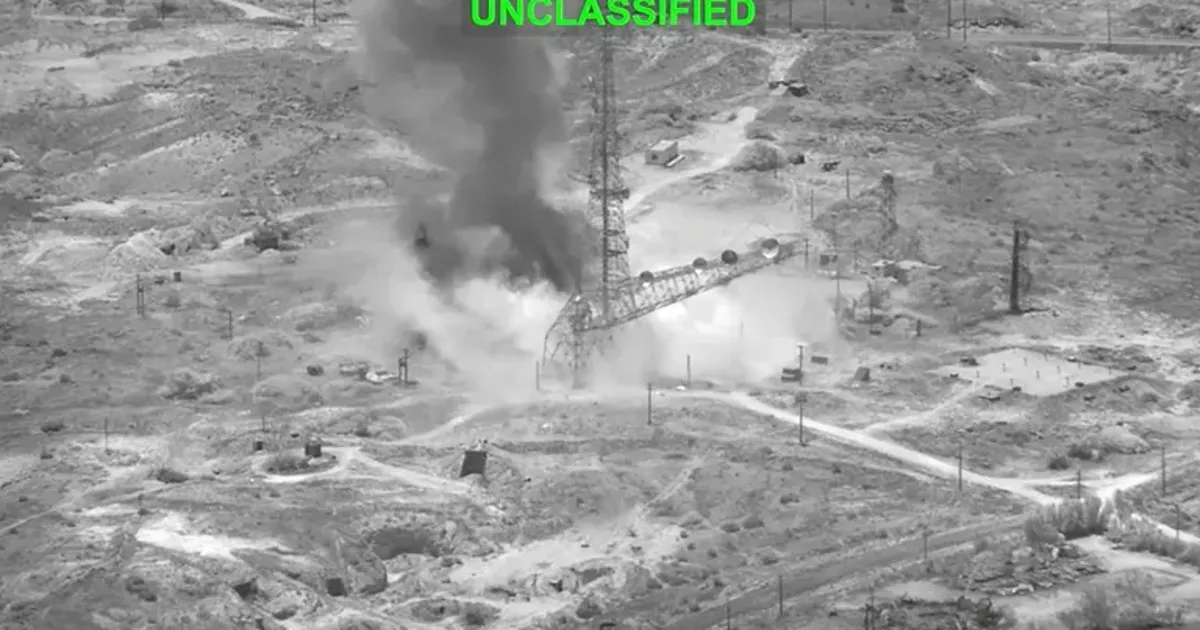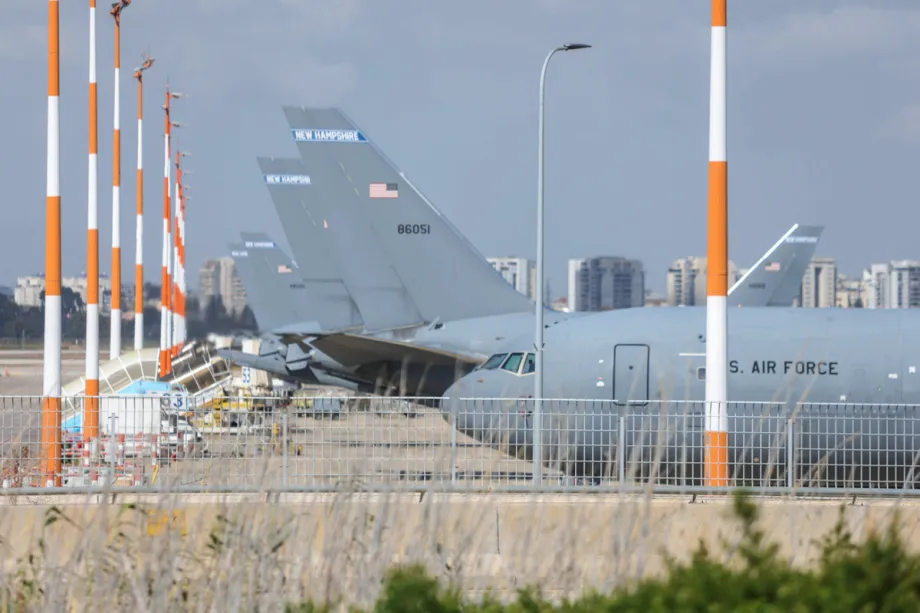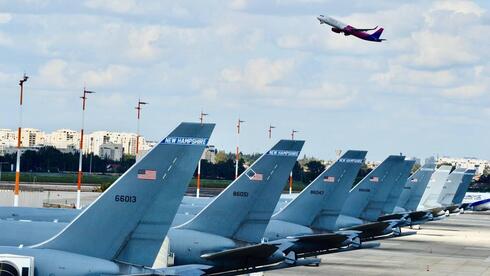
Washington asks Israel to host additional US military tankers as Trump reviews attacks on Iranian infrastructure, nuclear facilities and an underground site, while officials warn the deployment could worsen congestion at Ben Gurion AirportThe dramatic move followed a White House Situation Room meeting Tuesday, during which Trump was presented with several new military plans. The president is considering a large-scale attack on Iran that would go beyond the strikes carried out in recent days around the Strait of Hormuz and along Iran’s southern coast.(Photo: Kobi Koankes)The options under consideration include bombing Iranian infrastructure, such as power plants, and launching additional strikes against the country’s nuclear facilities. One proposal seeks to bury Iran’s stockpile of enriched uranium even deeper underground, making it more difficult for Tehran to recover.The administration is also considering an attack on the underground site at Pickaxe Mountain, where Iran is suspected of constructing a new nuclear facility.Trump has not yet made a final decision, according to Axios. However, officials said he appeared prepared to escalate the fighting sufficiently to inflict major damage on Iran and pressure its leadership to reopen the Strait of Hormuz and accept his demands concerning the country’s nuclear program.American and Israeli officials said Trump could order the escalation within days.The U.S. military struck Iranian targets around the Strait of Hormuz and along Iran’s southern coast overnight, marking the fifth consecutive day of American attacks.A U.S. official said American forces bombed at least seven bridges around Bandar Abbas, a major center of operations for Iran’s Revolutionary Guard Corps near the strait. Ammunition, supplies and reinforcements are transported through the city to Iranian forces operating elsewhere around Hormuz, the official said.Iran, meanwhile, has intensified attacks against U.S. bases in Jordan, Qatar, Bahrain, Iraq and Kuwait. Iran’s Revolutionary Guard Corps also claimed to have attacked an American base in Syria, although U.S. forces had withdrawn from the site several months earlier.The additional refueling aircraft would support any expanded American air campaign by allowing fighter jets and bombers to remain airborne longer and operate at greater distances from their permanent bases.The United States currently has about 30 military refueling aircraft stationed at Ben Gurion Airport and a similar number at Ramon Air Base in southern Israel. Israeli officials said Washington wants to send several dozen more tankers in the coming days, returning the total number stationed in Israel to the level seen at the beginning of the war.According to the officials, the U.S. military prefers to operate the tankers from Ben Gurion Airport because other air bases in the region are more exposed to Iranian attacks and are considered less secure for American aircraft.The officials said Iran has so far been deterred from directly attacking Israel because such a move would likely trigger a particularly powerful Israeli response.The prolonged deployment of dozens of American military aircraft at Ben Gurion Airport has created severe congestion and at times brought civilian operations close to a standstill. With officials concerned that the arrival of additional tankers could force widespread flight cancellations during the busy summer season, Transportation Minister Miri Regev has pressed for the aircraft to be moved out of Ben Gurion Airport or for their number to be restricted.The Defense Ministry and the IDF have opposed such restrictions, arguing that the aircraft serve an important operational purpose.The Trump administration has formally asked the Israeli government to approve the arrival of the additional refueling planes. Prime Minister Benjamin Netanyahu is expected to make the final decision.
US sends dozens more refueling planes to Israel as Trump weighs expanded strikes on Iran within days
Washington asks Israel to host additional US military tankers as Trump reviews attacks on Iranian infrastructure, nuclear facilities and an underground site, while officials warn the deployment could worsen congestion at Ben Gurion Airport
576 words~3 min read