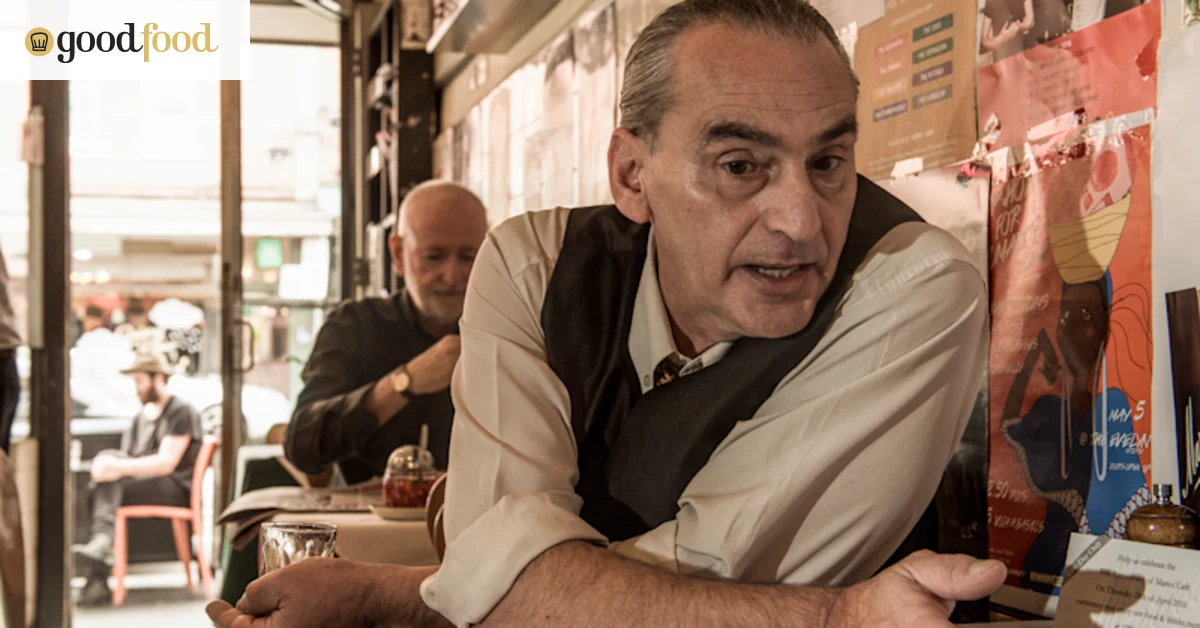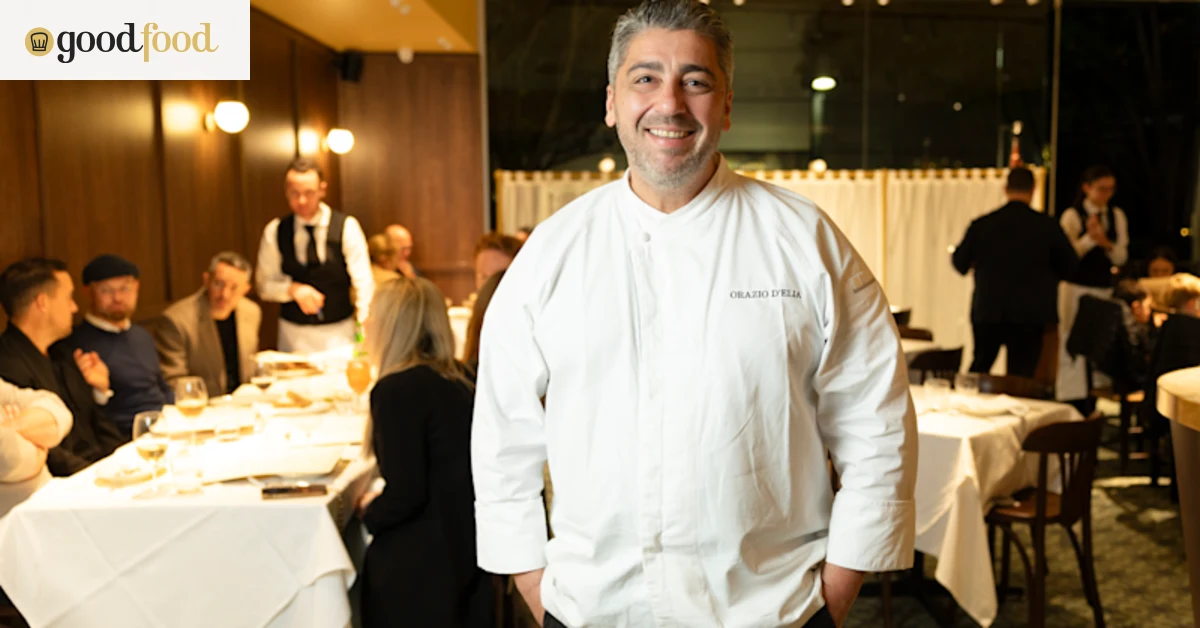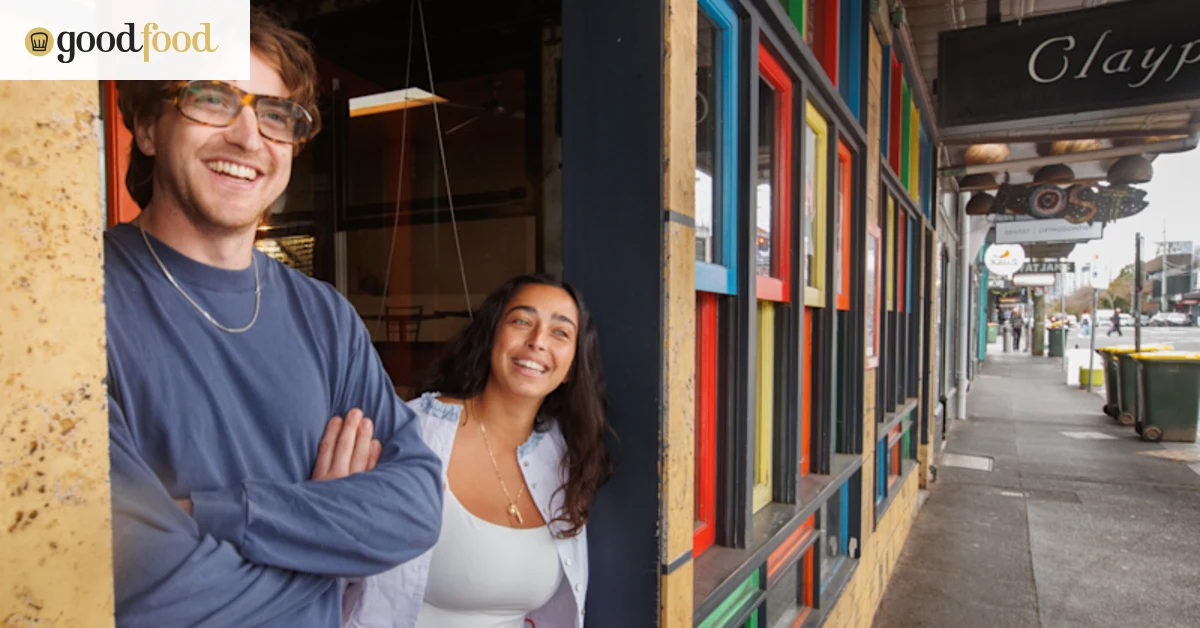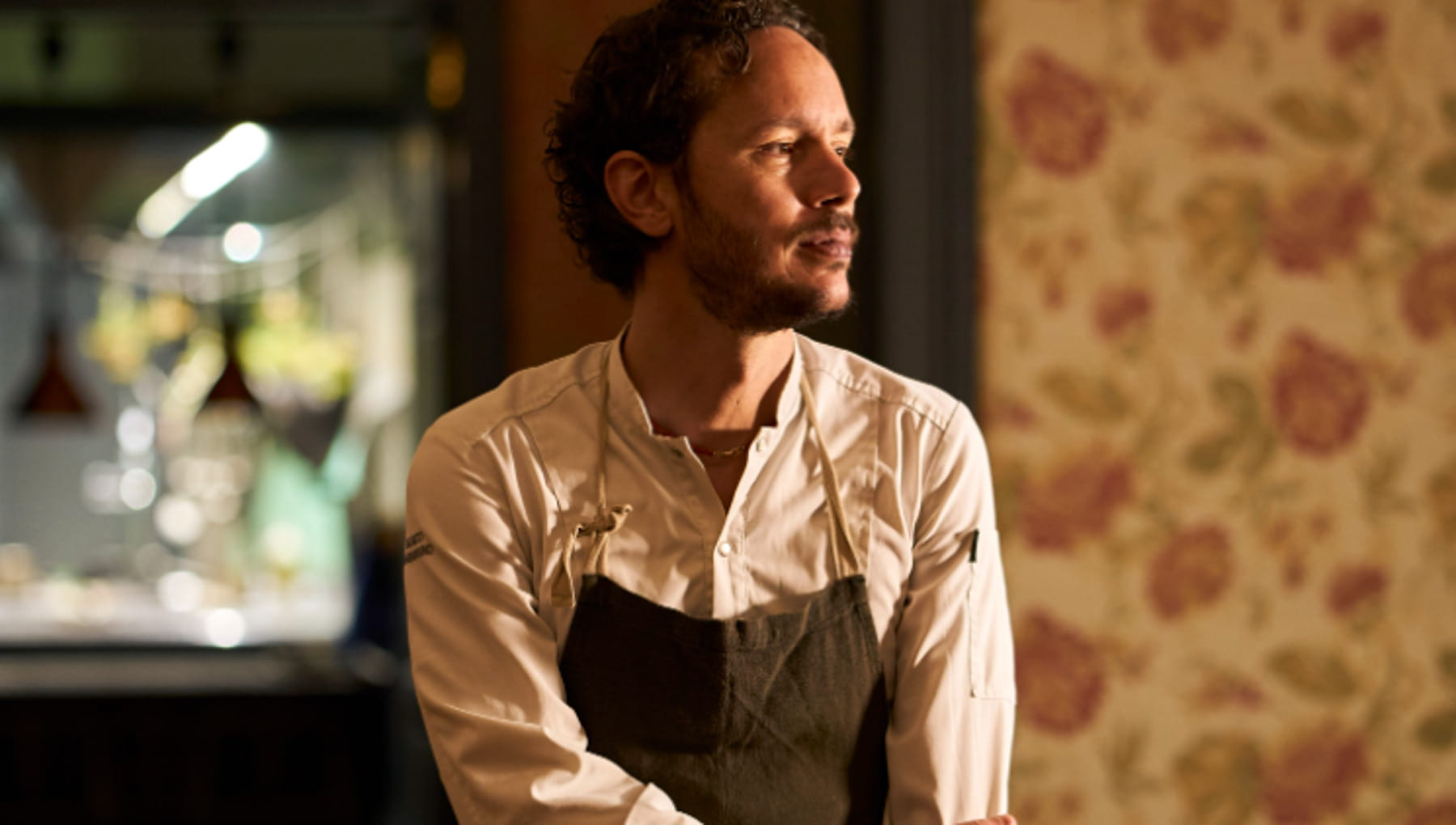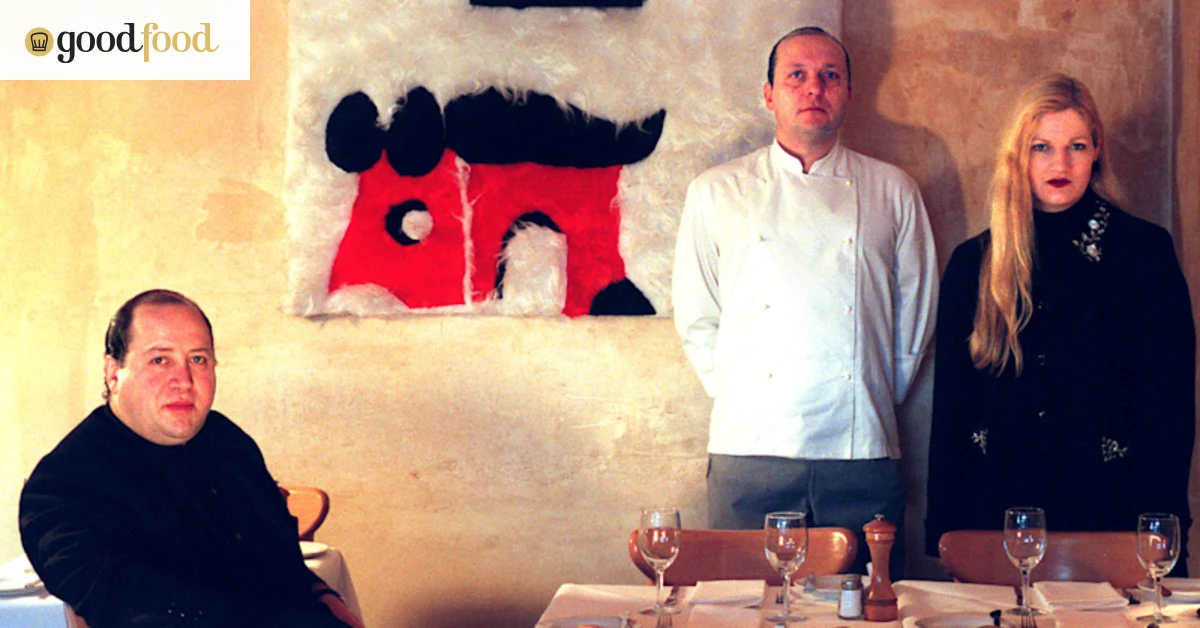
Restaurateur Rinaldo Di Stasio pulled an all-nighter on Tuesday as champagne-fuelled celebrations for the sale of Cafe Di Stasio morphed into a 5am World Cup watch party.His St Kilda hive of Italian good times this week passed into the hands of one of its former chefs, Nathan Presley, who will reopen it in August as a seafood restaurant.After 38 years, the Campari-soaked reign of 71-year-old Di Stasio over the Fitzroy Street dining room that helped propel Melbourne’s restaurant scene onto the global stage is over.“When we walked out at 2am on the last night two weeks ago, I was not sad,” he says. “St Kilda is not the same. The time was probably overdue for us to leave.”It was a 40-degree day on January 11, 1988, when Cafe Di Stasio opened with no air-conditioning and 45 diners for lunch. Back then, the hottest ticket in town was Lynch’s Restaurant in South Yarra, with its starched-tablecloth take on French cuisine.Restaurant reviews, news and the hottest openings served to your inbox.Sign upThere were great Italian restaurants in Melbourne, testaments to waves of Italian immigrants: the grand Florentino on Bourke Street and Mario’s Restaurant by the sea in Brighton. But there was nothing quite like Cafe Di Stasio. ‘The restaurant was designed for gossip, affairs, fun. Eating was just part of it.’Rinaldo Di Stasio on Cafe Di StasioDesigned by longtime friend and collaborator, architect Allan Powell, the walls were hung with contemporary Australian art by Bill Henson, who also frequented the restaurant, and the staff wore raffish white jackets and bowties.The menu channelled an Italy that Di Stasio, born in Melbourne to Neapolitan immigrants, had soaked in during what he calls his “PhD year” living in Naples and Rome. Dishes like beef carpaccio with rocket were unfamiliar to people.Jason Lui, general manager of Flower Drum and a regular diner, describes the food as “Italian like no one else was doing it: simple and authentic”.“You went wanting to eat just a bowl of pasta,” says Lui. “But you ordered starters, dessert, champagne. You spent three times as much as you wanted to, but you left happy.” Mallory Wall (rear) briefs waiters before service at Cafe Di Stasio.Courtesy Rinaldo Di Stasio and Mallory WallDi Stasio sums up the appeal of the restaurant as “genteel chaos”.“There are two things people want in restaurants they don’t get at home: theatre and someone else to do the dishes. Women would sometimes say to me, ‘I could cook this at home’. I’d say, ‘No, you could cook much better, but you’d have to wash the dishes. And it wouldn’t be as fun’.” It was a hit from day one.Jill Dupleix, recipe writer, food editor and St Kilda resident at the time, went the first day for a coffee, realised it was a restaurant not a cafe, and went back for lunch, then again for dinner.“It was a pivotal restaurant for Melbourne,” she says. “It was like suddenly the grown-ups had arrived, there was a new standard in town. Ronnie cared deeply about what it was to be an Italian restaurateur and unleashed that upon the world.”Before St Kilda, Di Stasio had presided over the 500-seat, mosaic-tiled Rosati restaurant in Flinders Lane. It was the first restaurant to open on the CBD thoroughfare which has since flourished into a dining mecca. After owning the flamboyant venue for three years, Di Stasio’s relationship with his business partner imploded and he left. Ten days later, in September 1987, he signed the lease of what would become Cafe Di Stasio.“People thought I was nuts when I opened Rosati. No one paid attention to the city’s laneways. But it was one block back from Collins Street and instead of paying $3000 a week rent, I was paying $800. When I went to St Kilda, which was a pretty down-and-out suburb, people thought I was nuts again. But I cracked it.”Cafe Di Stasio in St Kilda circa 2012.He brought with him a Rolodex of fans who filled the restaurant from lunch to dinner, along with St Kilda locals: “The artists, drag girls, the prostitutes.”“The restaurant was designed for gossip, affairs, fun. Eating was just part of it,” he says.It certainly was chaos.Two years after opening, Di Stasio was standing on the footpath outside when he spotted a woman familiar to him. She was Mallory Wall, a 21-year-old who used to wag school in Mentone to frequent Rosati, and now lived nearby after working in London for two years.He offered her a job and she started almost immediately. Her second night in the dining room was Valentine’s Day.“I looked at the bookings diary,” Wall recalls. “There were 130 people booked in. We were a 70-seat restaurant. And they were all coming at 8 o’clock.”Wall worked on bringing some order to the chaos and she and Di Stasio focused on their complementary skills in business.“We discovered how to run a restaurant together, and discovered each other as well,” she says.Stars started swinging through the front door with its trademark bronze hands. The Rolling Stones, Nick Cave (a regular), Kevin Spacey, U2, Steve Martin, Barry Humphries, Marianne Faithfull.“It was madness. We’d push back the tables and dance in the dining room; lunch would run into dinner and then go all night,” Di Stasio says.Rinaldo Di Stasio built a reputation for long lunches and late nights at Cafe Di Stasio.Courtesy Rinaldo Di Stasio and Mallory WallAt least once a week he would jump on a table and spray the room with champagne.“It was always French, even though I tried to get him to use the cheap stuff,” says Wall.It did take a toll on Di Stasio. Seven years in, instead of opening another, larger restaurant, he bought 32-hectares in the Yarra Valley and started creating a house, designed again by Powell, and a vineyard.But there was debt, and though the restaurant was busy, money was being poured back into upgrading furnishings, bathrooms, the kitchen, Di Stasio says.“Then we started building in the country and the real anxiety kicked in. Things got on top of one another. And I had to go and see a psychiatrist. We didn’t talk about anxiety as a society then but, once it was diagnosed, I was good. I took medication and I got on with it.”‘You spent three times as much as you wanted to, but you left happy.’ Jason Lui, general manager of Flower Drum restaurantEventually, the couple opened the two venues they now pour their attention and passion into: Di Stasio Citta in the city, which launched in 2019, and Di Stasio Carlton, in 2021.The country property was sold last year for $7 million; a dispute with the Australian Tax Office over a $1 million tax debt was settled later.“Young ones ask all the time: ‘How do you do it?’ I say ‘Imagine you’re on a tightrope, you’ve got to walk from A to B. Just look at B. If you look down, you’re dead’,” Di Stasio says.There has been an outpouring of love from long-time customers, along with many flowers and tears, over the end of Cafe Di Stasio.“It was like someone had died,” Wall says.Owner of the nearby Stokehouse restaurant, Frank Van Haandel, credits Cafe Di Stasio as ushering in a new wave of Italian restaurants to Australia. “It influenced a lot of people. And it gave many, including me, one of their greatest nights out.”There is quiet pride from the couple also. “I’m proud of the longevity – of the restaurant and of my relationship with Mallory. And that we can still stay up all night,” Di Stasio says.Di Stasio Citta and Di Stasio Carlton remain open for business.
Ronnie Di Stasio on closing the pioneering Cafe Di Stasio after 38 years
As the sun sets on one of Melbourne’s most influential Italian restaurants, its creator and his partner remember the chaos, the hard times and St Kilda of old.
1,270 words~6 min read