The most expensive thing you can do with an AI agent is watch it. Not audit it. Not review its output. Watch it -- step by step, approval by approval, second-guessing every action before it takes the next one. And yet that is precisely how most engineering teams are deploying AI agents in 2026: on a leash so short the agent cannot take three steps without a human tapping it on the shoulder.
I understand why. The models hallucinate. The stakes are real. Nobody wants to be the engineering manager who let an AI agent push a bad migration to production at 2am. So we wrap the agents in confirmation dialogs, require human sign-off at every branch point, and celebrate our careful governance. What we have actually built is an automation system that requires more human attention than the manual process it replaced.
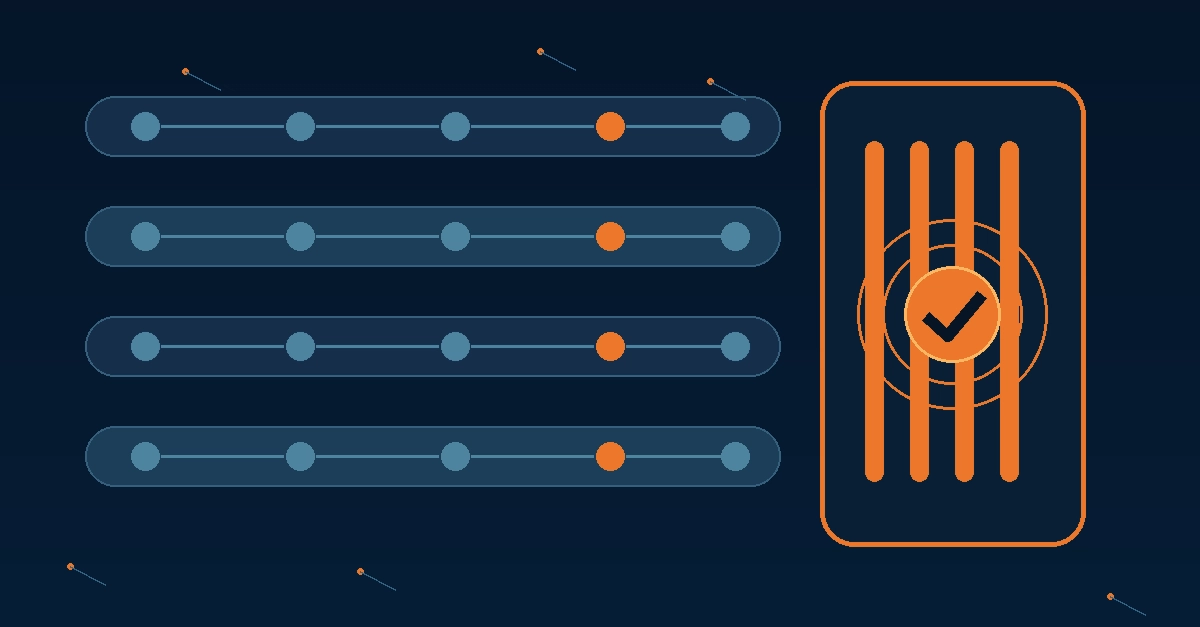
The better answer is not more control at the action level. It is better design at the intent level. Steer by intent, monitor by exception. Tell the agent clearly what outcome you need, what it must never do, and what constitutes a result worth stopping for. Then let it work. Watch the outcomes, not the steps.
We have built automation systems that require more human attention than the manual process they replaced. That is not a governance success. That is a design failure.