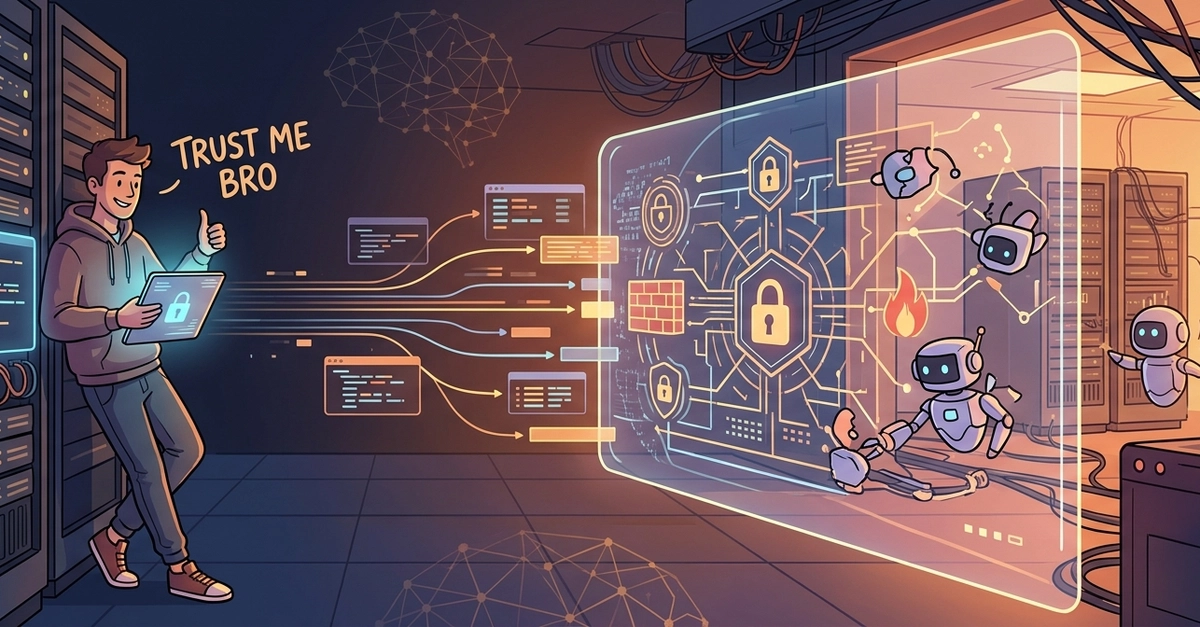
A small business does not usually need a fully autonomous AI employee.
It needs something less glamorous and much more useful: an agent that can prepare the work, explain its reasoning, show the exact action it wants to take, and then stop before it does anything expensive, public, or hard to undo.
That sounds conservative until you watch an agent connected to real tools. Reading a calendar is harmless. Drafting a reply is useful. Sending that reply to a customer is different. Looking up an invoice is helpful. Issuing a refund, changing a price, publishing a blog post, deleting a record, or promising a delivery date is where the risk changes shape.
This is the line small teams should design around.
The current agent conversation is finally moving past "can it call tools?" and toward "which tools should it be allowed to call without a person?" MCP gives us a common way to expose tools and resources to AI clients. n8n and similar workflow tools give us the plumbing to pause, route, approve, and log decisions. The missing piece is a simple operating model a business owner can understand.