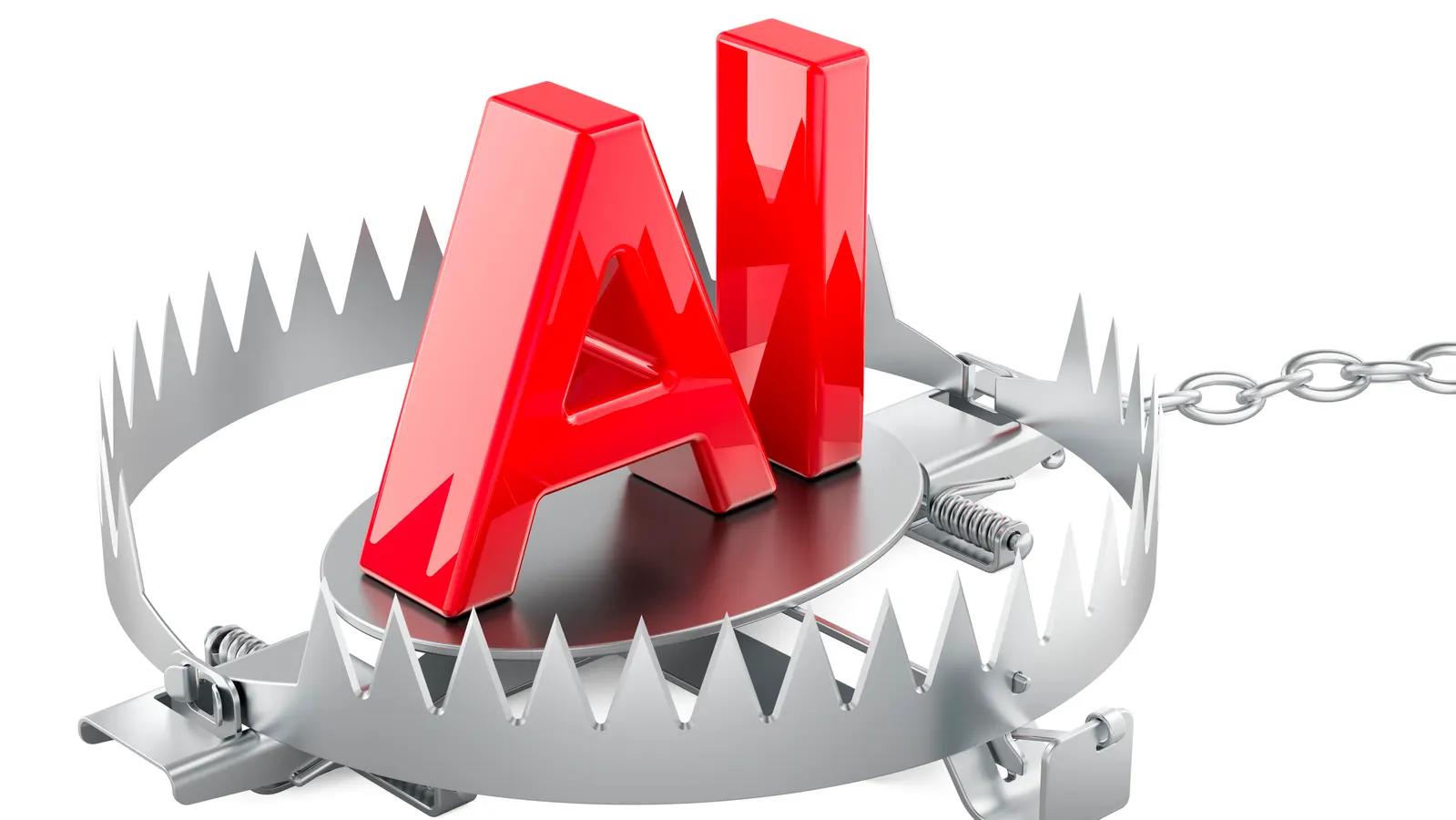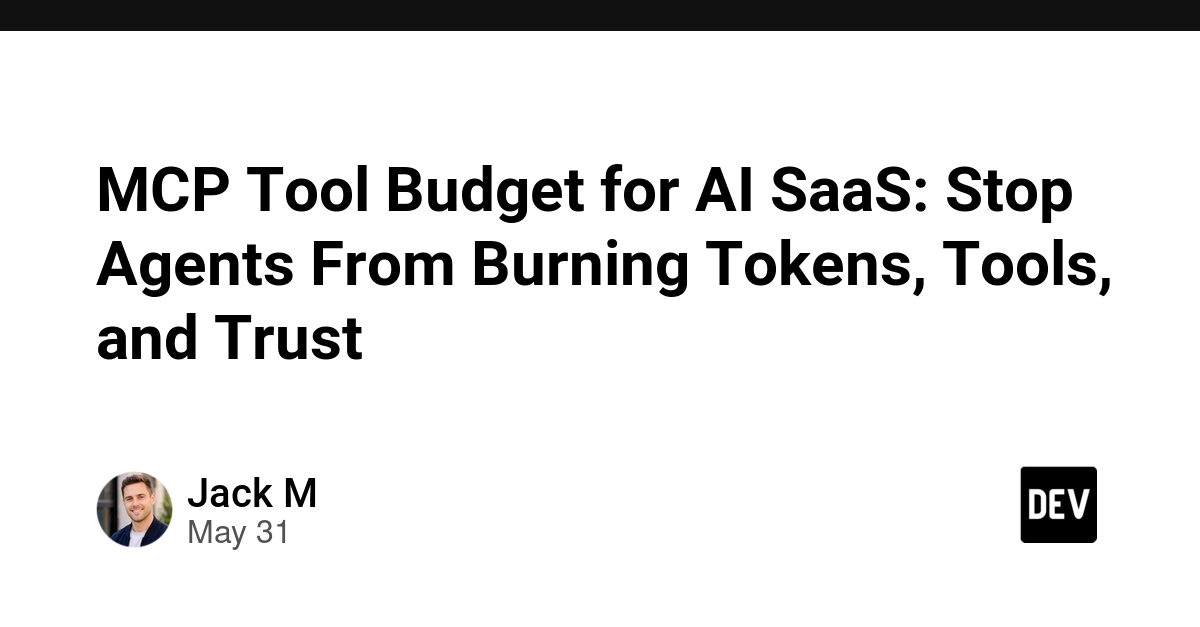
An AI agent does not need to be hacked to become expensive. Sometimes it only needs too many tools, vague permissions, and no spending limit.
That is the quiet risk inside many new AI SaaS products. A builder connects an agent to a CRM, database, email tool, analytics API, billing system, and internal knowledge base. The demo feels magical. Then production traffic arrives. The model reads every tool description, calls the wrong endpoint twice, retries a slow workflow, and burns through token budget before anyone notices.
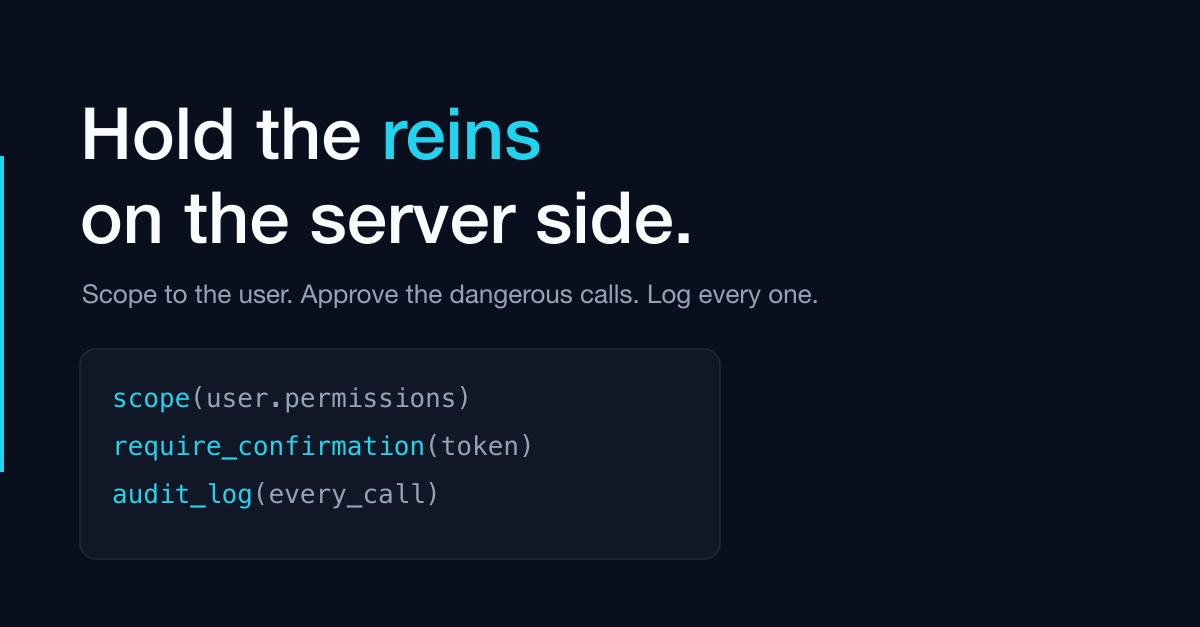
This guide shows how to design an MCP tool budget for AI SaaS products: a practical control layer that limits which tools an agent can see, what each tenant can spend, when human approval is required, and how every tool call gets logged.
If your SaaS exposes actions through MCP, treat every tool like a small production API with cost, permissions, blast radius, and audit requirements.
Why MCP tool budgets matter now