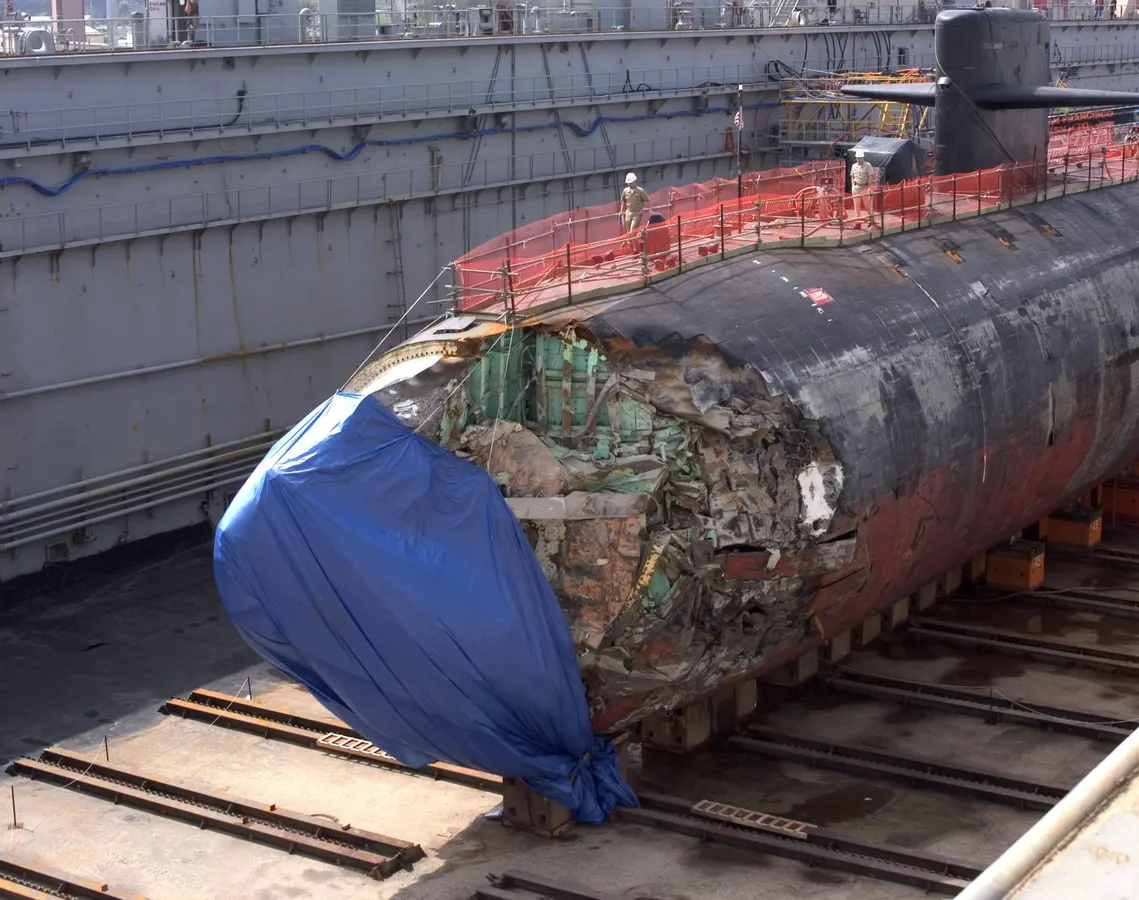
WASHINGTON — The Pentagon doesn’t have a unified strategy for investing in a key hypersonic missile capability for the Navy and the Army — and failing to figure one out could result in additional program delays and inefficient use of funds, a new watchdog report warns.
The Navy and the Army are both developing their own versions of what the Navy calls its Conventional Prompt Strike (CPS) capability, with the services collectively aiming to invest more than $50 billion into the hypersonic effort.
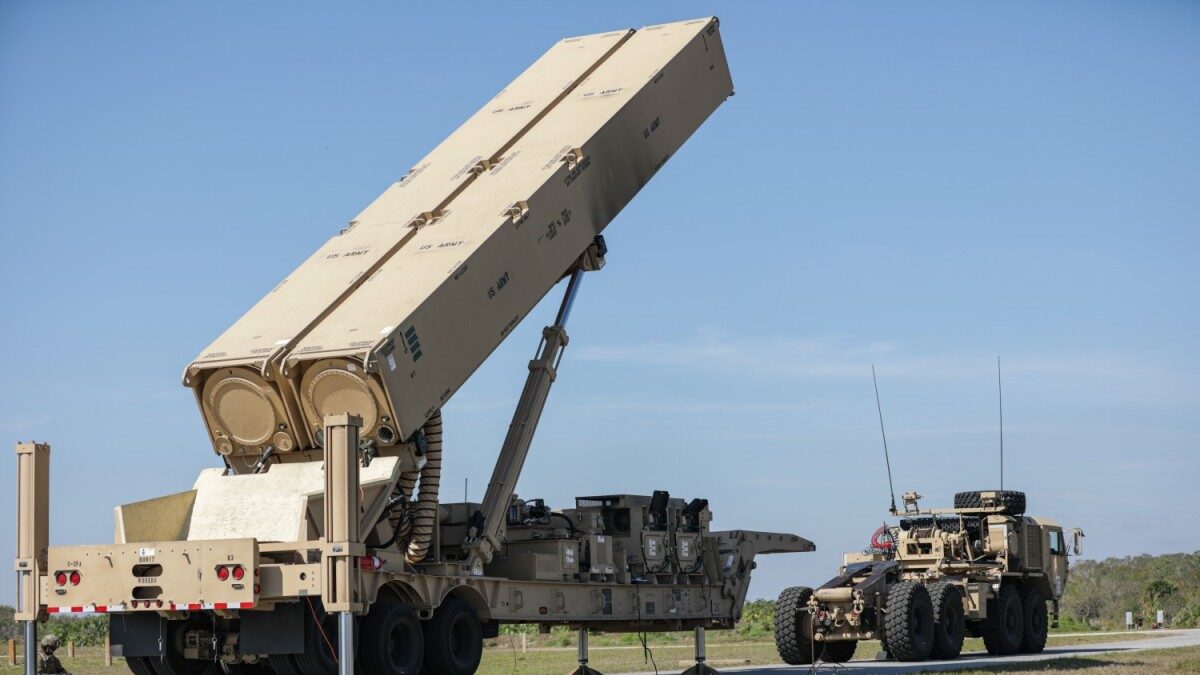
The Navy is updating its Zumwalt-class destroyers with a vertical launch system to accommodate the CPS missiles, and plans to include the system onto some Virginia-class submarines. Meanwhile, the Army is also pursuing its own Long-Range Hypersonic Weapon, also called Dark Eagle, that launches from the ground, and is responsible for producing the missile glide body for both Army and Navy hypersonic endeavors. Each missile in the envisioned 224-missile stockpile is estimated to cost tens of millions of dollars, says the new report, published today by the Government Accountability Office.
“While Navy and Army officials told GAO that they coordinate with each other, the services largely manage investment decisions for these programs separately, which contributes to inefficiencies and delays,” the GAO report says.