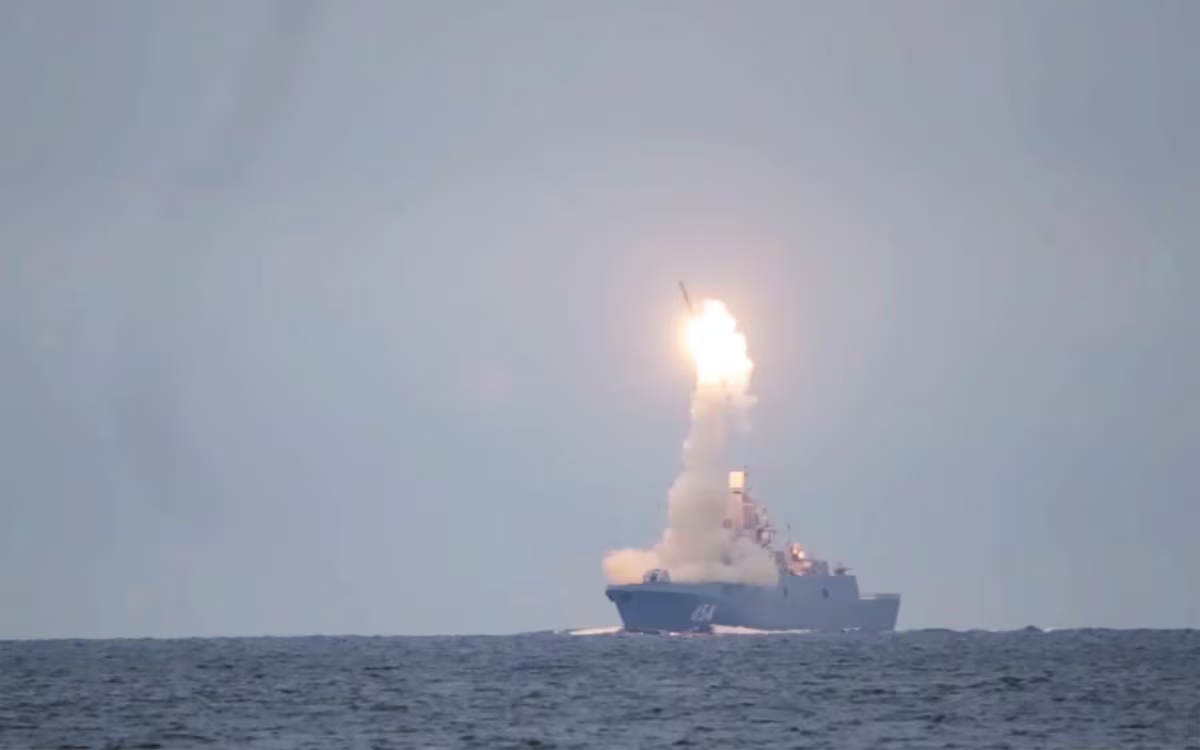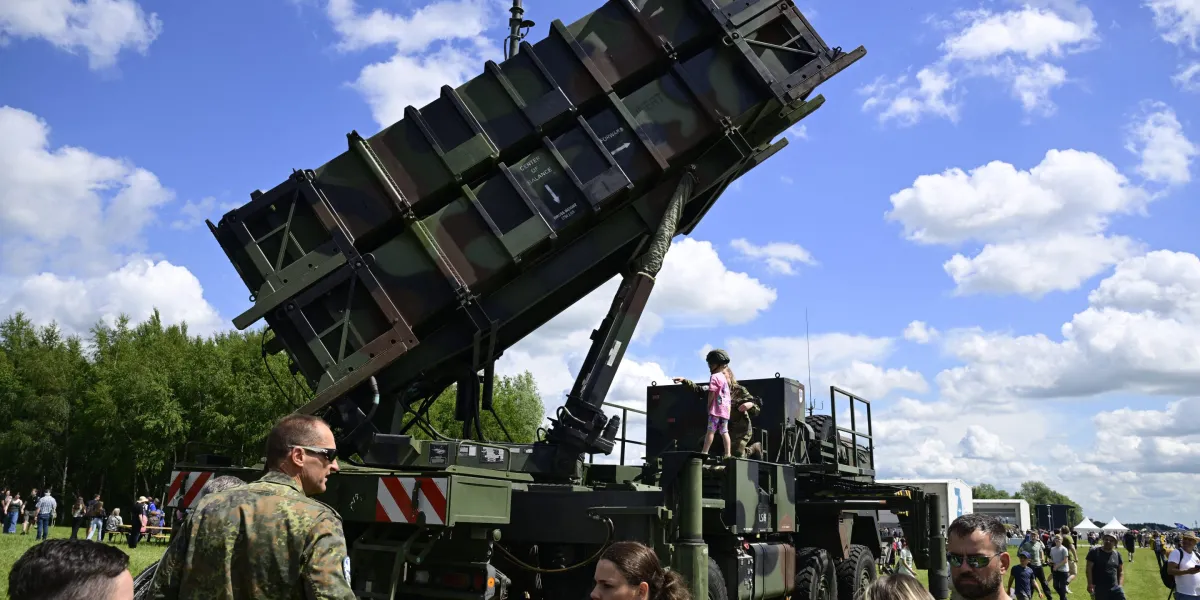
WASHINGTON — In a bid to evade increasingly sophisticated adversary air defenses, the Pentagon’s secretive research agency is seeking “radical” industry ideas that could pave the way for a new generation of hypersonic weapons, according to a government notice.
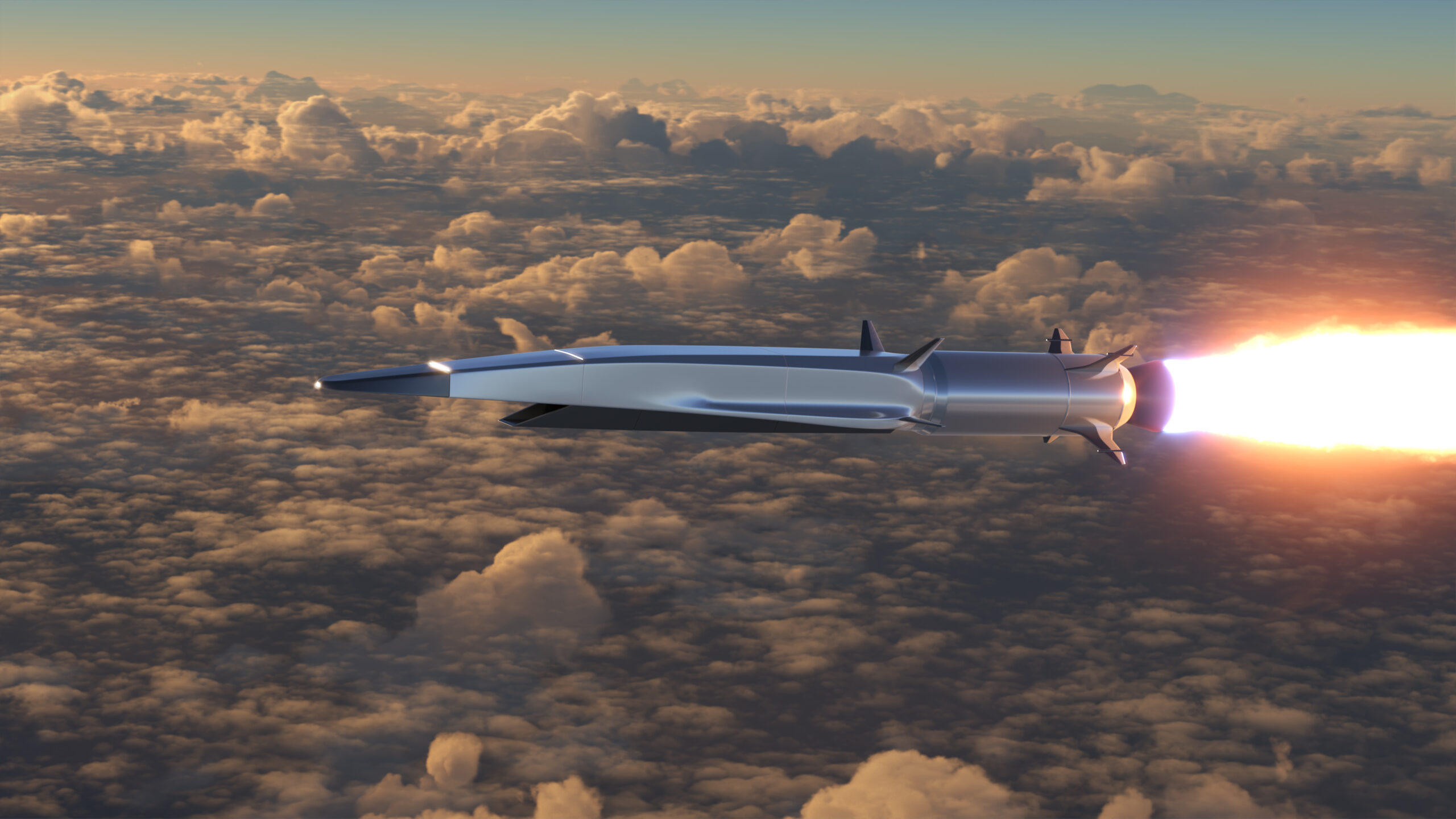
Through a request for information published Aug. 7, the Defense Advanced Research Projects Agency (DARPA) identified a need for a “revolutionary leap” in performance for traits like range, speed and altitude. The notice says DARPA’s goal is to eventually build and test a full-up demonstrator for what the agency calls the Next Generation Hypersonic Cruise Missile.
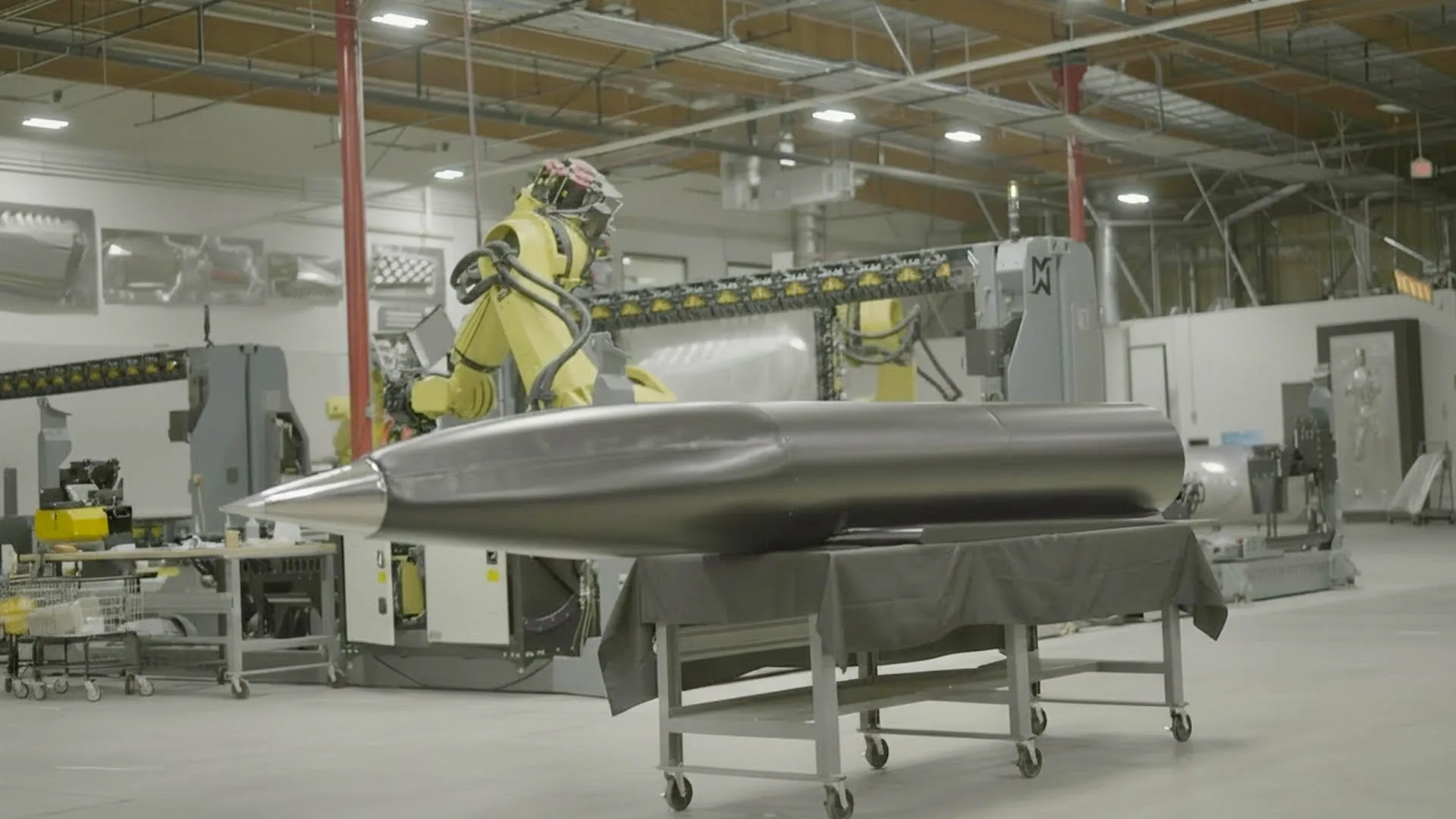
“This capability must maintain technological superiority, enabling the U.S. to promptly strike advanced threats in highly contested environments,” the notice says. “DARPA expects a Design for Manufacturing and Assembly (DFMA) philosophy to be embraced from the outset, demonstrating a realistic path from demonstration to affordable, high-rate production.”
There are broadly two types of hypersonic weapons, which are typically defined as systems that travel faster than Mach 5 and can maneuver on the way to their target. Some hypersonic missiles use a boost-glide system, where a glide vehicle exits and then reenters the atmosphere and separates from a rocket booster, skipping toward its target on descent. Others use an air-breathing propulsion system — meaning they have to operate within the atmosphere — and typically fly low to evade adversary sensors.