Communities living in Chile’s Atacama Desert, one of the driest places on Earth, look for creative ways to fight water scarcity, including “harvesting” water droplets from the foggy climate.Local groups erect large mesh structures that can intercept thousands of liters of water droplets per day from fog being carried by the wind. The water is used for drinking and cultivating fruits and vegetables.Researchers have studied the factors that increase harvesting results, including sea level, temperature, solar radiation, and wind speed.With more research and support for pilot programs, they say local governments could one day adopt the strategy into their water management plans.
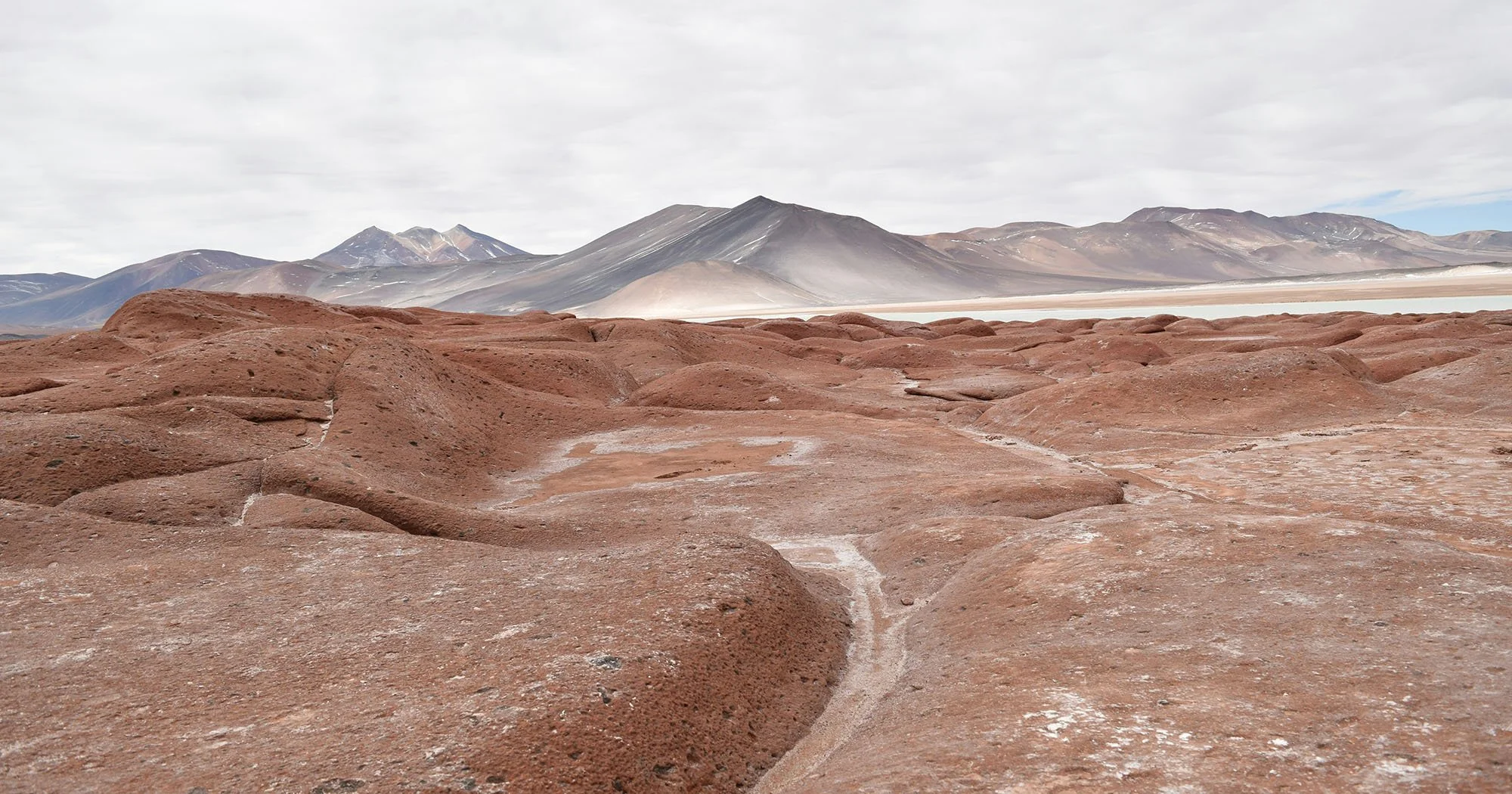
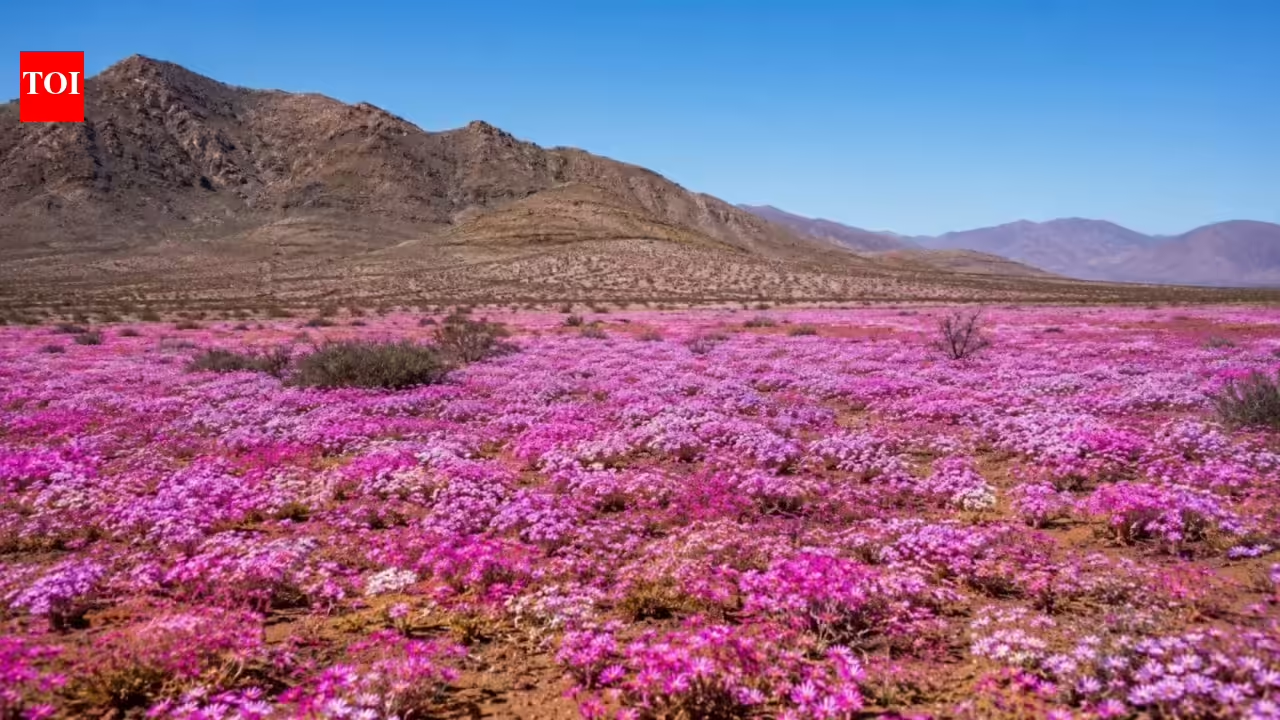
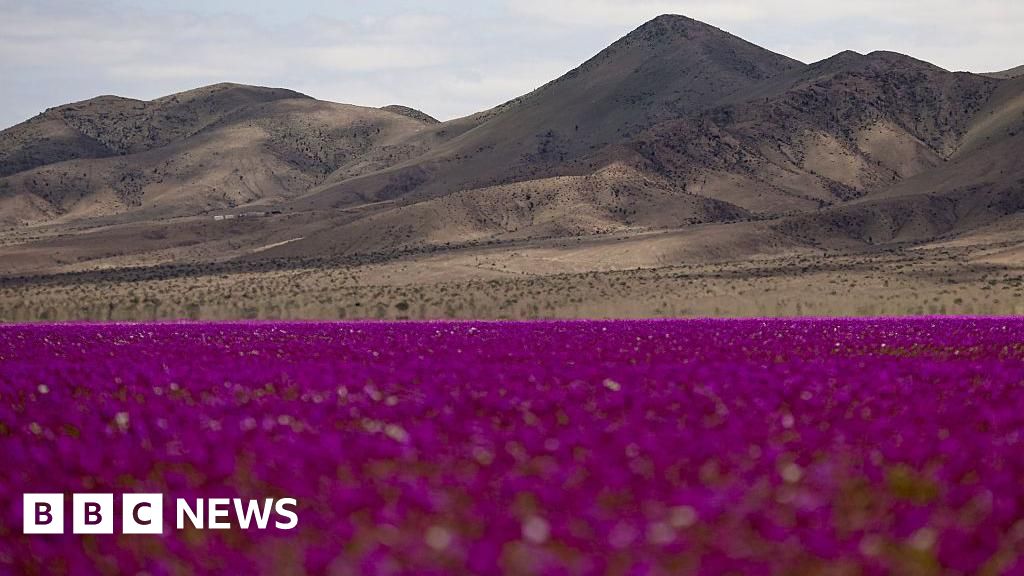
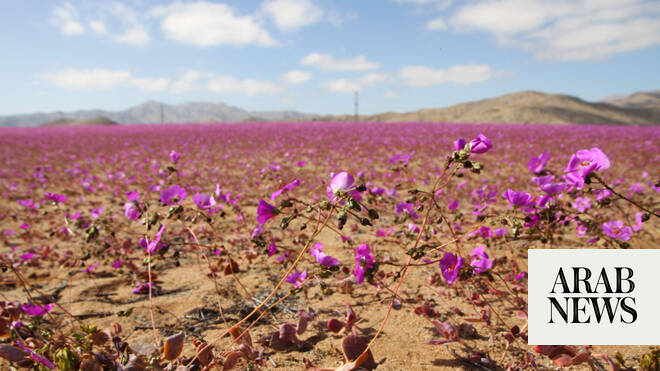
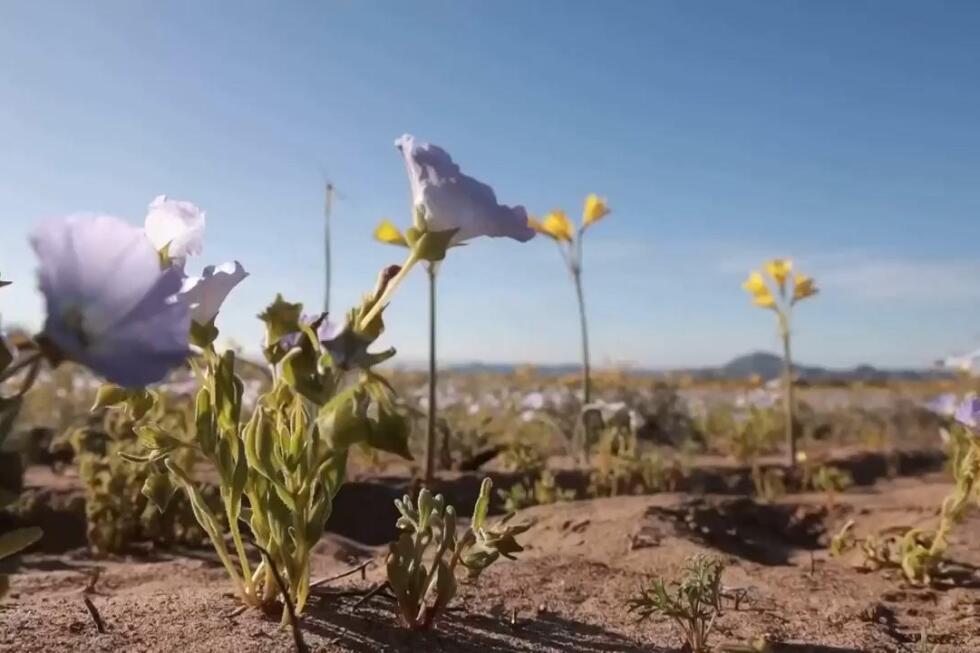
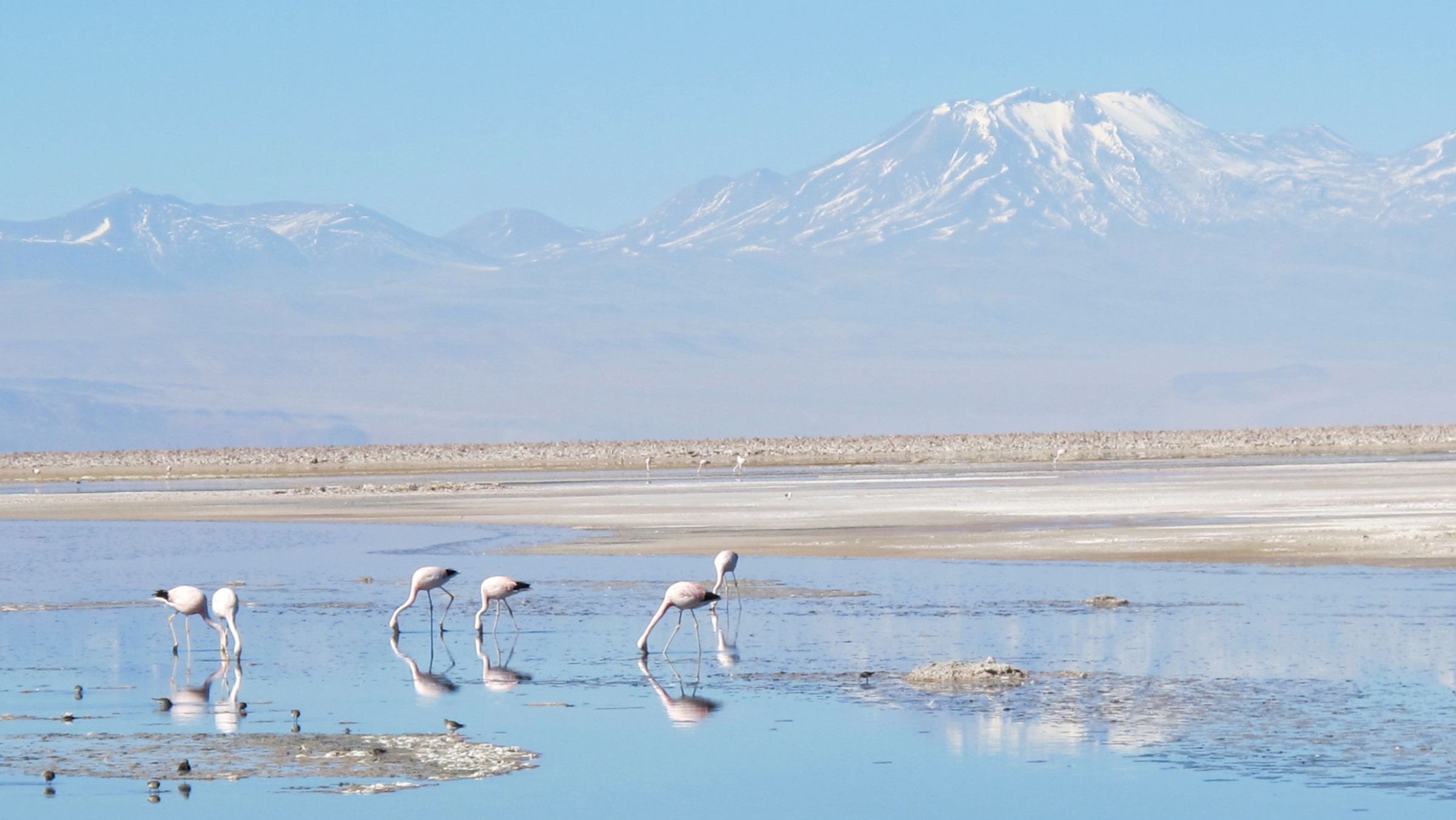
Chile’s Atacama Desert is one of the driest places in the world. Some areas only see rainfall a few times in a century, while others have never recorded rainfall at all.
In many rural communities there, local governments have to truck in water from other parts of the country or extract it from deep underground wells. But in harder-to-reach settlements, these solutions still aren’t cost-effective or reliable. To address the problem, residents and researchers have looked for more innovative methods of getting water out of the environment.