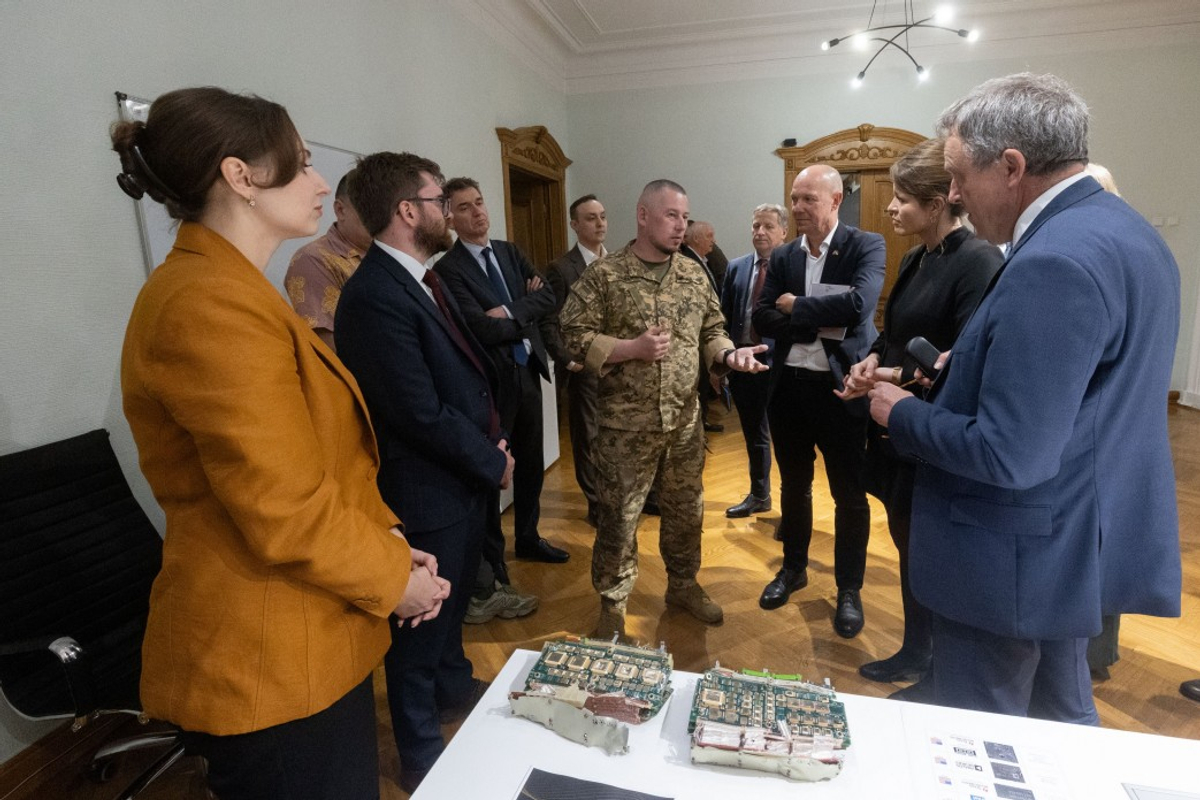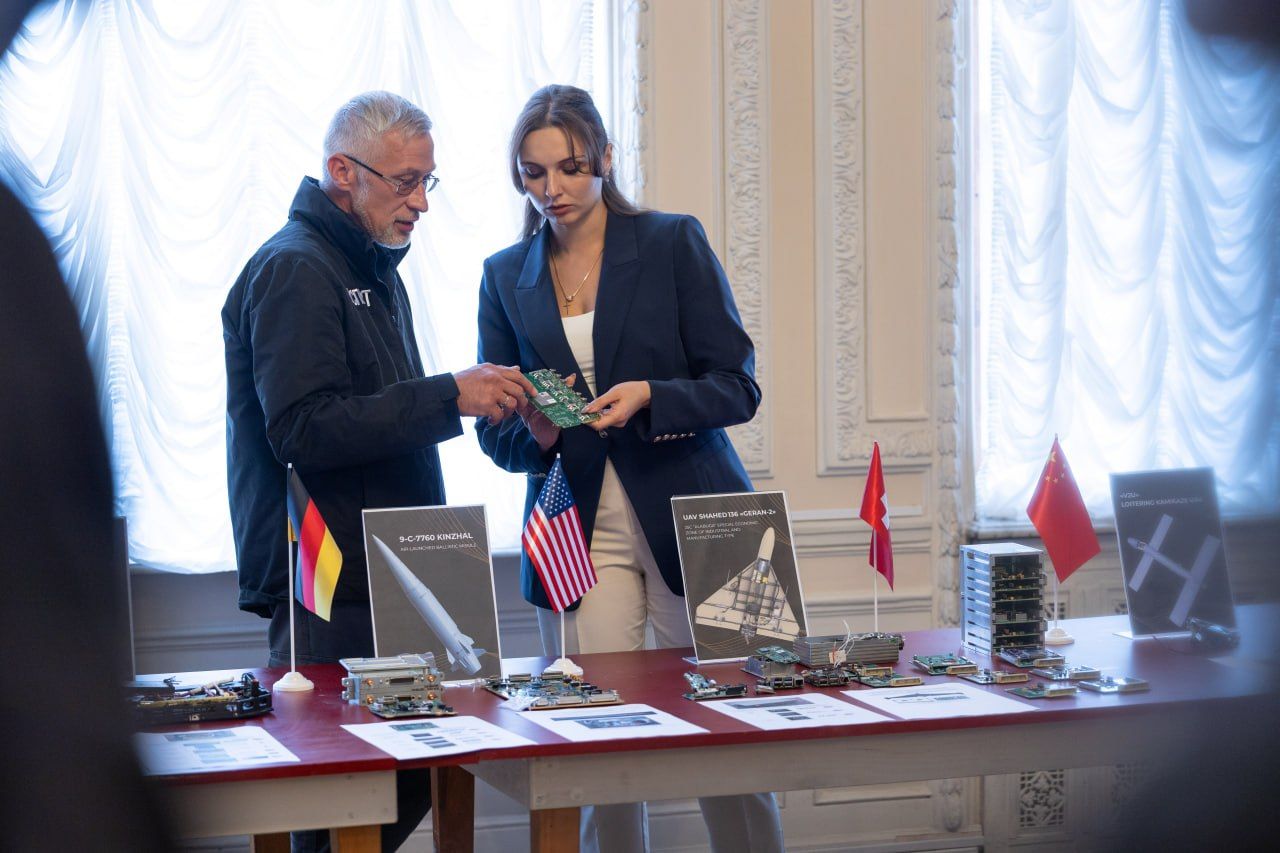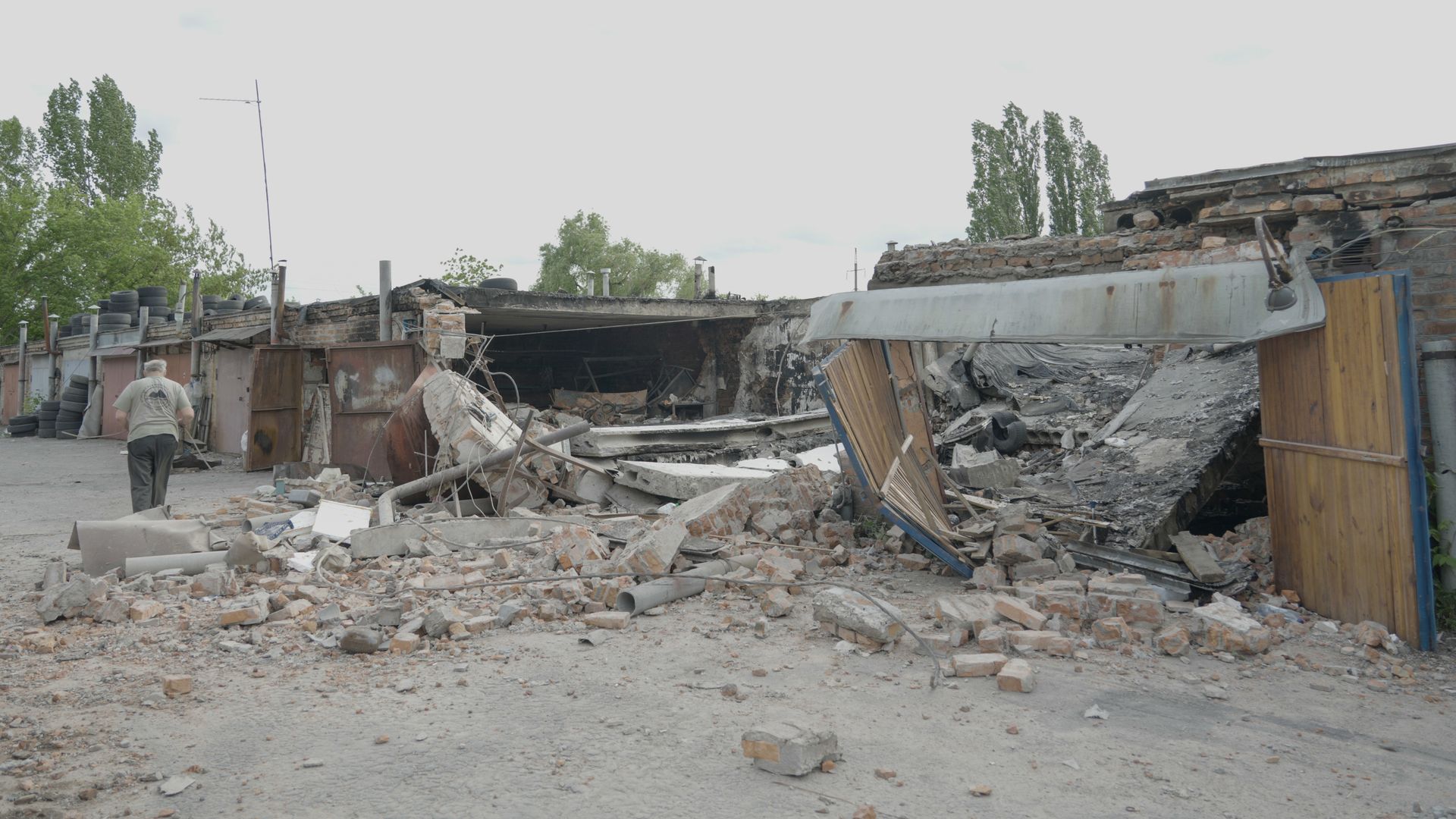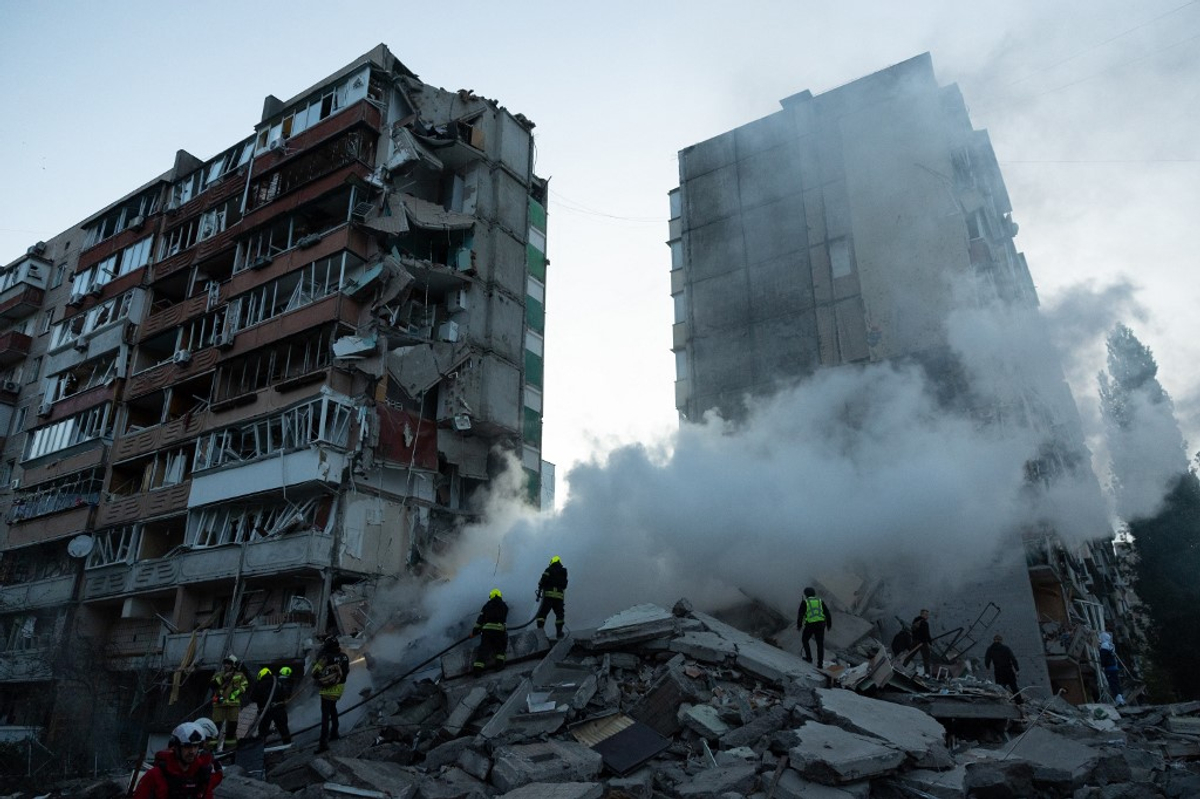
Russia is continuing its domestic missile production using foreign parts, alongside its own supplies and Belarusian components. Vladyslav Vlasiuk, the Presidential Office’s commissioner for sanctions policy, told in a comment to the Kyiv Post that recent analyses of Iskander-M and an Oreshnik ballistic missile used in an attack near Bila Tserkva on May 24 confirm the Kremlin’s bypass of recent international trade restrictions.JOIN US ON TELEGRAMFollow our coverage of the war on the @Kyivpost_official. “We see fresh components, we see the involvement of Belarusian enterprises, and we see that certain foreign technologies are still making their way into Russian weapons,” Vlasiuk said. “Future international efforts should be aimed precisely at breaking these supply chains,” he continued, adding that “Ukraine has provided partners with detailed information on manufacturers and component serial numbers.” Mixed origins found in Iskander-M Iskander-M is Russia’s most common ballistic missile, carrying a half-ton warhead capable of leveling roughly one-quarter to one-half of a typical Ukrainian apartment building and collapsing that section on the people inside. According to Vlasiuk’s report, examiners identified parts manufactured in the United States, Taiwan, Switzerland, Japan, China and Belarus inside the Iskander-M missile, with some of the electronics dated to production runs from 2024 and 2025. Oreshnik demystified Russia has heavily marketed the Oreshnik as an unstoppable weapon, using it to intimidate Ukraine and threaten NATO since its debut strike on Dnipro in November 2024. Since then, Russia has been leaning on the missile’s mystique, claiming it travels at Mach 10 and cannot be intercepted.
Ukraine Cites US, Chinese, Belarusian Parts Inside Russian Missiles From Bila Tserkva Strike in May
Authorities found Iskander-M debris to contain foreign electronics, while Oreshnik parts trace only to Russian and Belarusian factories.
749 words~3 min read