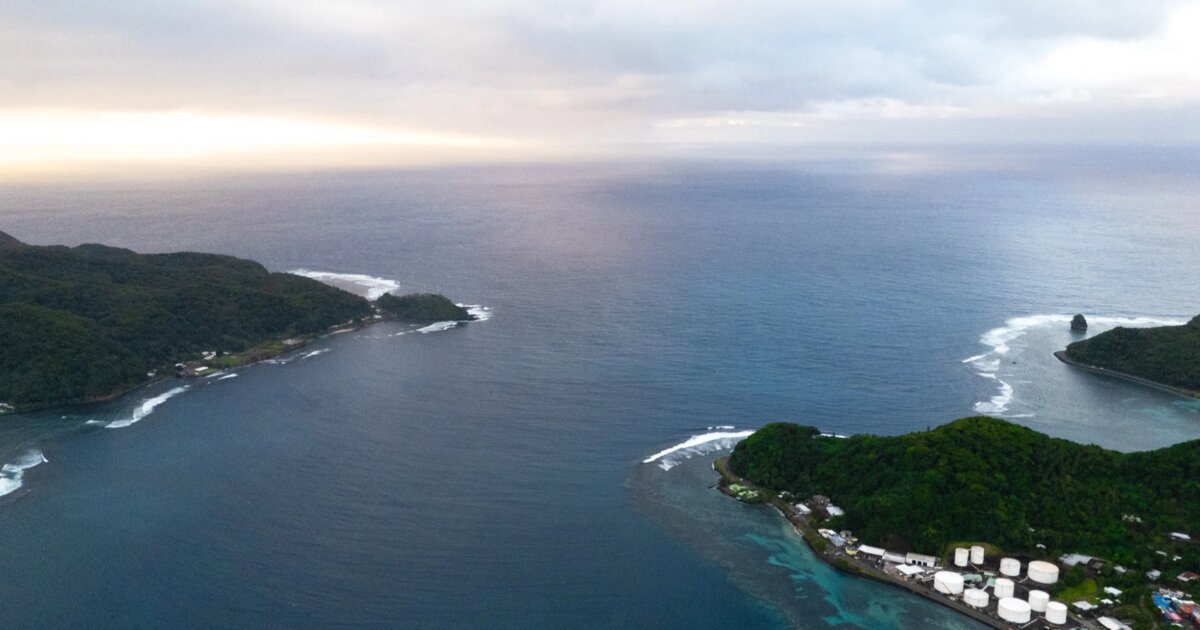
The U.S. government has taken another definitive step toward launching a deep-sea mining industry, starting in the waters of American Samoa, despite public opposition.
On July 17, the Marine Minerals Administration (MMA), a new U.S. agency formed by merging the Bureau of Ocean Energy Management and the Bureau of Safety and Environmental Enforcement, announced intentions to hold a lease sale for seabed mining on Nov. 19 in Camarillo, California.
The MMA also stated that the proposed lease “does not guarantee that a lease sale will be held” or that “exploration or collection activities will occur should MMA move forward with a sale.” Still, opponents see the proposal as a major step toward commercial deep-sea mining — an industry that has drawn widespread criticism over its potential impacts on marine ecosystems.
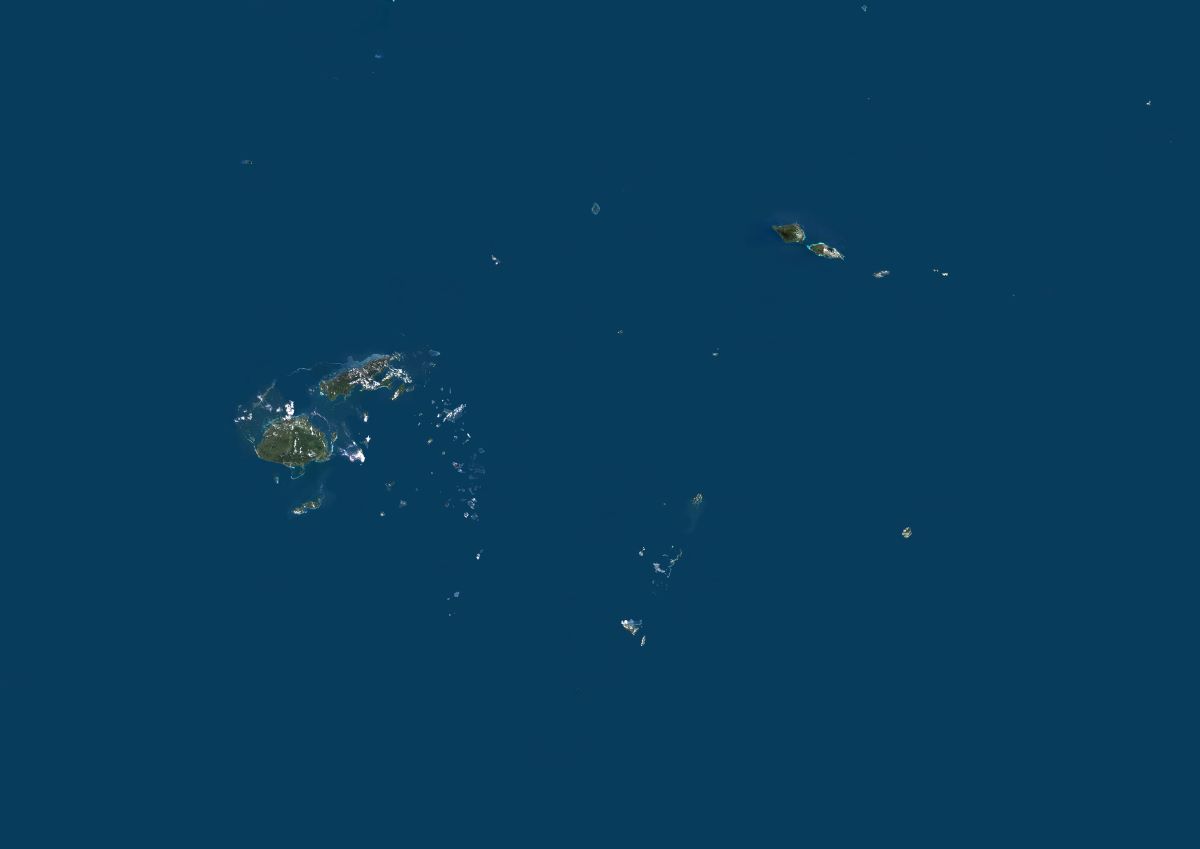
If the lease sale moves forward, the proposal indicates that companies will be able to secure 20-year leases across nearly 127,500 square kilometers (approximately 49,000 square miles) of seabed in the ocean surrounding American Samoa, a U.S. territory in the Pacific. The minimum bid for each of the two lease areas will be $3 million, and royalties in year 11 of the lease will be $1.25 per acre and increase over time.