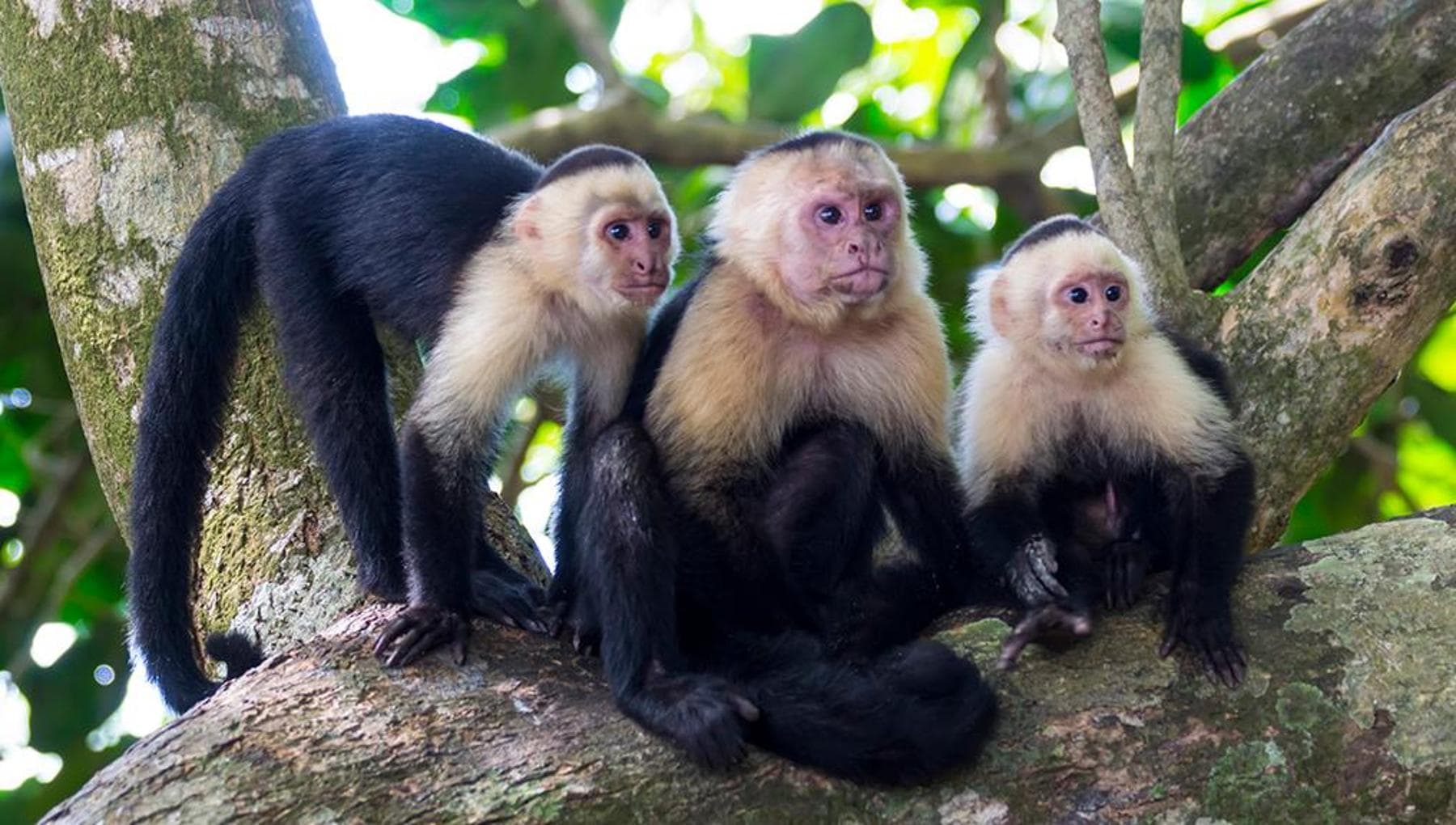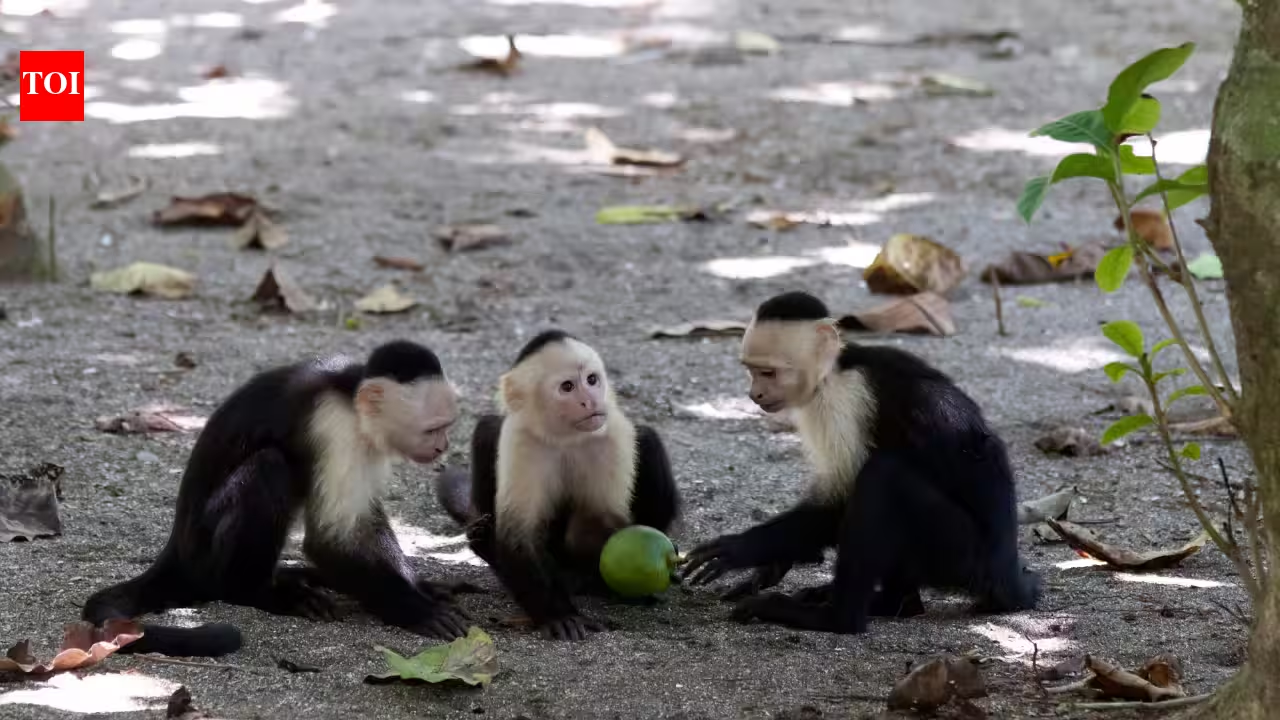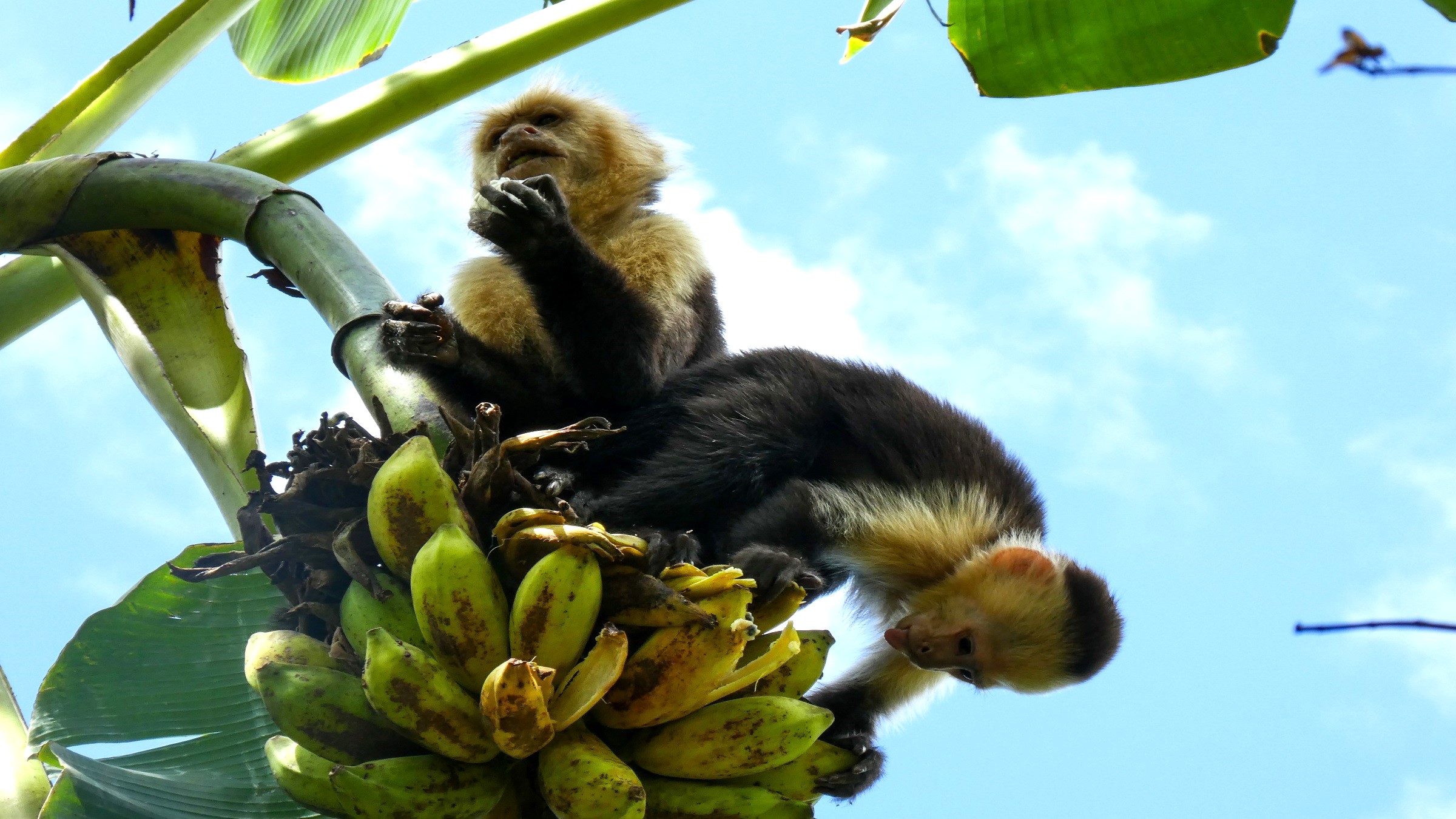
For 33 years, a research team has studied white-faced capuchin monkeys in the tropical dry forests of Costa Rica, gathering data on their complex social lives.A new study from the team shows that during extreme climate events, large groups of capuchins may go hungry, while smaller groups may fare better.Climate extremes alter the physical landscape, causing animals to change their societal behaviors. For capuchins, this means greater competition for food, heightened territorial sensitivity and fluctuating group sizes.While capuchins can adapt to environmental changes over time, there are limits to their resilience, as seen during the severe droughts caused by the El Niño in 2014-2016, when dwindling food sources caused capuchins to abandon societal norms in search of food.
COSTA RICA: Dawn is yet to break when primatologist Susan Perry and her field research team move through Costa Rica’s tropical dry forest for a day in the field studying Central American white-faced capuchin monkeys.
Despite the darkness, the forest is humming. Perry calls this juncture “the changing of the guard,” when nocturnal animals end their day and diurnal species are just beginning theirs. As the team approaches the site where the capuchin (Cebus imitators) sleep, the location of which changes nightly, spiders’ glittering eyeshine emblazons the ungraspable dark of the forest.