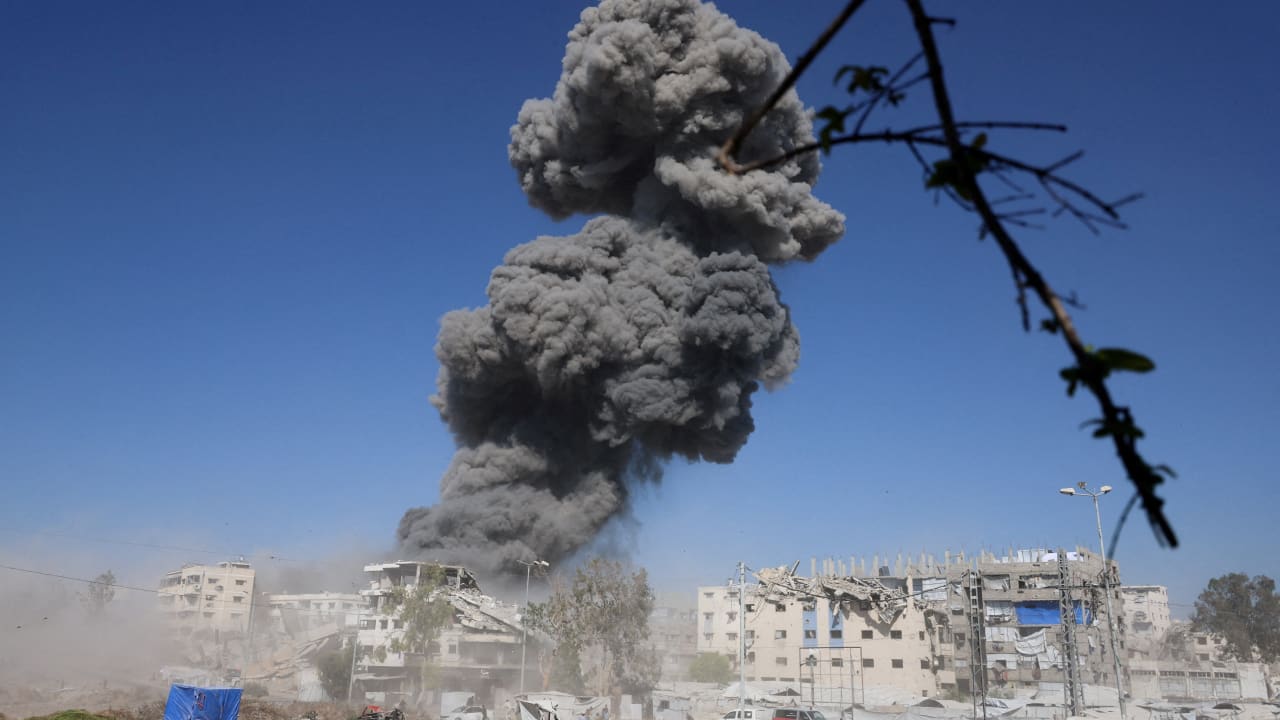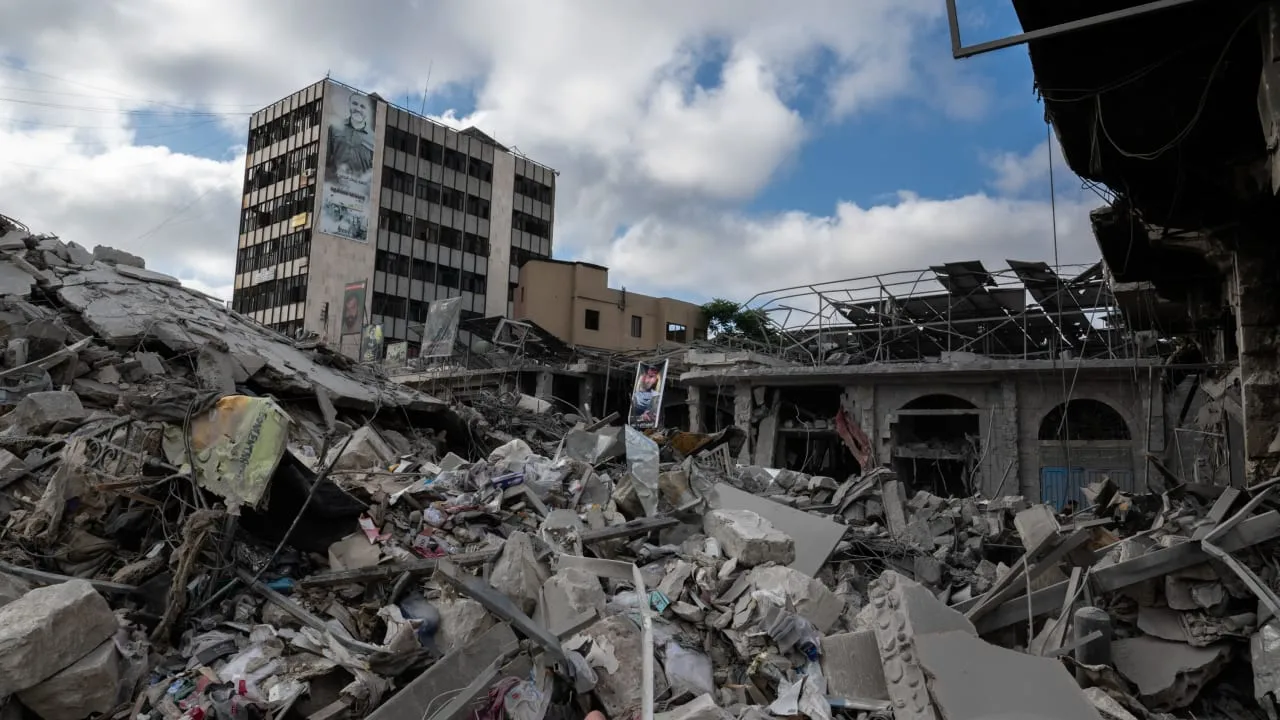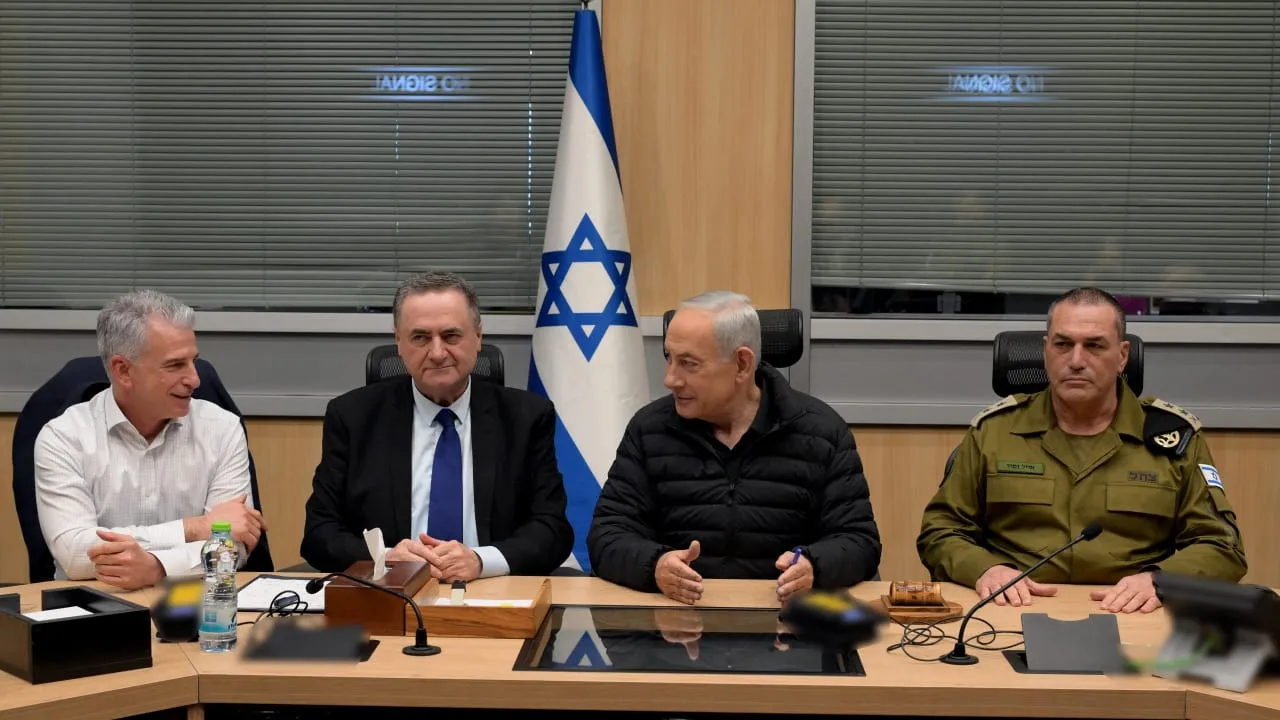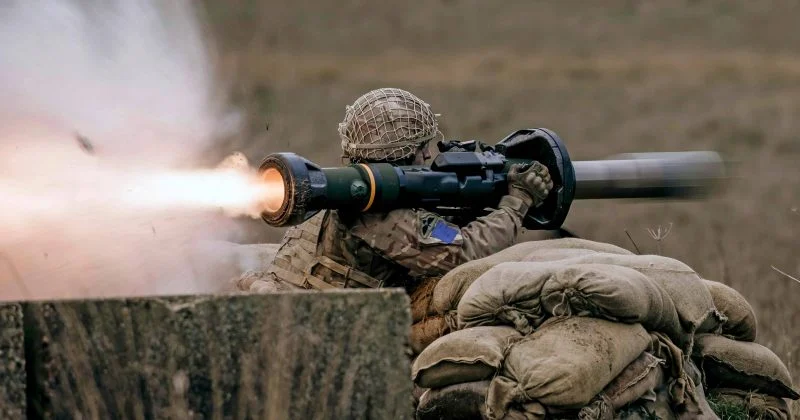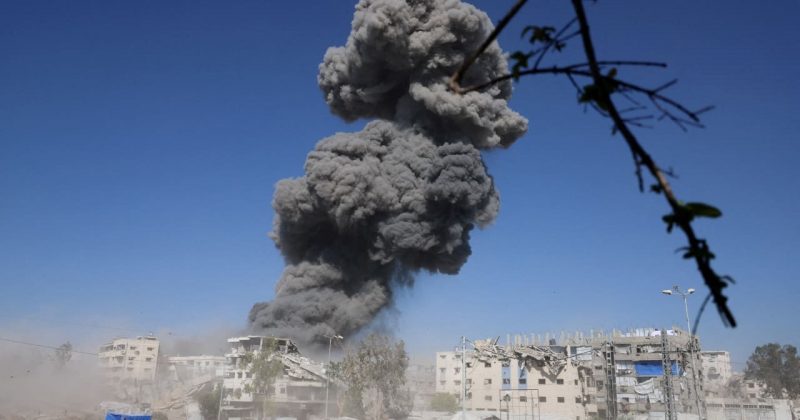
Israel’s strategic shift towards a more aggressive security posture, as reported by the Jerusalem Post, has garnered broad political backing, emphasizing a proactive approach rather than passive deterrence. This policy change has involved increased military operations and settlement expansion in Judea and Samaria, coupled with a firm stance against Palestinian statehood. These developments align with Israel’s current security doctrine, which prioritizes preemptive strikes and decisive actions against regional adversaries, including Iran and its proxies.
Market participants appear to interpret this shift as decreasing the likelihood of a diplomatic meeting between Israel and Hezbollah by July 31, 2026. The probability for such a meeting remains low, with odds currently at 2.4% for July and 5.0% for August. The recent developments suggest a hardened Israeli position, potentially reducing the chances of diplomatic engagement with Hezbollah, consistent with market perceptions of decreased likelihood for peace talks.
Key Takeaways
The shift in Israel’s security policy appears consistent with a decreased likelihood of diplomatic engagement with Hezbollah.
Market odds for a meeting between Israel and Hezbollah by July 31, 2026, are currently priced at 2.4% YES, indicating low expectations.