Comments
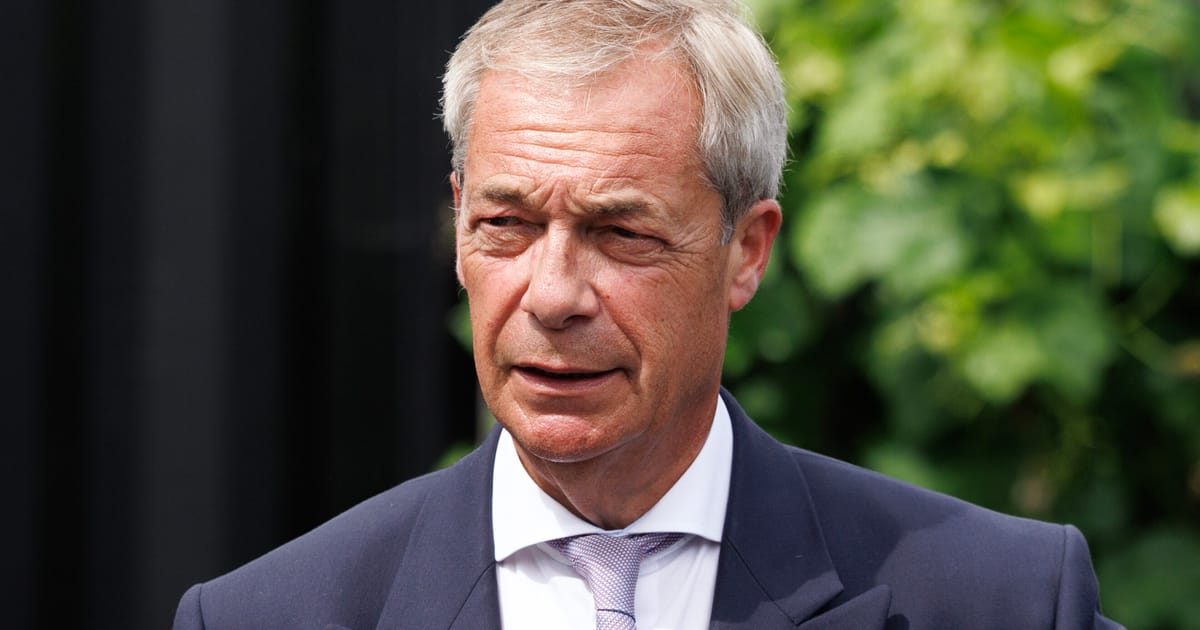
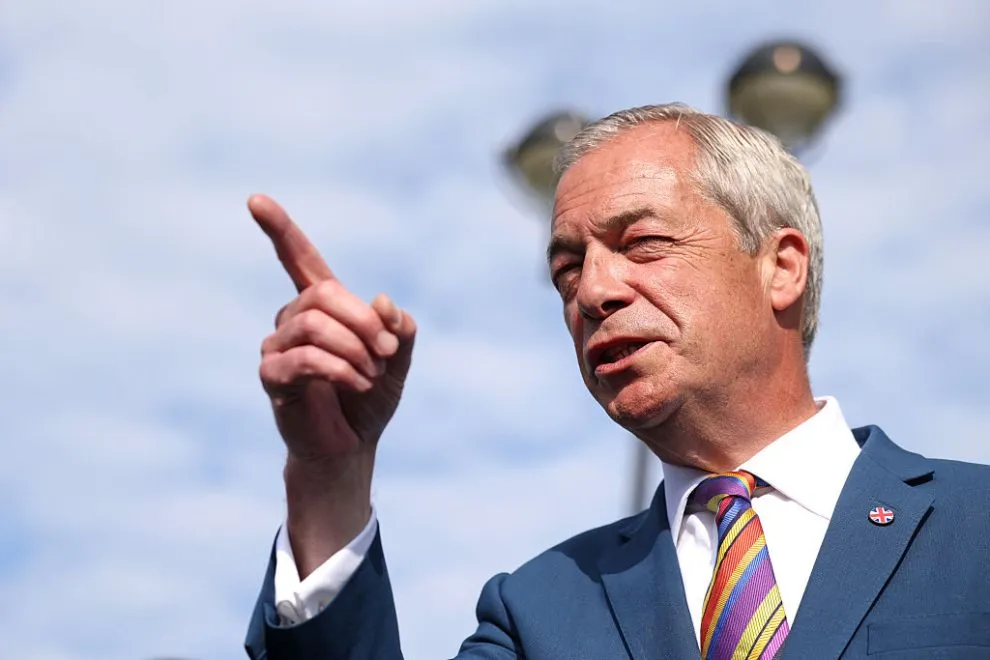
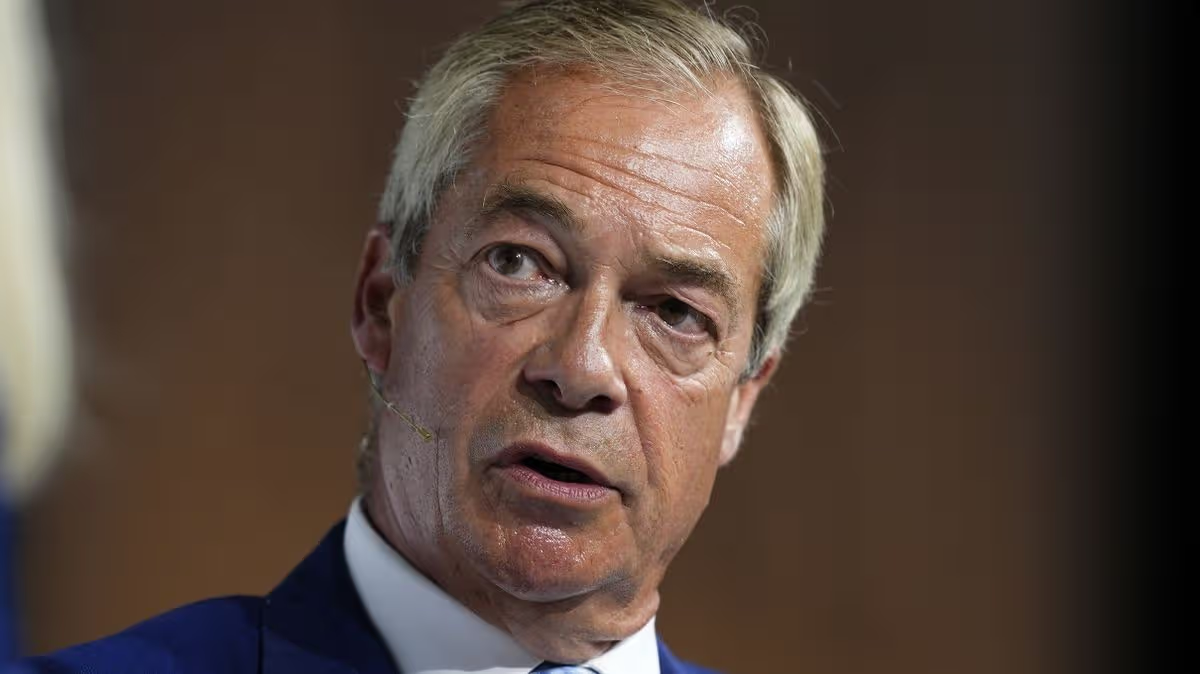
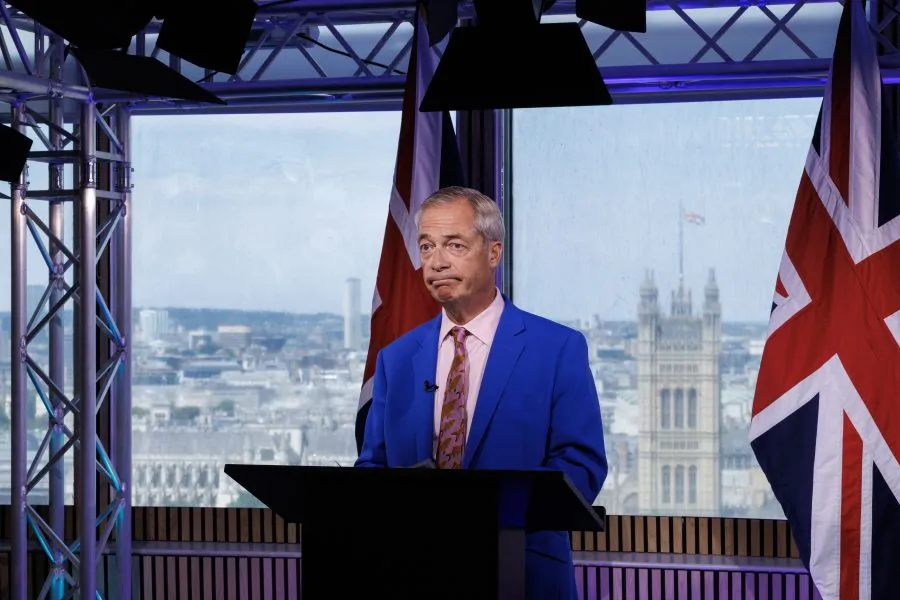
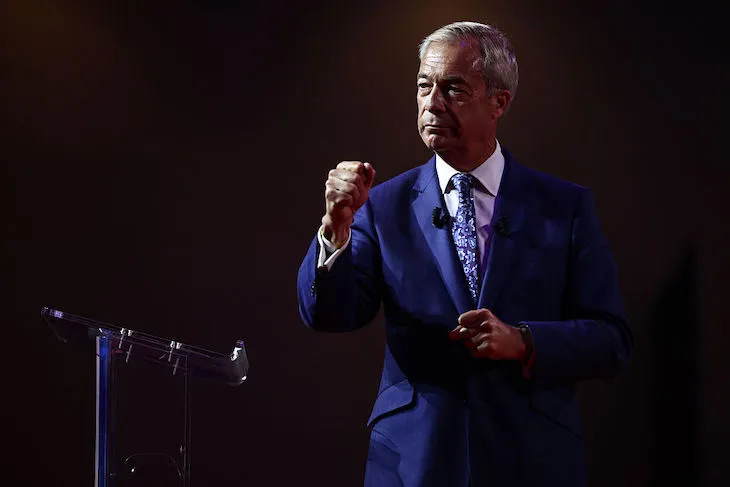
It was Napoleon who said that ‘To understand the man you have to know what was happening in the world when he was twenty.’ Nigel Farage is nothing if not a man of the 1980s. Big ambitions, loud suits, indoor smoking: for him, the greatest year to have been alive was 1988, the high noon of Nigel Lawson’s tax-cutting zeal. Farage was a City trader whose thinking remains defined by that era of Thatcherism: of buccaneering Britain and primary colours politics. ‘Everyone around him was doing well’, says one friend ‘and then he spent the next two decades discovering that it was not the case for the rest of the country’.
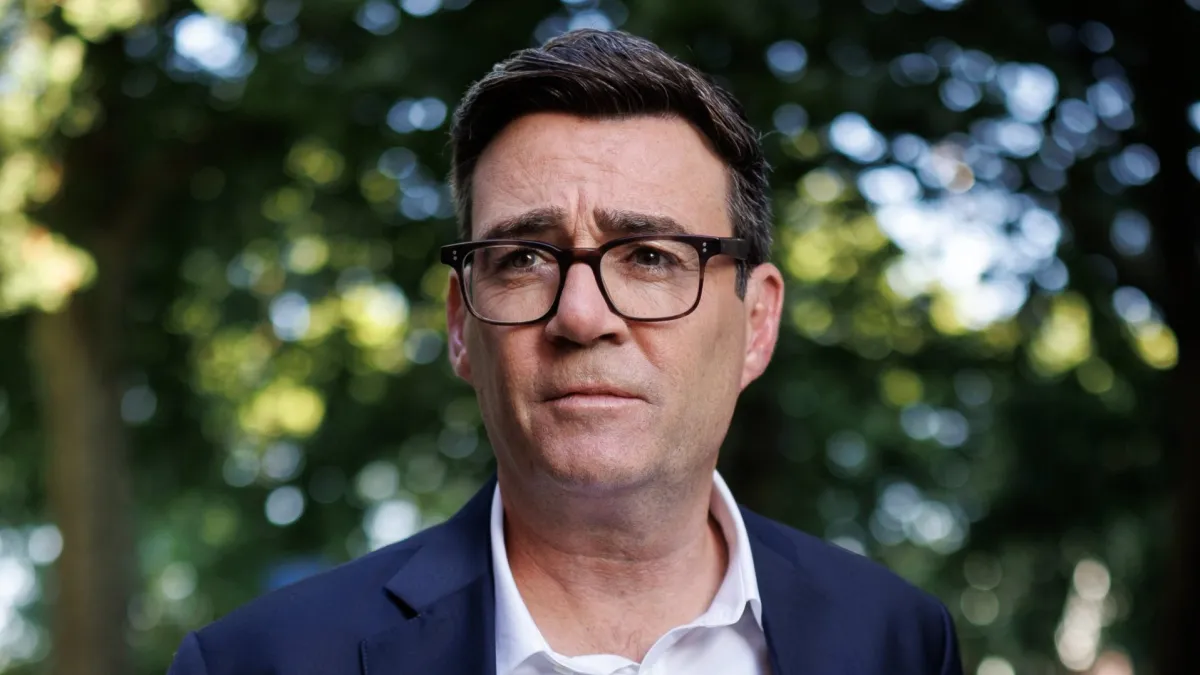
One person who recalls that era less fondly than Nigel Farage is Andy Burnham
One person who recalls that era less fondly is Andy Burnham. Six years younger than Farage, he was a twenty-year-old Cambridge undergraduate in 1990, having stood as a school boy for Neil Kinnock in a mock election. Merseyside, unlike London, was one of the greater losers of that era: much of his politics are a reaction to that era. His speech this afternoon made much of that fact, rehashing battles that were once regarded as settled. Burnham claimed that Britain had taken ‘a series of wrong turns in the 1980s [where] political power was centralised and economic power was privatised.’ In Burnham’s view, ‘the country surrendered control of the essentials.’ It was a speech that will cheer those parts of the Labour Party for whom the conflicts of the 1980s are as important as Marsden Moor was for the Victorian Whigs.