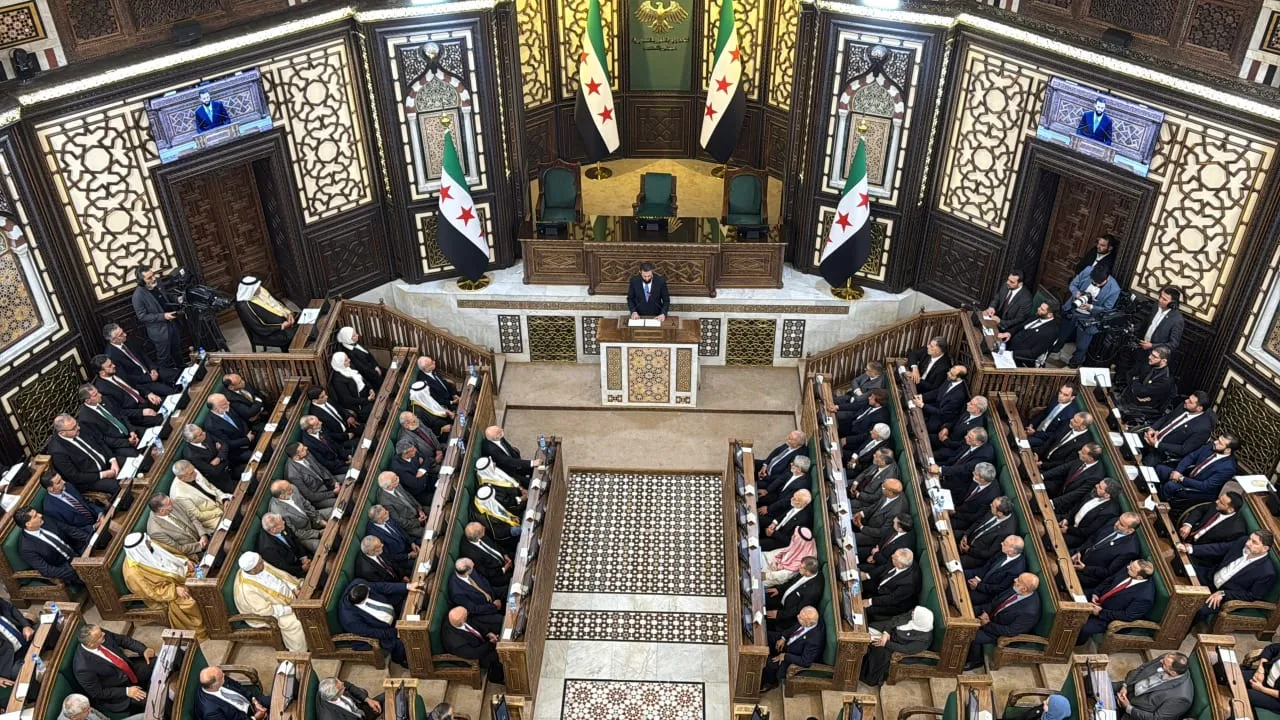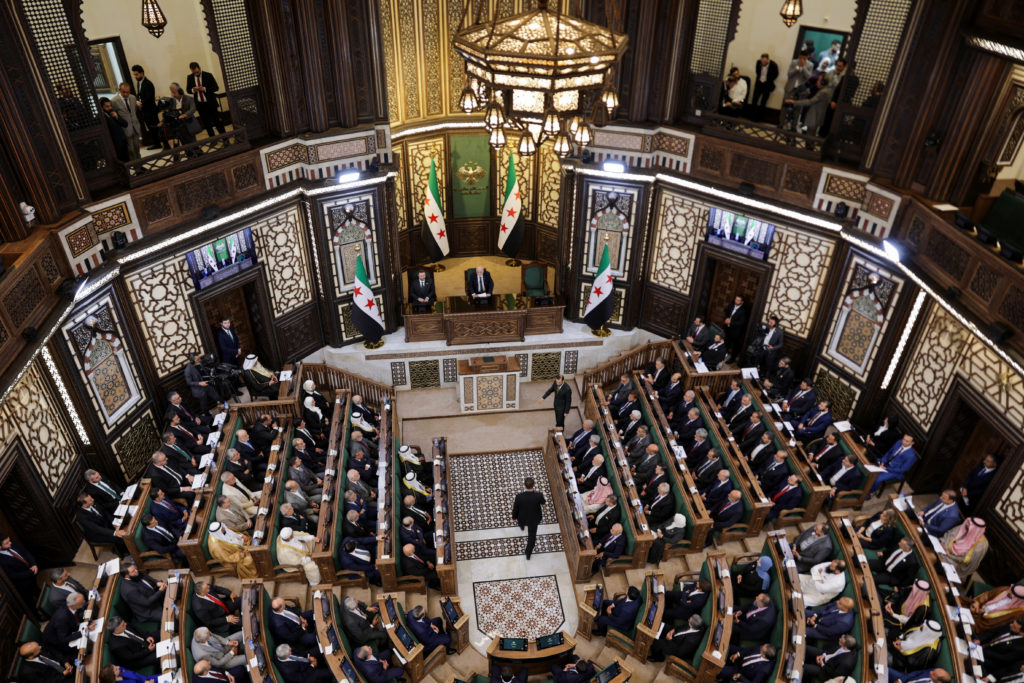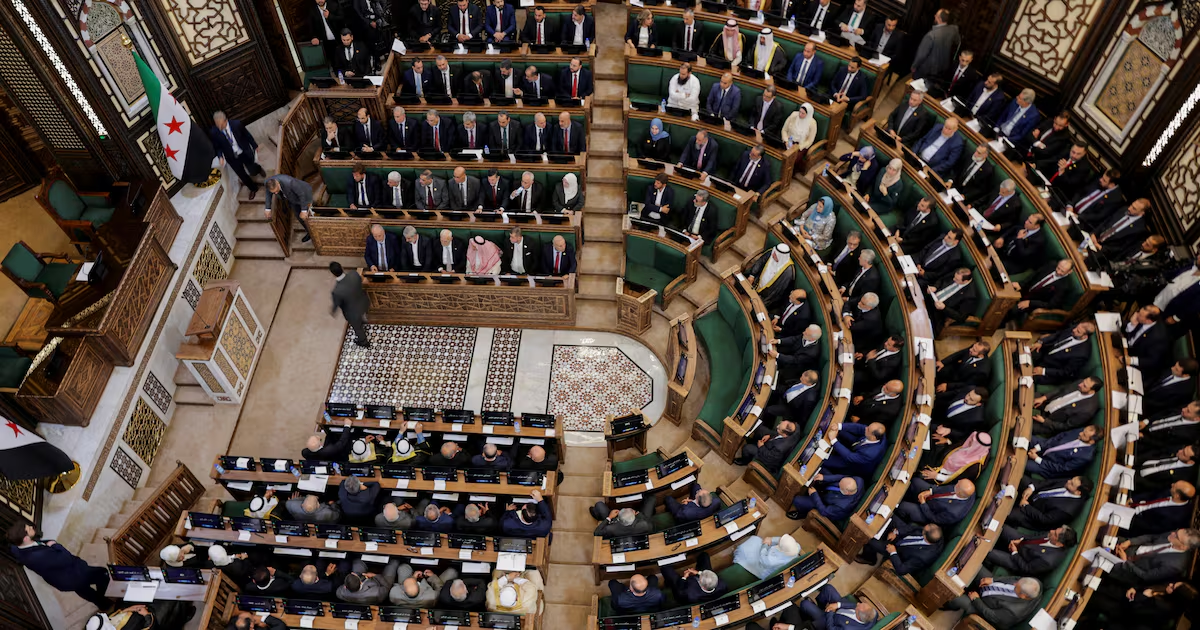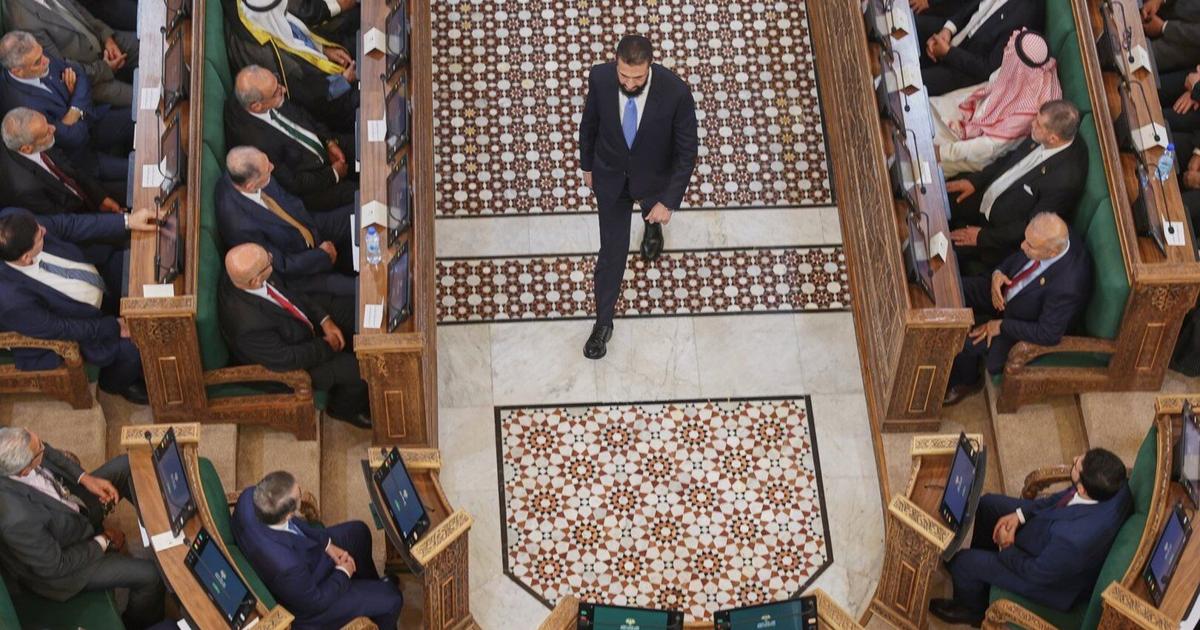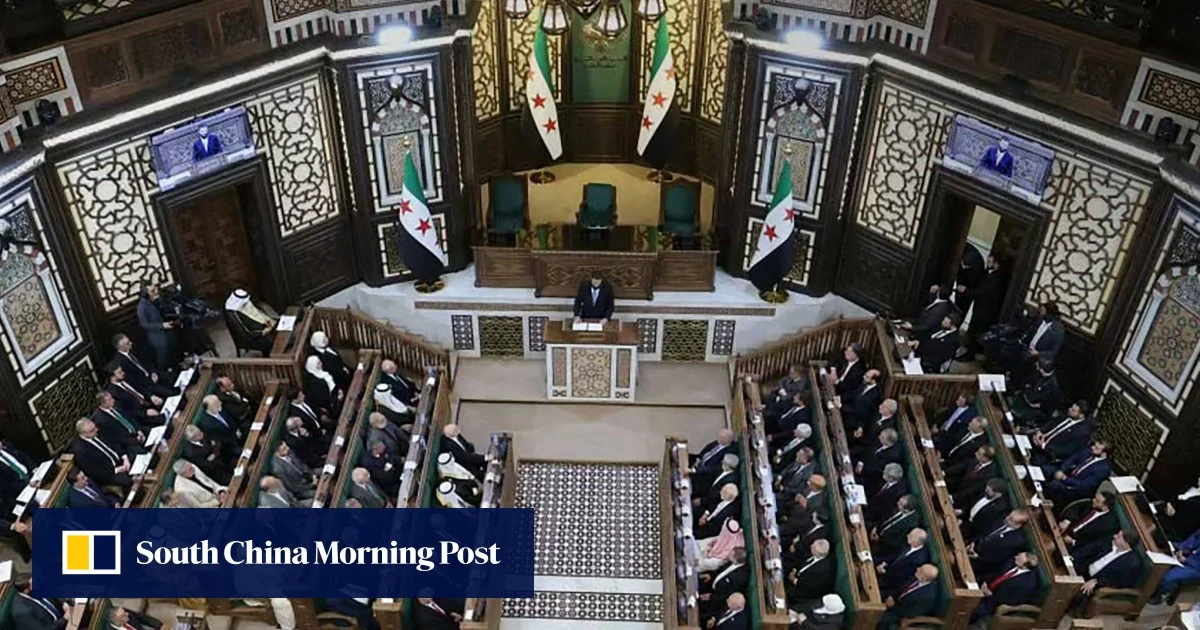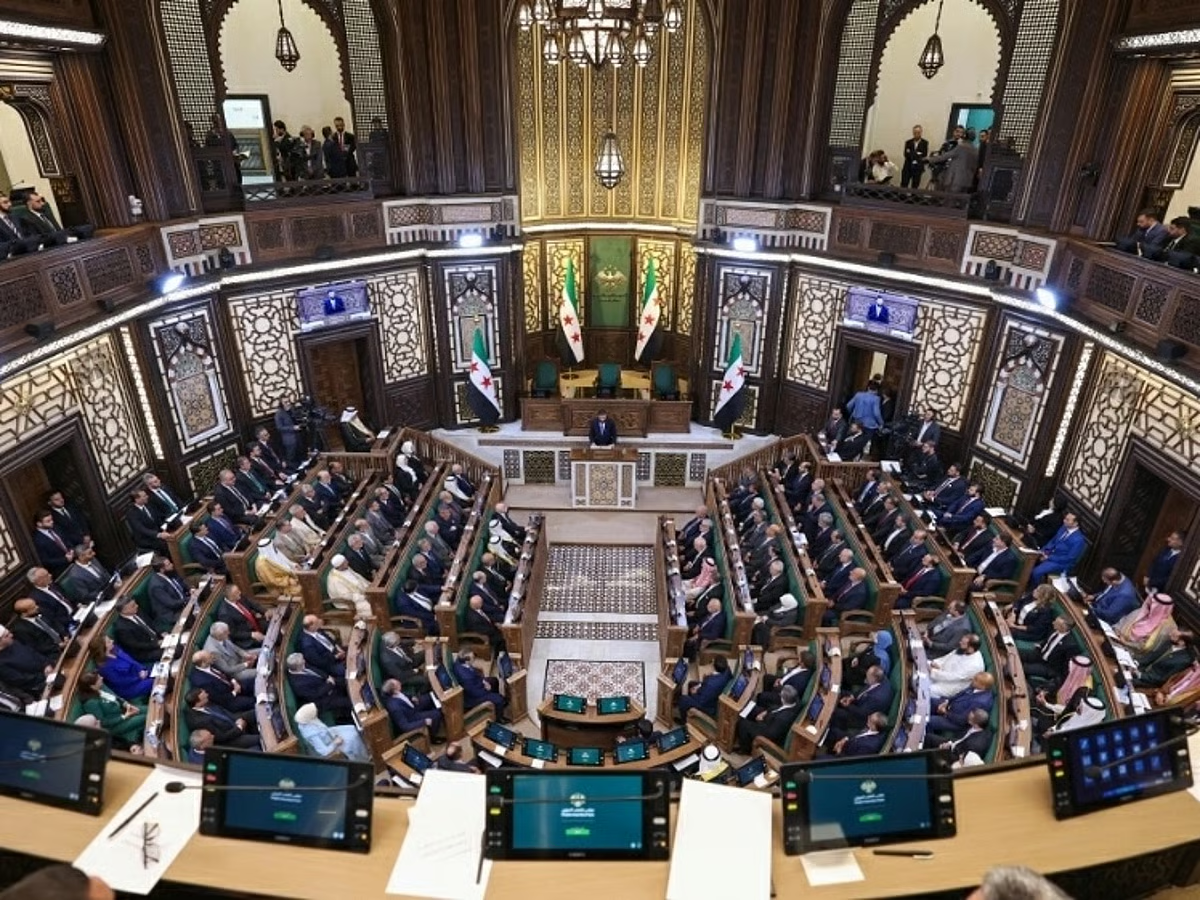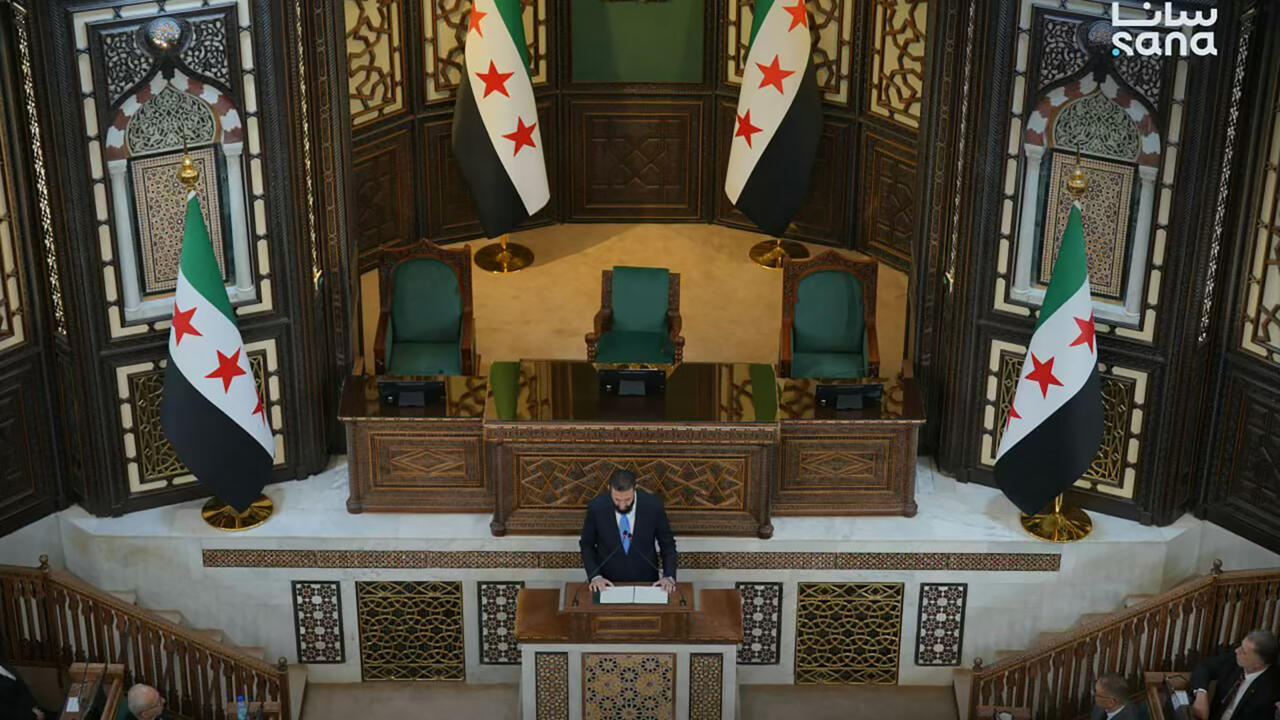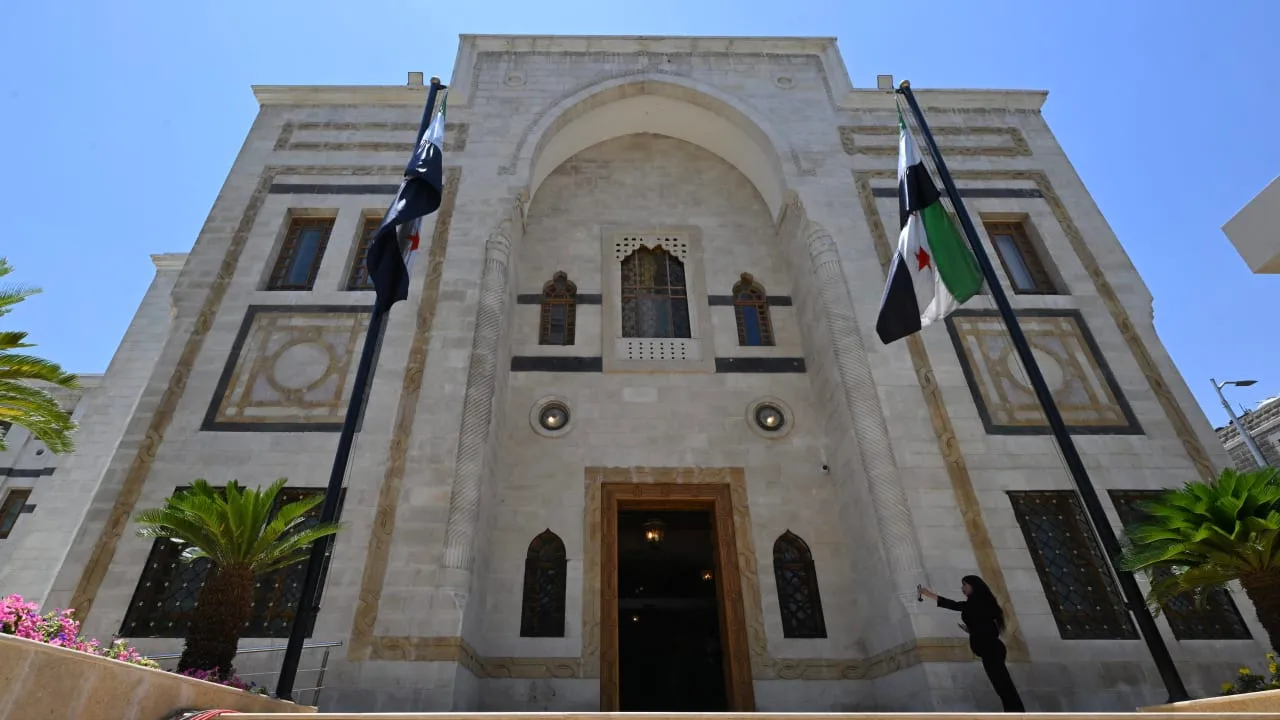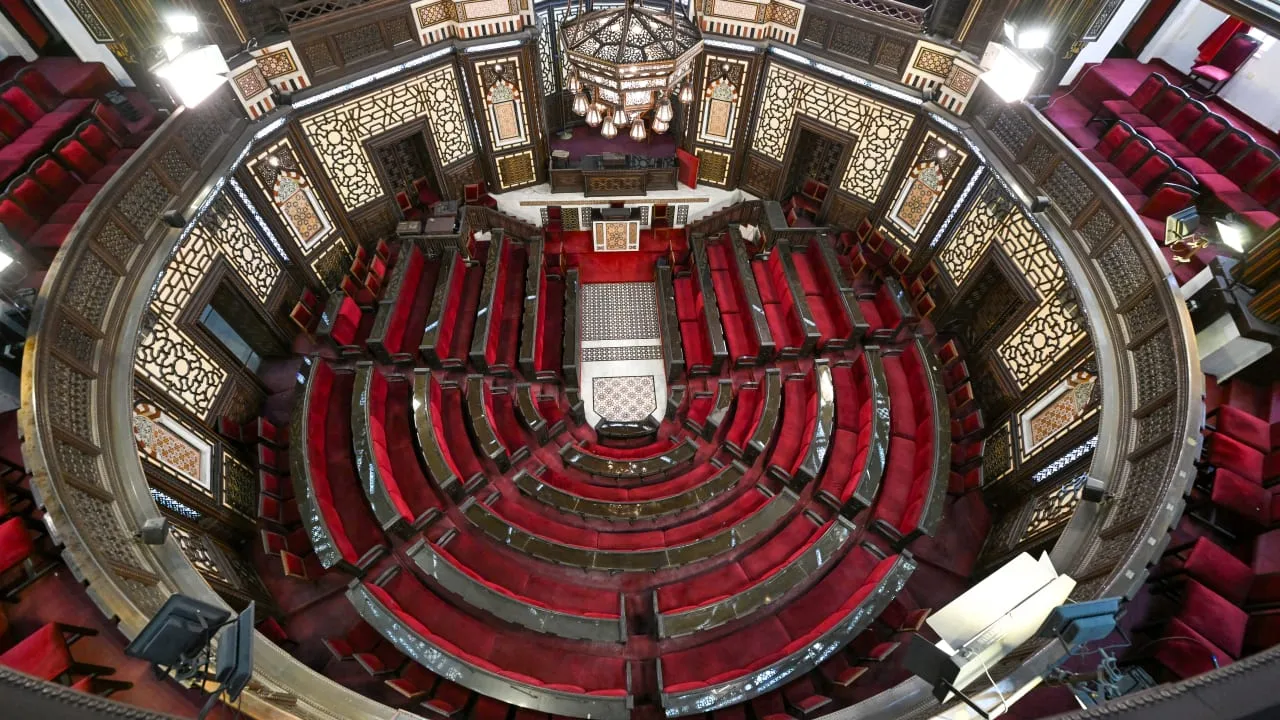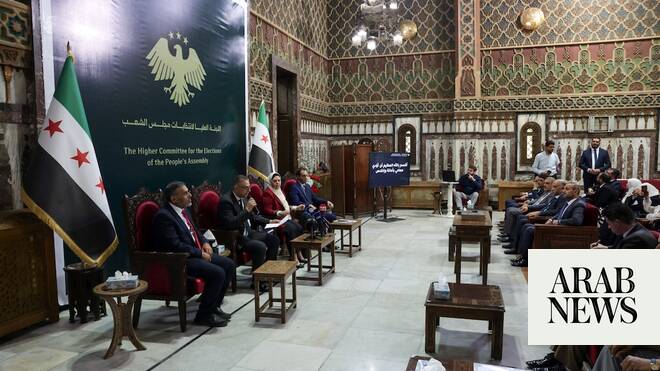
In the days before Syria’s new People’s Assembly convened, I kept passing by its building in the heart of Damascus. The trees around it were freshly trimmed, the entrance cleaned, the facade well-lit at night. It looked neat. It also looked empty. The building sits at the corner of Salhiyya, a commercial district in one of the liveliest parts of the city. For six decades under the Baath Party, Syrians walked past it without a second look. There was nothing inside worth looking at. Now, it was being polished in anticipation of a parliament that many Syrians complained had taken too long to arrive.
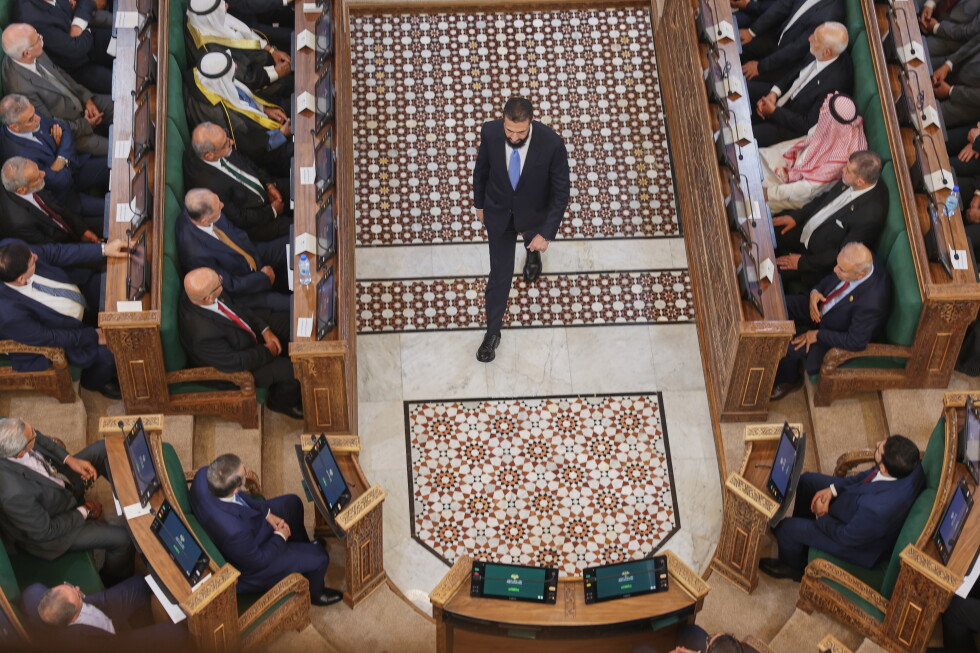
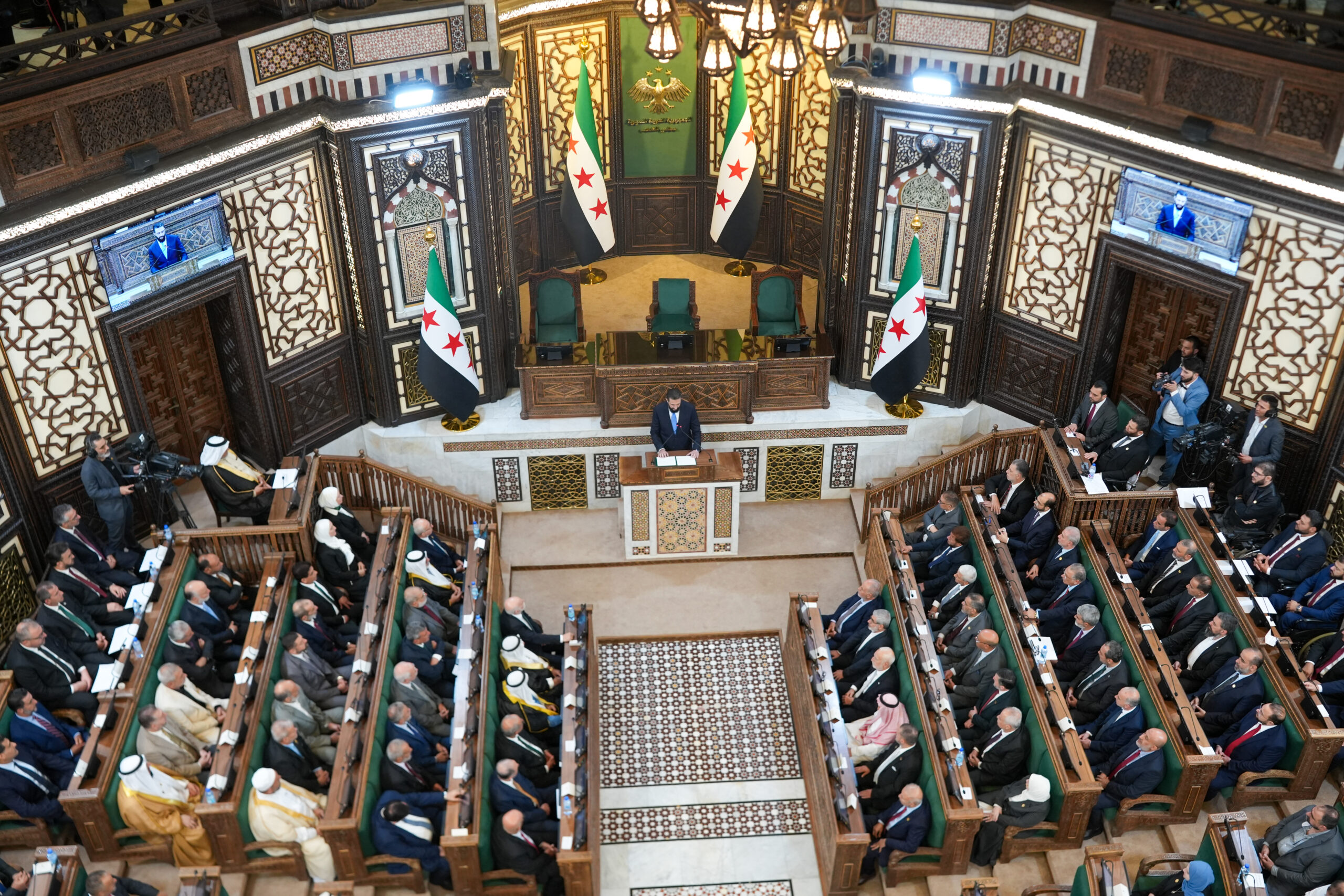
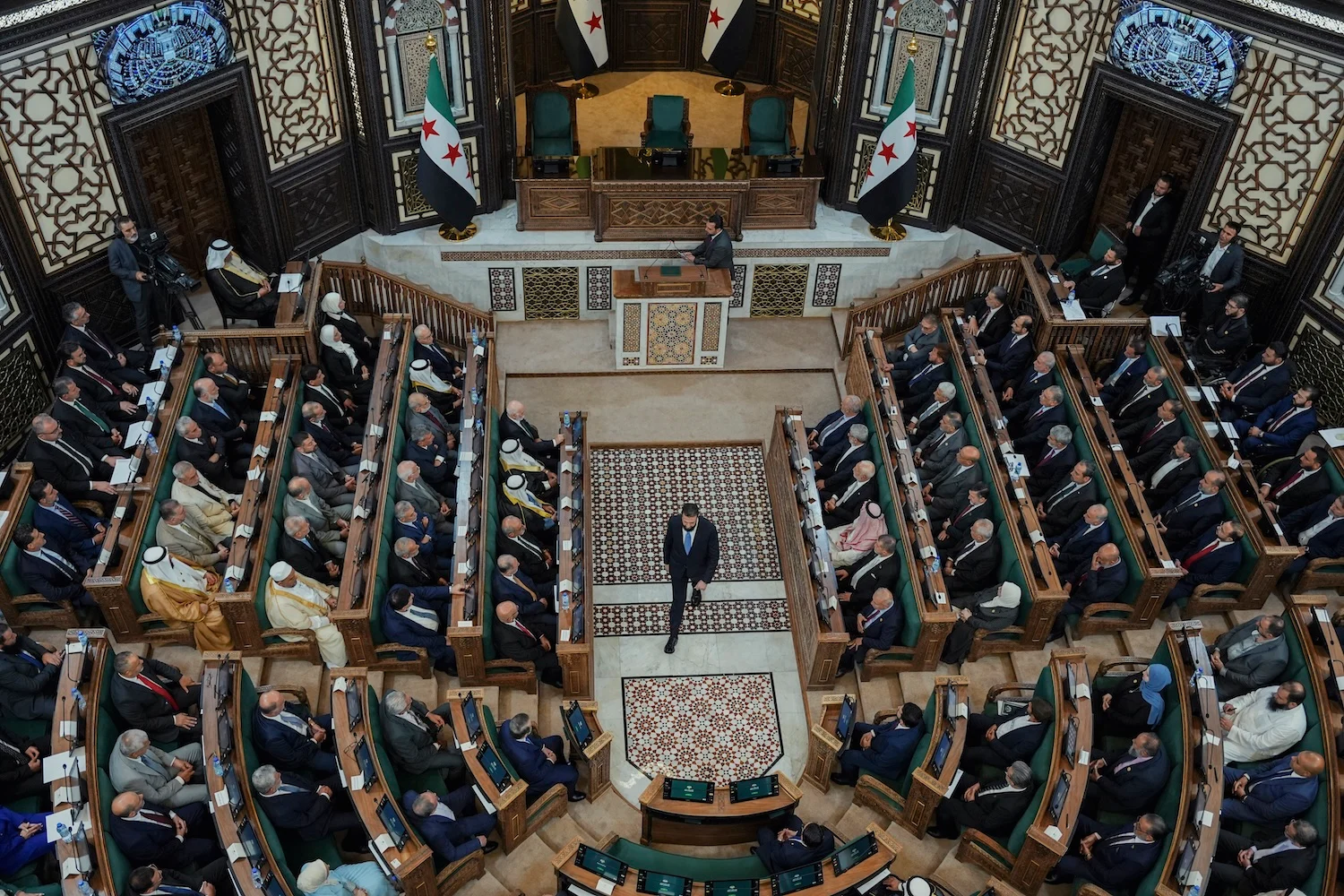
On July 12, it finally convened. The roads around it were choked for hours; the security presence was heavy; and the members were sworn in collectively, in one group. The head of the higher elections committee explained that this would save time and preserve the security of the session. It was a rare official acknowledgment of how fragile the situation in Syria still is.
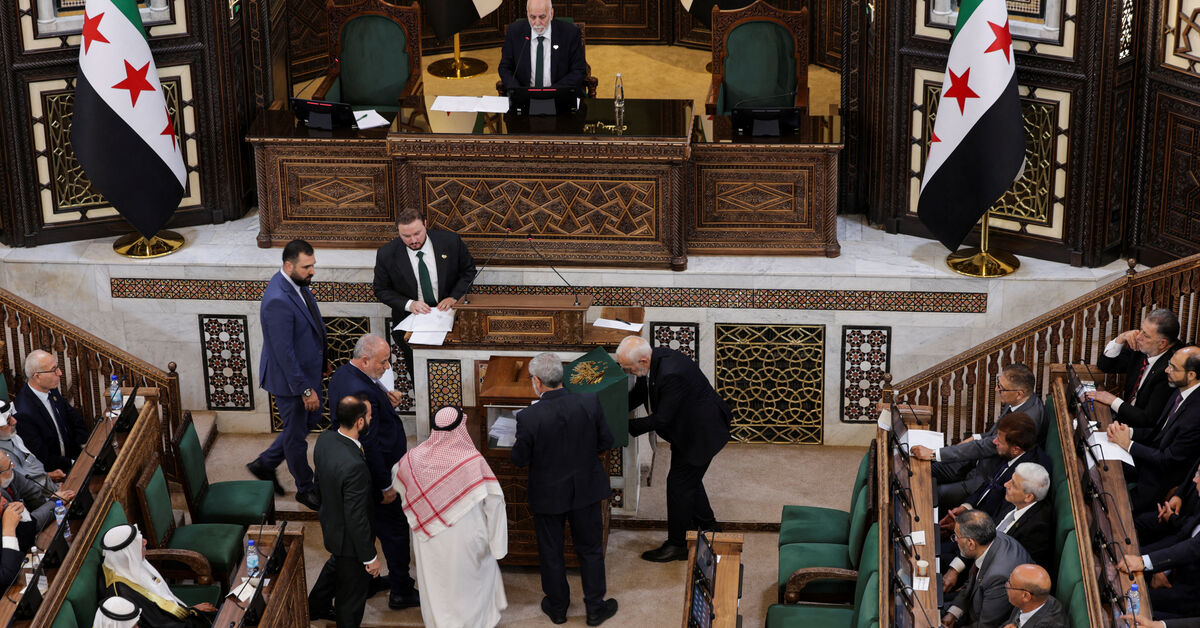
Then the members started to argue about how to vote. Should candidates who lose one position be allowed to run for another? Should members vote by raising their hands, or should those who object stand up instead?
The acting speaker, the oldest member in the chamber, eventually lost his patience. “Please,” he said, “everyone wants to give me a lecture on procedure and law. We have no procedures and no law. This is an entirely new matter.”