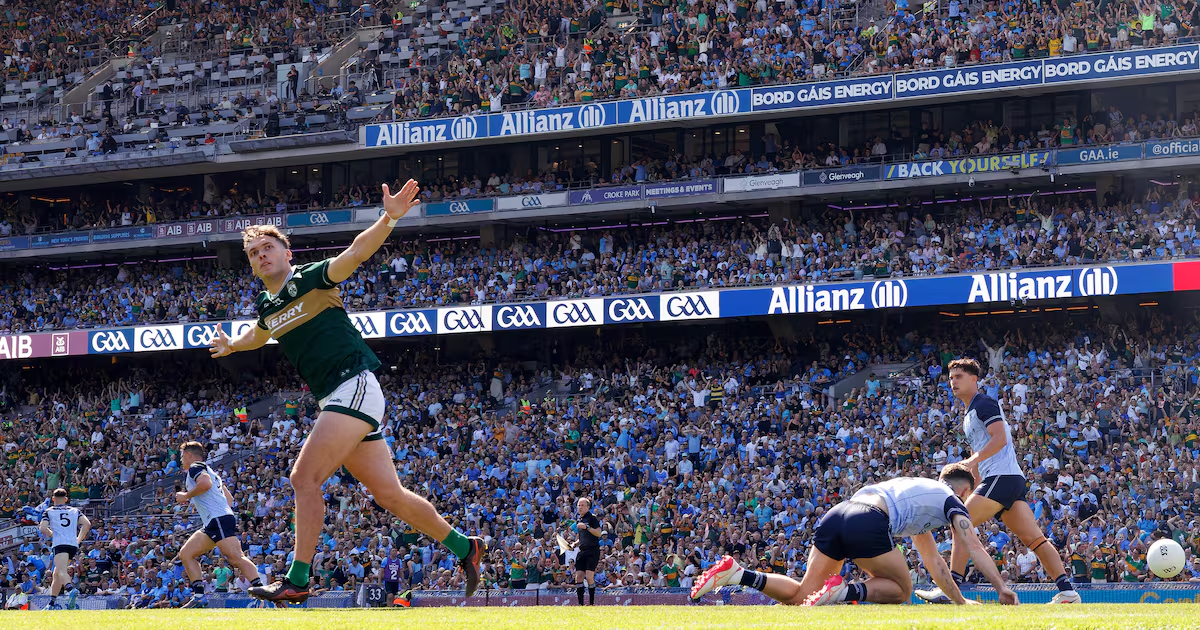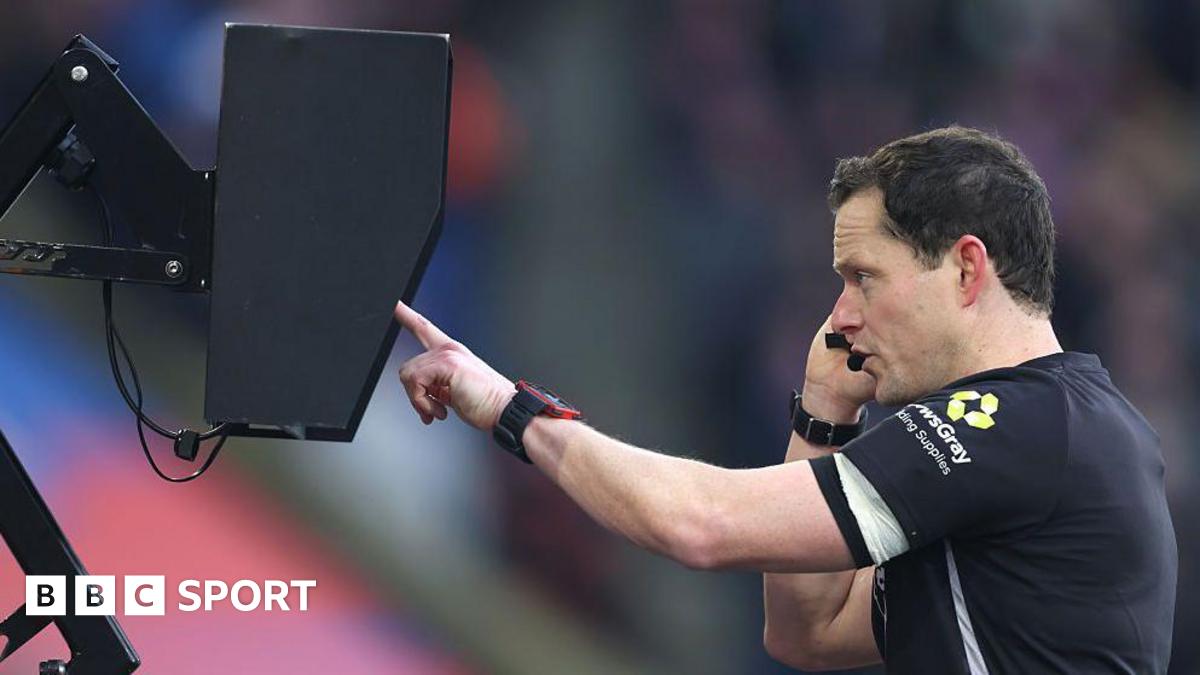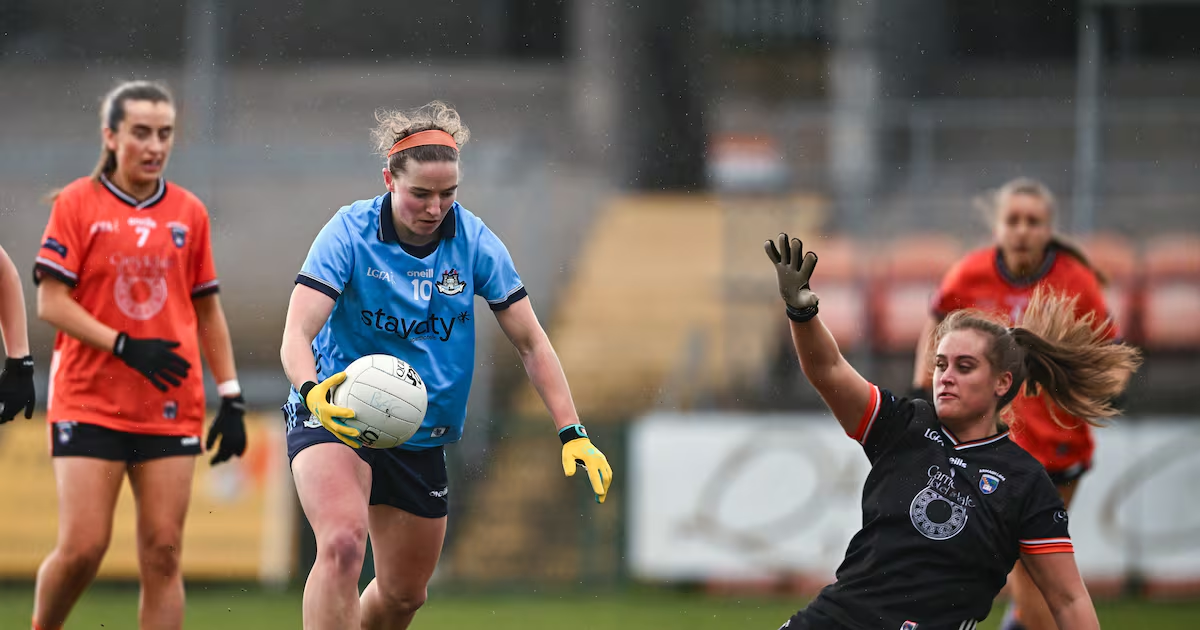
There’s a comforting rhythm to controversies in Gaelic games. With each passing weekend, we find a new point on which to fixate. Some of these talking points gain greater traction and generate heightened debate, but the next set of games quickly roll around, bringing with them new topics for discussion, and it’s good riddance to past woes.During last weekend’s All-Ireland SFC semi-final between Dublin and Kerry, three incidents converged to raise one collective question: does GAA need VAR?It’s a topic that has bubbled up before, and the jury remains out on whether a full-fledged video-assistant refereeing technology, similar to what is used in soccer, is the answer, such is the fear that additional stoppages would adversely affect the speed and flow of games, but a small embrace of technology would have negated much of last weekend’s debate. And what’s better, the precedent is already there.Ahead of the 2017 All-Ireland women’s football championship, the LGFA established score assistants, an official who can review scoring incidents in all televised games. The score assistant sits in the on-site TG4 production van and has use of all available camera angles to help determine whether a goal or point has been scored.Speaking at the launch of the 2017 championship, then LGFA president Marie Hickey described the change as a “vitally important development”, highlighting its availability at every televised game regardless of venue or stage of the competition.“We are determined that, where possible, we have a level playing field for all of our players regardless of what stage of the competition they are playing in,” Hickey said at the time.Cora Staunton raised this during last week’s Sunday Game as the panel discussed three major decision in the Kerry-Dublin semi-final. While the penalty call against Peadar Ó Cofaigh Byrne requires a more nuanced debate surrounding the role of umpires and wider video-assistance, whether Ross McGarry’s effort should have raised a green flag and the square ball in the lead-up to Seán O’Brien’s goal could both have been put right had a system similar to women’s football been in play.The LGFA’s approach has proven effective, and to calm those in the GAA who are averse to change, it has operated in near silence since its introduction nine years ago. A quick look through the LGFA referee handbook might explain why: the guidelines set out the limited role of score assistants (“to assist with scores only – no other decisions”) and imply a “speak only when certain” approach.The handbook explains two instances when the score assistant can come to the fore; when clarification regarding a score is sought by the referee, and when the score assistant clearly sees from the replays that a decision was incorrect. In the latter example, “clearly” is stressed, with the added clarification: “It is important that if it is not a clear error they (the score assistant) see being made then they remain with the umpire’s decision.”Ciara McAnespie of Monaghan with Anne Marie Walsh of Cork. Photograph: Donall Farmer/Inpho Within a month of the system’s introduction, a score assistant was called into action during an All-Ireland qualifier between Cork and Monaghan. After review, a Ciara McAnespie goal was awarded to put the Ulster side one-point ahead. Cork ultimately fought back for a narrow win, but had the goal remained unawarded, Monaghan would justifiably have been able to question “what if”.With Hawk-Eye only used to determine the validity of points, in addition to its absence at the vast majority of intercounty grounds, it seems a viable alternative for the GAA if the association could strike a similar arrangement with broadcasters. Surely they’d find a willing and experienced partner in TG4.And it wouldn’t be the first time the men’s game would have taken a leaf out of the LGFA’s playbook. The hooter system, which has been used in the women’s game since 1998, was adopted as part of the FRC rule changes following last season’s trial run, albeit having secured the lowest positive vote at last October’s Special Congress – 67 delegates voting in favour to 33 against, whereas the 16 other motions voted on garnered acceptance rates of over 90 per cent.Plans to integrate of the Gaelic associations should give these idea-sharing conversations greater standing. A good idea in one code should be of benefit to them all.
Women’s football has had VAR for nearly a decade, so why not bring it into the men’s game?
The score assistant sits in the onsite TG4 production van and has use of all available camera angles to help determine whether a goal or point has been scored
713 words~3 min read