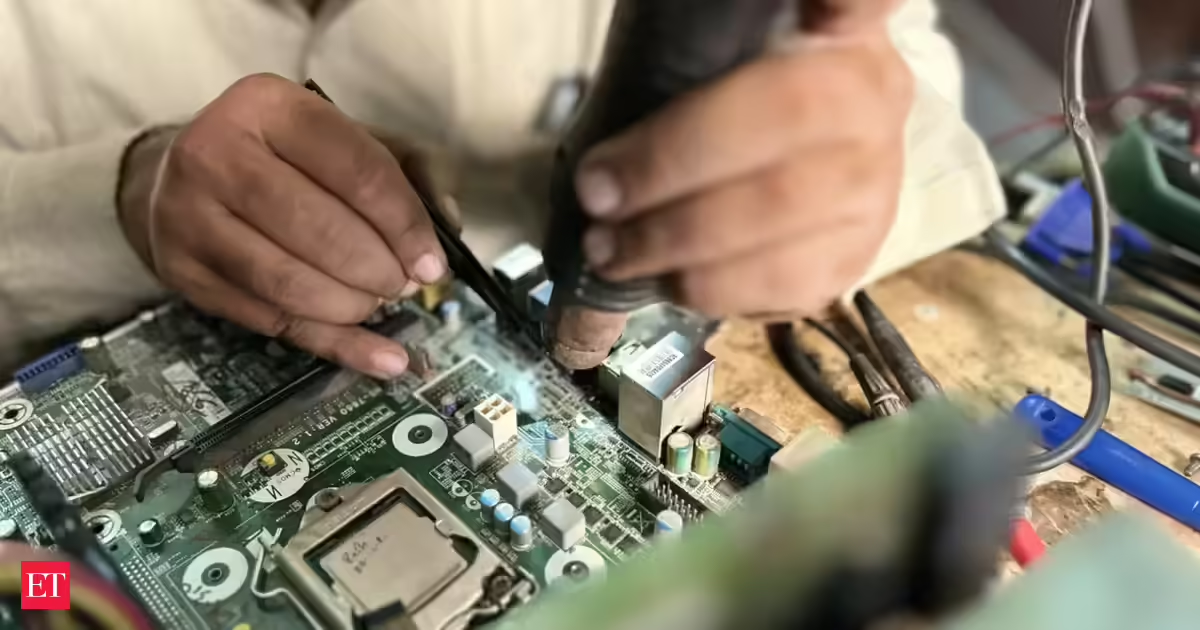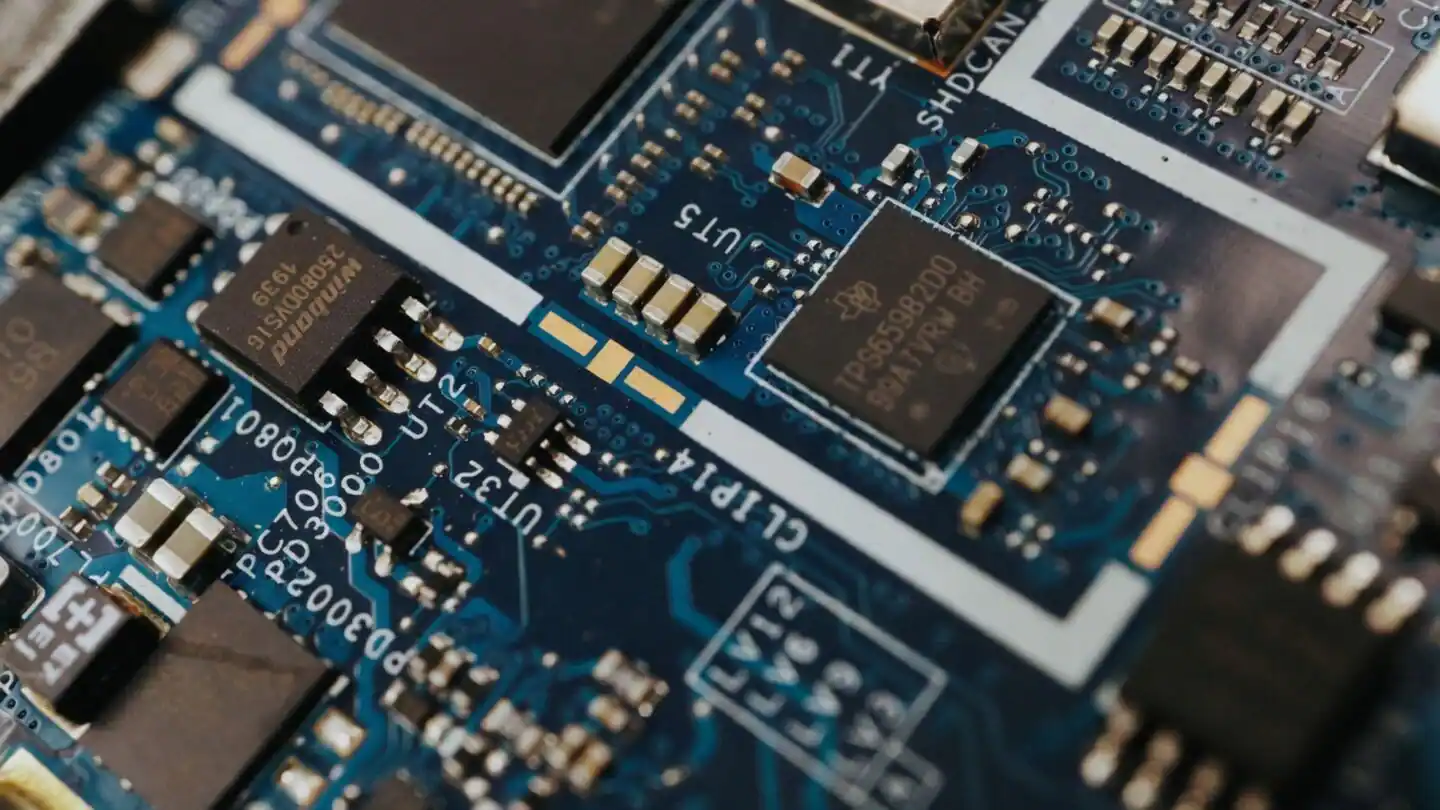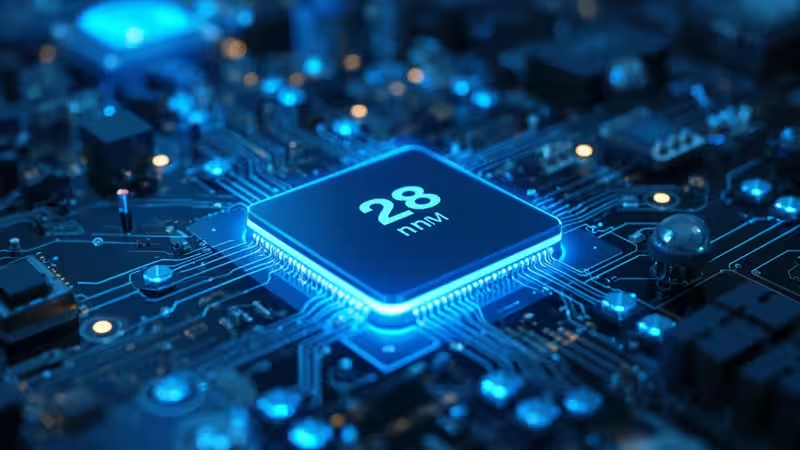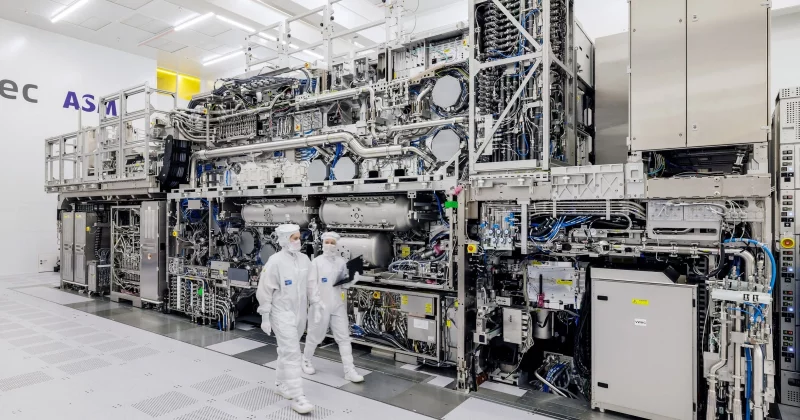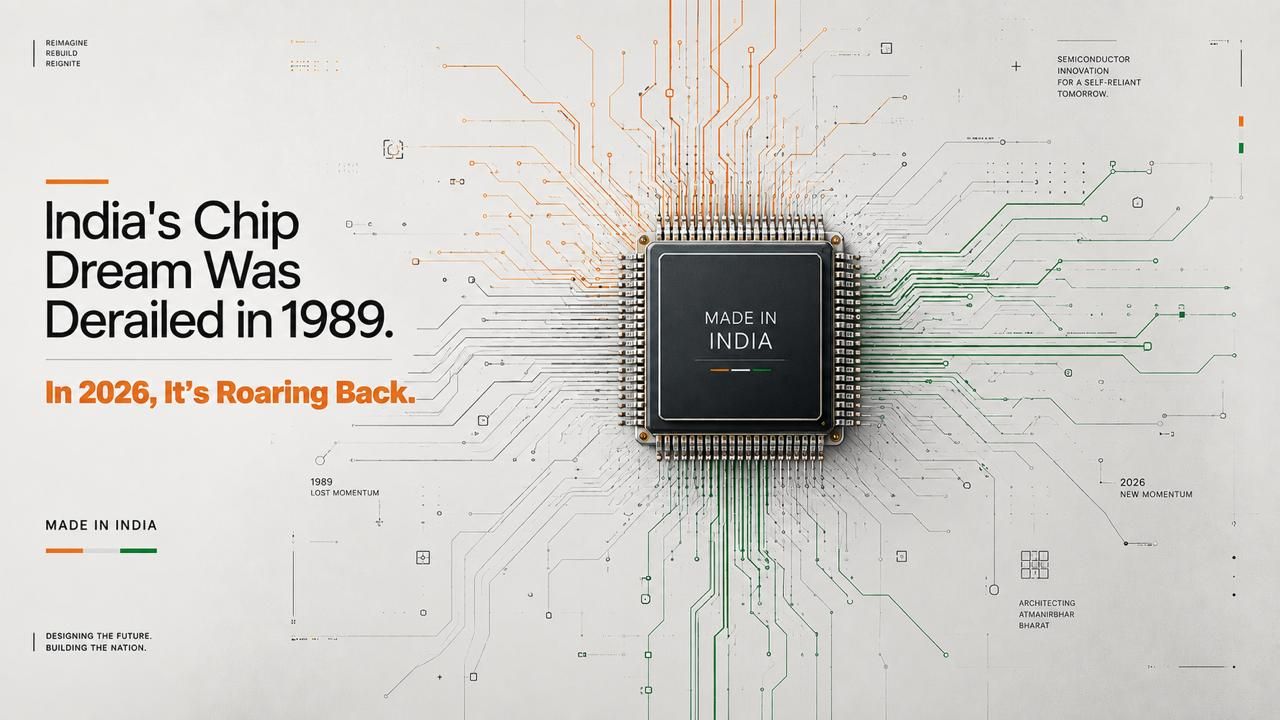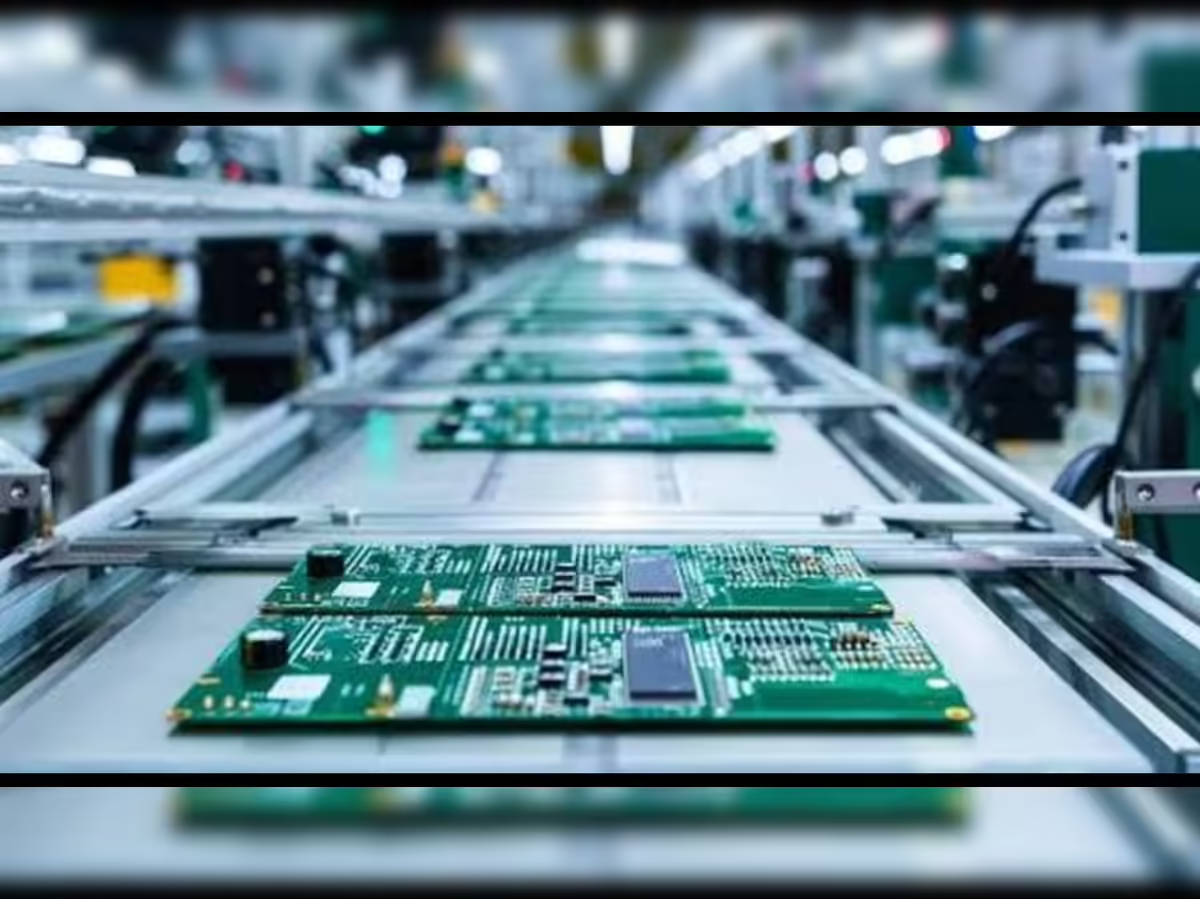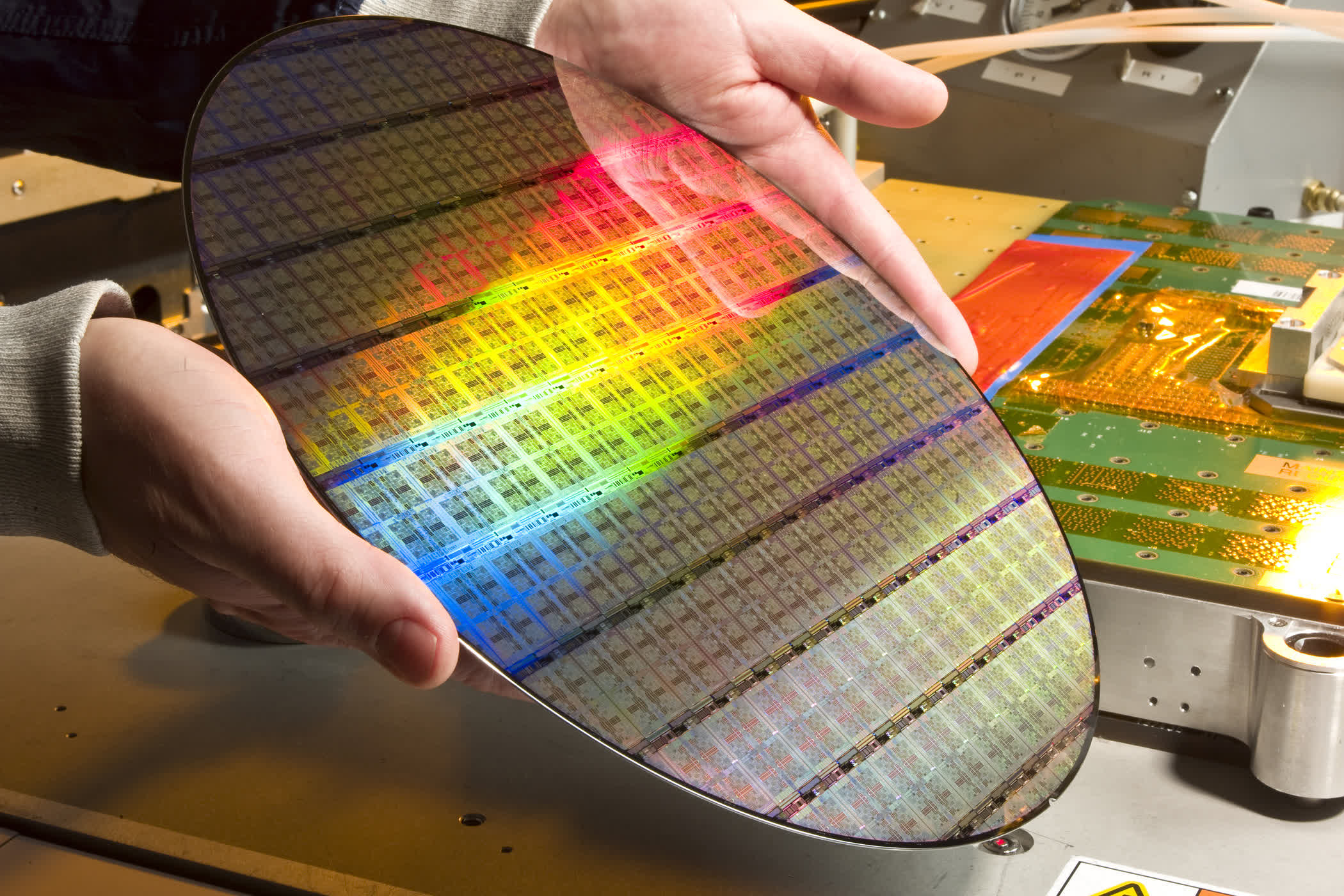
Here is Why Tata is Choosing the Older Chip TechnologyAs per the reports, Tata’s first semiconductor fabrication plant with manufacture chips using the older-generation process nodes which is commonly known as mature nodes. This is surprising for most users because Tata did not choose to enter the advanced 3nm or 2nm technologies which is currently used for flagship AI processors or premium smartphones. While the older chip is not relevant for the premium layer, it is still relevant for the following industries:Automotive electronicsConsumer appliancesIndustrial automationPower management systemsInternet of Things (IoT) devicesMedical equipmentWhy Is Tata Not Manufacturing Advanced Chips?Building advanced semiconductor fabrication facilities requires the following:Extremely expensive EUV (Extreme Ultraviolet) lithography machinesYears of manufacturing expertiseComplex supply chainsHighly specialised engineering talentInstead, Tata is reportedly adopting a phased strategy by first manufacturing mature chips, allowing it to build its expertise slowly into this industry, train a skilled semiconductor workforce, establish reliability and reduce execution risks while serving the sectors that face consistent demands. Experts are calling it a strategic move to enter the market smoothly before expanding into advanced technology sectors.Tata's Semiconductor Partnership With TaiwanTata is not entering this space independently. This move is followed by a partnership with Powerchip Semiconductor Manufacturing Corporation of Taiwan to develop and operate its semiconductor fabrication facility. PSMC brings decades of experience in this sector and is expected to provide technology and expertise to support Tata in this sector. This collaboration is expected to help India reduce the dependence on imported chips while creating a domestic manufacturing ecosystem alongwith employment opportunities.How Does This Fit Into India's Semiconductor Mission?For quite sometime, India has been aggressively promoting semiconductor manufacturing through its recent financial incentives and policy support after the global chip shortages exposed a loophole in the international supply chain. This project shows India’s biggest private investment into the chip manufacturing sector and is viewed a significant milestone in India;s ambition to become an alternate production destination alongside Taiwan, South Korea and other global manufacturing hubs.
Tata Group Enters Semiconductor Manufacturing With Mature Chip Technology: Why Does It Matter and What Does It Mean for India?
As per the latest reports, Tata Group will soon begin semiconductor manufacturing using mature chip technology through its partnership with Taiwan’s PSMC. Here is why the company is avoiding cutting-edge chips and what does it mean for India’s semiconductor industry.
327 words~1 min read