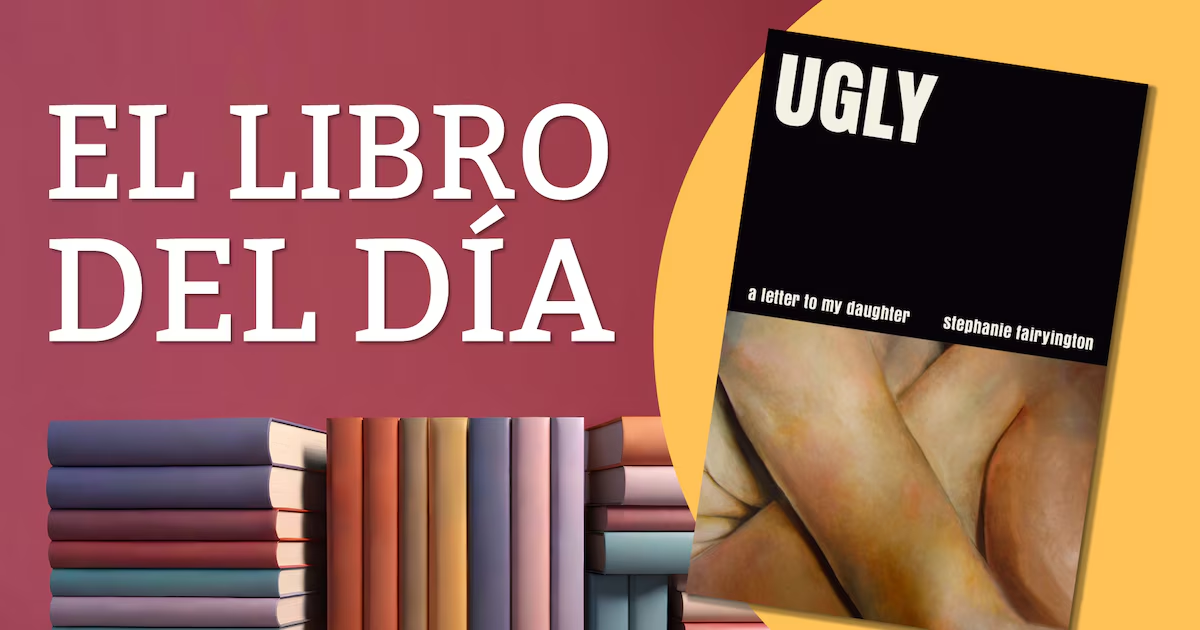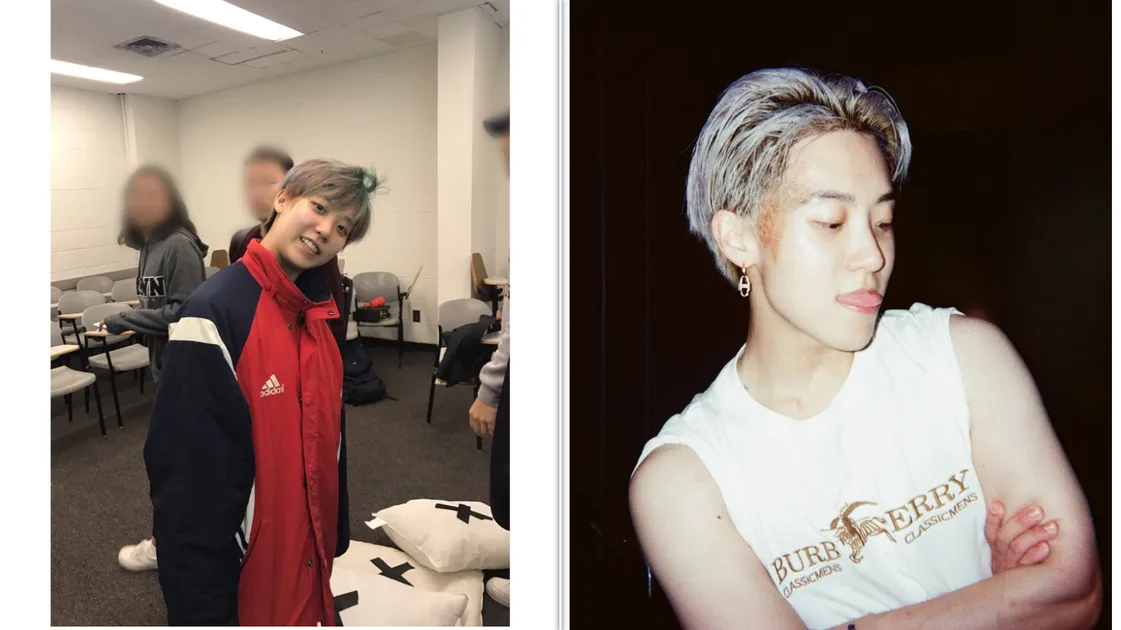
EDITOR’S NOTE: Stephanie Fairyington is a journalist in Brooklyn, New York, and author of a new memoir and aesthetic social history called “Ugly: A Letter to My Daughter.” This piece is based on her book. A pseudonym is used for a family member to protect her privacy.
I was 10 years old the first time I was basically told I was ugly.
After a swim in my family’s pool, I was racing up and down the street with the neighborhood kids in the cul-de-sac where I grew up when a woman bunched up her nose and lobbed a barbed question: “Who’s that?” she asked a fellow mom, the one all the kids loved. “Oh, that’s Chrysi’s daughter.” (Not my mom’s real name.) The woman replied incredulously, “That’s Chrysi’s daughter?”
I didn’t hear the response. I only remember retreating from the scene of pool-drenched kids shrieking this way and that on Cord Avenue in Downey, California. I pretended I needed to use the bathroom and went home.
I had already understood that the aesthetic chasm between my mother’s traditional good looks and my own was wide. But I’d never heard, until that moment, anyone outwardly express what I inwardly felt. My mom, perhaps sensing the silent critiques, always tried hard to convince me that I was “beautiful,” but it was difficult to believe when the culture was telling me otherwise.