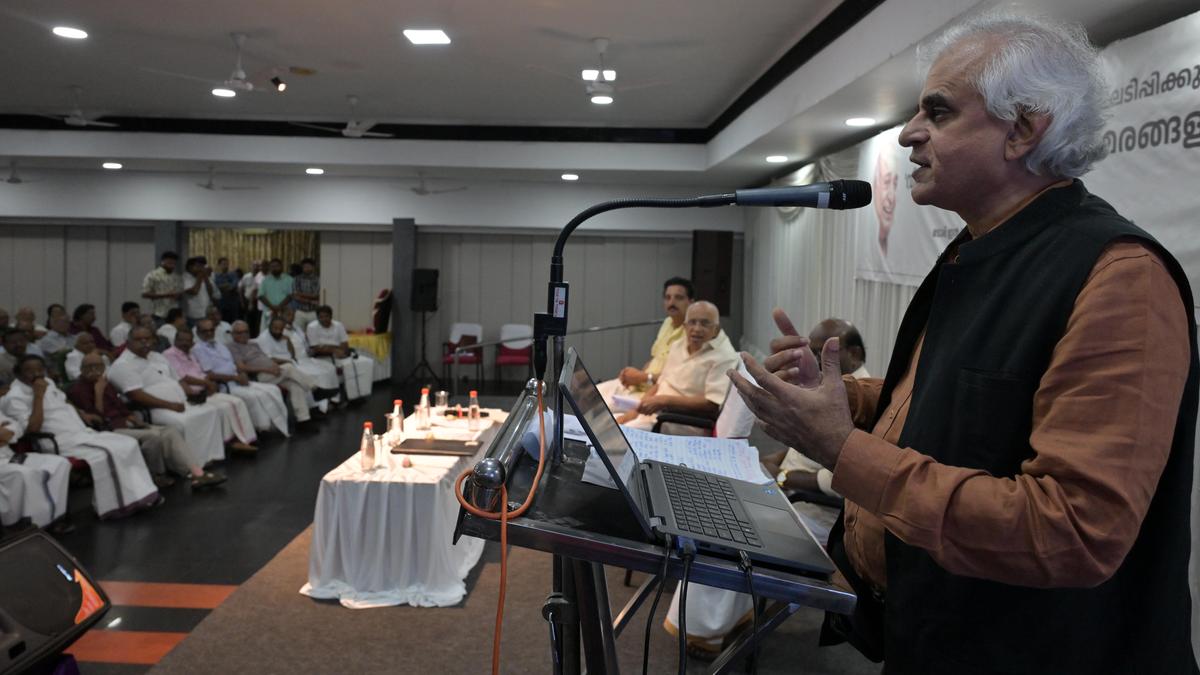
Ranjan Panda — social ecologist, journalist and researcher — is popularly known as the Waterman of Odisha.Panda highlights the invisible and noneconomic losses that communities living in coastal areas deal with due to climate change.In this interview, he highlights how rivers should be seen beyond their two boundaries of flow; how there is a stark difference in the ways rural and urban India see rivers.
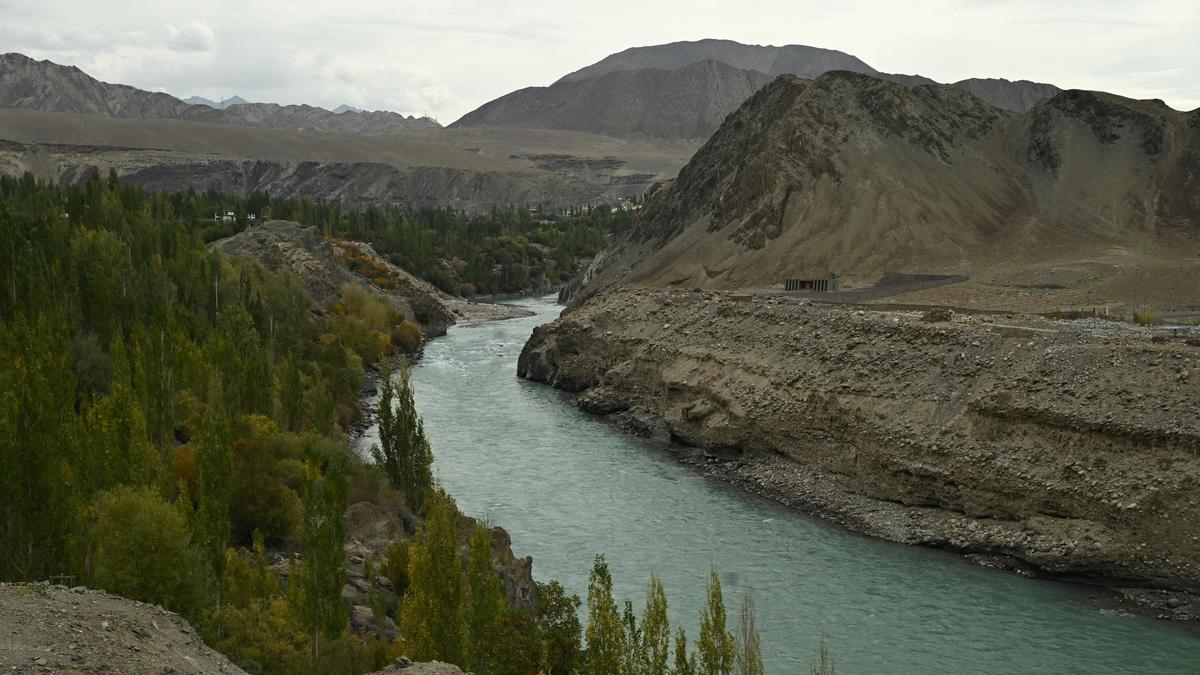
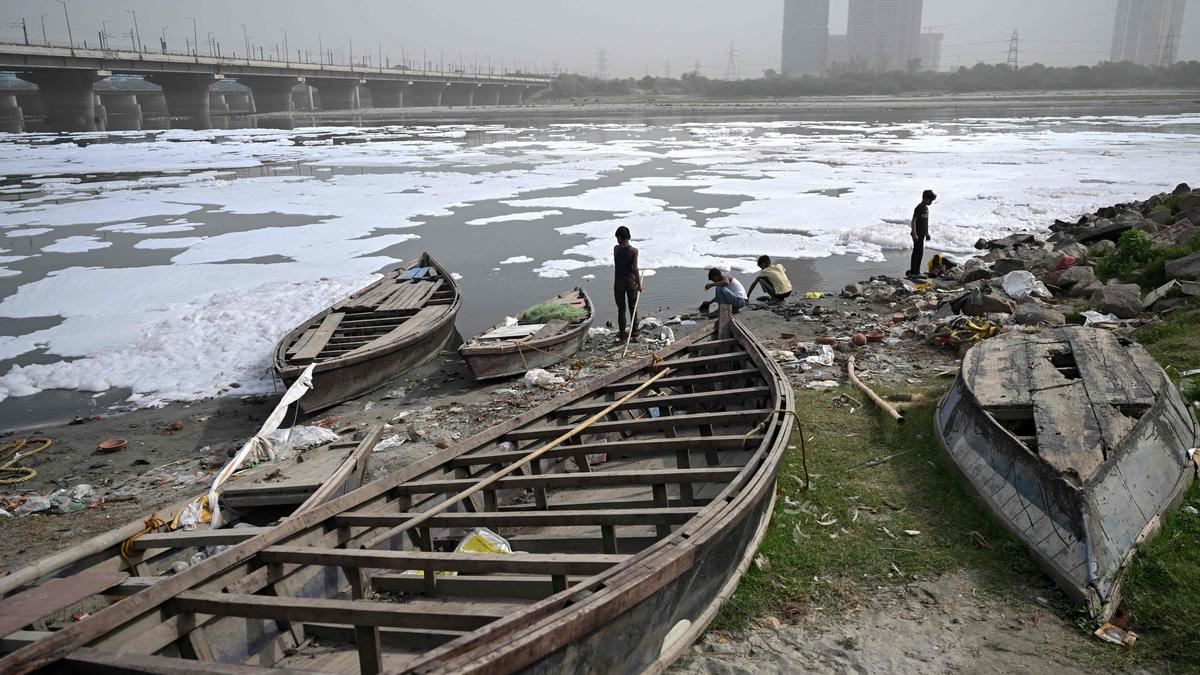
Rivers are not just seen as water bodies in India, they are considered religious. From taking holy dips (a sacred act of faith in Hinduism, also called snan) for spiritual purification to scattering ashes after one’s death, it all starts and ends with rivers. While some see them as religious spaces, others consider them recreational spaces. For some, there is no life without rivers. But others have forgotten to see how deeply connected rivers are to everyday lives.
With rivers like the Ganga (considered the holiest river in the country) drying up and urban Indian cities like Bengaluru facing water crises, Ranjan Panda, popularly known as the Waterman of Odisha, has spent more than three decades working on water conservation and climate advocacy closely with communities in Odisha, eastern India. “I want to be a living Earth citizen and not a dead Earth citizen,” Panda says.