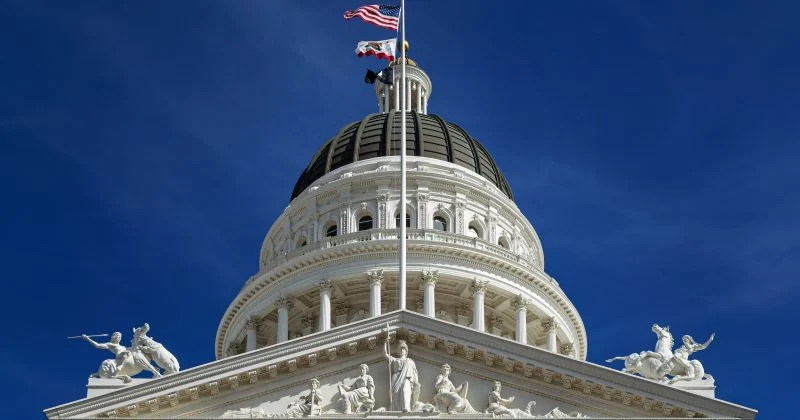
https://en.wikipedia.org/wiki/California_State_Capitol
California is contemplating a significant policy change with the proposed 2026 Billionaire Tax Act, a one-time 5% wealth tax on billionaires residing in the state. The measure, set to appear on the November ballot, could generate an estimated $100 billion in revenue, according to its proponents. However, opponents, including Governor Gavin Newsom and several economic institutions, warn of potential negative impacts, such as triggering the departure of wealthy residents and job losses. The market pricing on the likelihood of this measure passing has recently shown slight increases, suggesting a modest rise in perceived chances of passage.
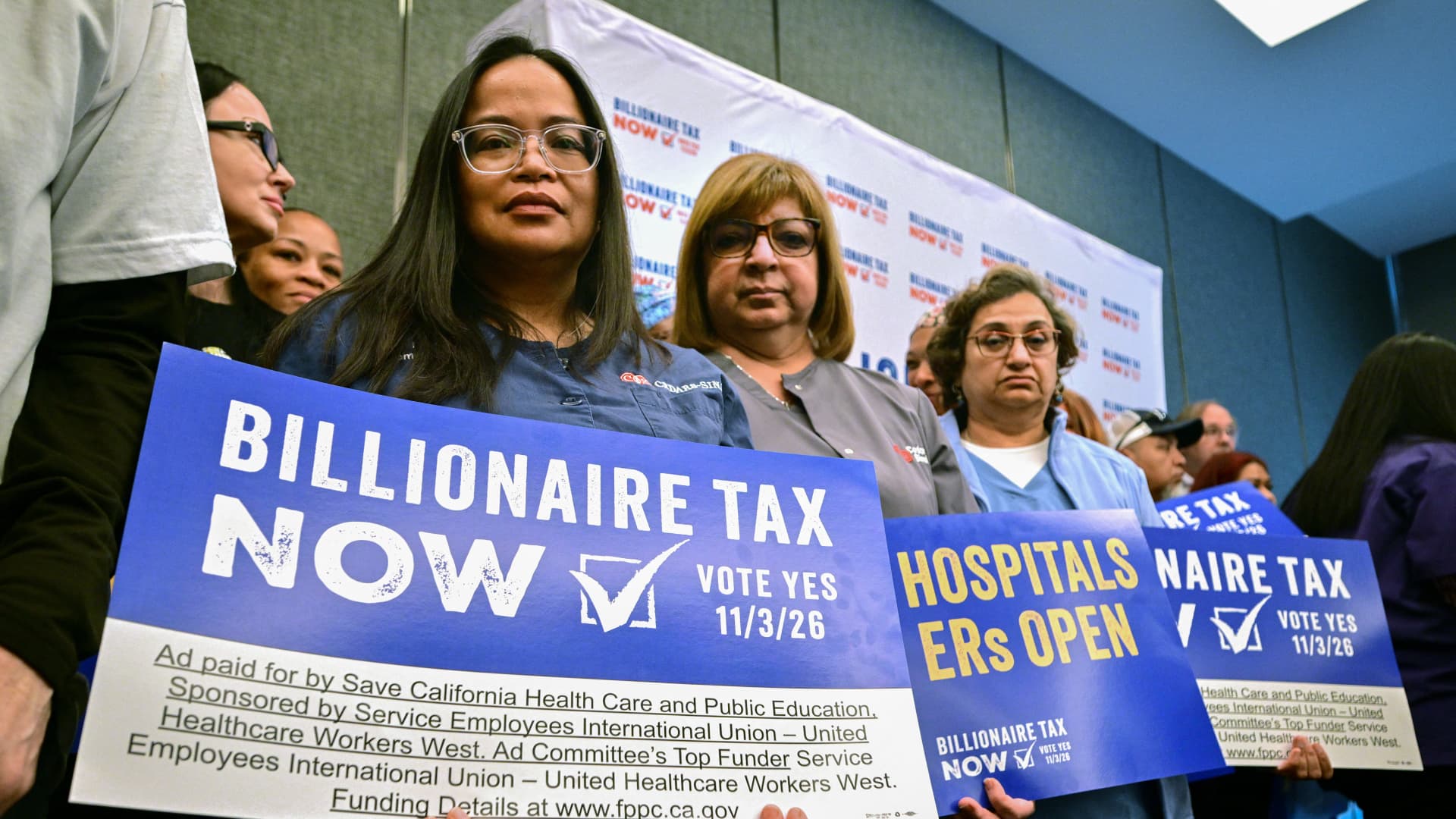
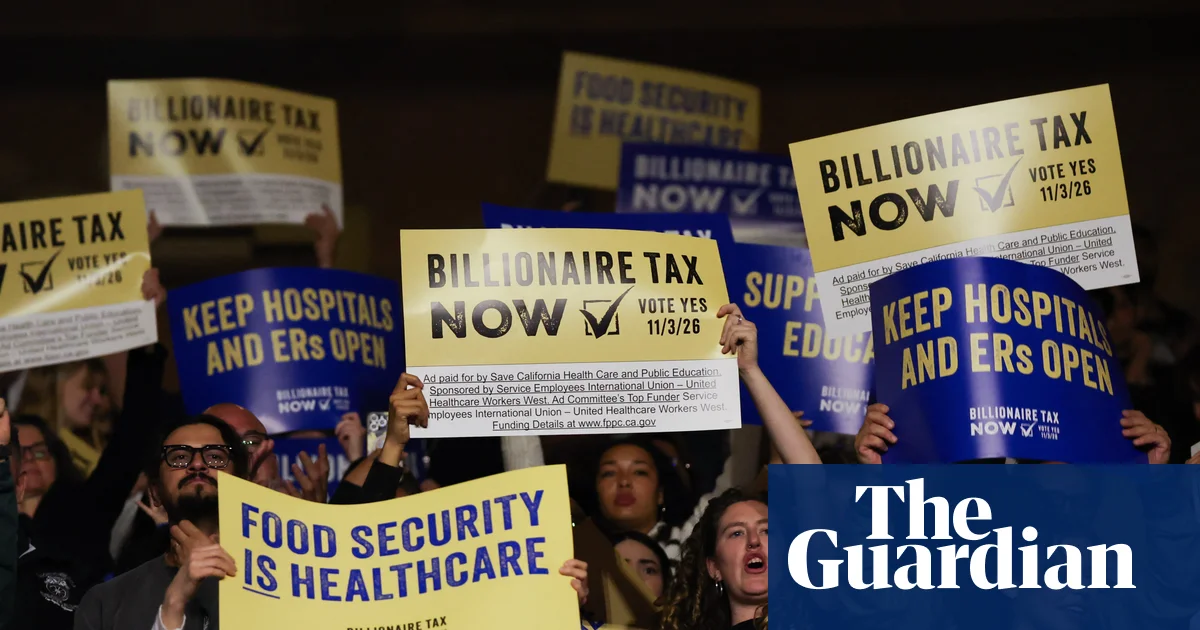
The billionaire tax proposal, backed by the Service Employees International Union–United Healthcare Workers West, targets around 200 to 255 billionaires and applies retroactively to January 1, 2026. The tax aims to offset federal cuts to key public services, including Medi-Cal and education. Despite its potential revenue, the measure faces significant opposition from influential quarters, including tech moguls and economic analysts who predict long-term revenue declines.
Market pricing indicates a 31% probability of the tax passing, up from 28% a week ago. This uptick suggests that market participants are weighing recent developments, such as the validation of signatures for the ballot and ongoing public debate. The proposal’s outcome remains uncertain, with various political and economic factors at play.