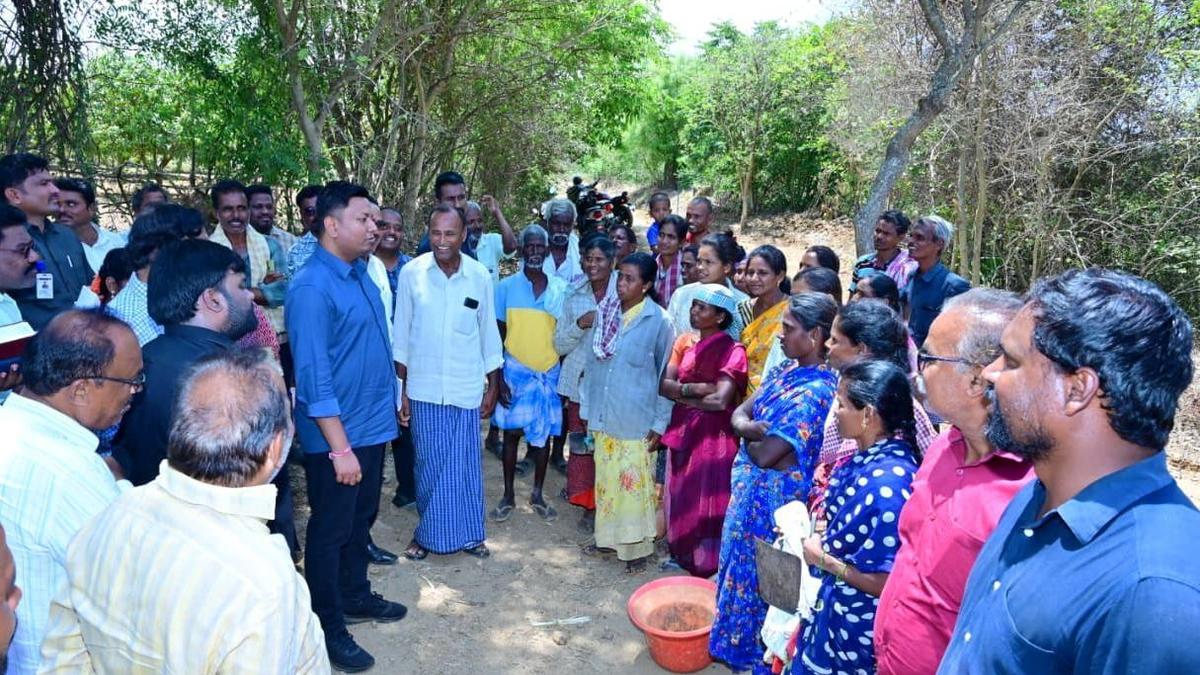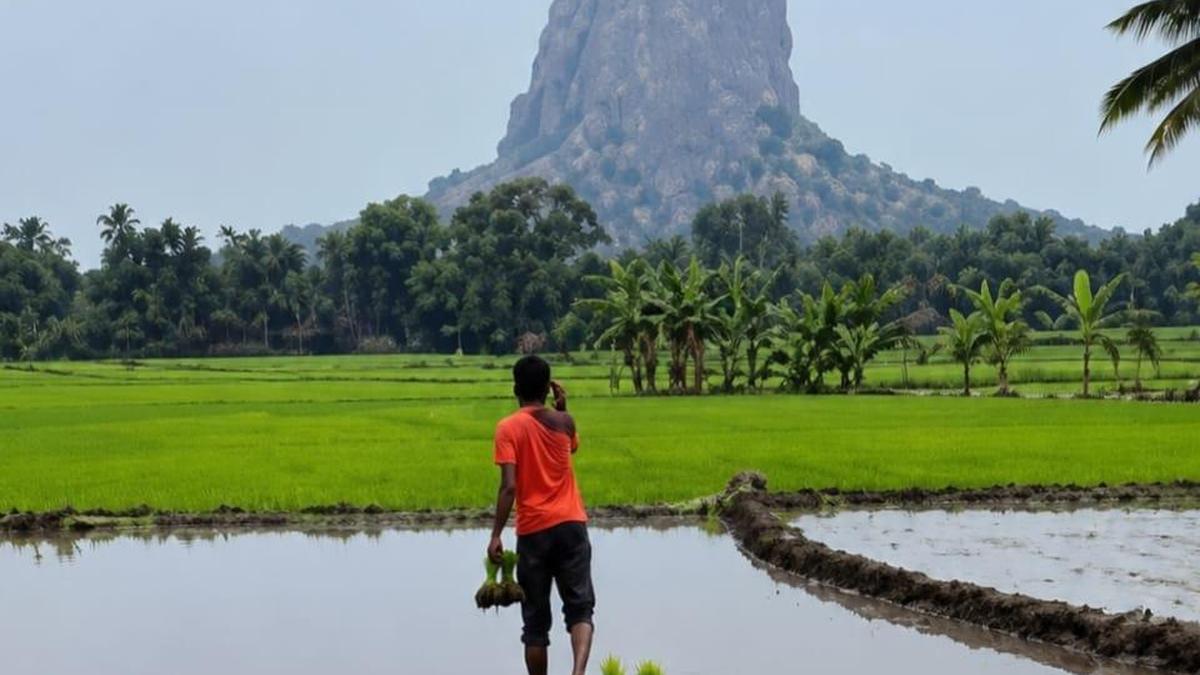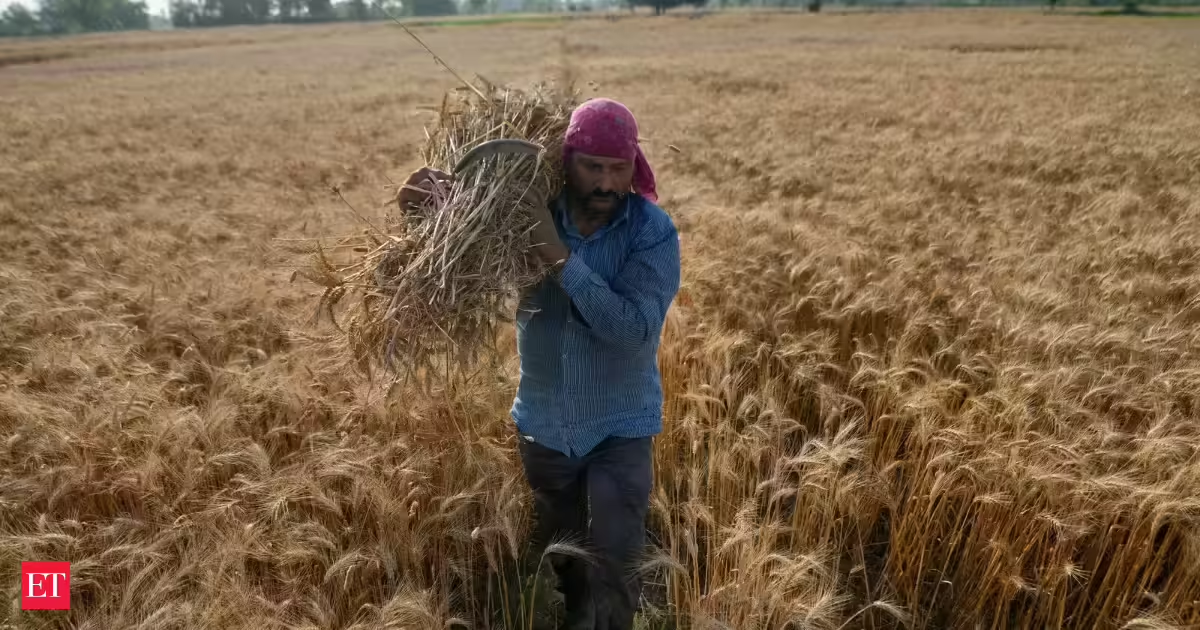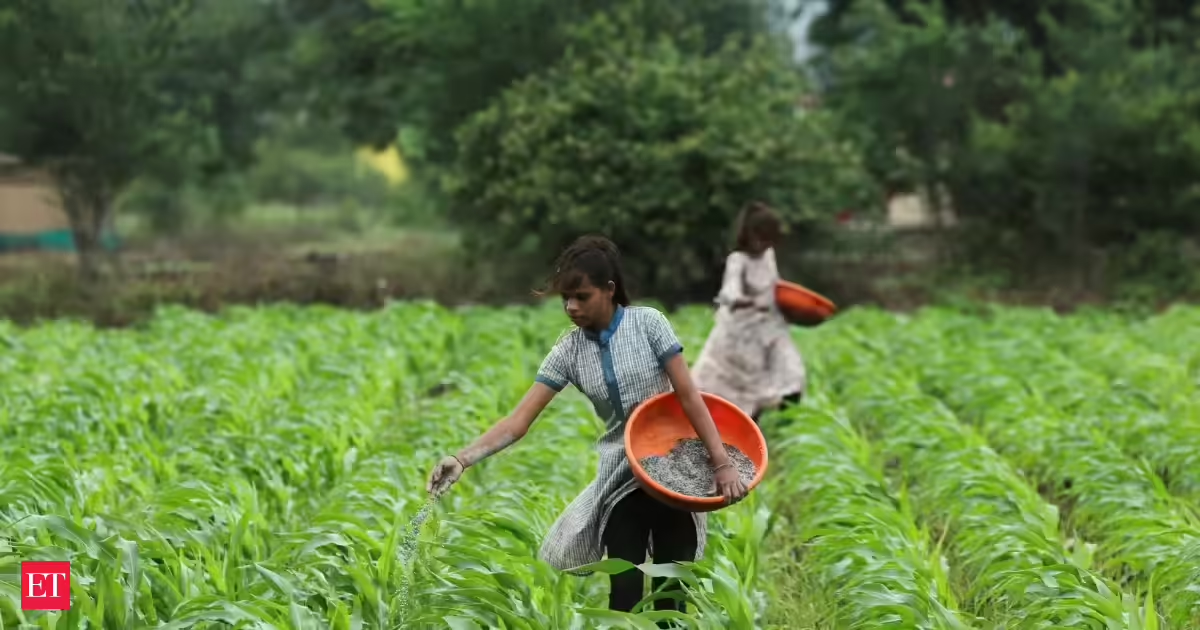
The threat of El Niño is once again casting a shadow over the rain-dependent Chittoor and Annamayya districts, prompting officials and farmers to prepare for a potentially challenging agricultural season.Weather reports from the Central and State agencies have indicated a high probability that El Niño conditions will persist through the remainder of 2026, raising fears of below-normal rainfall, prolonged dry spells, and rising temperatures.The Agriculture Department officials stated that El Niño years are often associated with delayed monsoon onset, uneven rainfall distribution, and extended dry periods. “At present, the dry spell in Chittoor district has already affected sowing operations and crop growth. We have high temperatures, and increased evapotranspiration is being felt in farmlands, leading to moisture stress,” a field officer said.Across the Rayalaseema region, which comprises Chittoor, Annamayya, Sri Sathya Sai, Anantapur, Kurnool, and Nandyal districts, the scenario is more or less same, the official said.The region has historically experienced recurring droughts due to its semi-arid climate and dependence on monsoon rainfall. Since 2014, the region has experienced several phases of deficit rainfall, leading to crop losses, depletion of groundwater reserves, and drinking water shortages.Sowing for the predominant crop of groundnut in the Chittoor, Annamayya, and Sri Sathya Sai districts should generally be completed in the majority of mandals by July 15. However, due to concerns about El Niño conditions, a significant number of farmers opted not to cultivate during the Kharif season and instead worked on a limited area. “Every year, we prepare for paddy cultivation during the Kharif on six acres of land. This year, we don’t want to exceed an acre, and that too just for our personal consumption,” said K. Mani, a farmer in Jangala Agraharam of Palamaner mandal.Chittoor district, situated at the tail end of the Eastern Ghats, is inherently vulnerable to fluctuations in rainfall. It receives an average annual rainfall of around 850-900 mm, significantly relying on both the southwest and northeast monsoons. Erratic rainfall generally leads to a cascading impact on agriculture, groundwater recharge, and drinking water availability in the region. Groundnut, paddy, sugarcane, tomatoes, and other horticultural crops occupy a major share of the cultivated area during the Kharif season. Published - July 17, 2026 08:37 pm IST
El Niño threatens kharif sowing in Chittoor and Annamayya districts
El Niño threatens Kharif sowing in Chittoor and Annamayya, causing concerns over rainfall and agricultural challenges ahead.
367 words~2 min read