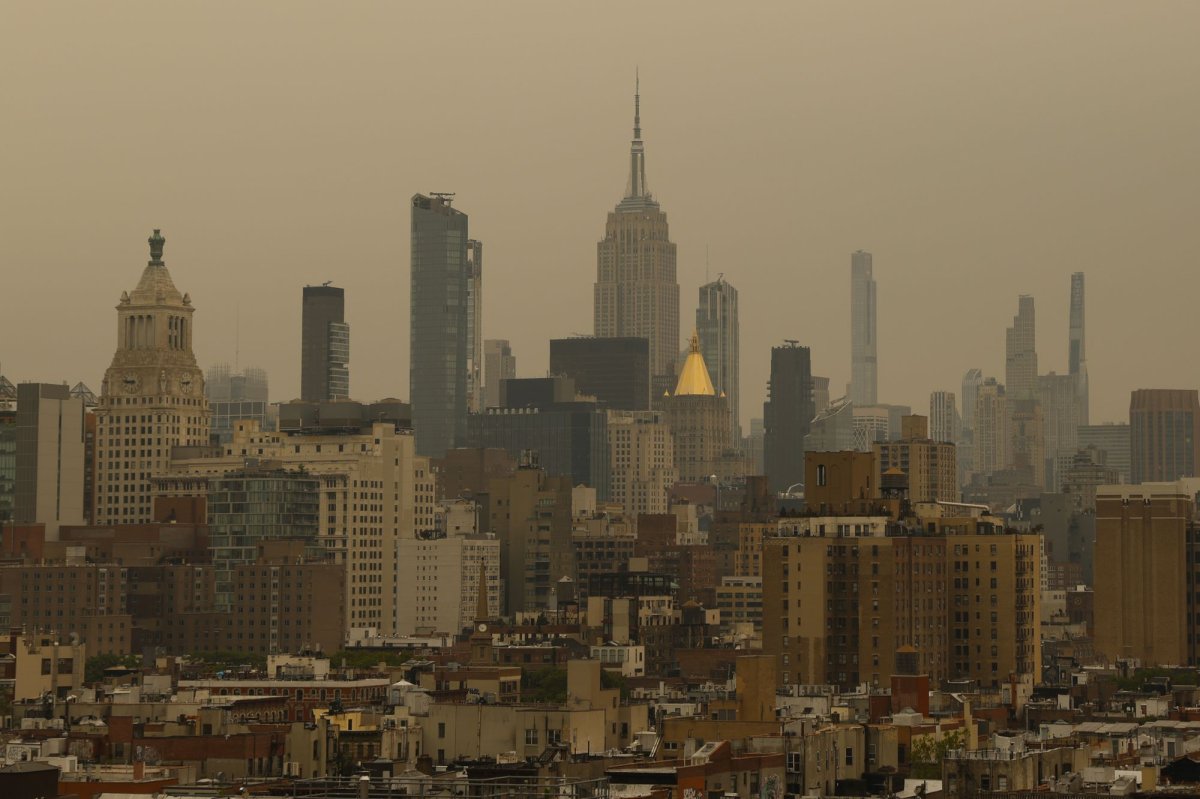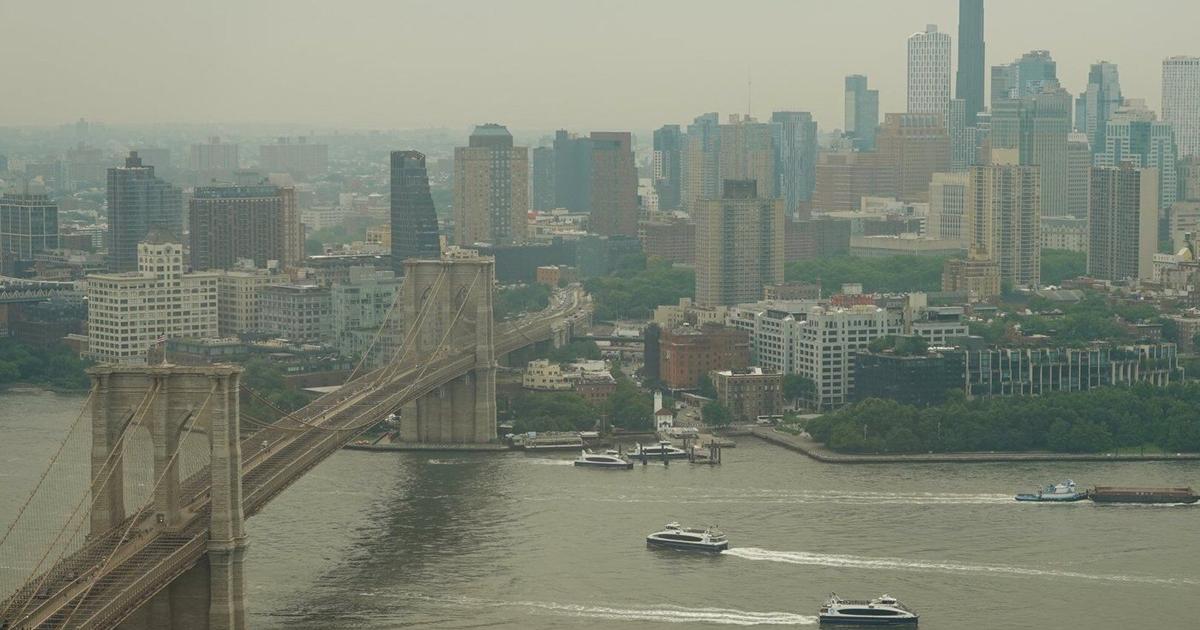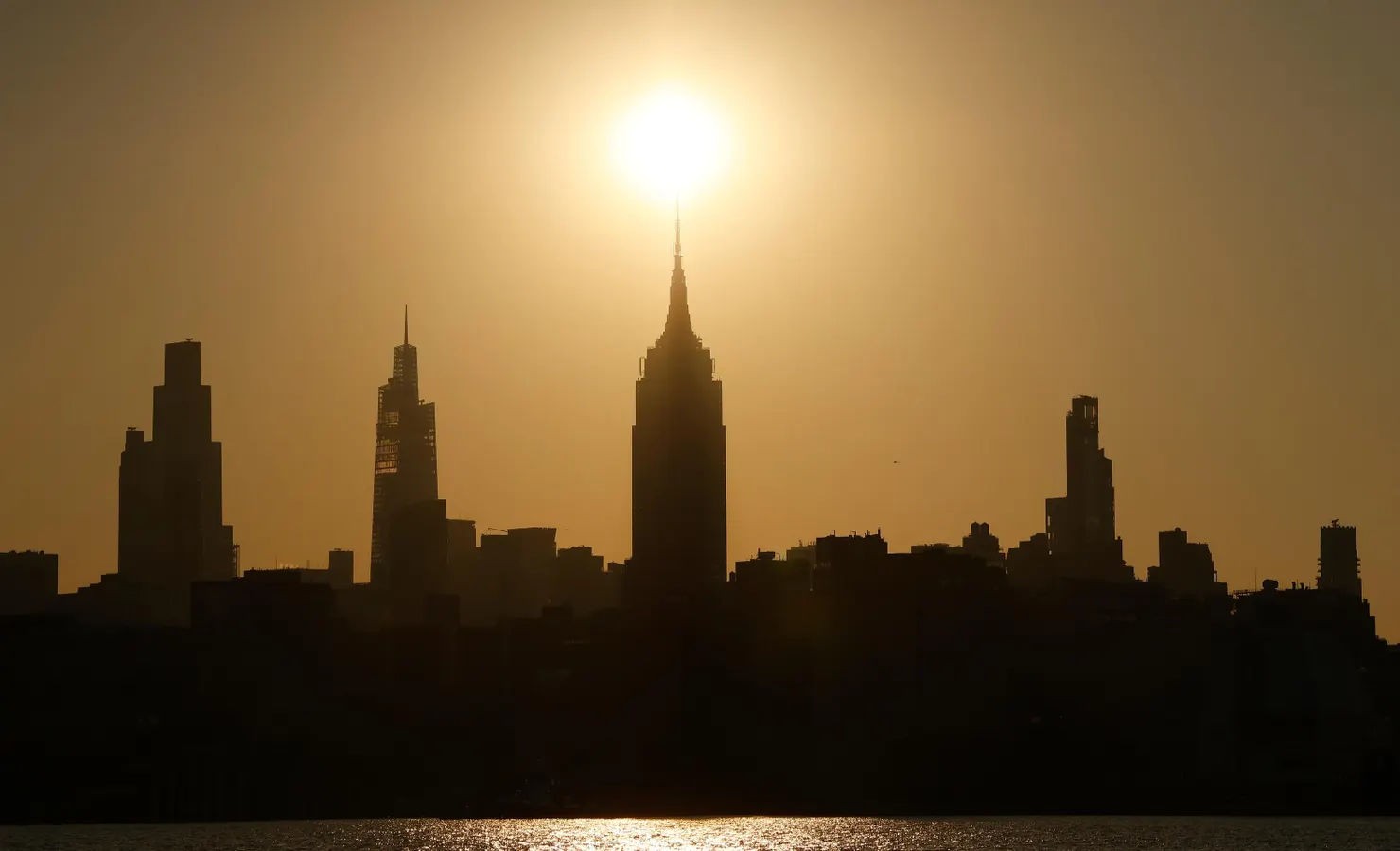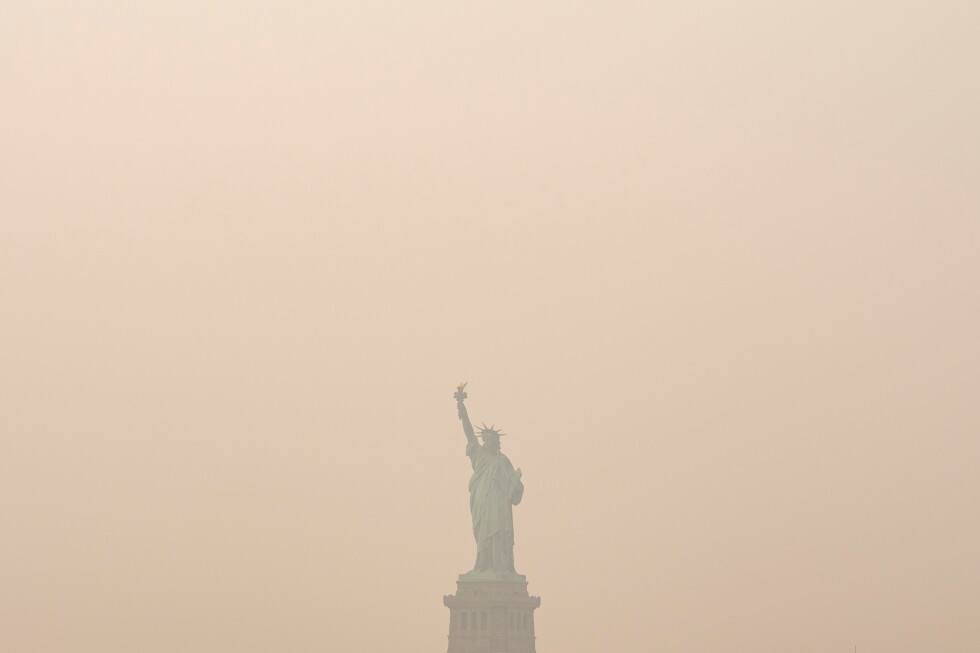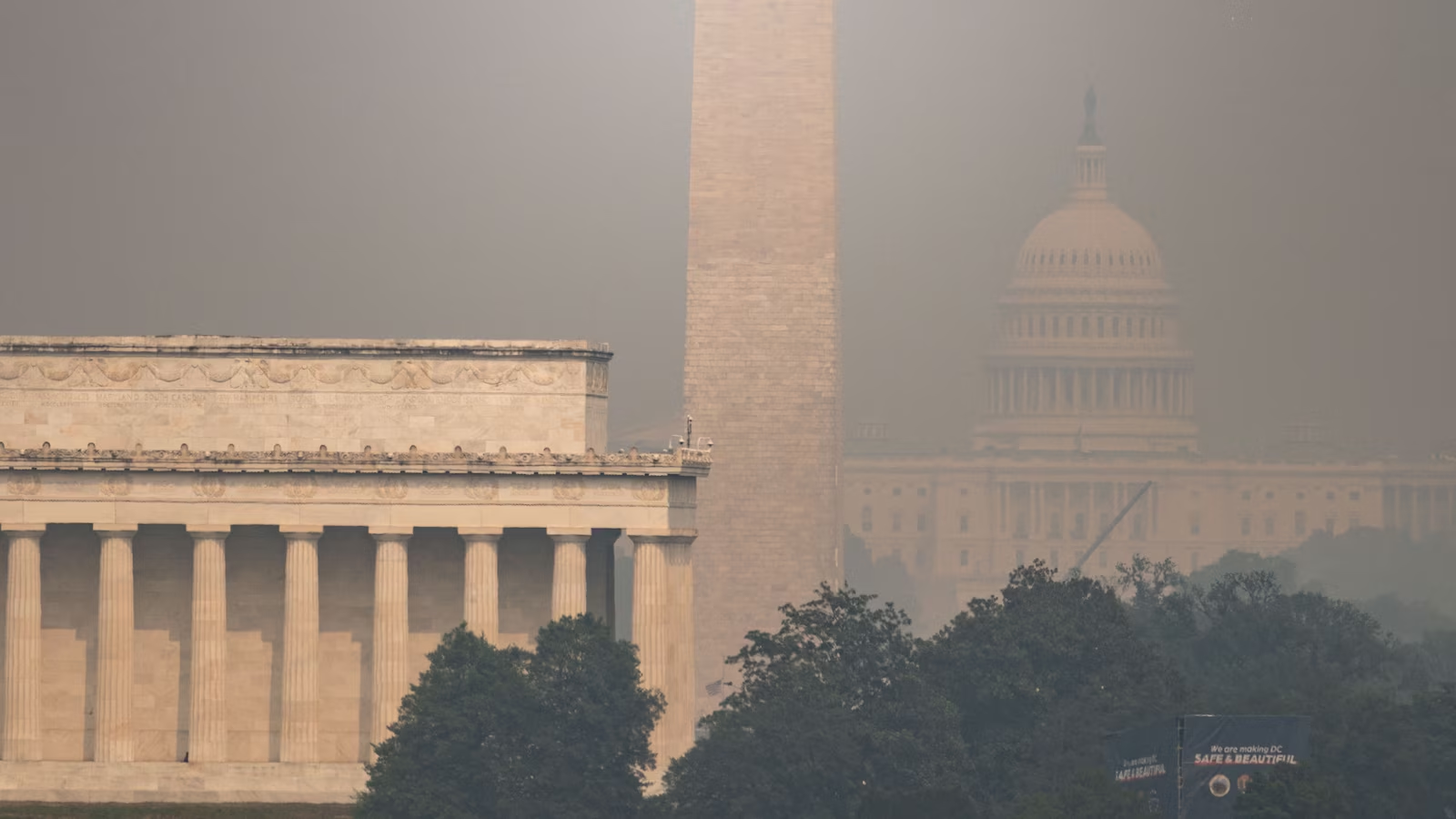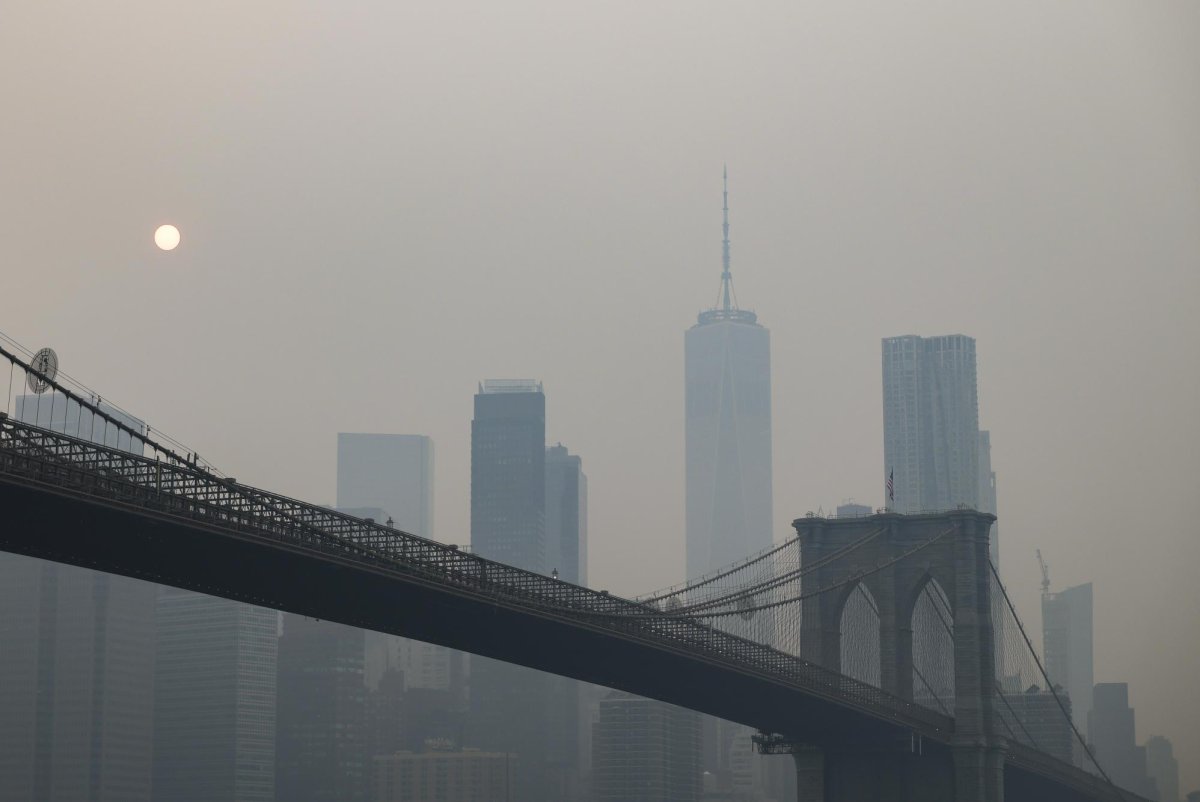
Wildfire smoke is seen amongst the Manhattan skyline and Brooklyn Bridge from the Brooklyn Promenade in the Brooklyn borough of New York on Thursday. The National Weather Service issued an Air Quality Alert until the end of the day due to smoke from wildfires in Canada affecting air quality in several U.S. states. Photo by Christopher Neundorf/EPA
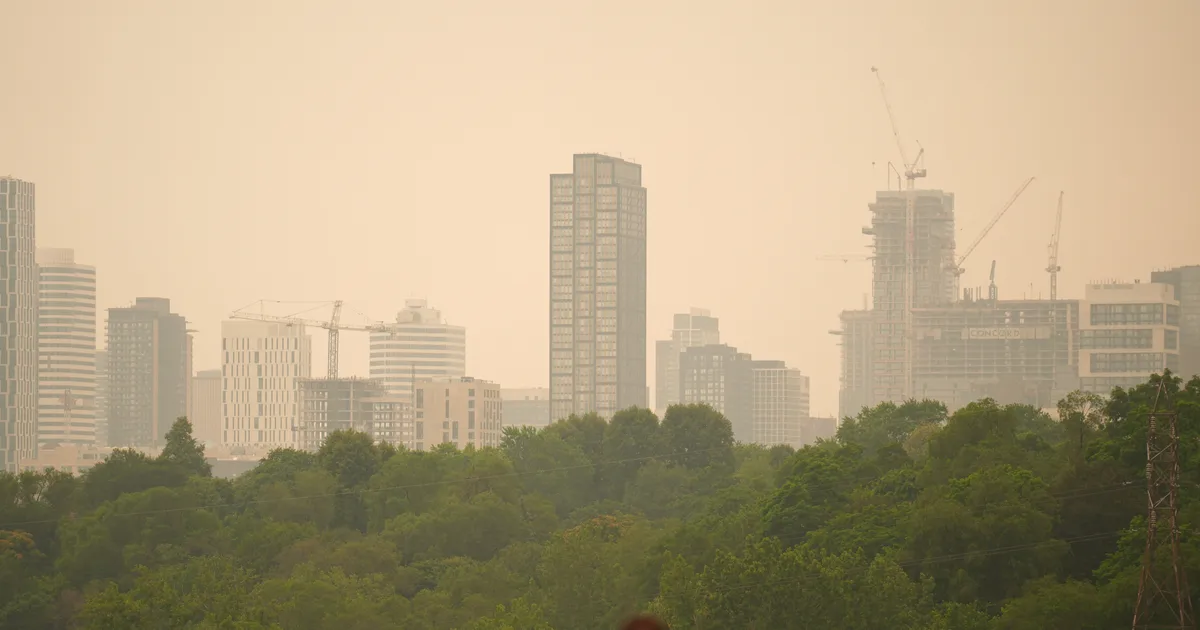
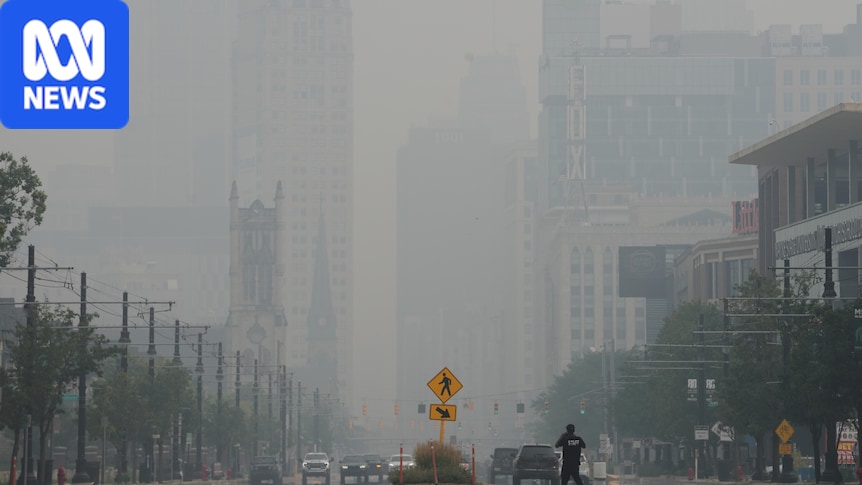
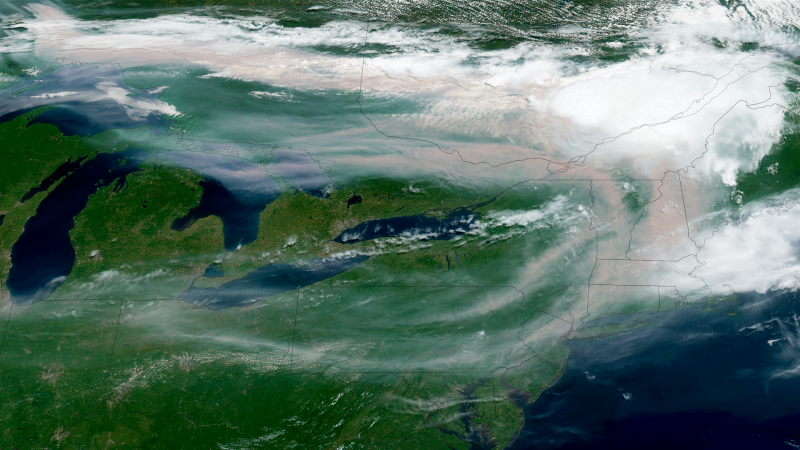
July 17 (UPI) -- Wildfire smoke from fires burning in Canada and northern Minnesota has been pouring across the Great Lakes and northeastern U.S. states, turning skies an eerie shade of orange. In the West, smoke has also been spreading into communities in Colorado and neighboring states as more wildfires burn in hot, dry conditions in July 2026.
University of Colorado environmental health researcher Colleen Reid explains what's in that smoke and why breathing it is a health concern everyone should be aware of.
What is in wildfire smoke?
Wildfire smoke is a complex mixture that includes nitrogen oxides, volatile organic compounds, polycyclic aromatic hydrocarbons, carbon monoxide, carbon dioxide and particulate matter. When homes or buildings also burn, they can release an even more toxic stew of chemicals from burning electronics, furniture, plastics, paints and much more.