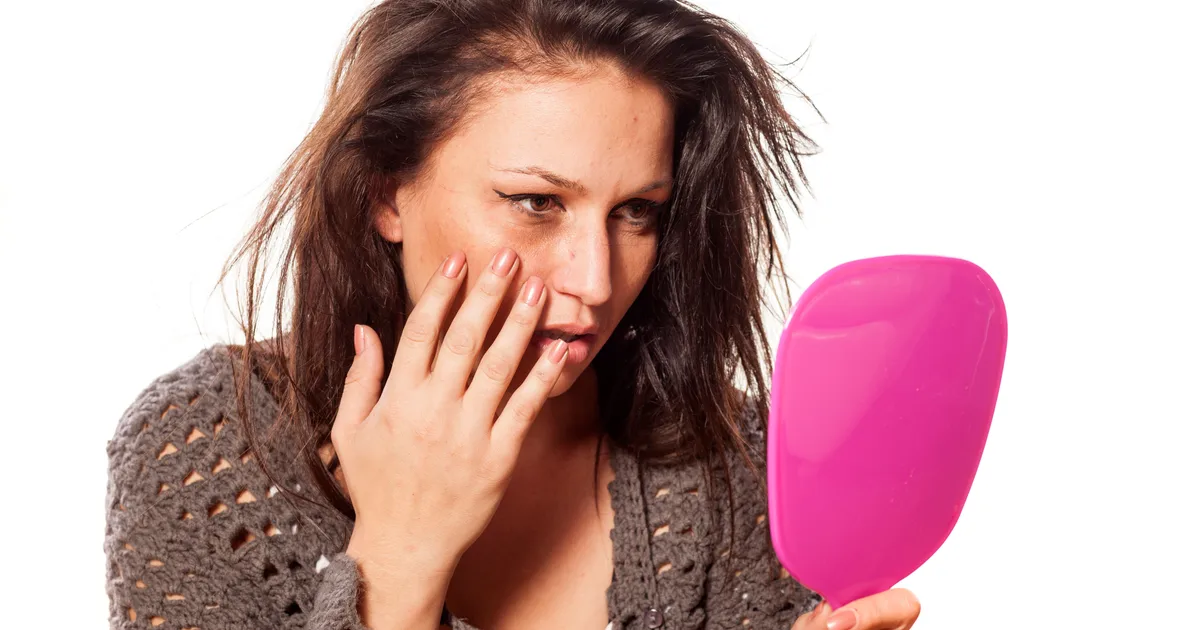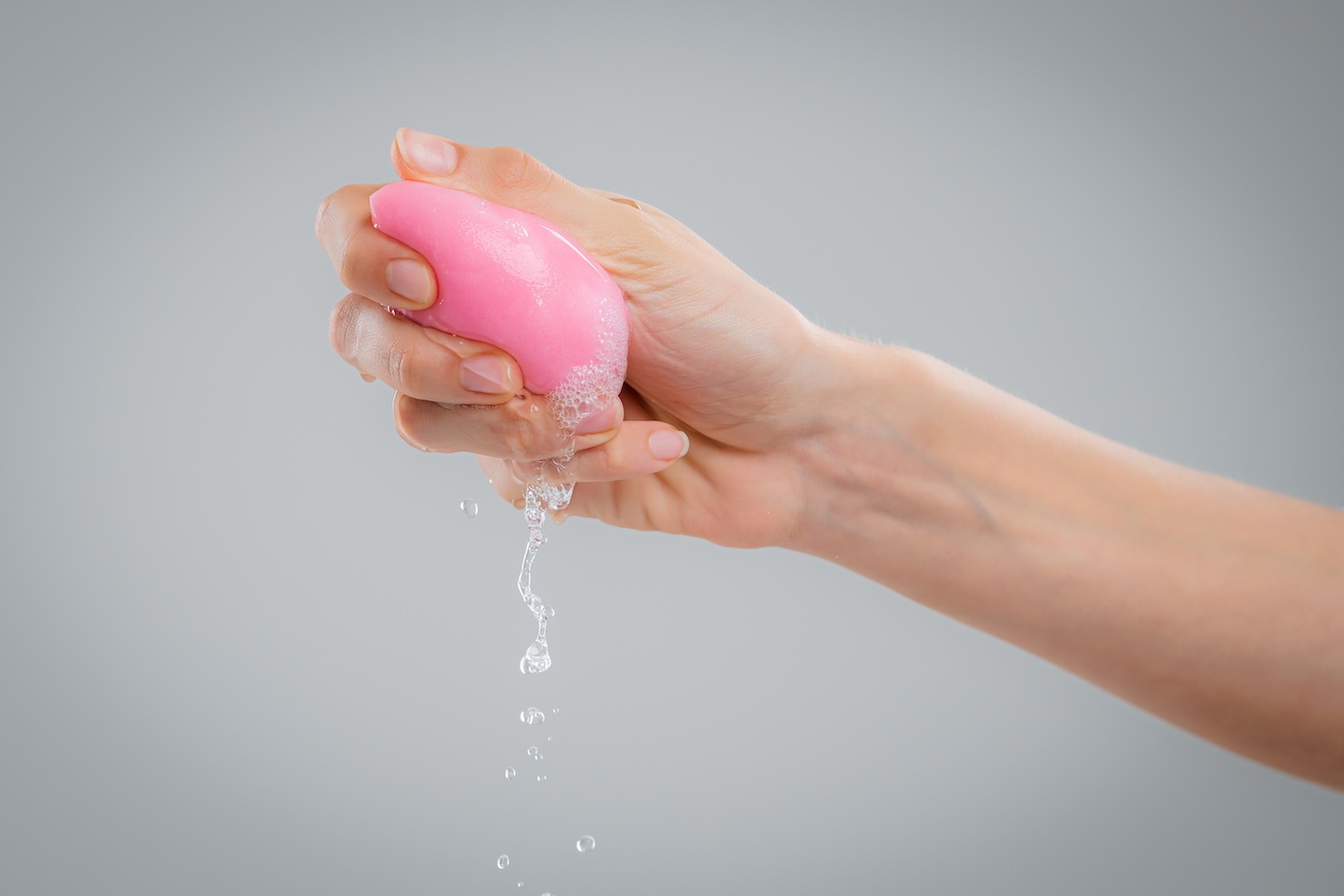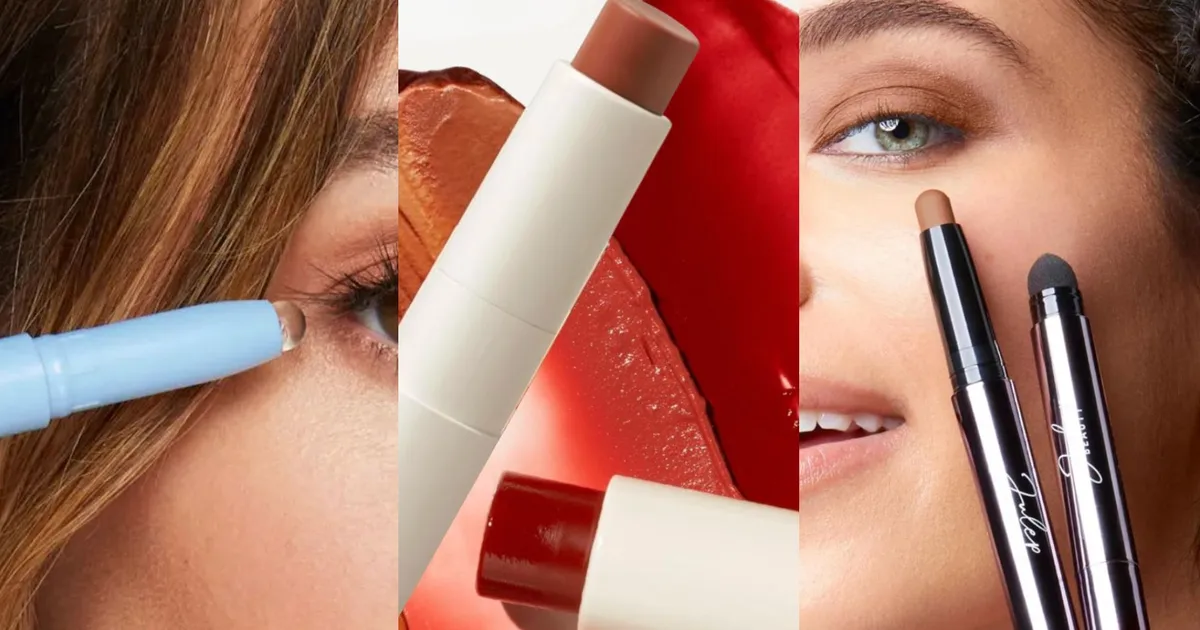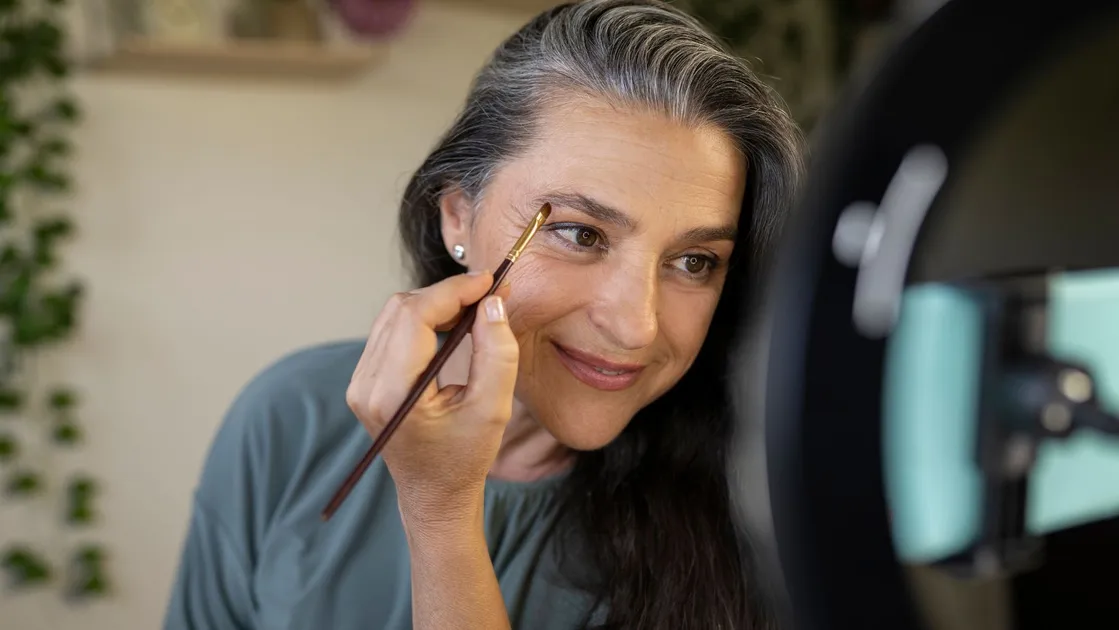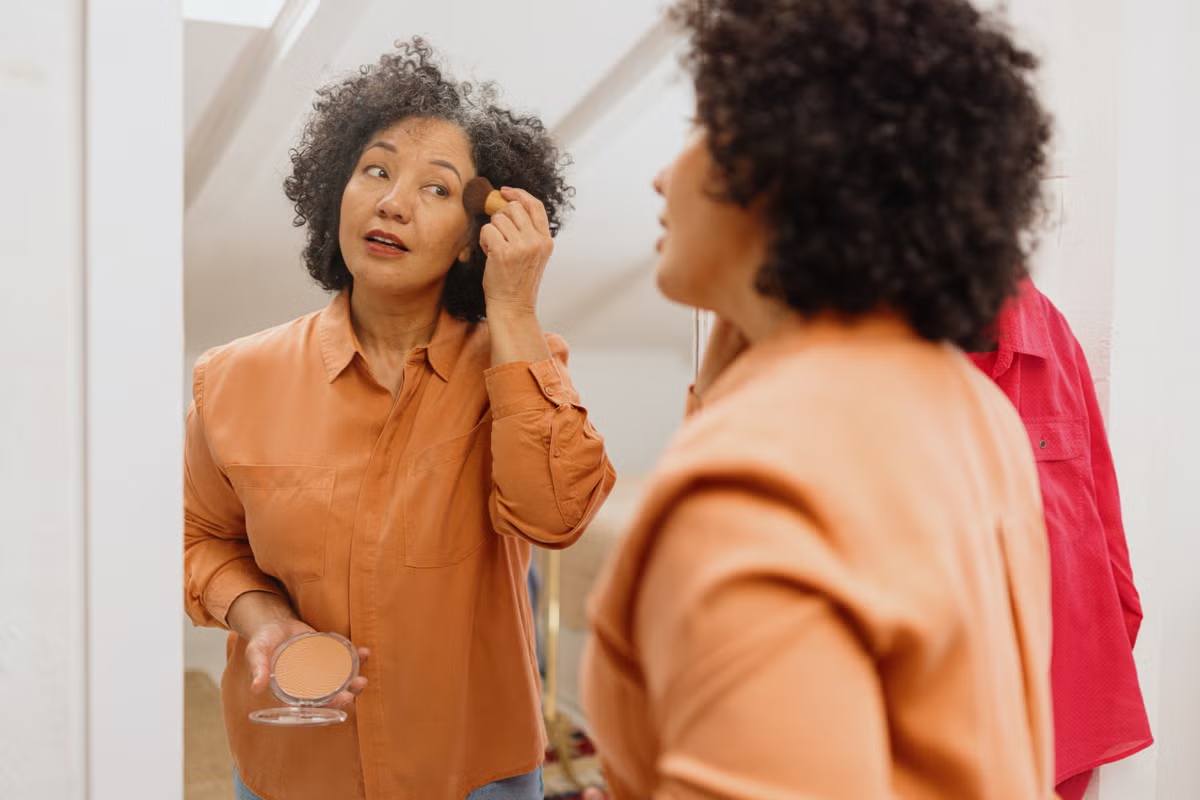
Whether it's foundation clinging to dry patches, concealer creasing before you've left the house or your make-up mysteriously peeling away in little balls, a flawless base can often feel more down to luck than technique. But, according to celebrity make-up artist Wendy Rowe, the products themselves are rarely the problem. Rather, it's the combination of your skincare and make-up, together with your application methods that determine whether your glam lasts all day or begins to break down before you’ve had your morning coffee.Having spent decades working behind the scenes with the likes of Nicole Kidman, Sienna Miller and Victoria Beckham, Rowe knows exactly what it takes to create a smooth, long-lasting complexion under bright lights and in front of high-definition cameras. From the skincare ingredients that don't play nicely together to the biggest mistakes people make with brushes, sponges and SPF, she shares the professional tricks that make the biggest difference. Here's how to stop your make-up pilling, patching and slipping once and for all.Wendy Rowe’s 10 rules for flawless make-upYour guide to effortless application Give skincare time to sink in – Wait around 5-10 minutes after applying skincare before reaching for make-up, then allow a couple of minutes between each make-up layer.Dampen your sponge – A damp beauty sponge helps products blend more smoothly and prevents you from lifting up the layers underneath.Start with less product – Build coverage gradually rather than applying a thick base all at once. You can always add more where needed.Use powder strategically – Focus powder on areas that tend to get oily (such as the T-zone) rather than applying it all over.Match your formulas – Check your ingredients and pair like with like. Water-based products work best together, as do silicone-based formulas.Keep your tools clean – Wash brushes and sponges regularly to avoid applying old product and bacteria back onto your skin.Be careful with SPF and oils – Give sunscreen time to settle before applying make-up, and save heavier facial oils for your evening routine.Apply in natural light – A window-side mirror will help you spot where you need more (or less) product.Use a light hand with primer – A thin layer is often enough. Too much can cause products to move around.Don’t rush the finish – Setting spray, gentle pressing motions and patience will help your make-up look more like skin.Read more: Best setting sprays for a heatwave, tested“The secret to professional-looking make-up isn’t buying the most expensive products or learning complicated techniques – it’s being patient, prepping your skin properly and understanding which products work together,” Rowe tells me. She advises that beauty buffs should “give each step time to work, match your formulas and use the right tools,” and reassures me that if you “get these basics right, your make-up will look like a professional did it.” For Rowe, there are three categories to address in order to achieve her signature, professional finish. Before you blame your foundation, Rowe says to look at what's underneath it. "Think about painting a wall – if the surface is rough, bumpy, or flaking, the paint will look terrible no matter how expensive it is. Your skin works exactly the same way." In other words, the best base starts long before you reach for your make-up bag.According to Rowe, we should avoid these common mistakes:Let your moisturiser fully absorb before applying make-up. "If your moisturiser hasn't properly soaked into your skin, your make-up will start to peel because it has nothing to grab onto."Go easy on SPF. "If you over-apply SPF, it will peel, roll off, and separate."Skip facial oils before water-based foundation. "It's like oil and water, they just don't mix."Exfoliate regularly, as "a layer of dead skin cells sitting on the surface [...] creates a bumpy, uneven base that makes everything look patchy."Read more: Best primers, testedNot every skincare and make-up combination is compatible. Rowe says many cases of pilling or patchiness come down to mismatched formulas rather than poor-quality products.Her biggest watch-outs include:Don't mix oil-based and water-based formulas, as "they repel each other and you get those annoying little balls of product rolling across your face."Match your foundation finish to your skin type. "Putting a matte foundation on dry skin makes it look flaky and cakey, while a dewy foundation on oily skin will slide straight off."Retire old make-up as "it separates, goes hard, or changes texture."Resist layering too many products. "They can't all sit properly and everything starts moving around."Technique is often the difference between make-up that looks professionally applied and make-up that starts separating by lunchtime. As Rowe puts it, "You can have the best products in the world and still mess it up with bad technique."Her top application tips are:Press foundation onto the skin rather than rubbing it around, as rubbing pushes product against the skin's natural texture and facial hairs.Use a damp sponge, not a dry one, which "drags across your skin and leaves streaks everywhere."Wait for cream products to dry before reaching for powder, otherwise "putting powder on before your foundation or concealer has dried creates a muddy mess."Clean your tools regularly. "Using dirty brushes and sponges means you're applying old, crusty product mixed with bacteria."Rowe says the biggest difference between professionals and everyone else comes before foundation even touches the face: "As professionals, we cleanse the skin, remove any dry surfaces, hydrate with a mask [...] and use moisturisers that are moisturising but never too oily or too thick [...] professionals take the time to properly prep the skin." That's what, she says, "separates a flawless application from a mediocre one."Read more: Best sheet masks, testedPilling is one of the easiest make-up mistakes to make, but it's also one of the easiest to prevent. Rowe says a handful of skincare and make-up ingredients simply don't behave well when layered together, while others need a little more time to absorb before you reach for your foundation. “You need products that actually grab onto each other,” Rowe explains. Mixing silicone-heavy products (look out for ingredients such as dimethicone or cyclopentasiloxane) with formulas that don’t contain silicones can cause products to ball up on the skin. Certain sunscreen formulas can also be problematic, particularly those containing high levels of zinc oxide.The rule Rowe follows is to “match your formulas” when layering skincare and make-up. These are the combinations she recommends steering clear of:Never mix:Silicone-based primers with water-based foundations (check the ingredients list: if water is listed first, it’s water-based; if a silicone is listed first, it’s silicone-based). Again, oil-based products directly over water-based products.Glycolic acid or salicylic acid immediately before make-up.Retinol under daytime make-up.High concentrations of niacinamide and vitamin C immediately before applying make-up.It’s tempting to assume a smoother base comes down to the price tag, but Rowe says that’s not where your money is best spent. A luxury foundation isn’t automatically easier to apply – in fact, some can be more temperamental than their high-street counterparts. The biggest difference comes from having the right skincare, tools and technique behind it. Here’s her shopping cheat sheet:Worth investing in:A good-quality damp sponge can make the biggest difference to how foundation sits on the skin. Rowe also recommends spending money on skincare that suits your complexion, as “make-up can’t fix bad skin”, and a reliable setting spray to help each layer melt together.Where you can save:Primers, powders and brushes don’t always need a premium price tag. Many affordable options perform just as well, and some expensive formulas can actually make application trickier.Read more: Best skin tint, testedEven with careful prep and the right products, make-up can still go awry. The good news is that most problems don’t require removing everything and starting from scratch. Rowe’s advice is to resist adding more layers and instead work with what’s already on the skin.If your make-up starts pillingThe temptation is to keep blending, but Rowe says this can make the issue worse. Her advice is simple: “Stop immediately – don’t try to work through it or you’ll make it worse.” Instead, “gently press a damp sponge over the area to pick up the pilled bits”, wait “2-3 minutes for everything to calm down”, then “apply the next layer by pressing and dabbing rather than rubbing.”If your foundation looks patchyWhen products aren’t adhering properly, Rowe recommends creating a slightly stickier surface rather than adding more coverage. “Lightly spray your face with water or setting spray to create a slightly sticky surface,” she says. Then, “use a damp sponge to press product into the patches rather than swiping.” If your primer is causing the issue, her advice – unfortunately – is to “gently remove it with micellar water and start again.”If your make-up looks cakeyAdding more foundation won’t necessarily solve a heavy finish. Rowe’s advice is to work with the layers already there: “Spray setting spray onto a sponge and gently press it over the cakey areas – this melts the layers together.” She also recommends a lighter-handed approach from the start: “One thing I always do to avoid a cakey appearance is apply a thin layer of a tinted moisturiser or water-based foundation all over, then just use concealer to cover the parts that need heavier coverage. Or I’ll use a different foundation – like a more silicone-based one – only where I need more coverage.”If your foundation separates during the dayIf your base starts breaking down after a few hours, Rowe recommends tackling the cause rather than layering more product over the top. “If it’s oil causing it, blot first, then press fresh powder over the top,” she advises. For uneven areas, “use a damp sponge to re-blend any patchy edges.”If your powder looks dry or highlights every linePowder can help lock make-up in place, but too much can leave skin looking heavy. Rowe recommends using a damp sponge to press powder into the skin, as this “makes it look more natural”, before finishing with setting spray to help melt the layers together. If needed, “gently buff with a clean, fluffy brush to soften how it looks.”Read more: Best setting powder, testedThe right tools can make a bigger difference than you might expect. Rowe feels that brushes and sponges each have their strengths, but technique is what separates a smooth finish from a patchy one.For foundation, Rowe stresses that “beauty sponges MUST be damp when you use them – this stops them soaking up all your product and makes everything go on smoother,” she explains. She adds that “bouncing the sponge on your skin prevents pilling better than any brush.”If you prefer a brush, opt for a dense, synthetic style for liquid and cream products, as natural bristles can absorb too much product. Stippling brushes can help create a more airbrushed effect, while flat-topped brushes are best used with a light hand, as pressing too firmly can disturb the layers underneath.For powder, Rowe recommends a fluffier brush that distributes product evenly without leaving the skin looking heavy. “Fluffy, tapered brushes are best for powder – they don’t dump too much product on your face,” she says, adding that “natural bristles work better for powder products (they pick up and blend powder more evenly).”One final thing to note? Don’t neglect hygiene. Rowe advises replacing sponges every three months, as “old ones are full of bacteria that cause spots and make make-up apply badly.”Read more: Best make-up brush sets, testedRowe’s client list spans Alexa Chung, Jodie Comer and Demi Moore – to name a few (Oleksii Parkhomenko)Wendy Rowe is a celebrity make-up artist and beauty expert with more than 20 years' experience in the industry. She has worked with clients including Nicole Kidman, Sienna Miller and Victoria Beckham, while creating beauty campaigns and editorial looks for some of the world's biggest luxury brands and fashion publications. Read more: 13 best bronzers, tested
Nicole Kidman’s make-up artist reveals why your make-up isn’t applying correctly
Professional MUA Wendy Rowe takes me through proper skin prep, ingredients to look out for and expert brush technique
1,957 words~9 min read