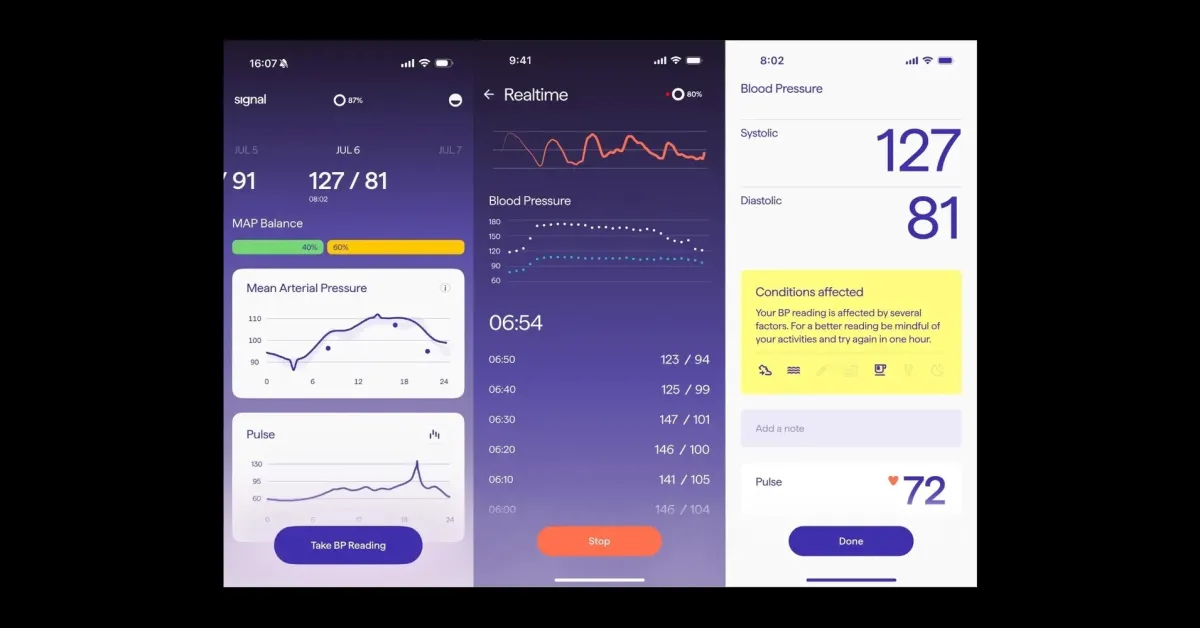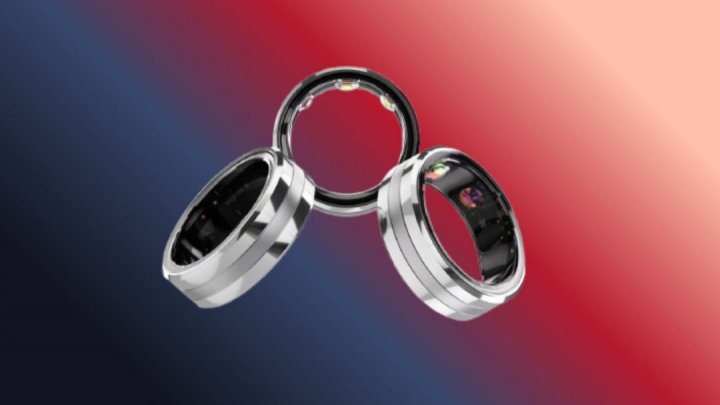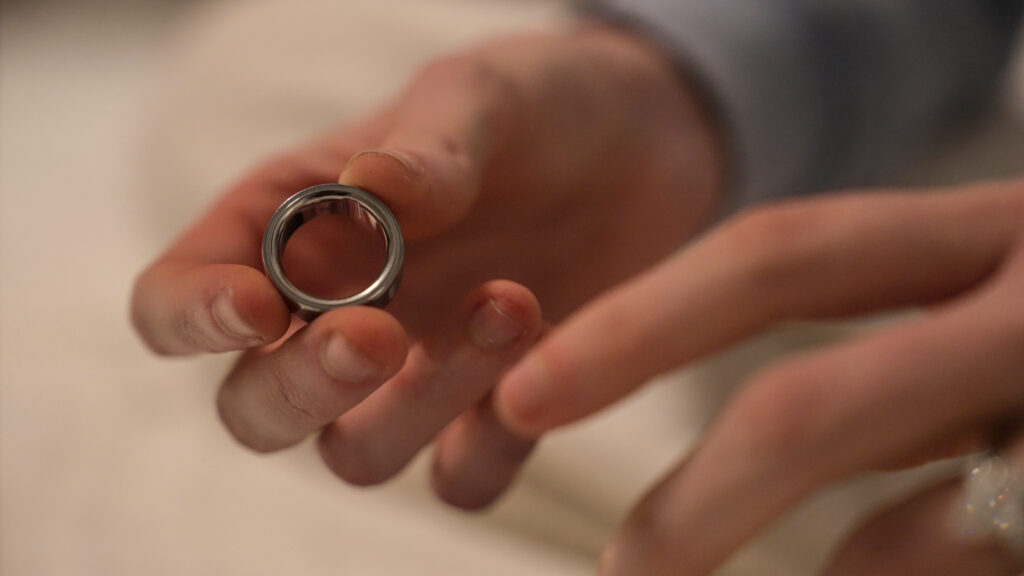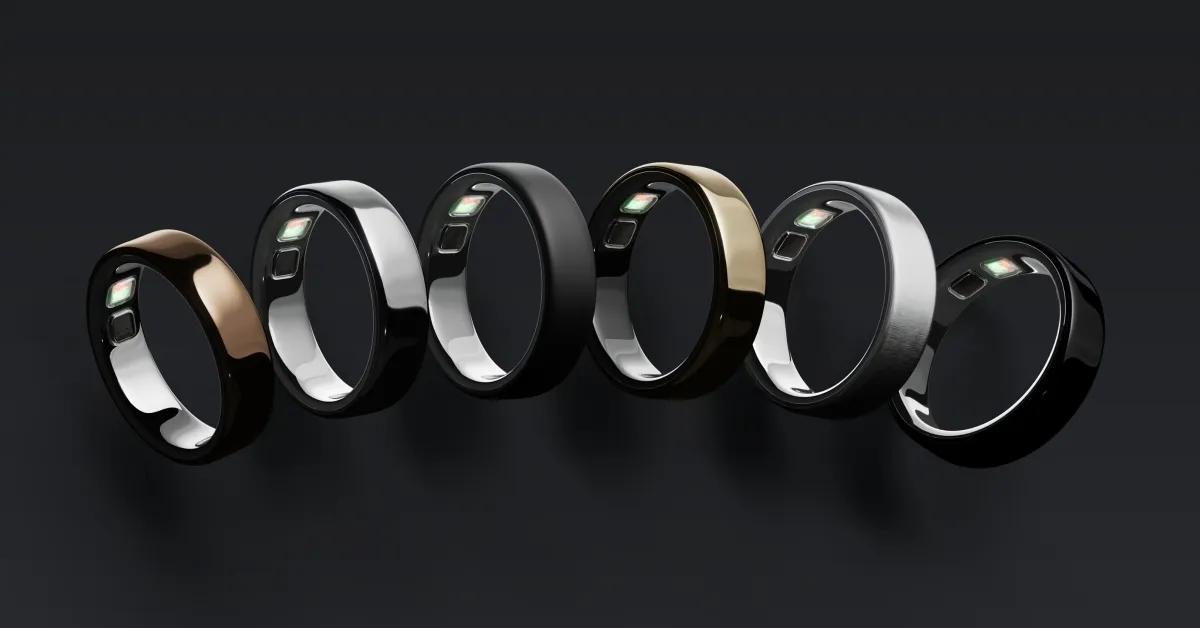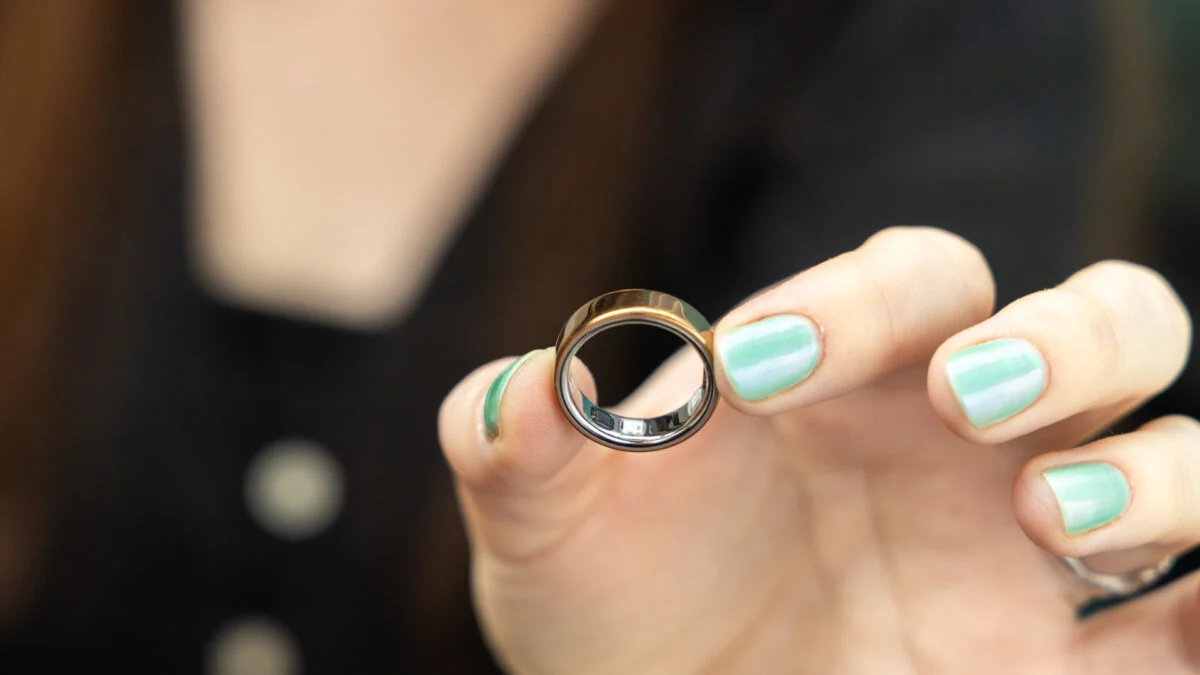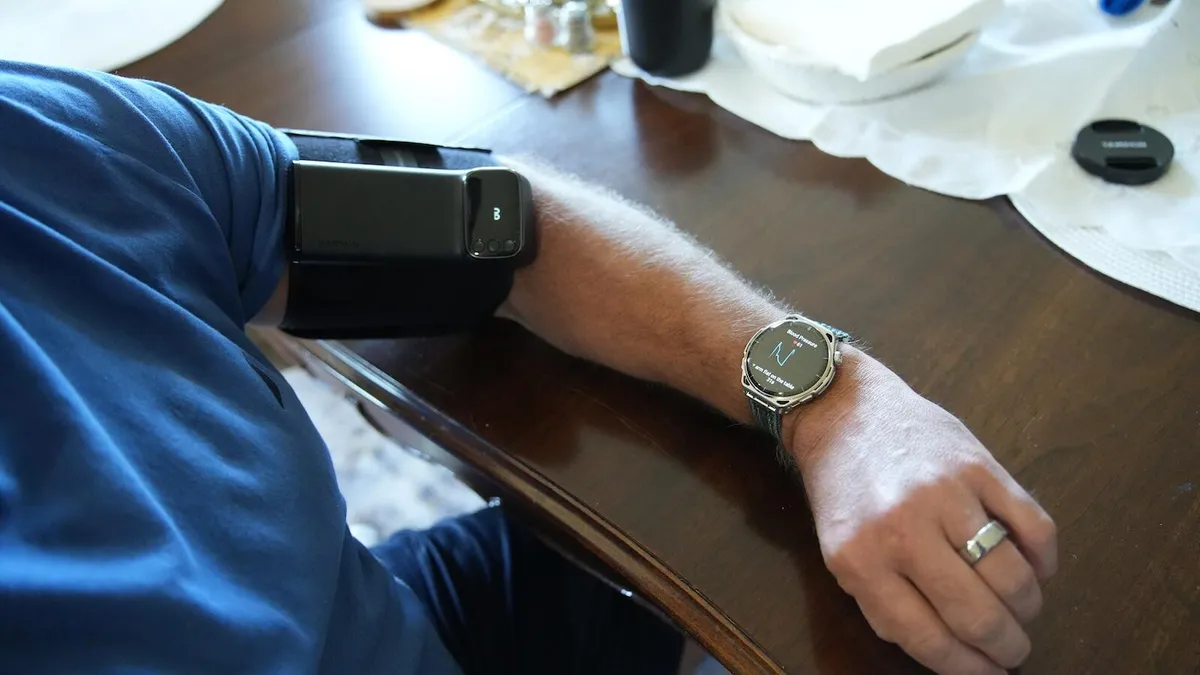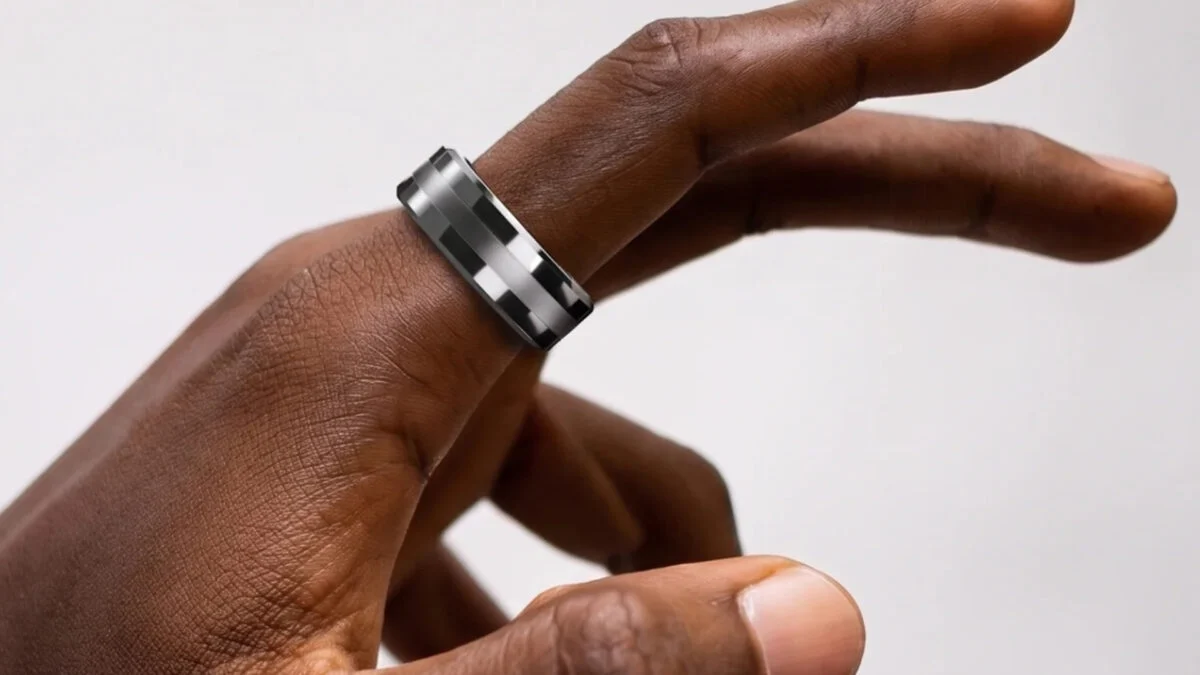
Vital Signals thinks its Signal Ring is accurate enough to replace traditional blood pressure cuffs for the almost half of U.S. adults who live with high blood pressure. The new wearable is thicker than the average ring, not unlike Oura’s older smart rings, but its on-the-spot and continuous blood pressure monitoring laps competitors like Samsung, Apple, and Whoop—if you’re willing to pay $399 to use it. The Signal Ring has a titanium exterior and a resin-lined interior, with sensors along the inside for measuring heart rate and blood pressure, and around five days of battery life with its charging case. Throughout the day, the Signal Ring measures blood pressure in the background, but when you want the most accurate reading, Vital Signals says its app can guide you through the process. The app offers breathing exercises and posture cues to make sure you get the best reading possible and tracks and contextualizes your measurements afterward. Importantly, the Signal Ring is also able to offer these insights without calibration or the need for a subscription. © Vital Signals Samsung’s and Whoop’s wearables can take blood pressure measurements, but require calibration with a cuff first. Because your body changes over time, those features also need to be recalibrated to stay accurate. Apple, which added hypertension alerts to its wearables alongside the Apple Watch Series 11, doesn’t even bother trying to take on-demand readings, instead averaging a wearer’s blood pressure over time.
Vital Signals’ New Ring Brings Blood Pressure Monitoring to Your Finger
The startup believes its $399 wearable could revolutionize the lives of people with hypertension.
480 words~2 min read