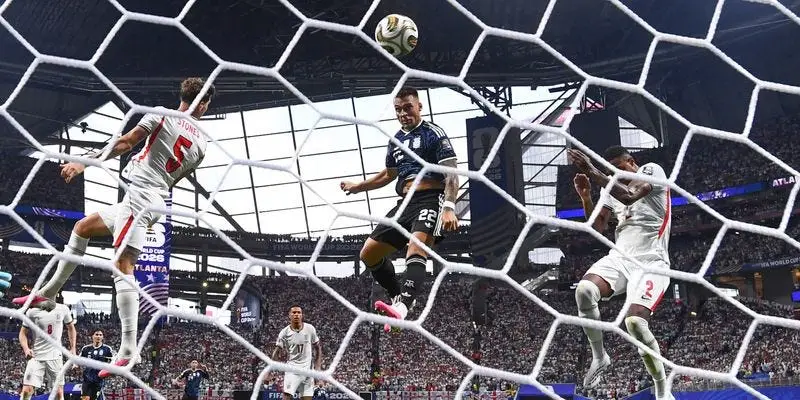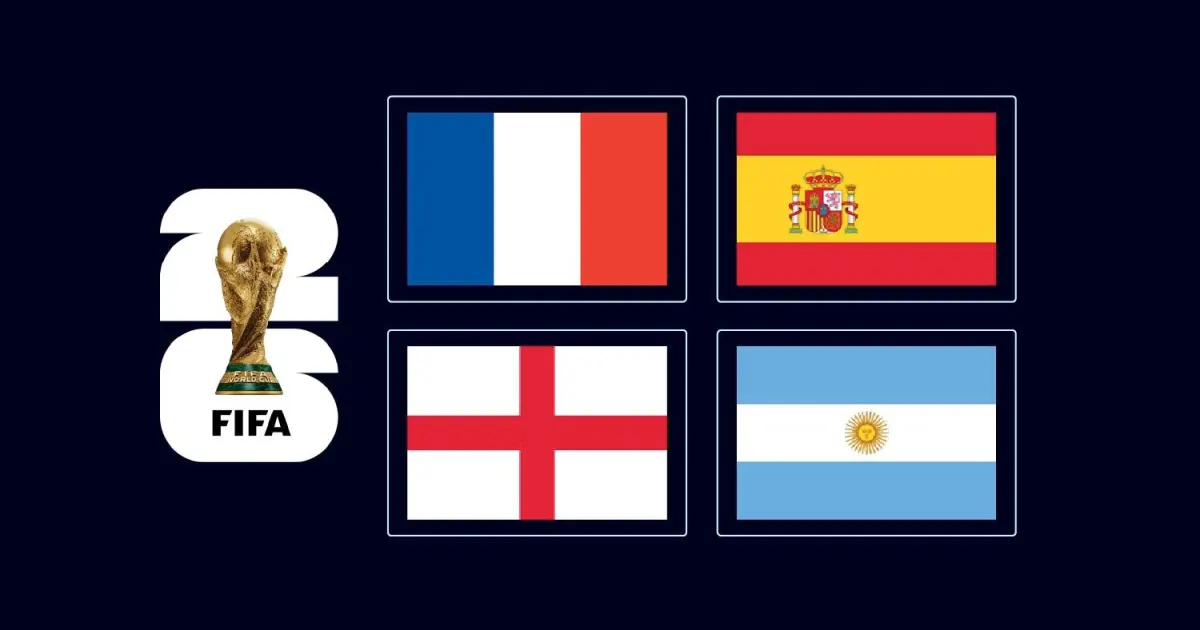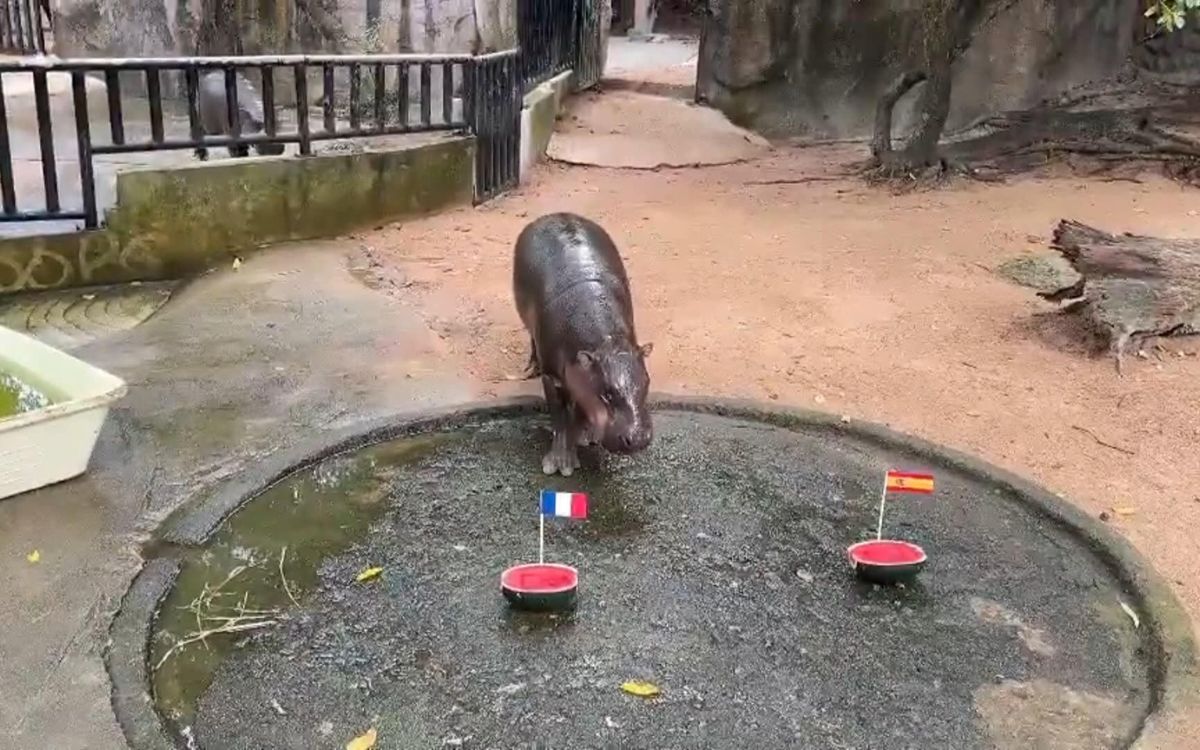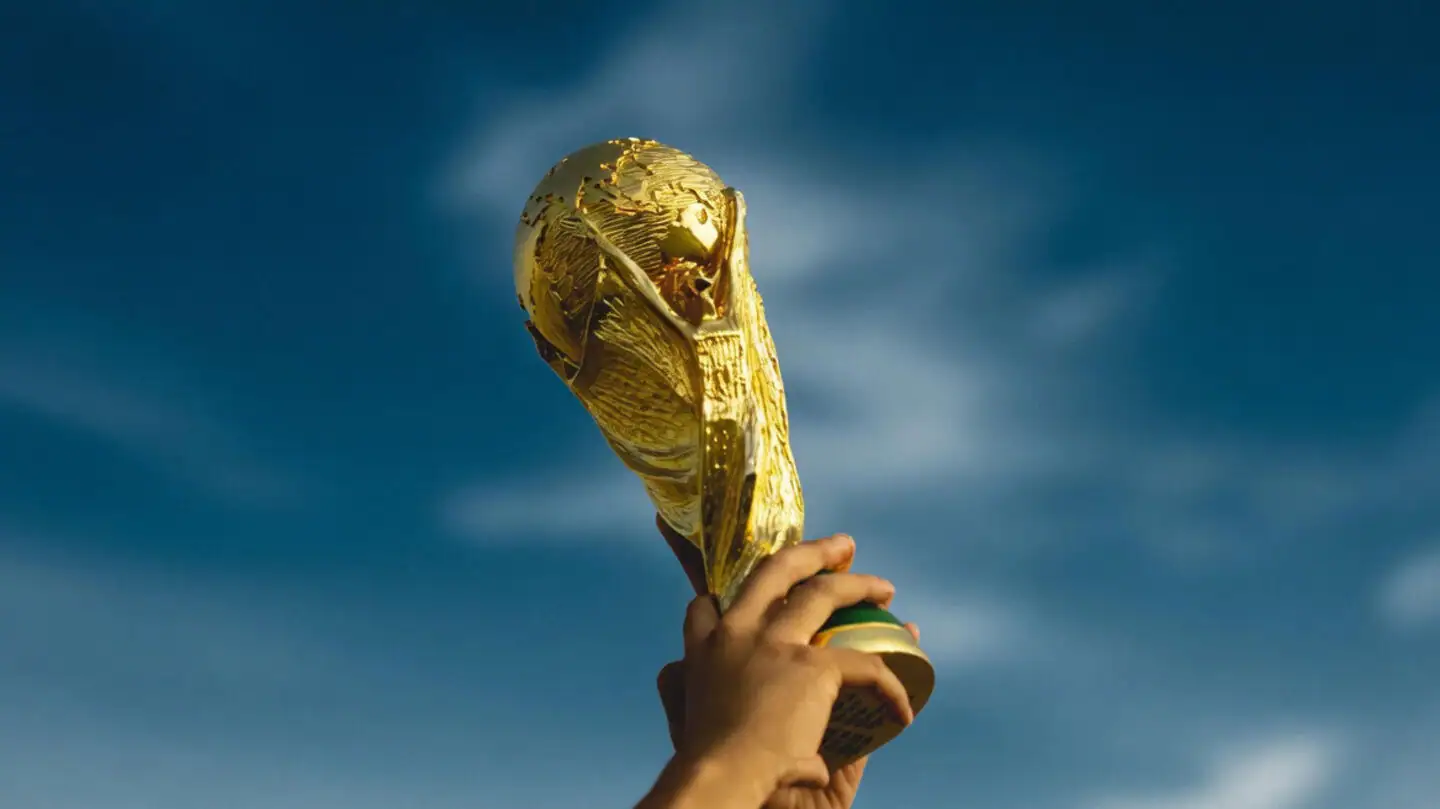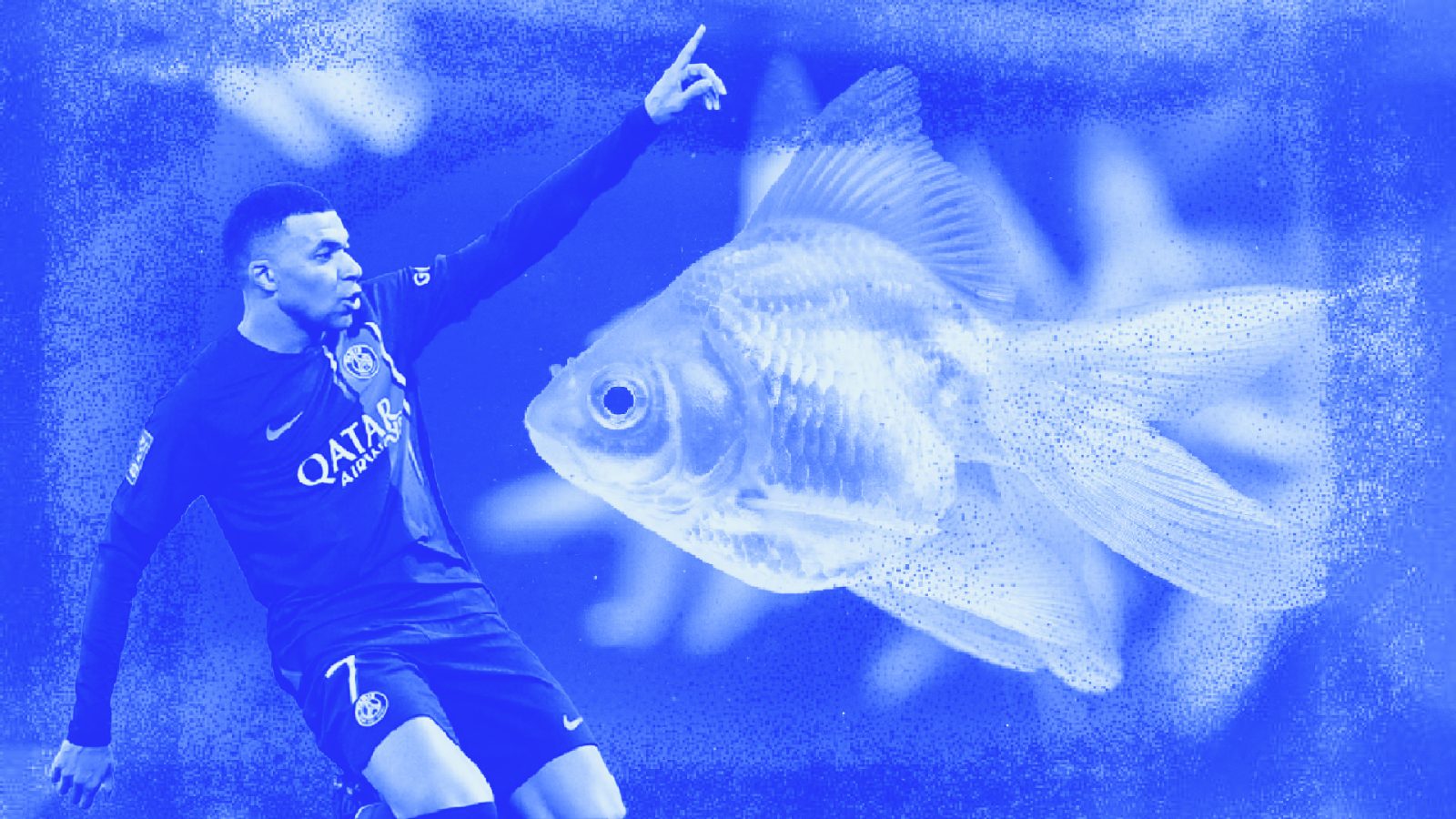
Kylian Mbappé of France entered the World Cup semifinals with Argentina’s Lionel Messi in the race for the Golden Boot. Pundits, punters, and chatbots are divided on who finishes as the football tournament’s top scorer. The sharpest predictor of them all, though, is a goldfish.
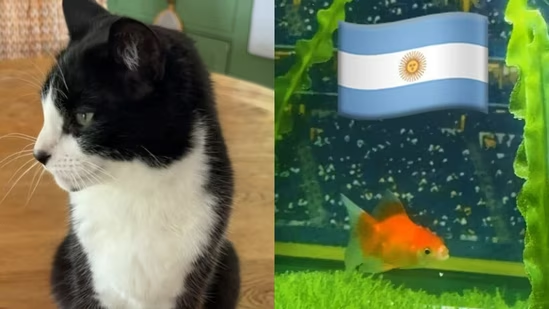
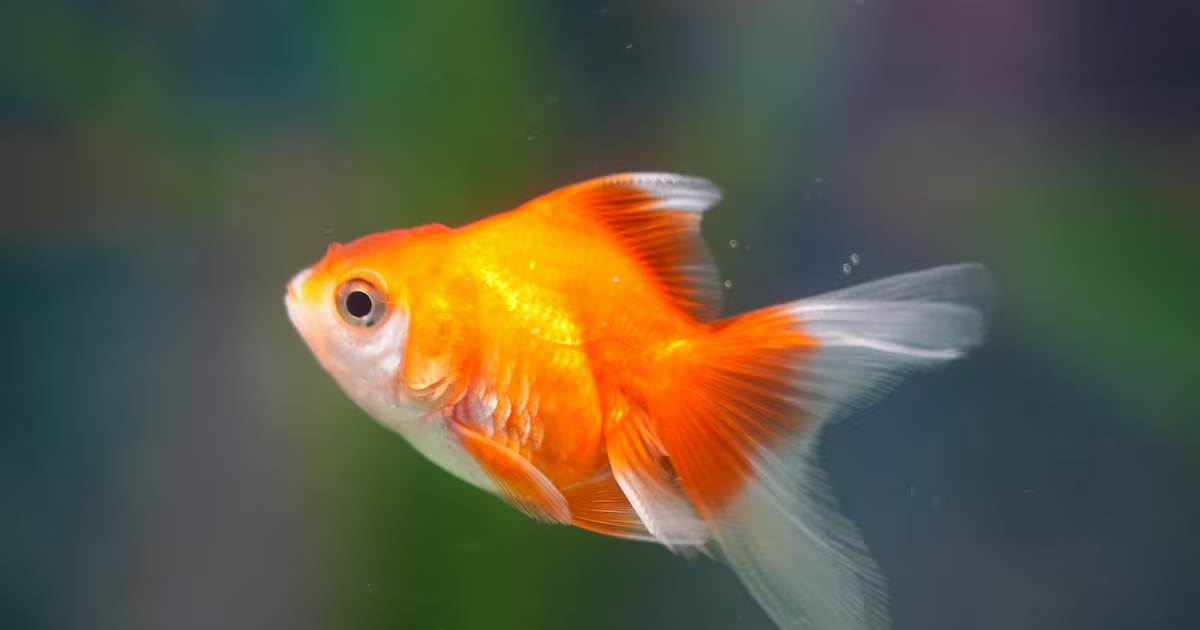
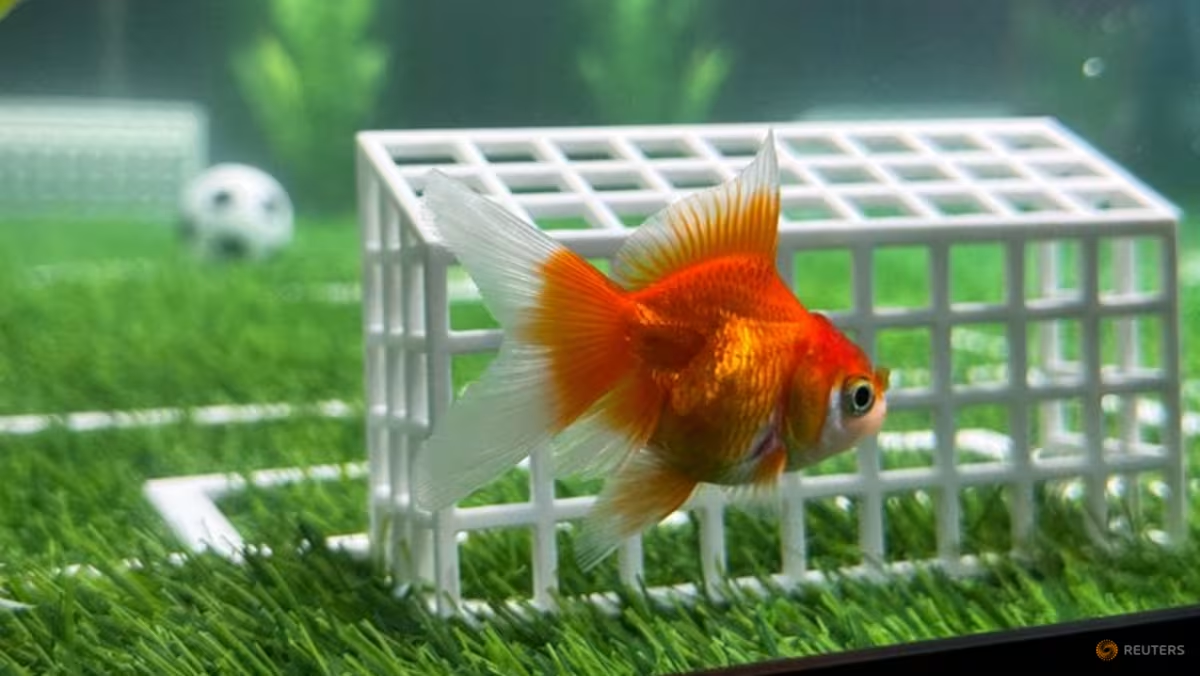
Swimbappé lives in a Toronto storefront tank fitted out as a miniature pitch, and calls matches by swimming toward one of two flags at either end. Midway through the group stage, his handlers had counted 14 correct calls against four misses, at about 80% accuracy. Draws were ruled no-contests, since there is no third flag.
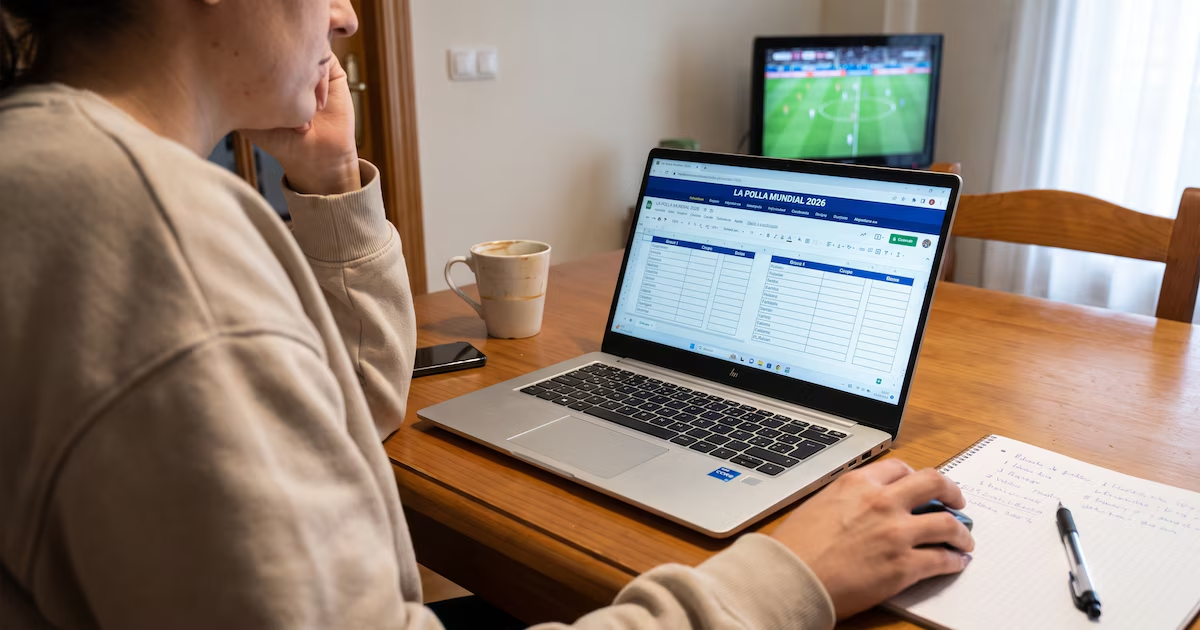
This year, artificial intelligence is giving the goldfish competition. Before the June 11 opener, Dutch research bureau Onder set five programs — ChatGPT, Claude, Gemini, Copilot, and Perplexity — an identical task. Each had to weigh form, rankings, and injuries, and predict all 104 matches.
Onder sealed their answers, and has been marking each prediction right or wrong on a public scoreboard. The tracker ScoreGPT grades the five models every matchday morning, and across the tournament their individual-match accuracy has run between 50% and 60%. None has matched the goldfish.
Match by match, though, AI has stumbled.