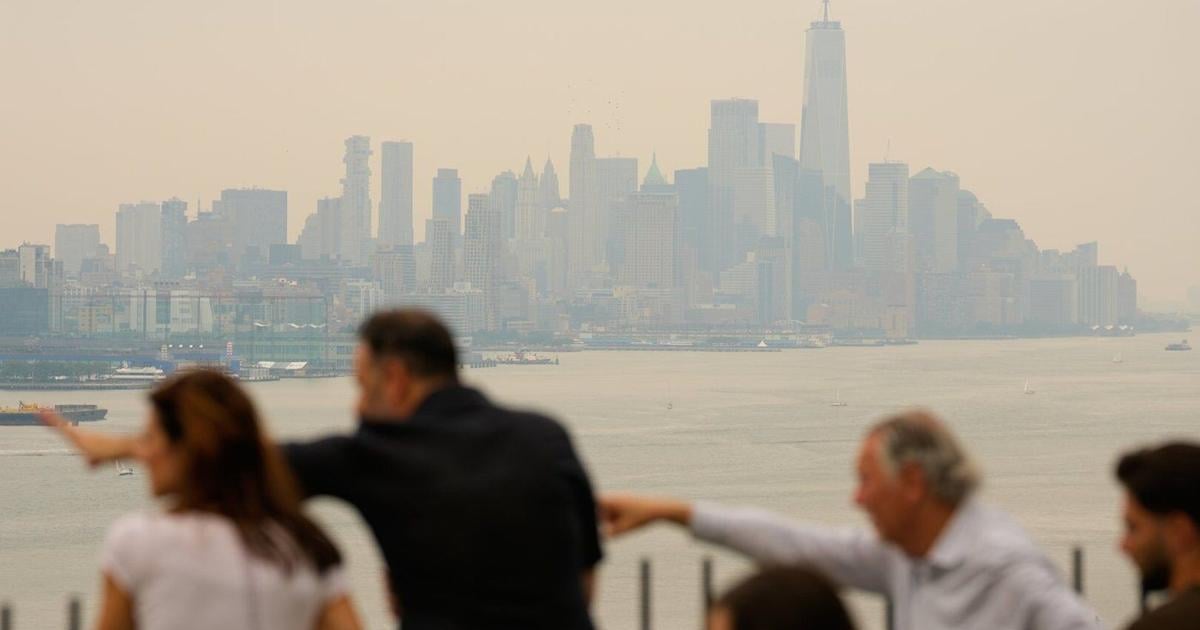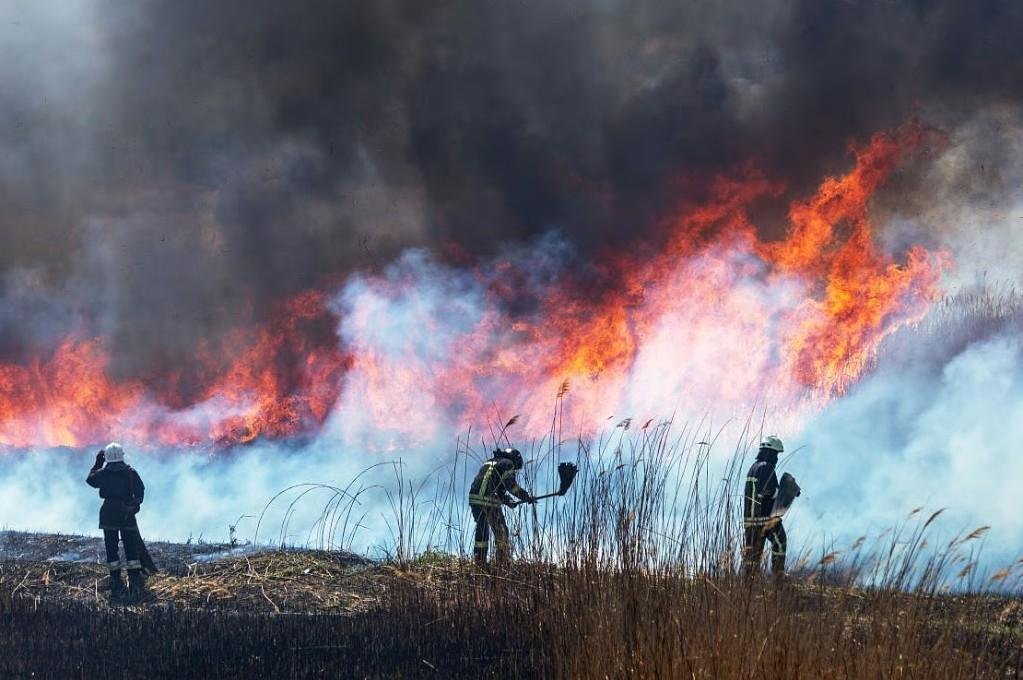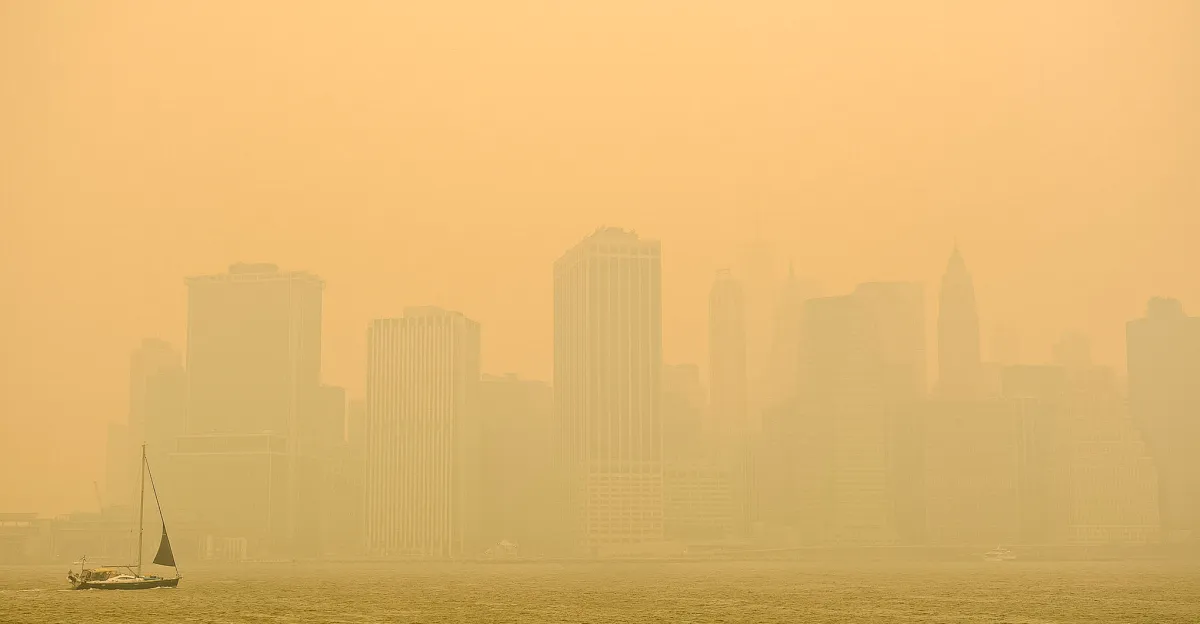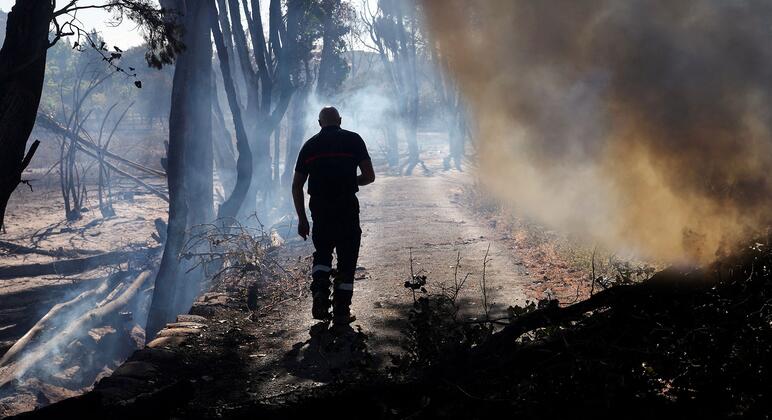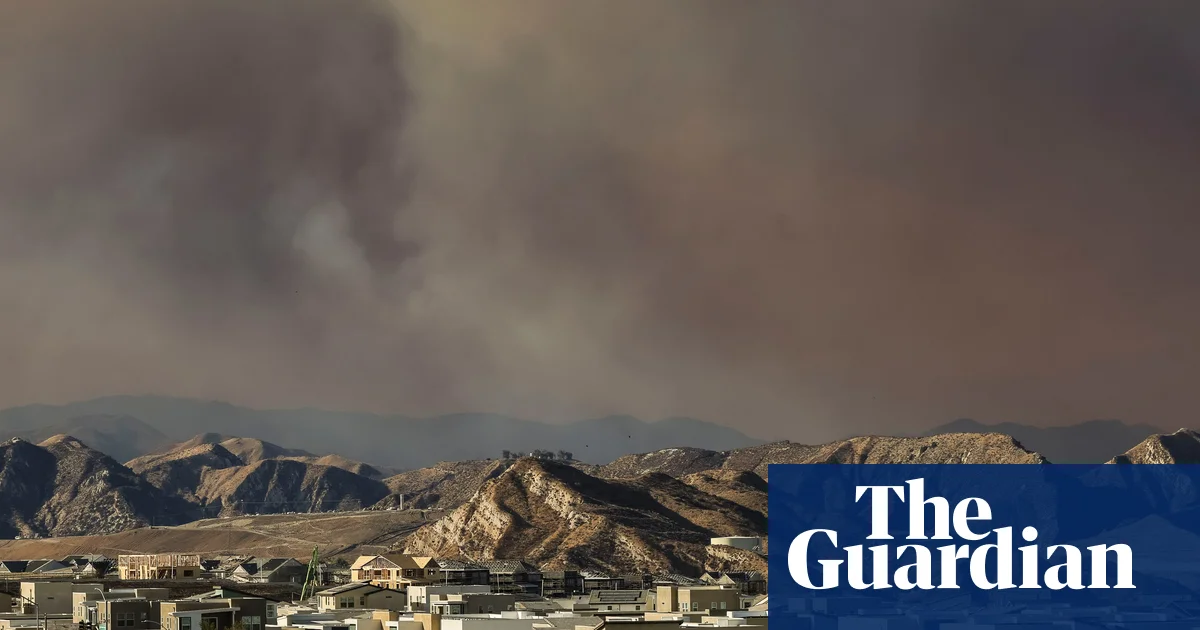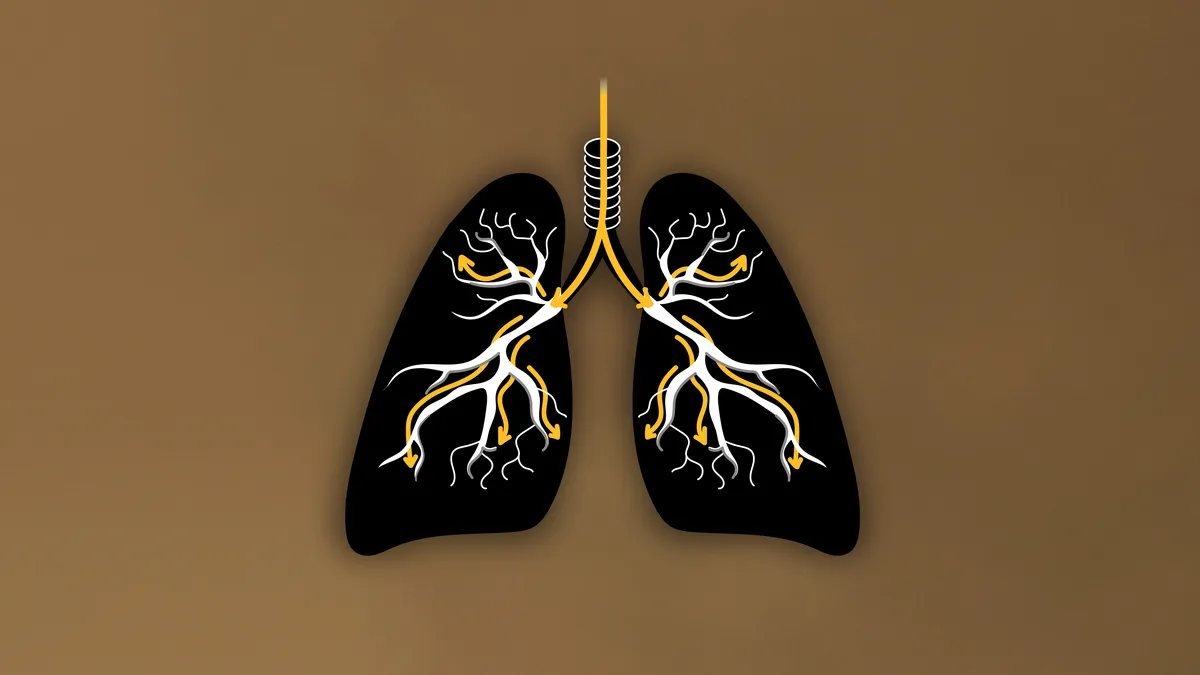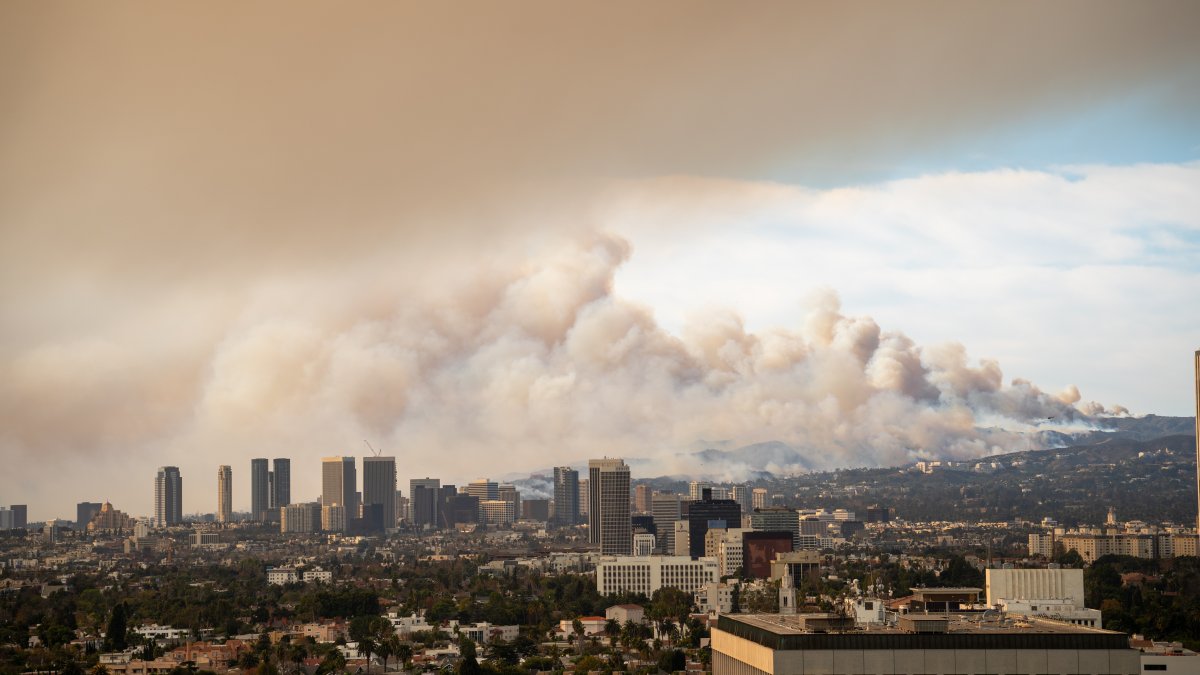
Smoke from wildfires — which are burning more of the Northern Hemisphere as Earth warms — attacks nearly every system in the human body, killing tens of thousands of people a year, numerous medical studies show.It attacks the body immediately, spiking asthma cases with increased ambulance runs within hours, swamps emergency rooms in a day or so with people suffering from heart attacks and other cardiovascular and lung issues, as well as mental health issues, doctors and scientists told The Associated Press.Smoke also harms pregnant women, increasing the risk of premature births and low-weight babies who could have breathing problems the rest of their lives, doctors and studies say. And then there are long-term risks connecting prolonged smoke and other air pollution exposure to some cancers and dementia.
A person looks out a window at the Top of the Rock Observation Deck as wildfire smoke hangs over New York, Thursday, July 16, 2026. (AP Photo/Yuki Iwamura)
After huge global fires in 2018 and 2019, the medical and science communities started looking at the health effects from the smoke with “more and more studies coming out finding that there’s all types of impacts that may not have been so obvious before,” said Dr. Mary Johnson, a Harvard School of Public Health environmental health scientist. Smoke causes inflammation by triggering the body’s immune system to go into overtime to fight the irritant. Scientists have found it can harm the brain, the skin and men’s sperm, with almost no system of the body spared, Johnson said. People over 60 become more prone to stroke in wildfire smoke, she said.